Kiev, ave. Lobanovsky, 14


 +3 80 (50) 433-01-01
 Video
Video 3D Tour
Natural stone in landscape design: the best options for paths and squares
Landscape design is the art of creating beautiful, functional, and harmonious gardens and outdoor spaces. In this process, natural stone plays a crucial role, as it not only enhances aesthetics but also provides durability, weather resistance, and eco-friendliness. If you are looking for the perfect material for walkways and patios, natural stone is an excellent choice. In this article, we will explore the best types of stone for your garden and provide tips on how to choose them to create stylish and long-lasting surfaces.
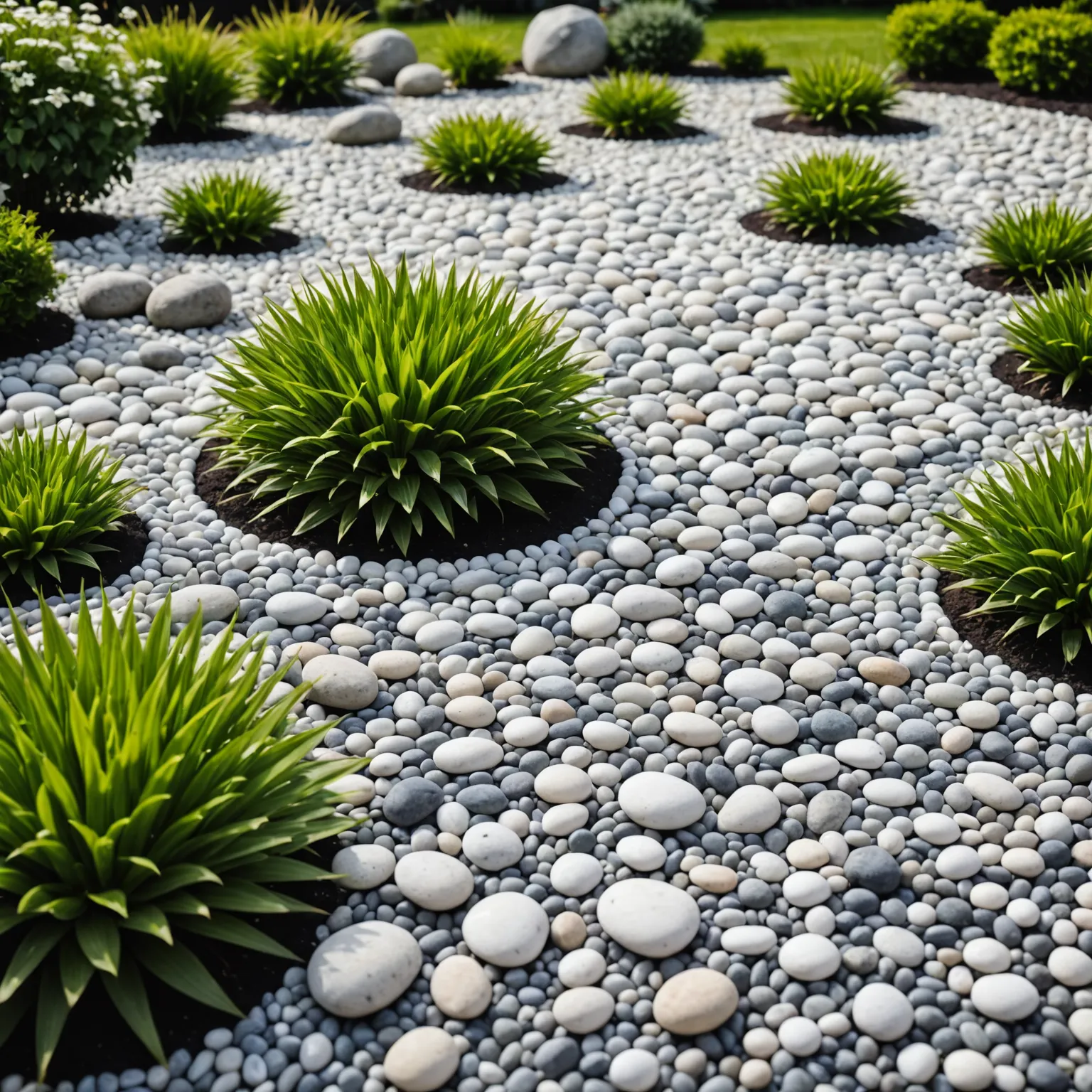
Why is Natural Stone So Popular?
Natural stone is one of the most popular materials for creating garden paths and patios thanks to its many advantages:
- Durability. Stone has exceptional strength and wear resistance, which is especially important for paths exposed to daily use.
- Aesthetic value. Each stone is unique in its shade and texture, allowing you to create one-of-a-kind landscapes.
- Ease of maintenance. Natural stone does not require complicated care; regular cleaning of dirt and leaves is enough.
- Weather resistance. Stone withstands temperature fluctuations, moisture, sun, and frost while maintaining its properties for decades.
In the online store Kievstone, you will find a wide selection of natural stone that can be conveniently ordered with delivery. Let’s take a closer look at the main types of stone most suitable for paths and patios.
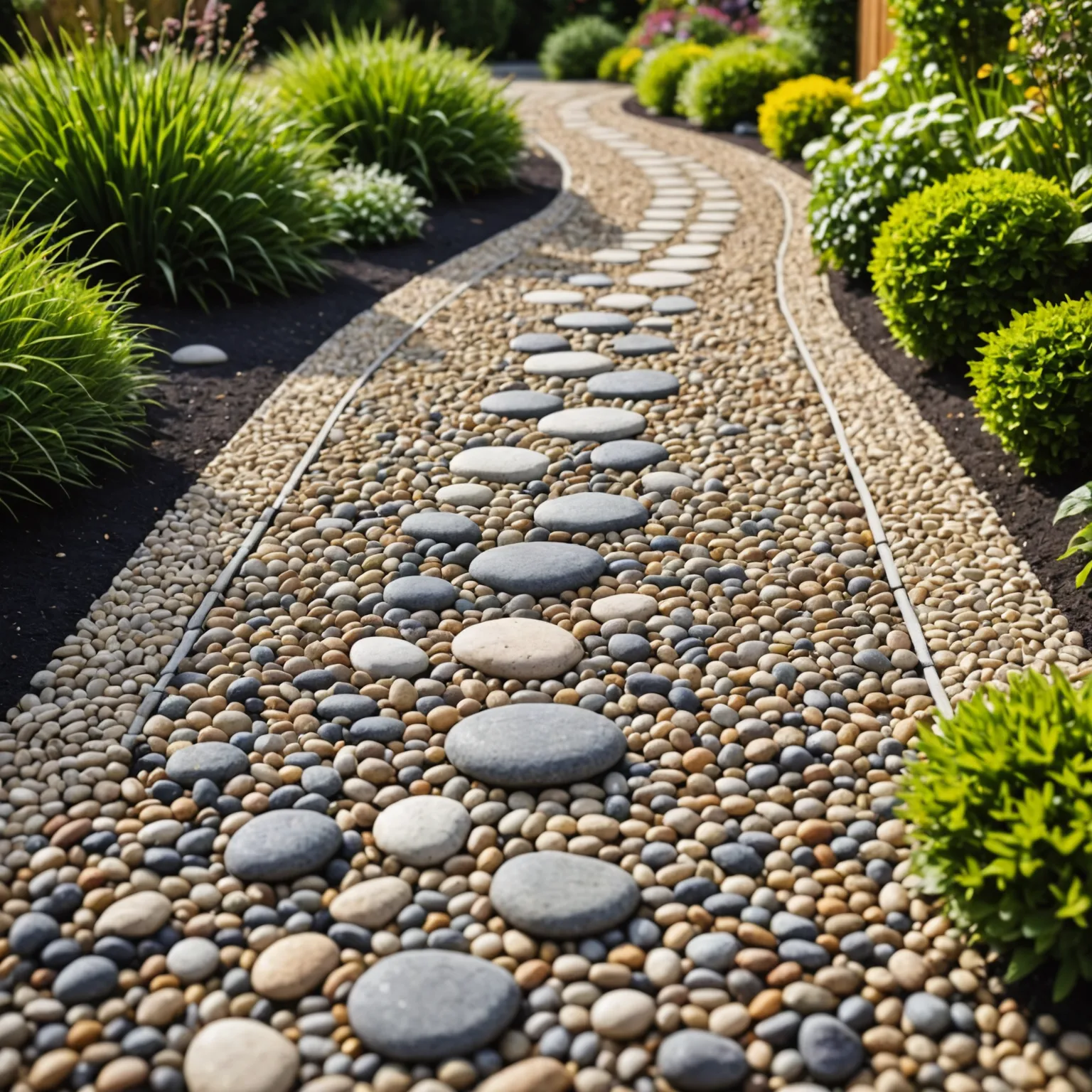
Best Stones for Paths and Patios
1. Sandstone
Sandstone is one of the most popular choices in landscape design. It is appreciated for its soft texture, variety of shades (beige, gray, yellowish, and pink), and affordability. It is easy to cut and shape, allowing you to create paths of any width or design. Its non-slip surface makes it safe to walk on, even in rainy weather. You can order sandstone with convenient delivery from Kievstone.
2. Granite
Granite is a symbol of strength and longevity. Thanks to its density and resistance to abrasion, it is ideal for patios and spaces with heavy traffic, such as entrances, terraces, and barbecue zones. Granite is also resistant to extreme temperature changes, meaning it does not crack and maintains its original look for decades. Granite paths add sophistication and elegance to any garden, especially when you choose shades that complement the overall style of your space.
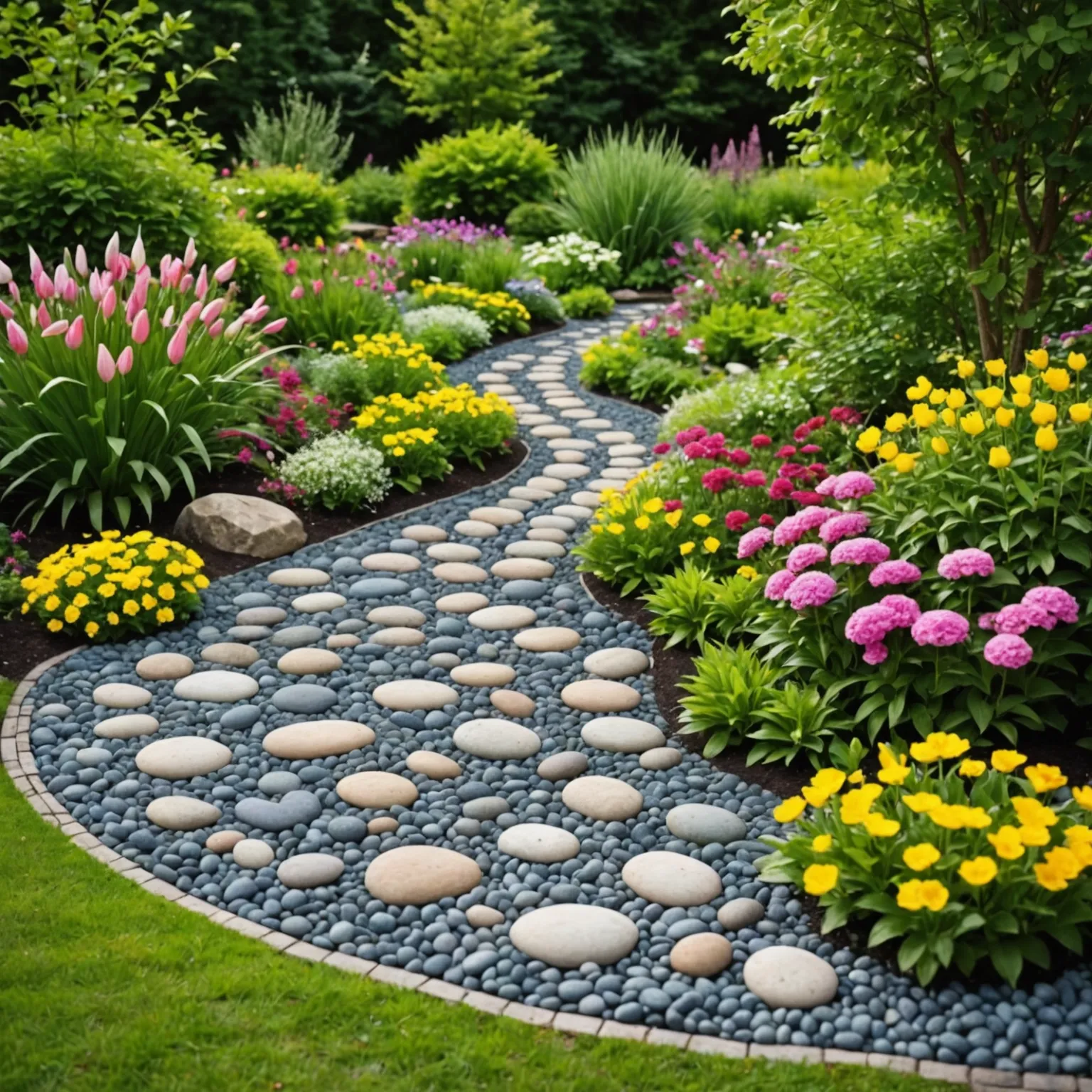
3. Slate
Slate is a layered stone with a distinctive texture and a wide variety of colors, including gray, black, green, and burgundy. It is an excellent choice for decorative paths that stand out with their natural beauty and originality. Slate is resistant to moisture, and its natural relief provides an anti-slip surface, making it practical for outdoor use.
4. Limestone
Limestone attracts with its soft color palette – from white to light gray and beige. It adds brightness and warmth to the landscape and pairs beautifully with greenery and flowerbeds. Limestone is often used for patios and recreation areas, as it creates a welcoming, harmonious atmosphere. Although not as strong as granite or sandstone, it is ideal for areas with moderate load.
5. Cobblestone
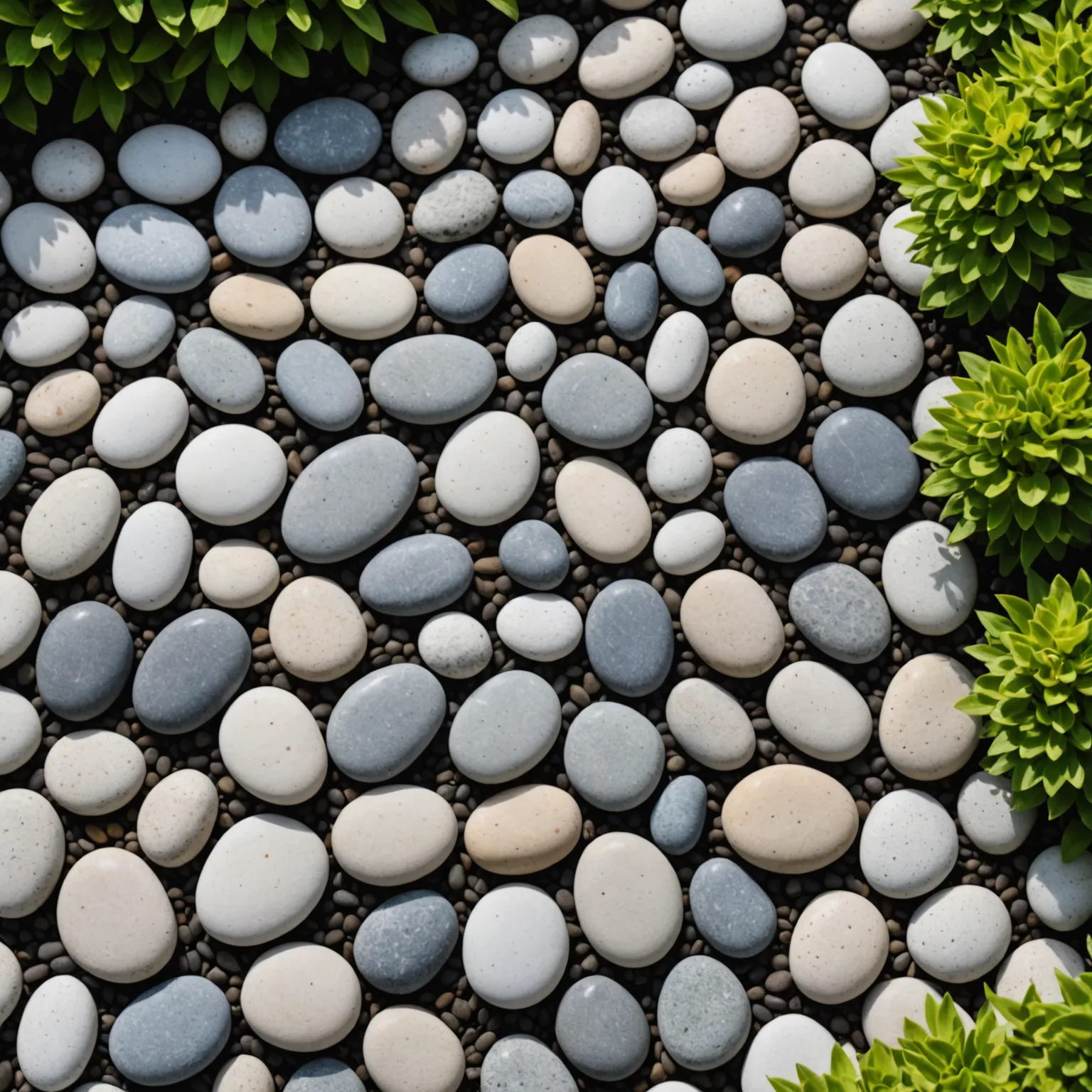
Cobblestone is a naturally rounded stone perfect for creating rustic, cozy garden designs. Paths made of cobblestones look natural and authentic while providing excellent traction. Cobblestone paving is a great choice for classic or country-style gardens, adding charm and character to the landscape.
How to Choose the Right Stone for Your Garden?
- Garden style. For modern styles, granite works best, while cobblestone suits rustic or traditional designs.
- Purpose of the area. For active spaces like patios or entrances, choose durable stones such as granite or sandstone. For decorative paths, slate or limestone are excellent.
- Climate conditions. Select stones resistant to moisture and temperature fluctuations to ensure long-lasting performance.
- Aesthetic preferences. The shade and texture of the stone should harmonize with the architecture of the house and the garden’s plants.
Tips for Laying Stone
- Base preparation. Ensure the ground is leveled and compacted for stability.
- Foundation layer. Use a sand-and-gravel base to improve drainage and prevent sinking.
- Joint filling. Choose frost- and moisture-resistant materials for filling gaps between stones.
Natural stone is an investment in durability, eco-friendliness, and timeless elegance, helping you create a unique and long-lasting landscape.
Sandstone, granite, slate, limestone, and cobblestone – each of these stones has unique qualities that make them suitable for different landscape projects. For high-quality natural stone with convenient delivery, turn to Kievstone, where you will find a wide selection of materials for your design ideas.
FAQ
Which type of natural stone is best for garden paths?
The best choice depends on the style of your garden and the intended use. Sandstone is popular for its natural look, warm tones, and ease of cutting, making it versatile for both straight and curved paths. Granite is ideal for areas with heavy traffic, thanks to its exceptional strength and durability. Slate is chosen for its layered texture and striking decorative appeal, while limestone adds a bright, airy atmosphere to patios and recreational zones. Cobblestone, with its rounded shapes, is best for rustic or traditional gardens, creating authentic and cozy walkways.
How long do stone paths and patios last?
With proper installation and maintenance, natural stone paths and patios can last for decades. Granite is the most durable, often serving over 100 years without losing its structure. Sandstone and slate can last 40–60 years when sealed and protected against moisture. Limestone, while slightly softer, is long-lasting in moderate-use areas, often exceeding 30–40 years. Cobblestone paths, due to their rounded shape and stable laying technique, can remain intact for many generations. Longevity depends not only on the type of stone but also on the quality of installation, drainage, and regular upkeep.
What maintenance do stone paths and patios require?
Maintenance is simple and depends on the type of stone. Sandstone and limestone should be sealed to prevent moisture absorption and staining. Granite requires minimal care, usually just cleaning off dirt and leaves. Slate should be rinsed occasionally to preserve its natural shine. Cobblestone paths are robust but may need weeding between joints. In general, mild cleaning agents and water are sufficient — harsh chemicals should be avoided, as they may damage the stone. Reapplying a protective sealant every few years significantly extends the lifespan of stone surfaces.
Where is the best place to buy natural stone for landscaping?
It is recommended to purchase natural stone from specialized suppliers that guarantee quality and provide professional consultation. Stores like Kievstone offer a wide range of sandstone, granite, slate, limestone, and cobblestone suitable for various landscaping projects. Reliable suppliers ensure not only the quality of the stone but also provide delivery services, helping you save time and effort. Additionally, professionals can advise on the best type of stone for your specific garden style and climate, ensuring your investment results in durable and attractive walkways and patios.