
 Kiev, ave. Lobanovsky, 14


 +3 80 (50) 433-01-01
 Video
Video 3D Tour
Sandstone facade
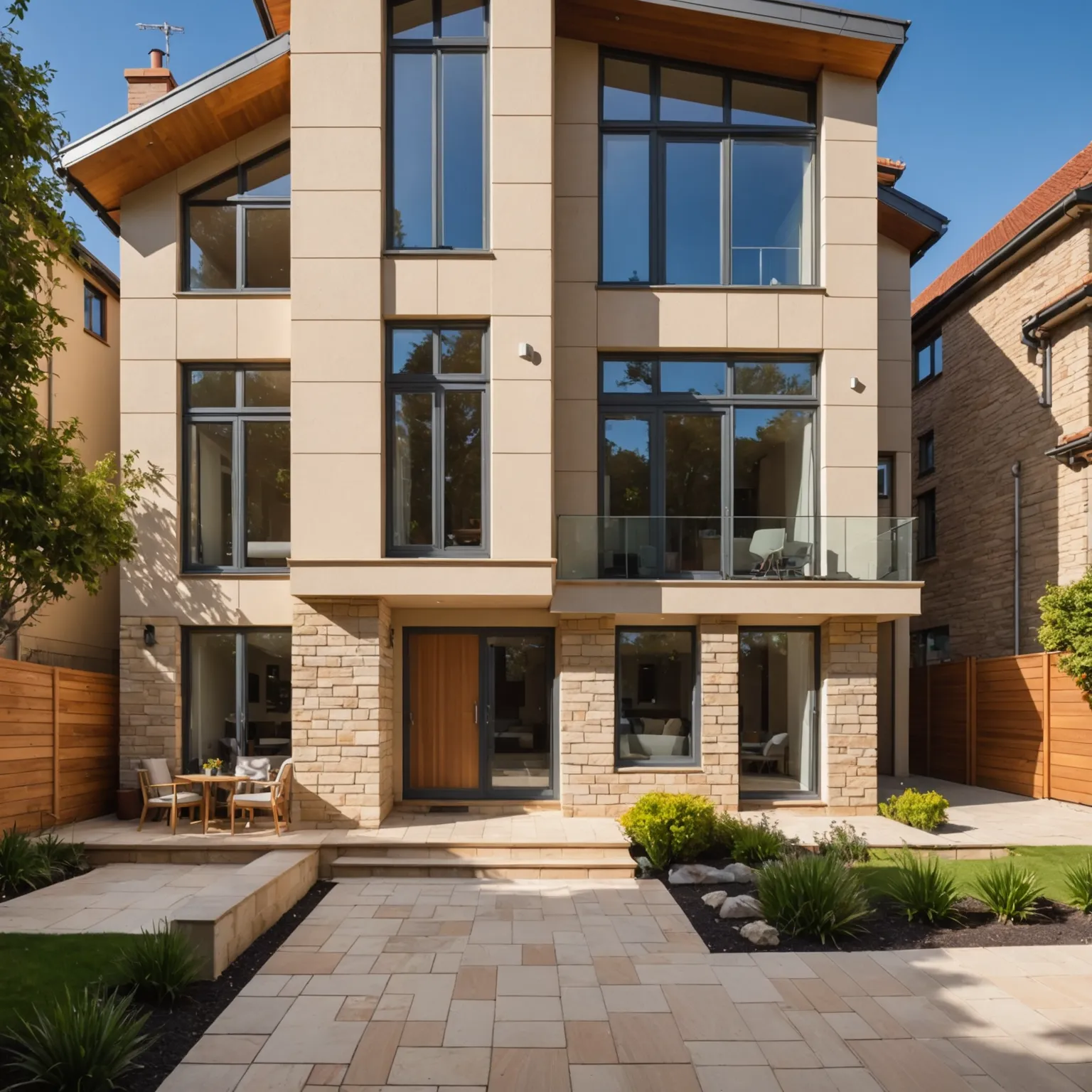
Natural sandstone is a durable and eco-friendly stone composed of mineral grains such as quartz, feldspar, mica, and limestone. Its timeless appeal, combined with exceptional resistance to weather conditions, makes it a popular choice for exterior cladding. Whether you're building a modern house or restoring a classic structure, sandstone offers the perfect blend of aesthetics and functionality. Discover more about facade stone options available at KievStone.
Key Benefits of Sandstone
- High strength and structural integrity
- Excellent thermal insulation properties
- Frost and moisture resistance
- Low-maintenance and environmentally safe
- Natural appearance that improves with age
Sandstone facades maintain their beauty and performance for decades without requiring major maintenance or restoration work.
A sandstone facade can last over 50 years with minimal maintenance, making it a long-term investment in your property.
Color Variety and Finishes
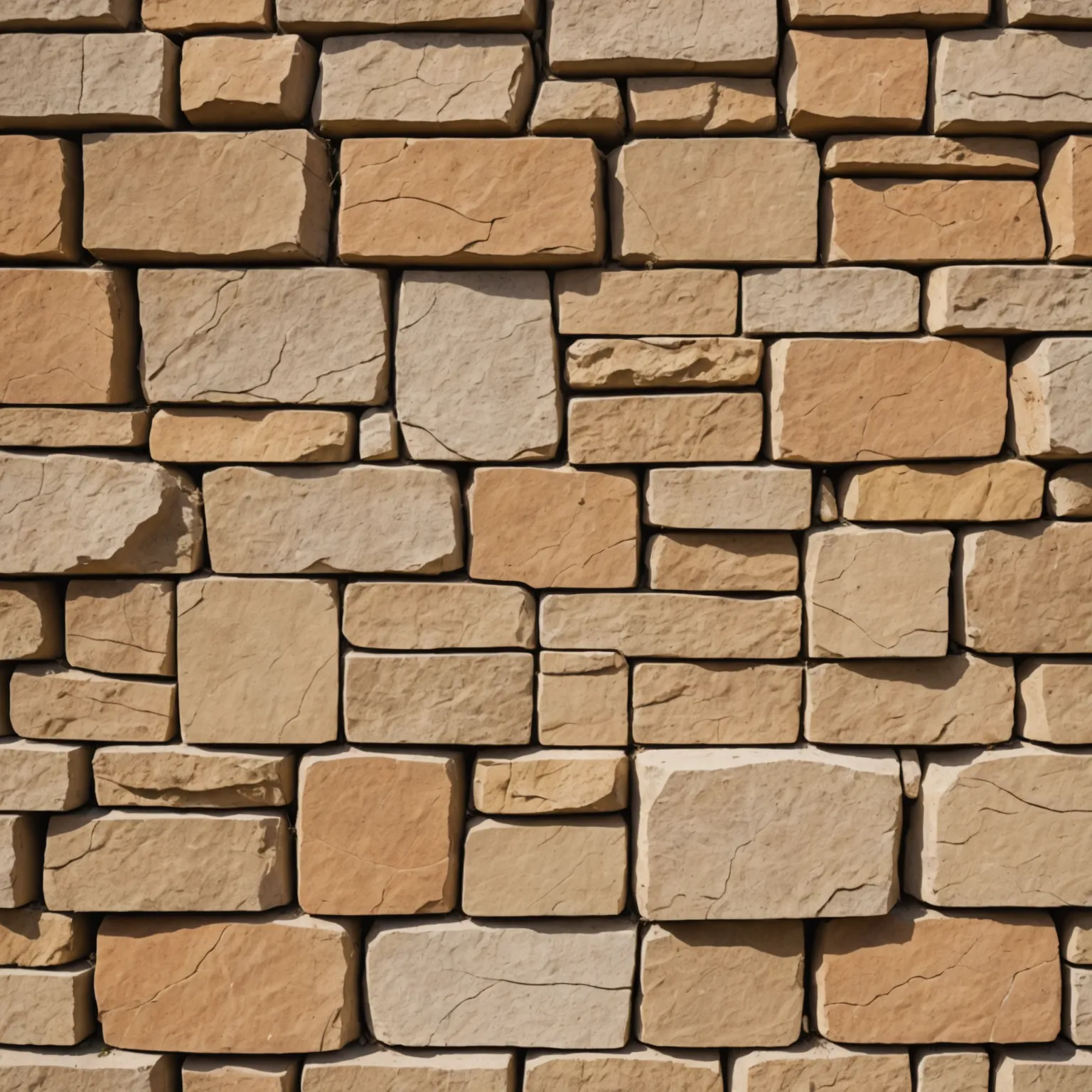
Sandstone is known for its rich palette of earthy shades—white, beige, peach, yellow, gray, and even burgundy. This wide range of colors allows you to achieve both minimalist and rustic looks. Additionally, sandstone comes in various surface finishes:
- Natural split or “wild” stone
- Hand-chiseled (tumbled or rough)
- Full-sawn or polished slabs
- Edge-cut or side-finished formats
These formats allow seamless integration with different architectural styles, from loft and industrial to neoclassical. For a raw, expressive look, check out wild split sandstone.
Other Applications Beyond Facades
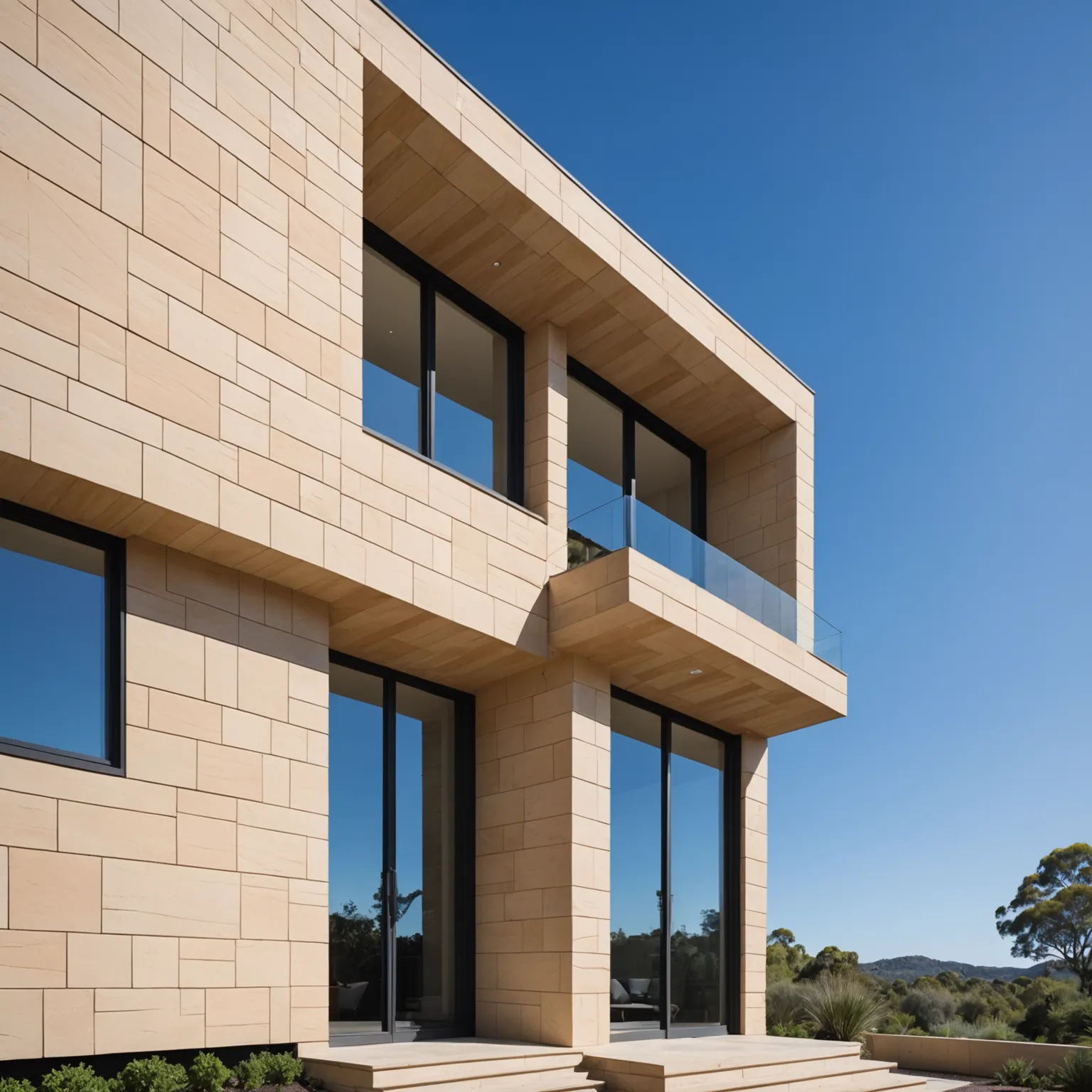
Sandstone is incredibly versatile and can be used in various landscaping and decorative projects beyond the main walls:
- Base and foundation cladding
- Outdoor stairs and patios
- Garden walkways and pathways
- Columns, fences, and entrance areas
For paving, we recommend sandstone paving stones, which provide excellent grip and visual appeal.
Unlike ceramic tiles, sandstone does not heat up under the sun and remains slip-resistant after rain.
Sandstone vs. Other Natural Stones
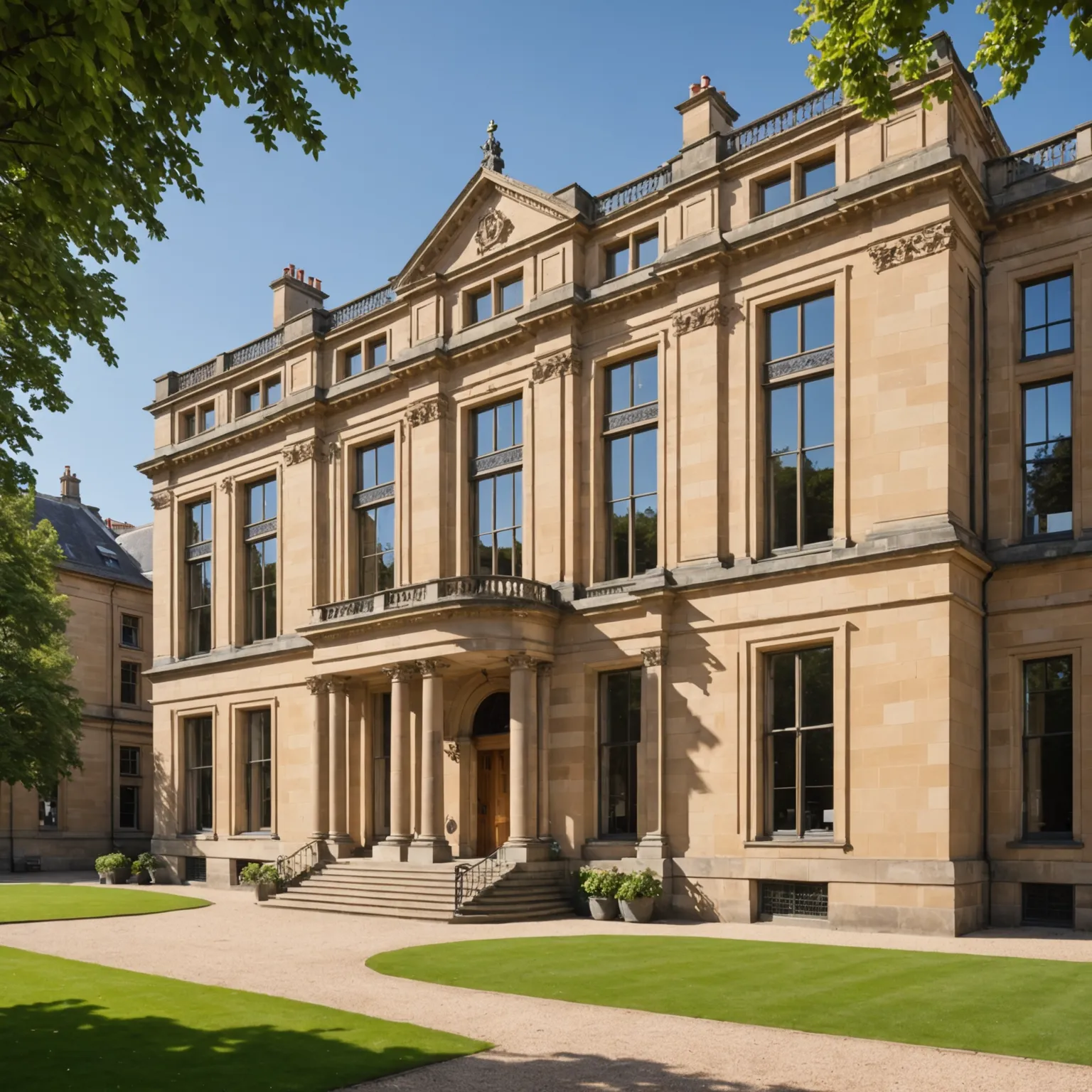
How does sandstone compare with marble and travertine? Below is a quick overview:
| Feature | Sandstone | Travertine | Marble |
|---|---|---|---|
| Durability | High | Medium | Medium |
| Moisture Resistance | Excellent | Moderate | Sensitive |
| Price | Affordable | Mid-range | High |
Where to Buy High-Quality Sandstone in Ukraine
You can explore a wide range of sandstone colors and textures at the KievStone Design Center. Their showroom features natural stone for facades, paving, mosaics, and more. From decorative stone to structural slabs, KievStone offers premium products and professional advice. Visit their showroom in Kyiv at Lobanovskoho Avenue, 14, and discover real samples up close.
Fast nationwide delivery available. Most facade stones are in stock and ready to ship.
Conclusion
A sandstone facade is not only an aesthetic choice but also a smart one. With outstanding performance, elegant tones, and minimal upkeep, sandstone proves itself as a sustainable and cost-effective solution for any exterior design. Explore our full collection of sandstone facade options and upgrade your home with the charm of natural stone.
FAQ
How long does a sandstone facade last?
A properly installed sandstone facade can last more than 50 years. Its durability comes from its natural mineral structure, which makes it resistant to cracking, fading, and erosion. When maintained correctly — by washing off dust occasionally and applying protective sealants if needed — sandstone remains structurally sound and visually attractive for decades. It's a low-maintenance option compared to many other natural stones.
Is sandstone suitable for cold or wet climates?
Yes, sandstone is ideal for regions with harsh weather, including freezing winters and wet seasons. It has excellent frost resistance and low water absorption when properly sealed. The stone can withstand freeze-thaw cycles without cracking, which is essential for facade materials. That’s why sandstone is widely used in Europe and other areas with fluctuating temperatures and humidity.
Does sandstone require any special maintenance?
Sandstone is easy to care for. Occasional cleaning with water is usually enough to keep it looking fresh. In dusty or polluted areas, a mild detergent may be used. To extend its life, you can apply a breathable sealer every few years, which helps protect against moisture, algae, and stains. Avoid using harsh chemicals or acidic cleaners, as they can damage the surface.
How does sandstone compare to other natural stones like marble or travertine?
Sandstone is more affordable and practical than marble or travertine for exterior use. While marble offers a polished, high-end look, it is more sensitive to moisture and stains. Travertine is softer and more porous, requiring sealing and more maintenance. Sandstone, on the other hand, is tougher, more weather-resistant, and comes in a wide range of natural textures and tones that blend well with outdoor environments.


