Kiev, ave. Lobanovsky, 14


 +3 80 (50) 433-01-01
 Video
Video 3D Tour
Black Slate: Characteristics and Application Features for Cladding and Paving
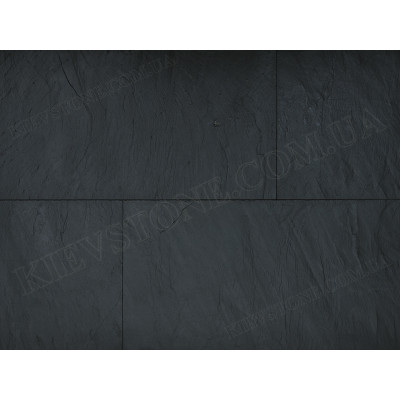
Black slate has moved far beyond commercial architecture and is now widely used in private construction. Homeowners choose it for façades, fences, plinths, terraces and garden paths when they want a deep, насыщенный dark tone and a natural, layered texture. The stone does not look artificial or glossy. After rain it turns almost graphite-black, and under sunlight subtle mineral veins become visible, adding depth and movement to the surface.
When selecting exterior materials, owners often face a compromise between visual impact and long-term durability. Some finishes look impressive at first but fade or wear quickly. Others are strong yet visually flat. Black slate bridges that gap by combining structural density with выразительная natural texture. It works equally well in minimalist contemporary homes and more traditional architectural settings.
Within the range of natural stone materials, black slate is available in different thicknesses and formats. Thicker slabs are typically used for paving and driveways, while thinner pieces suit façade cladding. Choosing the correct format is not only about aesthetics but also about structural performance. The right selection ensures stability through seasonal changes and daily use.
Black slate: characteristics and applications in cladding and paving: The key challenge when choosing exterior materials is balancing visual depth with resistance to moisture and mechanical load. Natural slate addresses this through its dense, layered structure that tolerates freeze-thaw cycles and constant use. Property owners gain a durable surface with a stable dark tone and textured finish that maintains its appearance over decades.
Geological Formation and Structural Features
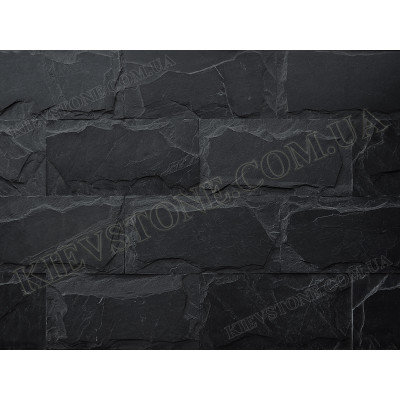
Black slate forms from compressed clay sediments exposed to pressure and temperature over geological time. This process creates its distinctive layered structure. Thin planes can be seen on the edges of the stone, giving it a naturally split appearance. Under angled light, these layers produce a subtle shadow play that enhances architectural surfaces.
The layered composition also influences processing. Slate can be split along natural lines rather than aggressively cut, preserving its organic texture. The result is a matte, slightly rough surface that feels solid underfoot. When walking across a slate terrace on a dry summer evening, the sound is muted and firm rather than hollow.
Its density provides mechanical stability. Properly installed slate withstands pedestrian traffic and even vehicle loads in reinforced areas. Edges remain intact without chipping under normal use. This durability makes it suitable for climates with fluctuating temperatures and varying humidity levels.
Color variation ranges from deep charcoal to nearly pure black with metallic undertones. After rainfall the stone darkens and appears richer. In bright daylight, mineral inclusions subtly reflect light. This natural variation prevents façades from looking flat or monotonous.
Performance in Exterior Conditions
One of slate’s main advantages is low water absorption. Reduced moisture penetration minimizes the risk of freeze damage during winter cycles. This is especially relevant in regions with snow and thaw periods. The stone maintains its shape and structural integrity year after year.
Wear resistance is another key factor. Unlike some manufactured materials, slate does not develop polished “traffic paths.” Even in high-use zones such as garden walkways or entrance steps, the texture remains consistent. The surface ages evenly rather than unevenly.
Thermal stability allows slate to perform in both hot summers and cold winters. It does not warp in heat or crack easily in frost when installed correctly. Its natural texture provides traction even when damp. Additional sealants may be applied for enhanced protection if required.
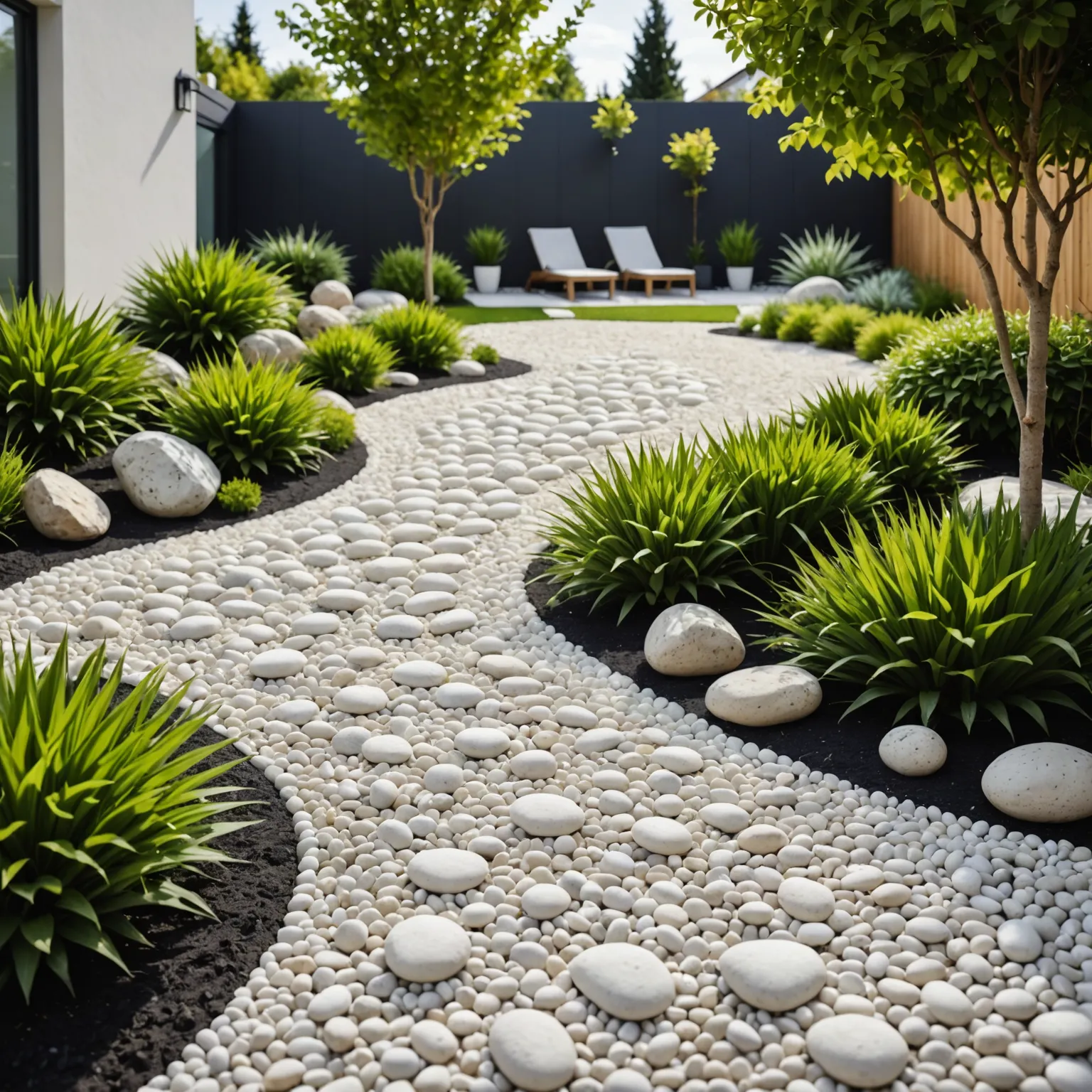
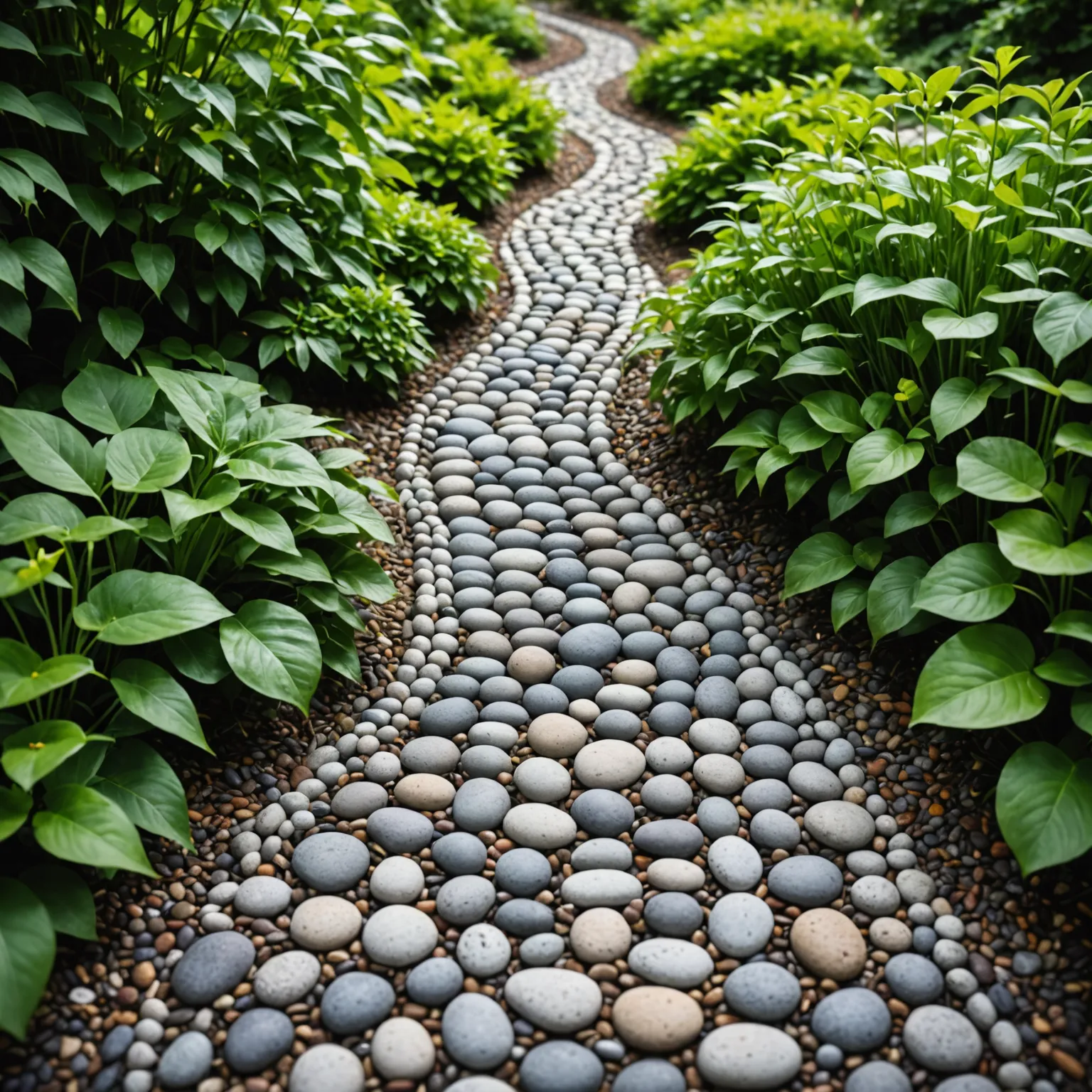
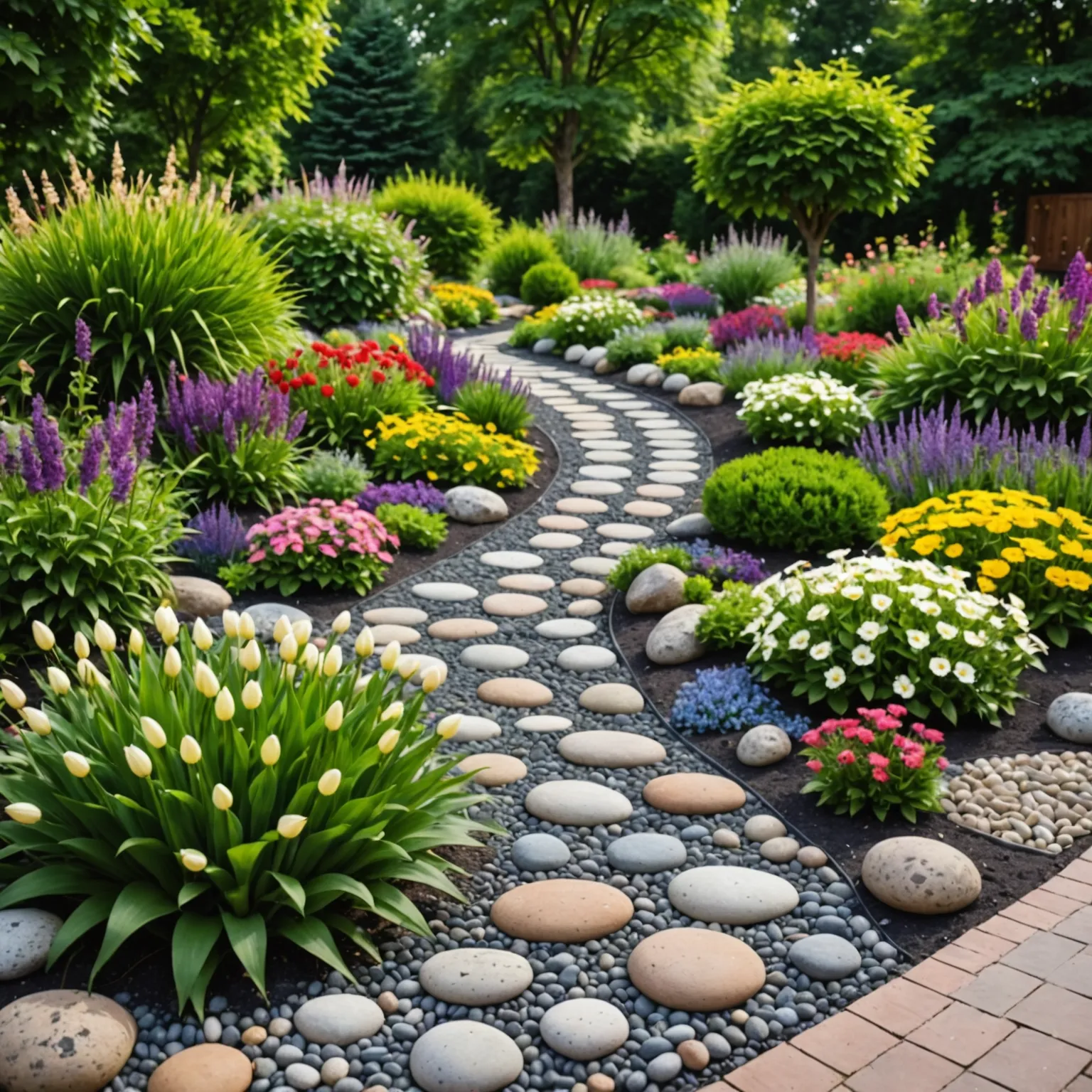
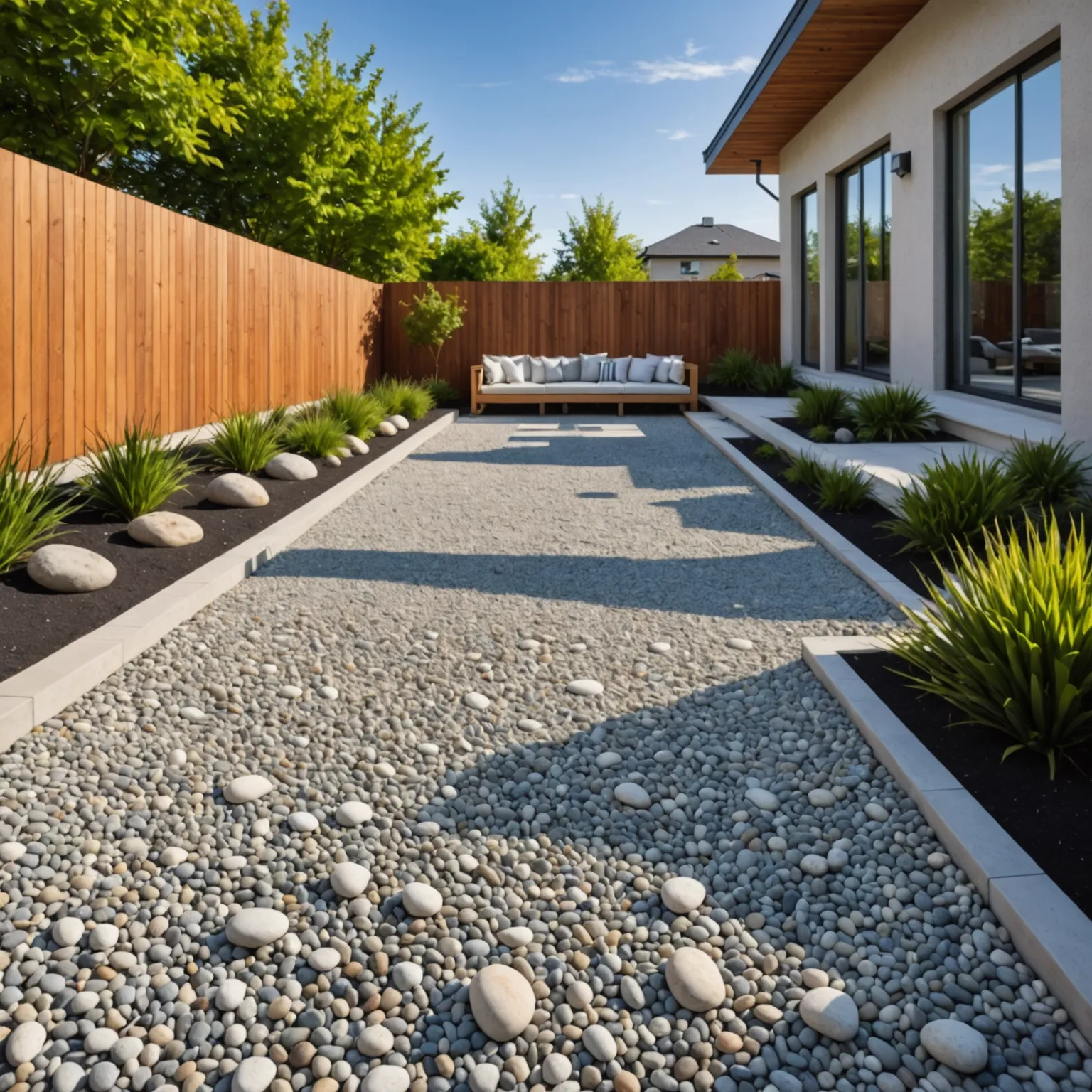
For landscape design, slate can be combined with decorative pebbles to create drainage zones and visual contrast. Pebbles soften transitions between hard surfaces and greenery. This combination is functional and aesthetically balanced. It also helps prevent water accumulation near foundations.
Applications in Facade and Plinth Cladding
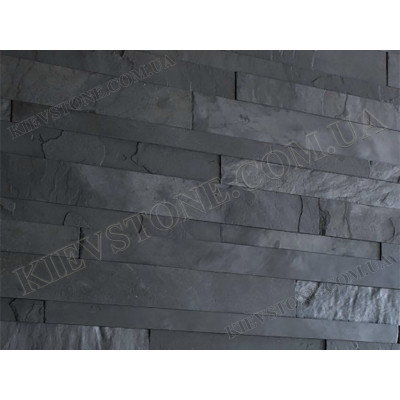
Black slate creates a strong architectural statement when used on façades. Horizontal installation emphasizes clean lines and structural geometry. Against light plaster or glass surfaces, the dark tone provides contrast without overpowering the building. In overcast weather, the façade appears deep and velvety rather than dull.
For plinths, slate offers both protection and visual grounding. The lower portion of a building is exposed to moisture, mud and snow. Slate shields this vulnerable area while adding weight and stability to the overall design. Cleaning typically requires nothing more than water and a soft brush.
Installation demands careful preparation of the substrate. Due to the layered structure, orientation and adhesive selection are important. Incorrect placement may lead to stress concentration and eventual detachment. Skilled installation ensures uniform joints and long-term reliability.
Installers often observe that black slate requires precise leveling of the base surface. Even minor irregularities can influence joint alignment and overall visual consistency over time.
Before final selection, reviewing completed projects in the project gallery helps visualize real-world applications. Images show how slate reacts to different lighting conditions and combinations with wood or metal elements. This practical reference reduces uncertainty. The material becomes part of the architectural narrative rather than a separate finish.
Slate for Paving, Terraces and Entrance Areas
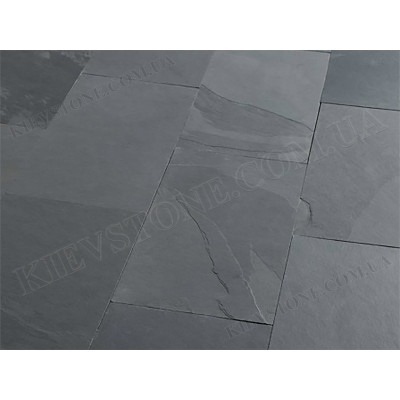
In paving applications, black slate is valued for its balance between texture and durability. Natural roughness improves slip resistance, particularly during rainy seasons. Even when wet, the surface retains traction. This makes it suitable for steps and entry zones where safety is essential.
Proper base preparation remains critical. A compacted gravel layer and adequate slope ensure effective water drainage. Without these measures, seasonal ground movement may disturb alignment. Professional groundwork protects the long-term stability of the paved area.
Thickness selection depends on expected load. Standard slabs work for pedestrian paths, while reinforced formats suit driveways. Budget planning can include options from the current offers section, allowing material optimization without compromising performance. Long-term durability should be part of cost evaluation.
The dark tone complements wood decking, steel railings and garden planting. At dusk, under warm lighting, the surface reflects subtle highlights. Slate does not appear artificial or overly glossy. Instead, it reinforces a natural landscape atmosphere.
Installation Technology and Key Considerations
Working with slate requires understanding its structural behavior. Orientation along natural layers ensures better load distribution. Adhesives must match outdoor performance requirements. Cost savings at this stage may result in premature failures.
Substrate Preparation and Waterproofing
A stable, level substrate prevents uneven stress on slabs. Waterproofing is recommended for plinths and terraces. Moisture control reduces structural risk. Careful planning at this stage determines overall longevity.
Weather conditions during installation matter. Extremely low temperatures or heavy rain may affect adhesive bonding. Controlled conditions improve final performance. Contractors typically schedule installation during stable weather periods.
Joint color should complement the stone tone. Excessively light grout may fragment the visual field. Neutral darker shades often create a cohesive look. Dry-laying pieces before final fixing helps achieve balanced distribution of tones.
Practical advice: arrange slabs on the ground before fixing them permanently. This allows visual adjustment of shade variation and prevents unintended concentration of darker pieces in one area.
Maintenance and Long-Term Durability
Black slate requires minimal maintenance. Routine cleaning with water is usually sufficient. Harsh chemicals are rarely necessary. Natural aging enhances rather than diminishes its character.
A light surface patina may develop over time. This does not weaken the stone. Some homeowners prefer to retain this natural effect. Others apply protective sealants for easier cleaning.
When installed correctly, slate surfaces can last for decades. The stone does not fade significantly under sunlight. It does not require repainting or refinishing. Maintenance costs remain predictable and moderate.
For technical guidance on format selection or quantity calculation, contact the consultation department. Professional advice reduces ordering errors and supports informed decisions. Accurate planning ensures project efficiency.
Comparison with Alternative Materials
Black slate is often compared with clinker brick, concrete pavers and artificial stone panels. Each material serves specific purposes. However, natural slate stands out through depth of texture and non-repetitive pattern. No two slabs are identical.
Clinker offers moisture resistance but appears more uniform. Concrete is cost-effective yet may discolor over time. Artificial stone is lighter but less durable in the long term. Slate balances aesthetic richness and structural resilience.
| Parameter | Black Slate | Clinker | Artificial Stone |
|---|---|---|---|
| Texture | Natural layered | Uniform | Imitative |
| Wear Resistance | High | High | Moderate |
| Service Life | Decades | 10–20 years | Quality dependent |
The final decision depends on project goals and budget. For long-term durability combined with strong visual identity, slate presents a rational choice. It demands proper installation but rewards with lasting performance. Architectural consistency remains intact over time.
Case example: a homeowner installed black slate on the plinth more than eight years ago. Despite harsh winters and hot summers, the surface preserved its geometry and color without visible cracks or detachment.
- Black slate combines natural texture with structural durability.
- Suitable for façades, plinths, terraces and paving areas.
- Requires proper substrate preparation and installation expertise.
- Maintains color and structure for decades with minimal maintenance.
FAQ
Is black slate suitable for driveway paving?
Yes, provided that appropriate slab thickness and a reinforced base are used. Slate can withstand vehicle loads when installed on a properly compacted substrate. Drainage planning is essential to prevent moisture accumulation. Professional installation significantly increases long-term stability.
Does the surface become slippery when wet?
Visually, wet slate appears smoother due to darker coloration. However, its natural texture maintains traction. In high-risk areas, additional anti-slip treatment may be applied. Overall, properly selected finishes provide safe performance in rainy conditions.
Can black slate be used for interior design?
Yes, it is often applied to feature walls, fireplaces and staircases. Indoors, slate creates a dramatic contrast against lighter materials. Structural capacity of the substrate should be verified. Proper lighting design enhances the layered texture.
How long does black slate cladding last?
When installed correctly, slate surfaces can last several decades. The material does not fade quickly and maintains structural integrity. Longevity depends on installation quality and environmental conditions. Compared to many alternatives, slate demonstrates extended service life.
Does black slate require sealing?
Sealing is optional but recommended for exterior installations. It reduces water absorption and simplifies cleaning. Some projects operate successfully without sealants, while others benefit from additional protection in harsh climates. The decision depends on exposure conditions.
How to calculate the required quantity of material?
Measure total surface area and add 5–10 percent for cutting and adjustment. Format and layout pattern influence final consumption. Complex geometries require more precise estimation. Professional consultation helps avoid shortages or excess ordering.
How can I receive professional consultation?
You can contact specialists by calling +380(50)433-01-01 to discuss project details, format selection and quantity calculation. Expert advice ensures correct planning and reduces installation risks. Consultation helps align material choice with structural requirements.
Is black slate environmentally friendly?
As a natural material, slate does not emit harmful substances during use. It requires minimal processing compared to synthetic products. Responsible sourcing and proper installation enhance sustainability. Its long lifespan further reduces environmental impact over time.