
 Kiev, ave. Lobanovsky, 14


 +3 80 (50) 433-01-01
 Video
Video 3D Tour
Using Pebbles in Landscape Design
Early morning, the yard is still damp after a night rain. Underfoot, a neatly laid pebble surface softly crunches and drains water without leaving puddles. In moments like this, it becomes clear why pebbles are so often used in landscape design. They do not dominate the space visually, yet they create a sense of order and care that feels natural rather than decorative.
Near the house entrance, along pathways, around terraces or planting zones, pebbles serve a practical purpose. They stabilize the surface, reduce dirt after rain, and help divide the site into functional areas. At the same time, pebbles blend easily with plants, wood, and natural stone finishes without competing for attention.
The use of pebbles in landscape design is often underestimated and treated as a purely decorative choice. In practice, it directly affects drainage, maintenance effort, and the long-term condition of the outdoor space. That is why pebbles are increasingly included at the planning stage rather than added as an afterthought.
Use of pebbles in landscape design: the main challenge lies in choosing the right size, color, and application zone. Natural pebbles solve drainage issues, stabilize surfaces, and help organize complex outdoor areas. As a result, the property owner gains a clean, functional landscape that requires minimal ongoing maintenance.
Pebbles as a functional landscape element
In well-designed outdoor projects, pebbles are rarely used by accident. They are placed where a stable surface is needed without rigid fixing. Typical areas include tree bases, zones near downspouts, and sections with changes in elevation. The material allows water to pass through easily and protects the soil from erosion.
The rounded shape of pebbles prevents damage to plant roots and eliminates sharp edges. This is especially important in areas with frequent foot traffic or where pets move freely. Even after rain, the surface remains predictable and safe.
Another advantage is flexibility. If part of the surface settles or the layout changes, pebbles can be adjusted or re-leveled without dismantling the base. This is why they are often combined with natural materials such as sandstone and quartzite within a single landscape concept.
Visually, pebble-covered areas look calm and finished. They create a neutral background that highlights plants, steps, and architectural details. This makes pebbles a versatile solution for residential properties of any size.
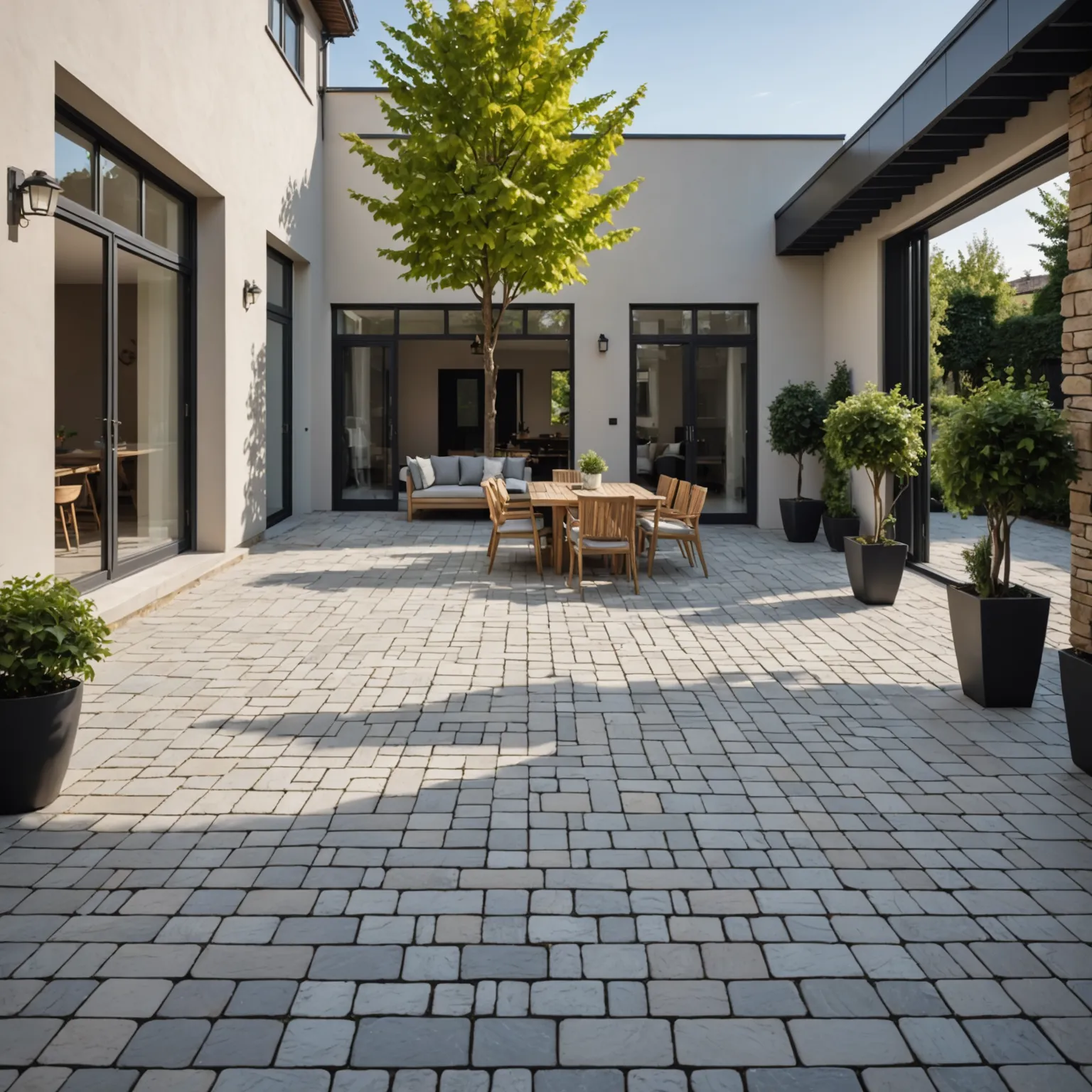
Using pebbles for paths and walkways
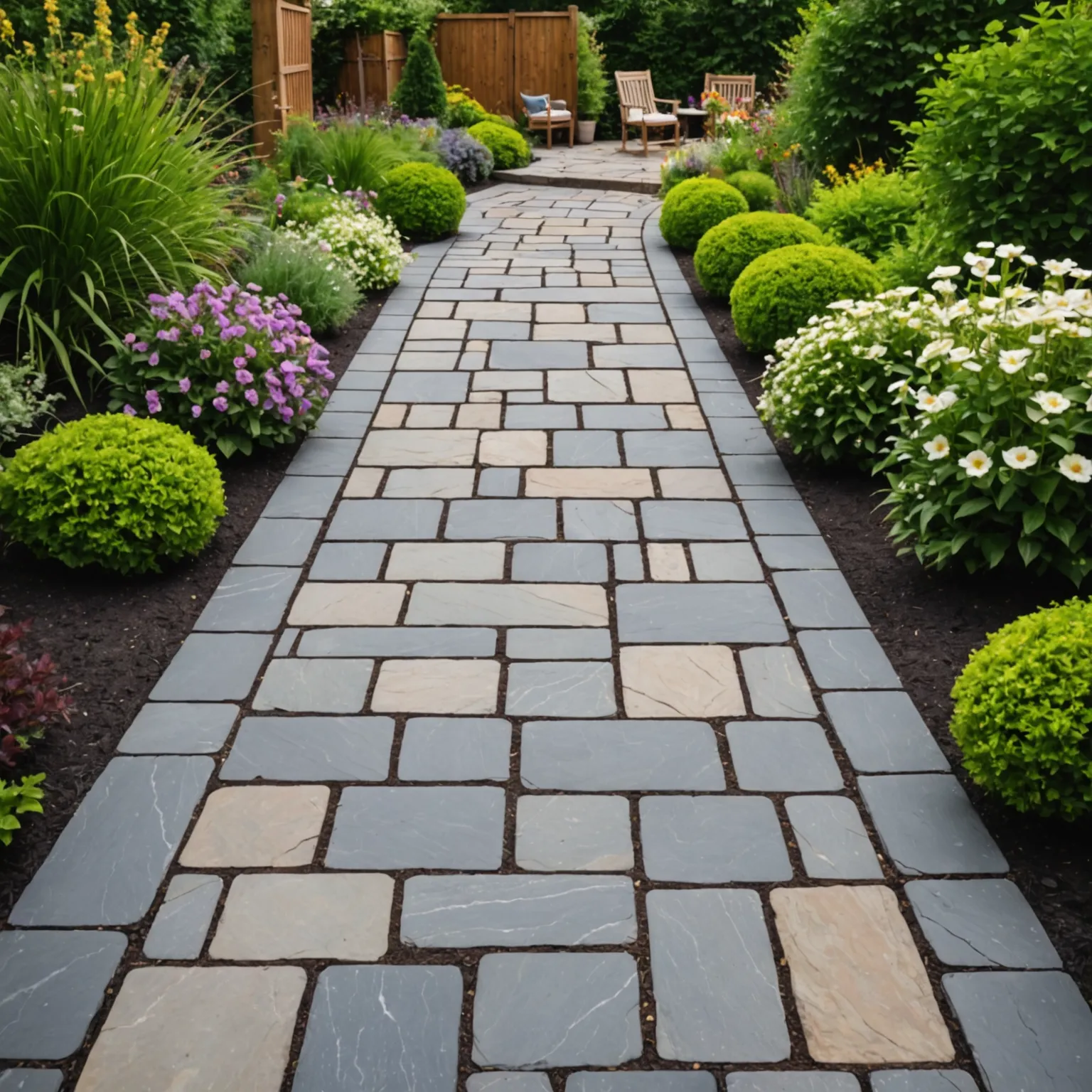
Pebble paths remain popular because of their adaptability. They work equally well for straight connections between zones and for winding garden trails. With a properly prepared base, such surfaces remain stable and attractive for years.
Pebbles are often combined with stone slabs or stepping stones. This improves walking comfort while maintaining effective drainage. Compared to continuous paving, the result feels lighter and more integrated with the landscape.
For long-term stability, the correct fraction size and layer thickness are essential. Smaller pebbles compact more tightly, while larger ones are better suited for decorative areas. It is also important to consider adjacent materials, including natural facade stone.
Over time, pebble paths are easy to refresh. Adding material or adjusting the layout is simple, making this solution ideal for landscapes that evolve together with the house.
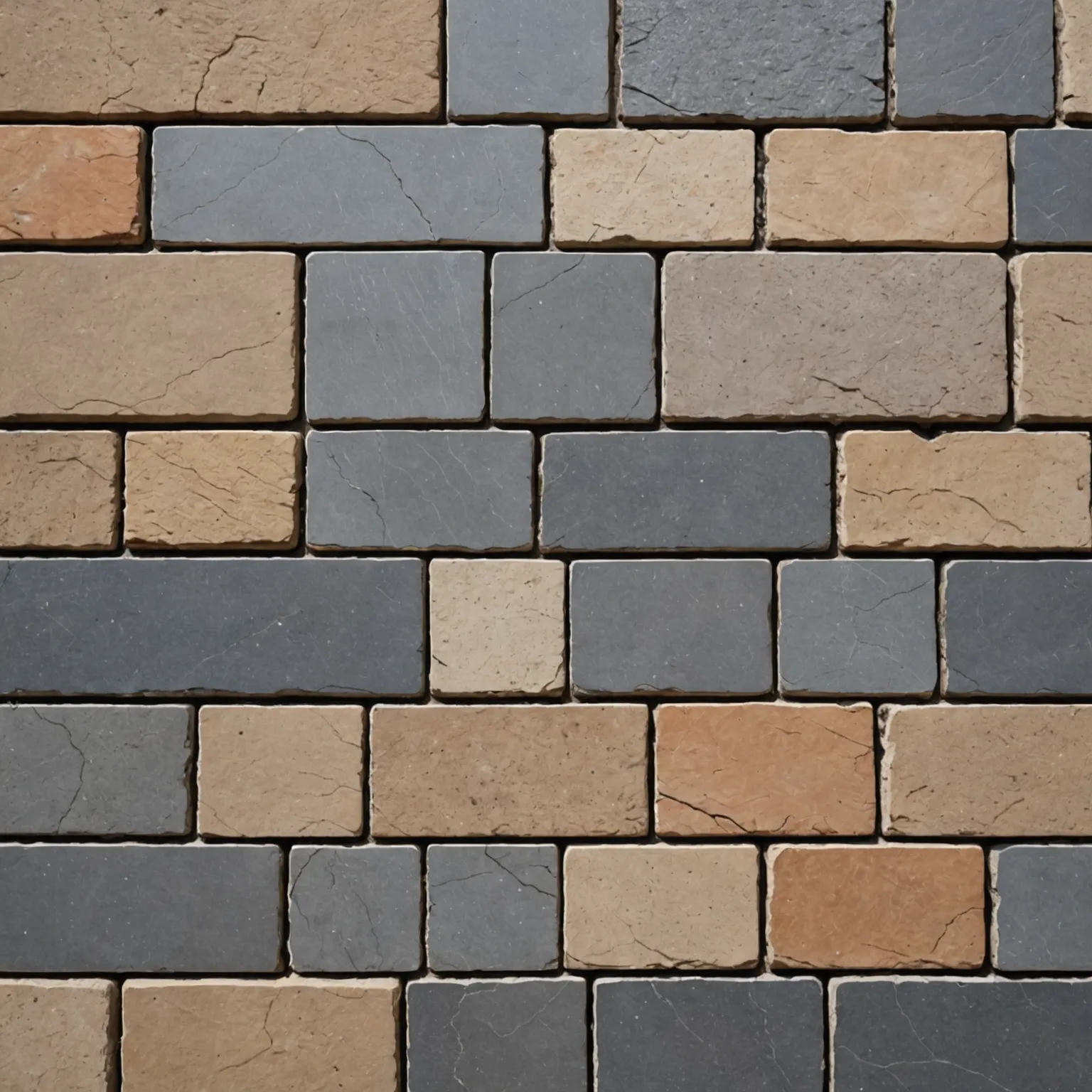
Pebbles in leisure areas and around the house
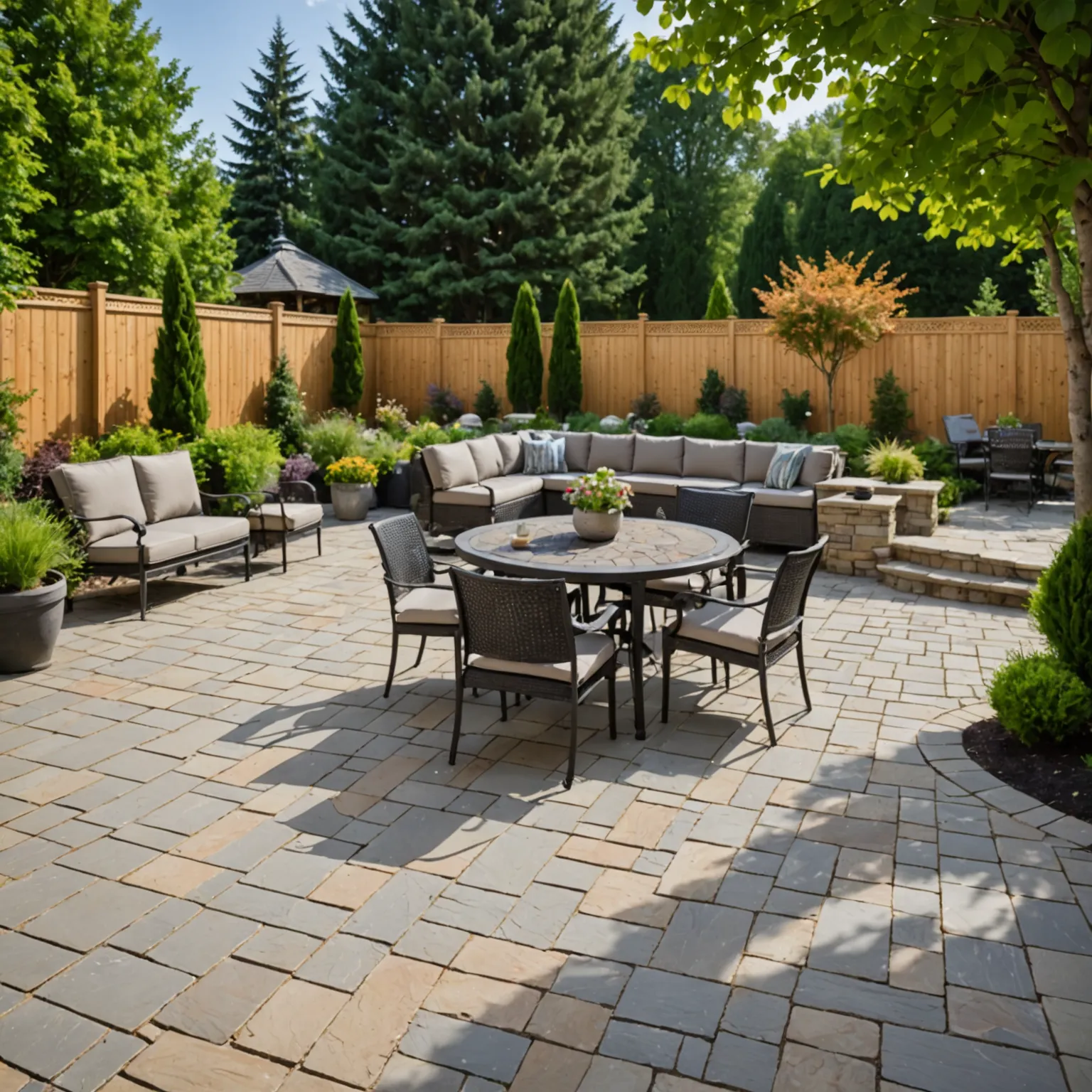
Terraces, patios, and relaxation zones require materials that do not overload the space visually. Pebbles provide a calm surface around outdoor furniture and decorative elements. They also absorb less heat than concrete or ceramic tiles.
Around the house perimeter, pebbles are often used as a drainage strip along the facade. This helps protect walls from splashes and improves water runoff. Even without complex design features, the area looks tidy and well maintained.
In modern architectural projects, pebbles emphasize building geometry without distracting from the structure itself. They work well with natural materials and solutions presented on the company website.
If there are questions about fraction size or material volume, it is best to clarify details in advance through professional consultation. This helps avoid mistakes before installation begins.
Observation from installers: in areas with constant foot traffic, pebbles perform more reliably than expected. With a properly prepared base, they maintain their shape and appearance for many years.
In a thoughtfully planned landscape, pebbles rarely serve a single purpose. They are introduced where visual restraint, drainage, and long-term stability matter more than decorative effect. In these quieter zones, pebbles work in the background, supporting the space rather than drawing attention to themselves.
Pebbles in drainage and technical areas
One of the primary roles of pebbles is water management. They are commonly used where rainwater needs to be dispersed naturally without complex engineering systems. Typical locations include areas beneath downspouts, along terrace edges, and near retaining walls.
The structure of a pebble layer allows water to pass through instead of pooling on the surface. Even after heavy rainfall, these zones remain usable and dry to the touch. This makes pebbles especially valuable in regions with frequent precipitation.
In technical areas, pebbles are often laid over geotextile fabric. This prevents mixing with soil and preserves drainage performance over time. The surface remains neat and does not require additional masking with plants or borders.
On unstable or clay-heavy soils, pebbles behave more predictably than rigid surfaces. They adapt to seasonal ground movement without cracking or lifting, reducing the need for ongoing repairs.
Decorative accents and dry creek beds
Dry creek beds made of pebbles have become a classic landscape feature. They mimic the appearance of a natural stream while providing an effective drainage channel. This element fits equally well in modern yards and more natural garden settings.
Designers often use multiple pebble sizes or subtle color variations to create depth. Even without water, the composition suggests movement and flow. In sunlight, the stone surface changes tone, adding visual interest throughout the day.
Such features are frequently combined with larger stones or slabs to frame the composition. Pebbles act as a visual transition between solid surfaces and planted areas, softening the overall appearance.
Maintenance remains minimal. Occasional removal of leaves and slight reshaping are usually sufficient to keep the feature intact for years.
Combining pebbles with plants
Pebbles are often used as a mineral mulch around plants. They help retain soil moisture and protect roots from overheating during summer. Unlike organic mulch, pebbles do not decompose or require replacement.
From a visual perspective, pebble mulch highlights the form of shrubs and ornamental grasses. This approach works especially well in minimalist and Japanese-inspired gardens, where texture contrast is key.
The choice of pebble size depends on planting type. Smaller fractions suit young plants, while medium or larger pebbles work better around mature trees. This balance improves both irrigation and maintenance.
An additional benefit is cleanliness. After rain, soil does not splash onto leaves or walls, keeping both plants and nearby structures looking tidy.
Pebbles in high-traffic zones
Despite their simple appearance, pebbles can perform well in areas with regular use. These include service paths, access routes along the house, and maintenance walkways. In such places, reliability matters more than visual impact.
With a properly prepared base, pebbles do not shift excessively or form ruts. Hidden edging systems help keep the material contained without visible borders. Compared to paving, this solution is easier to adjust over time.
In climates with freezing winters, pebbles respond well to temperature changes. They do not crack or lift in sheets, which reduces seasonal damage and repair costs.
For this reason, pebbles are often used alongside other stone elements, as seen in completed projects within the project gallery.
Color and fraction: making the right choice
Pebble color strongly influences the overall perception of the site. Light tones visually expand space but show dirt more quickly. Darker shades create contrast and pair well with greenery and light-colored facades.
Fraction size affects both appearance and usability. Smaller pebbles compact more tightly and suit walking areas. Larger fractions are typically reserved for decorative or accent zones.
Architectural style and surrounding materials should guide the selection. Pebbles should support the design concept rather than stand apart from it. There is no universal solution for every site.
Experience shows that viewing the material in real conditions is essential. Light, moisture, and nearby surfaces can significantly change how color is perceived.
Comparing pebbles with other materials
When choosing a surface material, pebbles are often compared with paving slabs, crushed stone, or concrete. Each option has strengths and limitations that should be considered early in the planning process.
Pebbles excel where permeability and a natural appearance are required. They are less rigid than paving but adapt better to soil movement. In drainage and decorative zones, this flexibility is a major advantage.
Compared to crushed stone, pebbles are safer and more comfortable underfoot. The absence of sharp edges makes them suitable for residential environments.
Concrete surfaces demand precise installation and joint maintenance. Pebbles, by contrast, allow gradual adjustments without dismantling the entire structure.
| Material | Drainage | Maintenance | Soil Adaptation |
|---|---|---|---|
| Pebbles | High | Low | Good |
| Paving slabs | Low | Medium | Limited |
| Crushed stone | High | Medium | Good |
Practical advice: if the property is located in a low-lying area, start planning with drainage zones. Pebbles in these locations manage water effectively while keeping the space visually clean.
Mini case: on a site with heavy clay soil, pebbles were used under downspouts and along service paths. After two seasons, standing water disappeared and no surface repairs were required.
- Pebbles combine drainage performance with a restrained visual effect.
- The material adapts well to challenging soils and terrain.
- Correct fraction choice directly affects comfort and durability.
- Pebbles reduce long-term maintenance demands.
FAQ
Are pebbles suitable for sloped areas?
Pebbles can be used on sloped terrain when the base is properly prepared. Geotextile layers and hidden edging systems help keep the material in place. On steeper slopes, pebbles are often combined with terraces or larger stone elements to improve stability.
Is it comfortable to walk barefoot on pebbles?
Walking barefoot on small to medium pebbles is generally comfortable if the surface is well compacted. Larger fractions are better suited for decorative zones. In walkways, mixed solutions with stepping stones are often used.
How often do pebble surfaces need renewal?
When installed correctly, pebble surfaces last many years without full replacement. Occasional topping up may be needed in high-traffic areas. Decorative zones can remain unchanged for decades.
Are pebbles better than paving for drainage?
Pebbles provide superior drainage because water passes directly into the soil. Paving offers a smoother walking surface but restricts water flow. The choice depends on whether drainage or surface uniformity is the priority.
Can pebbles be used near foundations?
Pebbles are commonly used along foundations to reduce splashback and improve water runoff. Proper slope away from the wall and a geotextile layer are essential. This solution helps keep facades cleaner over time.
How do you calculate the required volume of pebbles?
The required volume depends on surface area and layer thickness. A reserve of 10–15 percent is usually added for compaction. For complex layouts, consulting specialists before ordering is recommended.
Do pebbles perform well in freezing climates?
Pebbles handle freeze-thaw cycles well because they are not rigidly bonded. With proper drainage, the surface remains stable through multiple winters without cracking or lifting.
Can pebbles be combined with other materials?
Combining pebbles with slabs, paving stones, and larger rock elements is a practical approach. It improves zoning and walking comfort while preserving a natural appearance.