
 Kiev, ave. Lobanovsky, 14


 +3 80 (50) 433-01-01
 Video
Video 3D Tour
Interior Design Trends Using Natural Stone
The role of natural stone in interiors continues to shift toward thoughtful architectural integration. Rather than acting as decoration, stone increasingly defines spatial structure. It establishes scale, rhythm, and a sense of physical presence that other materials cannot replicate.
Designers often limit the number of accent elements intentionally. Instead of multiple decorative details, one or two stone surfaces are chosen to carry visual weight. This approach results in calm, cohesive interiors without visual overload.
Stone as an architectural element
Natural stone is frequently used to shape interior architecture. Accent walls, niches, and transitions between functional zones are common applications. Stone allows spaces to be divided without physical partitions.
In large rooms, stone emphasizes scale and depth. It visually anchors interiors with panoramic glazing, preventing them from feeling empty or cold. The space gains balance and structure.
In apartments, stone is often introduced in entrance areas. It handles daily wear well and immediately sets a solid, grounded tone. Such interiors feel intentional and well-designed.
For these solutions, designers often select products made from natural marble, where precise geometry is just as important as texture.
Combining stone with other materials
Combining stone with wood and metal has become a stable design strategy. The contrast between warm and cool materials creates balance and visual interest. Stone supports the concept without overpowering it.
Metal elements emphasize stone structure, particularly in contemporary interiors. Matte metal surfaces enhance depth and avoid competing with natural textures. This approach is common in kitchens and living rooms.
Wood softens the presence of stone. Species with pronounced grain echo natural stone patterns, making the interior more tactile and inviting.
In open-plan layouts, stone often becomes the linking element that visually unites different zones.
Current wall and floor formats
Small-format stone tiles are gradually being replaced by large slabs with minimal joints. This creates visual continuity and cleaner lines.
For floors, matte or honed finishes are preferred. They are less slippery and feel more natural underfoot. Such solutions are well suited for residential spaces.
On walls, stone is frequently used selectively, for example behind a sofa or fireplace. This maintains visual balance while preserving lightness.
These techniques have long been used in public interiors and are now increasingly adopted in private homes.
Practical considerations when choosing stone
Beyond appearance, operating conditions must be considered. Different stone types react differently to moisture, temperature, and mechanical stress. These factors directly affect longevity.
Surface treatment also plays a major role. Proper finishes reduce staining and simplify maintenance, which is especially important in kitchens and entryways.
Evaluating samples under different lighting conditions is essential. Stone can look dramatically different in warm and cool light, a detail often overlooked.
For complex projects, consulting professionals with hands-on experience is strongly recommended.
Comparison of common solutions
| Solution | Visual effect | Practicality |
|---|---|---|
| Stone wall | Depth and focus | High |
| Stone flooring | Spatial continuity | Very high |
| Partial cladding | Local accent | Medium |
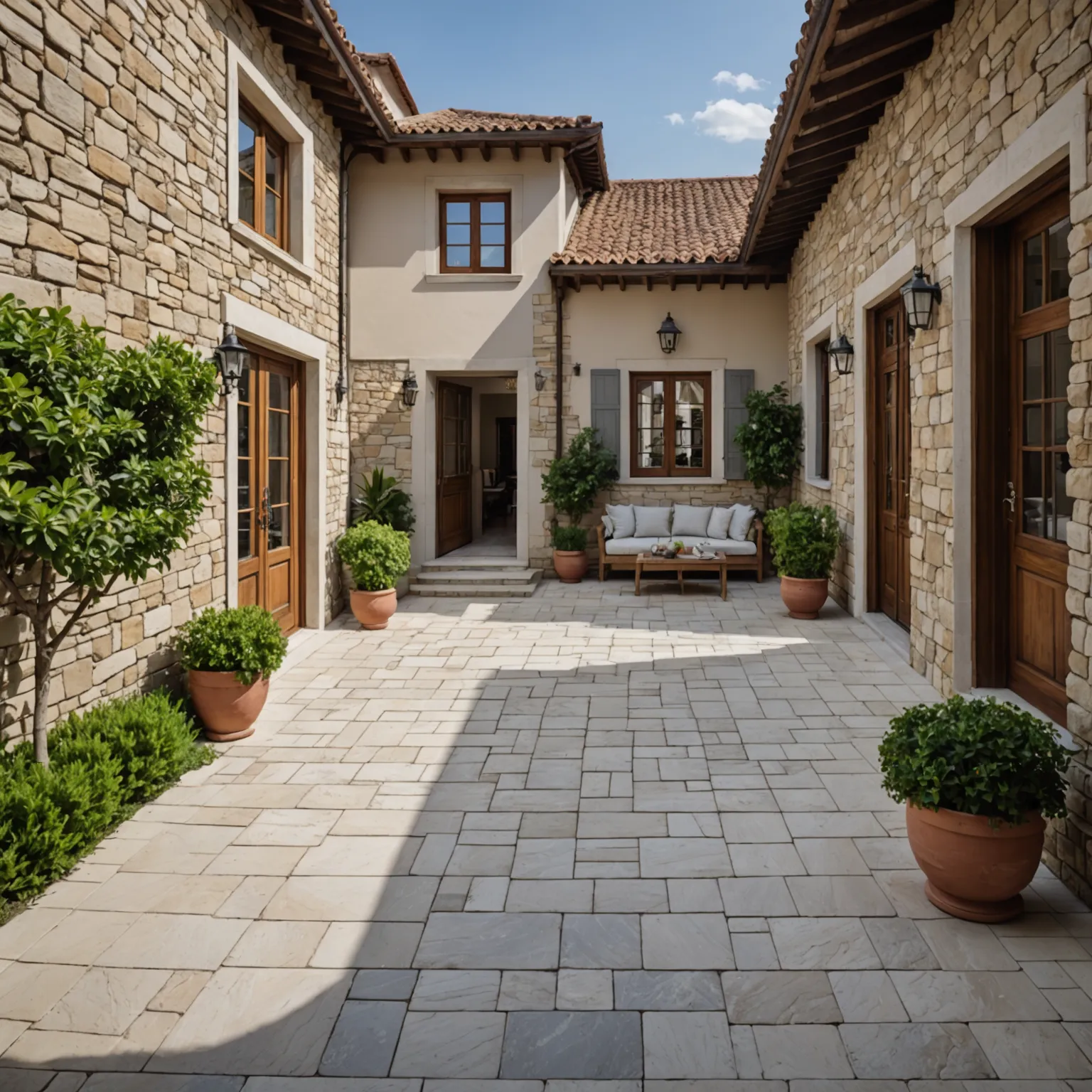
Practical advice: when in doubt about color, choose a slightly lighter tone. In finished interiors, stone almost always appears darker than in showrooms.
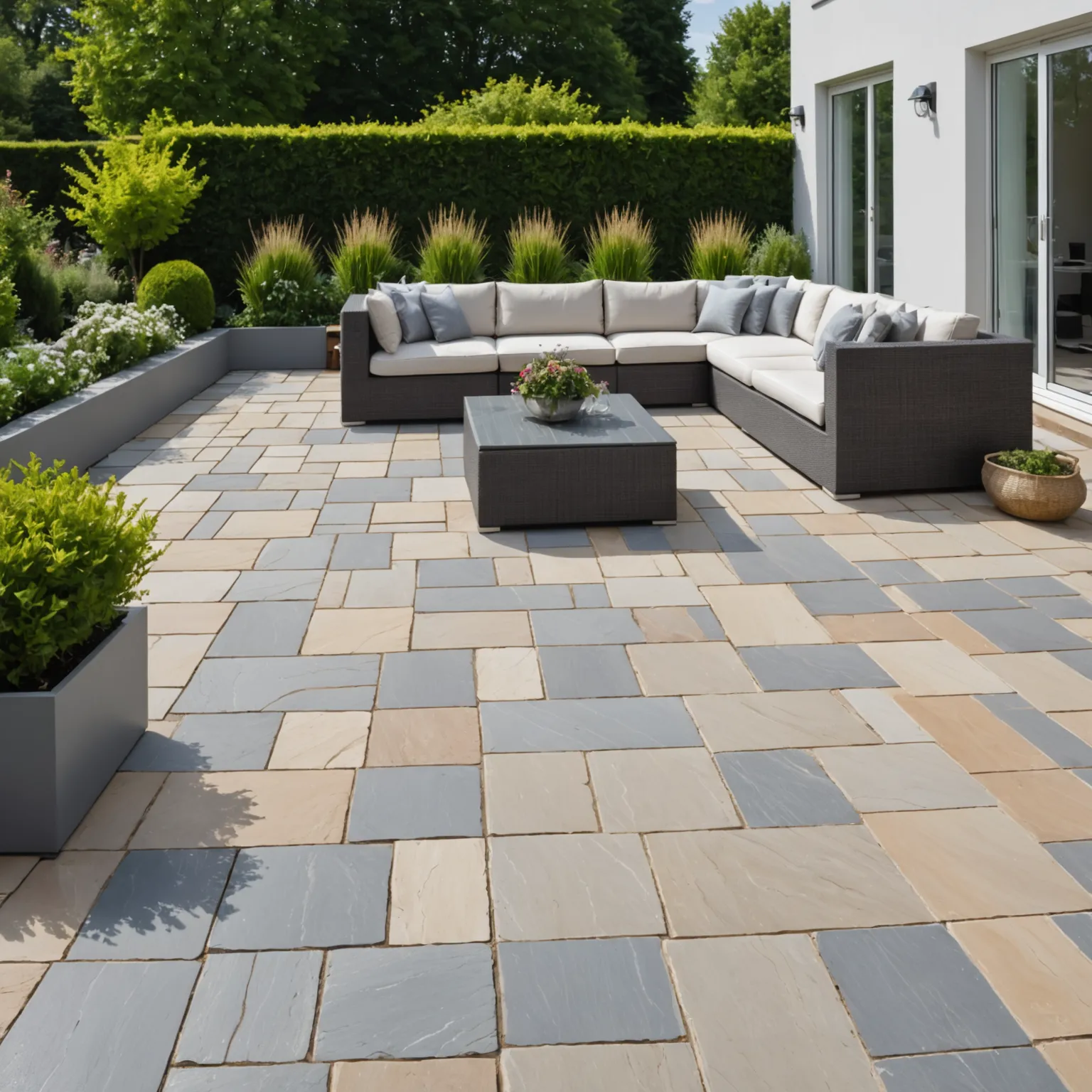
Mini case: in an open-plan apartment, stone was used only on one living room wall and in the entrance zone. This visually unified the space without adding unnecessary details.
- Natural stone increasingly defines interior architecture.
- Texture and lighting shape material perception.
- Large formats are replacing small tiles.
- Combinations with wood and metal enhance balance.
FAQ
Is natural stone suitable for residential interiors?
Natural stone is well suited for residential spaces when the correct type and finish are selected. It withstands daily use and maintains its appearance for many years. However, operating conditions and maintenance requirements should always be considered.
Is stone difficult to maintain indoors?
Maintenance is straightforward but requires appropriate products. Regular cleaning with mild agents is usually sufficient. Harsh chemicals should be avoided to preserve surface integrity.
Can stone be used in small spaces?
Yes, when used selectively. On one hand, stone adds depth; on the other, excessive use may visually weigh down small rooms. Accent applications work best.
How does stone affect indoor climate?
Stone has high thermal mass, helping stabilize indoor temperatures. It heats and cools slowly, contributing to a comfortable microclimate. It also does not trap odors or dust.
Does stone require protective treatment?
In most cases, protective treatments are recommended. They reduce absorption and simplify cleaning. The exact solution depends on stone type and usage conditions.
Is natural stone safe for homes with children?
On one side, stone is durable and damage-resistant. On the other, it remains a hard surface, so its use in children’s areas should be limited. Matte finishes are often preferred.
Where can I get professional advice on stone selection?
It is best to consult specialists with practical experience. You can reach experts via the contact page for tailored recommendations.
How can I be sure stone will fit my interior?
Evaluate stone samples in person under different lighting conditions. Place them near walls and floors and observe them at various times of day. This approach minimizes unexpected results.
For visual inspiration and real project examples, explore the gallery of completed interiors.


