
 Kiev, ave. Lobanovsky, 14


 +3 80 (50) 433-01-01
 Video
Video 3D Tour
New Technologies in Natural Stone Processing
Only a few decades ago, natural stone processing was associated with heavy manual labor, long production times, and limited design possibilities. Today, the situation has changed dramatically. Modern technologies make it possible to work with stone accurately, efficiently, and carefully, revealing its natural qualities without compromising strength or aesthetics.
New processing methods have made natural stone more accessible to architects, designers, and private clients. The material is no longer perceived as exclusively monumental — it is now widely used in private interiors, facades, landscape projects, and complex architectural solutions.
Technological progress has not diminished the value of stone itself. On the contrary, it has enabled more rational use of natural resources, reduced waste, and ensured consistent quality from batch to batch.
Modern stone processing technologies: their main advantage lies in precision and control. New methods preserve natural texture, improve performance characteristics, and expand the applications of natural stone in construction and design.
Precision cutting and digital processing
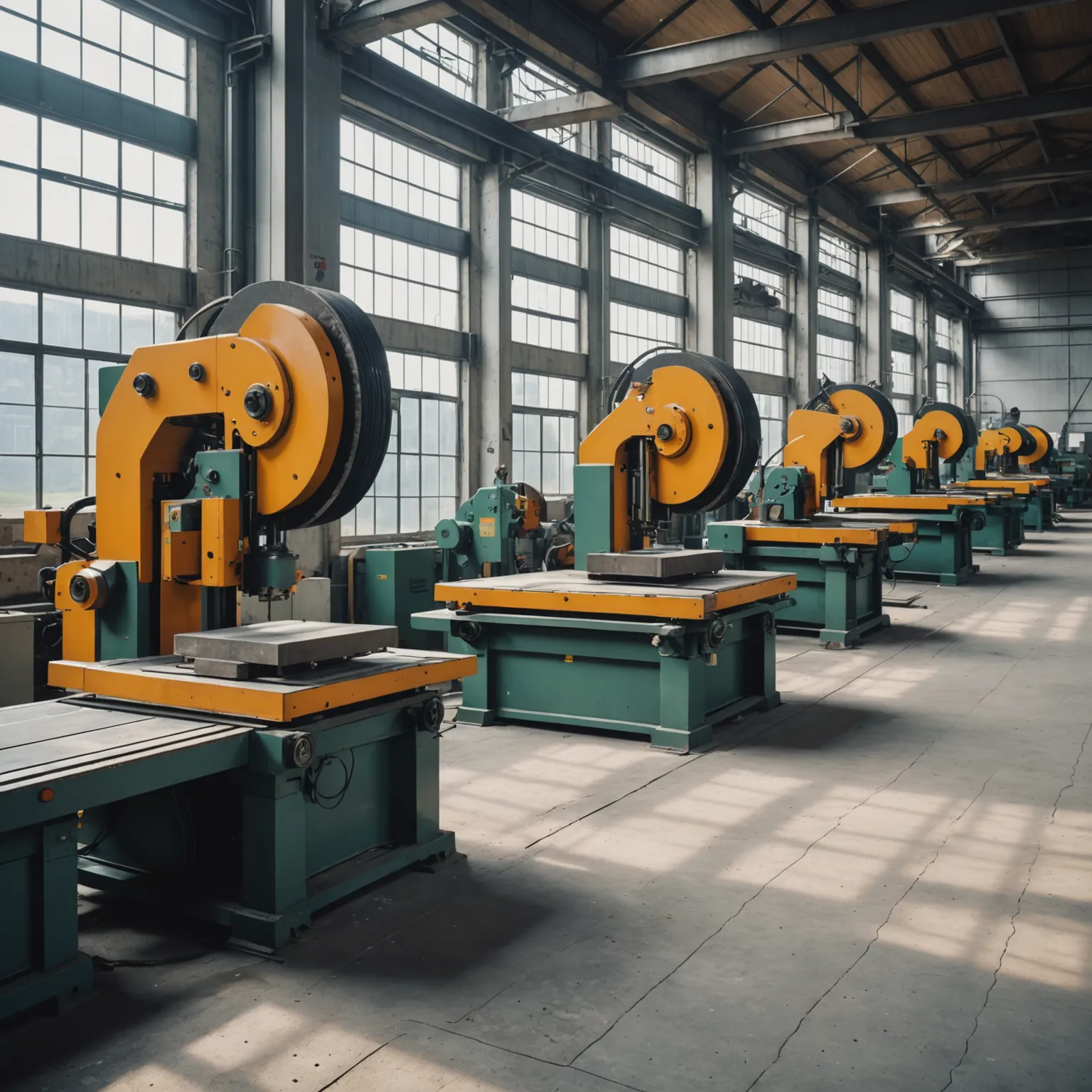
One of the key breakthroughs has been the introduction of CNC-controlled machinery. These systems provide millimeter-level accuracy and allow the creation of complex shapes that were previously difficult or extremely costly to produce.
Digital processing minimizes human error. Stone is cut strictly according to programmed paths, which is especially important when working with large-format slabs or serial elements.
This opens new possibilities for manufacturing stairs, window sills, facade panels, and decorative details with consistent geometry.
Such technologies are actively used when working with materials of varying density, including sandstone and quartzite.
Advanced grinding and polishing techniques
Grinding is no longer limited to basic surface treatment. Modern abrasive systems allow for a wide range of finishes — from deeply matte to mirror-polished surfaces.
Controlled polishing increases wear resistance and simplifies maintenance while preserving the stone’s natural pattern.
Different finishes are selected for different areas. Satin or honed surfaces are commonly used in high-traffic zones, while polished finishes emphasize decorative elements.
These technologies are widely applied both indoors and outdoors, including projects with slate roofing tiles.
Thermal and textured surface treatment
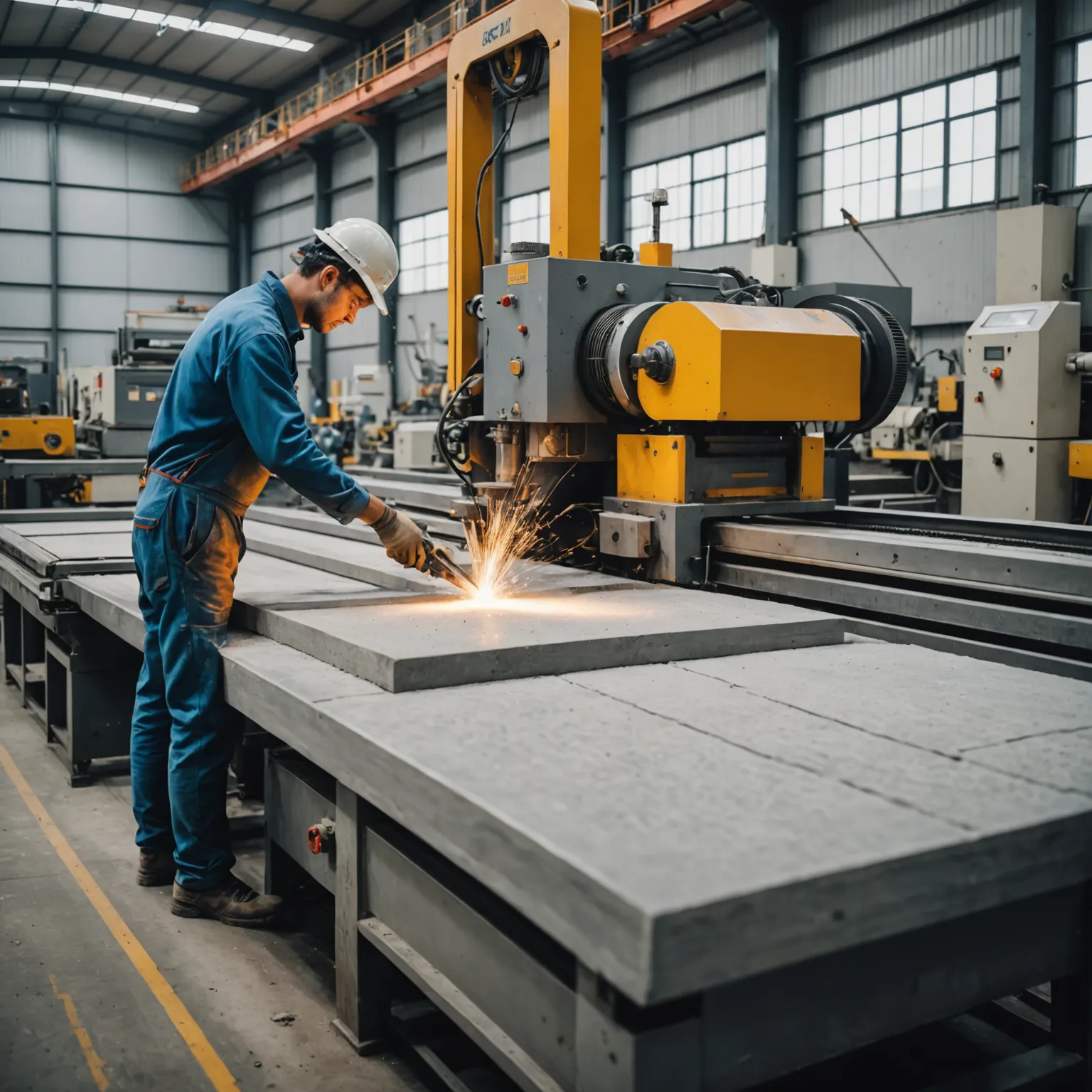
Thermal treatment has become an important stage in modern stone processing. Under high temperatures, the surface becomes textured and acquires anti-slip properties.
This method is widely used for outdoor paving, steps, and terraces. The stone retains its strength while becoming safer in everyday use.
Textured processing also allows the creation of split-face or aged effects, which are especially popular in architectural projects with a natural or historical aesthetic.
Examples of such applications can be found in the project gallery.
Environmental responsibility and efficient resource use
Modern technologies focus not only on quality but also on sustainability. Optimized cutting processes significantly reduce material waste.
Water-cooling systems and dust extraction improve working conditions and reduce environmental impact.
Rational use of stone makes natural materials a more sustainable long-term solution.
An additional advantage is the opportunity to purchase high-quality materials under favorable conditions, including offers from the sales section.
New opportunities for architecture and design
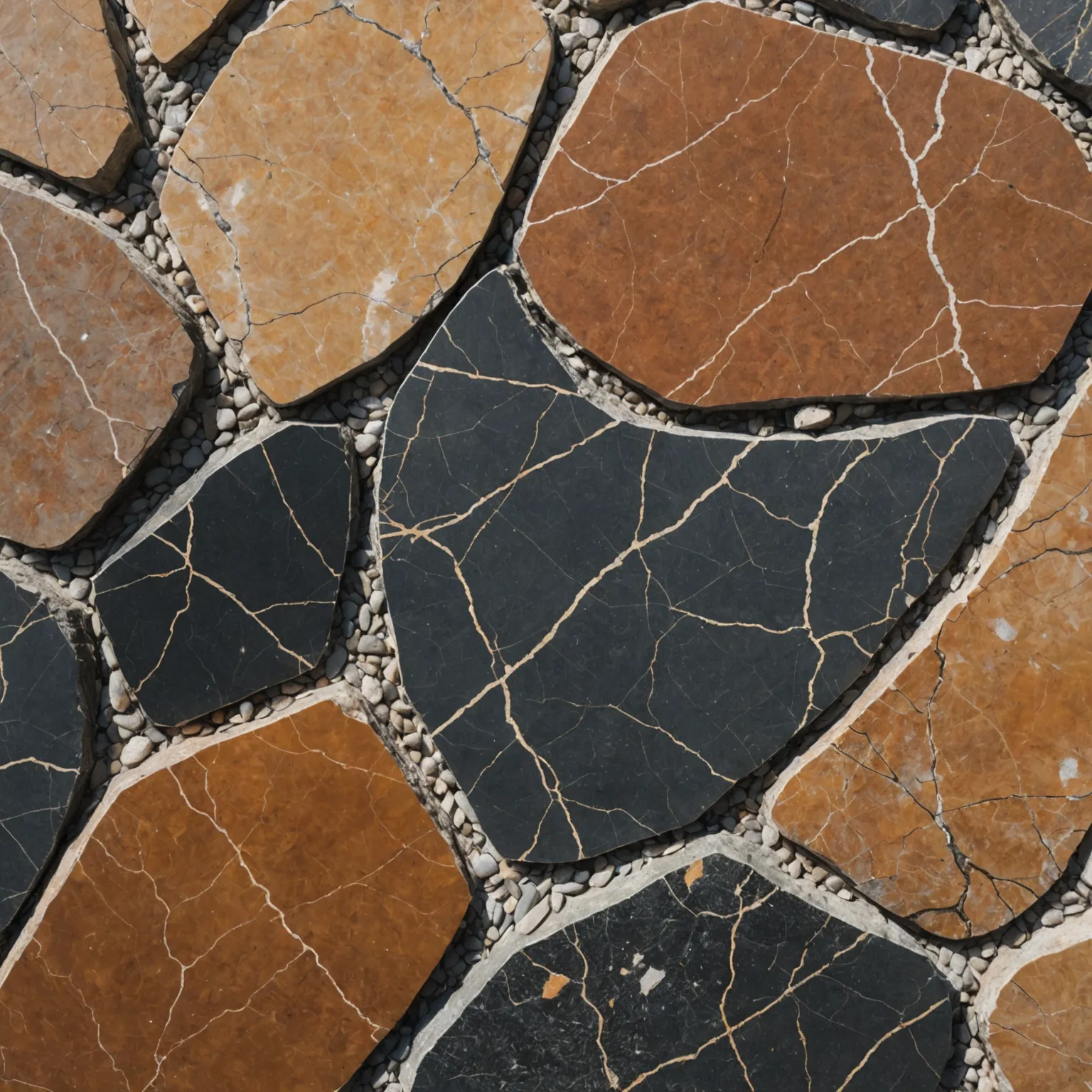
Modern processing methods have significantly expanded the role of natural stone in projects of any complexity. Architects now have the freedom to design non-standard forms without compromising durability.
Designers actively combine multiple finishes within a single space, adding depth and character to interiors.
Private clients gain access to solutions that were once reserved for large public buildings.
To choose the right material and processing technology, it is important to consider usage conditions. Professional advice is available via the contact page.
Innovative protective sealers and surface treatments
One of the most important advances in stone processing is the development of next-generation protective sealers. These products penetrate the stone structure without forming a visible surface film.
They reduce water absorption, protect against household stains, and make regular maintenance easier while preserving the stone’s natural appearance.
Different sealers are used for different conditions: interior solutions focus on protection from liquids and oils, while exterior treatments enhance resistance to moisture, frost, and temperature fluctuations.
Such protection is especially valuable for decorative and complex elements where frequent cleaning is difficult.
Automation and serial production of stone products
Automated processing lines have enabled a transition from one-off production to stable serial manufacturing of natural stone elements. This is essential for large-scale projects with repeating components.
Modern equipment ensures consistent quality for every piece, regardless of batch size. This reduces installation risks and improves on-site efficiency.
Serial production is widely used for tiles, facade systems, steps, and cladding panels.
As a result, natural stone has become a viable solution not only for private homes but also for commercial and public spaces.
Combining technologies for complex projects
Modern projects rarely rely on a single processing method. Cutting, grinding, thermal treatment, and protective sealing are often combined.
This approach allows stone to be adapted to specific tasks — improving safety, enhancing visual impact, or simplifying maintenance.
Combining technologies is especially valuable in architecture, where the same material is used both indoors and outdoors.
Thoughtful integration of methods makes natural stone a versatile material for different zones within one project.
Practical value of modern technologies for clients
For end users, technological progress means predictable results. Stone can be precisely selected according to actual operating conditions.
Advanced processing reduces maintenance costs and extends the service life of stone products — particularly important for floors, facades, and entrance areas.
Another key benefit is quality consistency. Clients receive exactly the result envisioned at the design stage.
Completed solutions and finish options can be reviewed in the gallery of finished projects.
The future of natural stone processing
Stone processing technologies continue to evolve toward greater precision and sustainability. Digital modeling is already used to predict processing results before production begins.
In the future, even more attention will be paid to waste reduction and reuse of material without compromising quality.
Natural stone is becoming an integral part of sustainable construction, where durability and responsible resource use are top priorities.
To select the right stone and processing method, professional consultation is recommended via the company contacts.
Technologies evolve, but the value of natural stone remains unchanged — durability, natural beauty, and a sense of reliability that cannot be replicated by artificial materials.
FAQ
How do modern stone processing technologies differ from traditional methods?
Modern technologies provide significantly higher precision, stable quality, and the ability to create complex shapes without damaging the stone’s structure. This expands the range of applications for natural stone in architecture and design.
Does advanced processing affect the strength of natural stone?
When the correct technology is chosen, processing does not reduce the stone’s strength. In many cases, it actually improves performance characteristics such as wear resistance and surface stability.
Can different processing techniques be combined in one project?
Yes, combining cutting, polishing, thermal treatment, and protective sealing allows stone to be adapted to different functional zones while maintaining a consistent architectural style.
Are modern stone processing technologies environmentally friendly?
Contemporary processes are designed to minimize waste, optimize resource usage, and improve working conditions. This makes modern stone processing significantly more sustainable than traditional methods.
Where can I see examples of finished stone projects?
You can explore real-life applications and surface finishes in the project gallery, which showcases a wide range of completed architectural and design solutions.
- Modern stone processing ensures high precision and consistency.
- Advanced finishes improve durability and ease of maintenance.
- Technologies allow safe indoor and outdoor applications.
- Natural stone fits modern sustainable construction principles.


