
 Kiev, ave. Lobanovsky, 14


 +3 80 (50) 433-01-01
 Video
Video 3D Tour
New Methods for Natural Stone Processing: An Overview of Solutions
Early morning after the rain. The stone steps at the entrance are still cold, the surface slightly darkened by moisture, and the facade looks different than it did a few years ago. It’s the same stone, but the edges are sharper, the texture deeper, and the joints noticeably neater. This is not a coincidence and not a cosmetic repair. This is how projects look today when modern technologies in natural stone processing are applied.
In the past, differences between slabs were visible immediately: uneven thickness, small chips, rough edges. Today, most of these issues are eliminated at the production stage. Advanced processing methods make stone more predictable both during installation and throughout its service life.
For a homeowner, this is not about trends. It’s about results. How the facade will look after five winters, whether the surface will darken unevenly, and how long it will take before the first repair becomes necessary.
New technologies in natural stone processing: the main challenge today is not choosing the stone type, but understanding how it is processed. Modern methods solve problems of unstable geometry and rapid surface wear. As a result, the owner gets stone that retains its appearance longer and requires less maintenance.
How precision in stone processing has changed
Not so long ago, most operations were semi-manual. The final result depended heavily on the craftsman’s experience and the condition of the equipment. Today, digital control and CNC cutting are increasingly used, ensuring consistent thickness and clean, even edges.
This is especially noticeable in plinths and staircases. The stone fits without on-site adjustments, joints are uniform, and loads are distributed evenly. Visually, surfaces look calmer and more cohesive.
Precision is equally critical for complex shapes such as curved steps, portals, and reveals. Modern processing allows geometry to be calculated in advance, avoiding improvised corrections during installation.
As a result, installation time is reduced and material waste is minimized. This has a direct impact on the overall project budget, especially when working with premium stone.
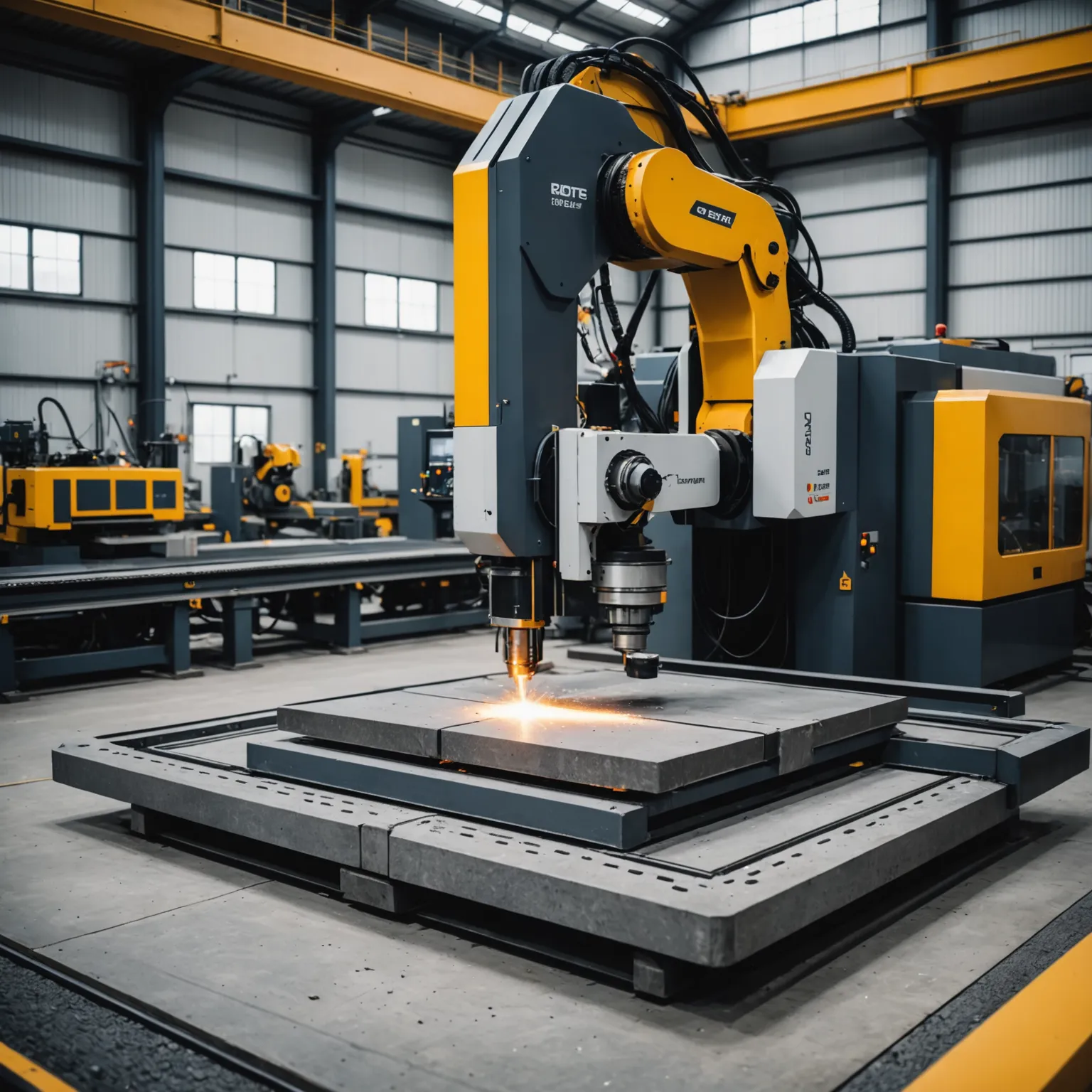
Modern approaches to surface texture formation
Today, stone texture is no longer defined by nature alone. Technology allows control over roughness, relief depth, and even the direction of the natural pattern. This significantly expands how one material can be used.
The same sandstone can appear bold and rugged on a facade, yet restrained and refined indoors. The decisive factor is the processing method rather than the stone type itself.
Combined textures are particularly востребed, where the visible face has pronounced relief while the back remains perfectly flat. This simplifies installation and reduces demands on adhesives.
Such solutions are often chosen for projects involving stone facade cladding, where both appearance and long-term durability are critical.
Improving wear resistance without altering appearance
One of the key goals of modern processing is to protect stone without stripping it of its natural character. This is not about coatings or films, but about changing how the surface behaves at a structural level.
The stone absorbs less moisture, darkens more slowly, and is easier to clean after winter. This is especially important for light-colored stones and exposed outdoor areas.
At the same time, the surface remains vapor-permeable, which is crucial for facades and plinths. Moisture does not become trapped inside the material.
In practice, this means simpler maintenance and a stable appearance over time, even when choosing materials from special offer sections, where processing quality matters as much as price.
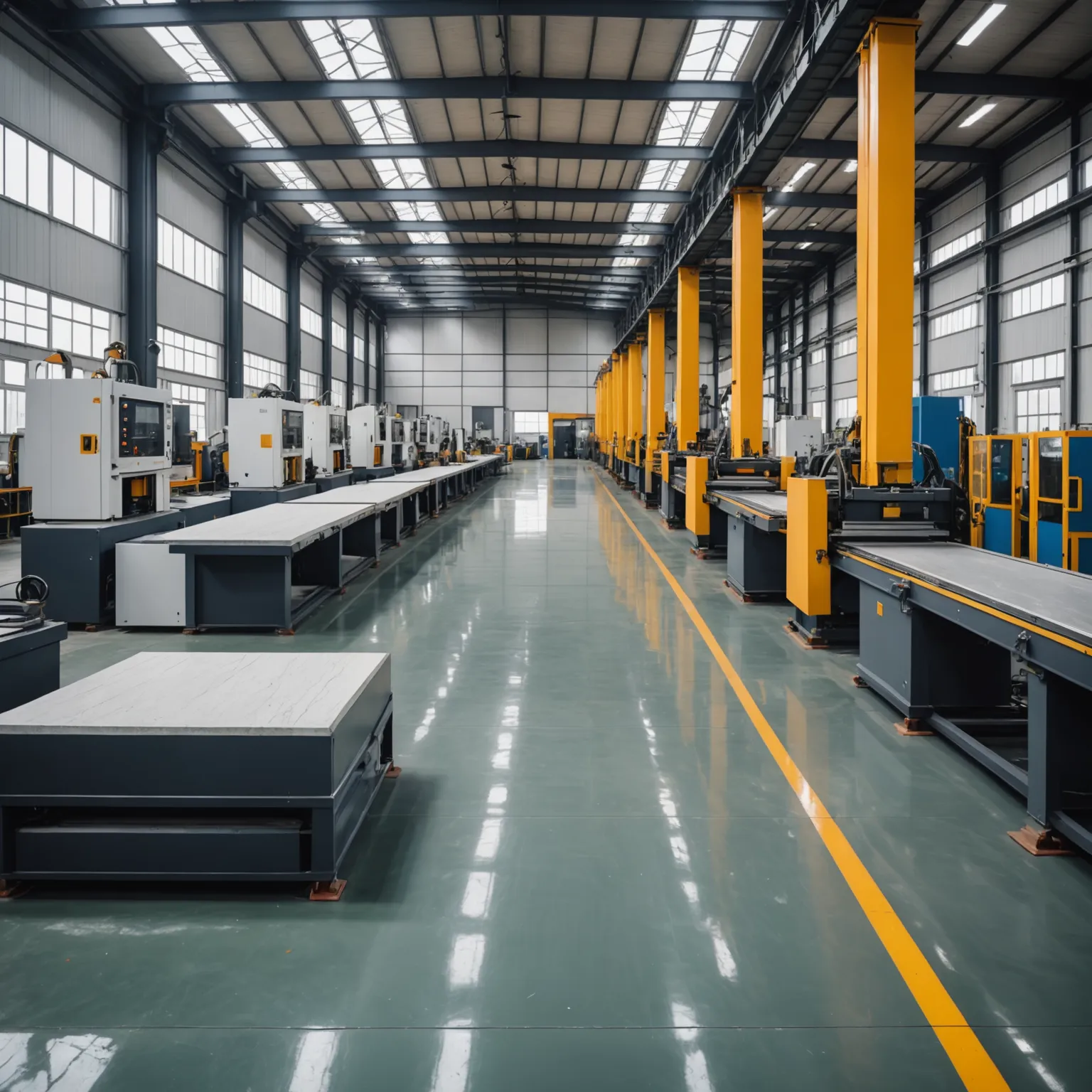
Craftsmen observe that properly processed stone stops being a capricious material. It behaves predictably and does not require constant adjustments after installation.
Special attention is now given to edges and ends. These areas used to be weak points, prone to chipping and accelerated wear. Modern techniques reinforce them without adding unnecessary mass.
For private homes, this means a consistently neat appearance for many years. The stone retains its shape even in areas exposed to moisture and frost.
When selecting material, it is important to consider not only the stone type but also the processing method. This is particularly relevant for materials like sandstone and quartzite, where technological differences become noticeable after just a few seasons.
Modern technologies make natural stone more controllable and predictable. This is increasingly becoming the deciding factor when choosing materials for facades, entrances, and private courtyards.
Once precision and surface texture are under control, operational details come to the forefront. This is where modern natural stone processing technologies show their full value. Stone stops being a demanding material that needs constant compromises and starts working as a reliable construction solution.
Stone processing for facades and outdoor exposure
A facade is constantly exposed to moisture, dust, ultraviolet light, and temperature fluctuations. Modern processing methods take these factors into account long before installation begins. Stone is prepared to minimize internal stress and reduce the risk of microcracks.
Special attention is paid to structural uniformity. This reduces the chance of local damage caused by freezing moisture inside the stone. Visually, the material looks natural, but its behavior over time becomes far more stable.
In regions with sharp seasonal changes, this stability is critical. What used to be a weak point of natural stone is now addressed through controlled processing techniques.
As a result, facades maintain a clean and consistent appearance without frequent repairs or partial replacements.
Advanced cutting and calibration methods
Stone cutting is no longer a rough mechanical process. Modern equipment allows elements to be produced with minimal dimensional deviation. This is especially important for modular layouts and complex installation patterns.
Thickness calibration makes it possible to combine different batches of stone without installation issues. Adhesive layers remain even, and structural loads are distributed predictably.
This is particularly noticeable when working with dense materials that previously required manual adjustment of almost every piece.
For contractors, this translates into faster installation and fewer unexpected delays on site.
Geometric control of complex elements
Steps, window sills, parapets, and portals require precise geometry. Modern processing allows the shape to be defined at the production stage and preserved along the entire element.
This significantly reduces the workload during installation and minimizes the risk of errors that once had to be corrected manually.
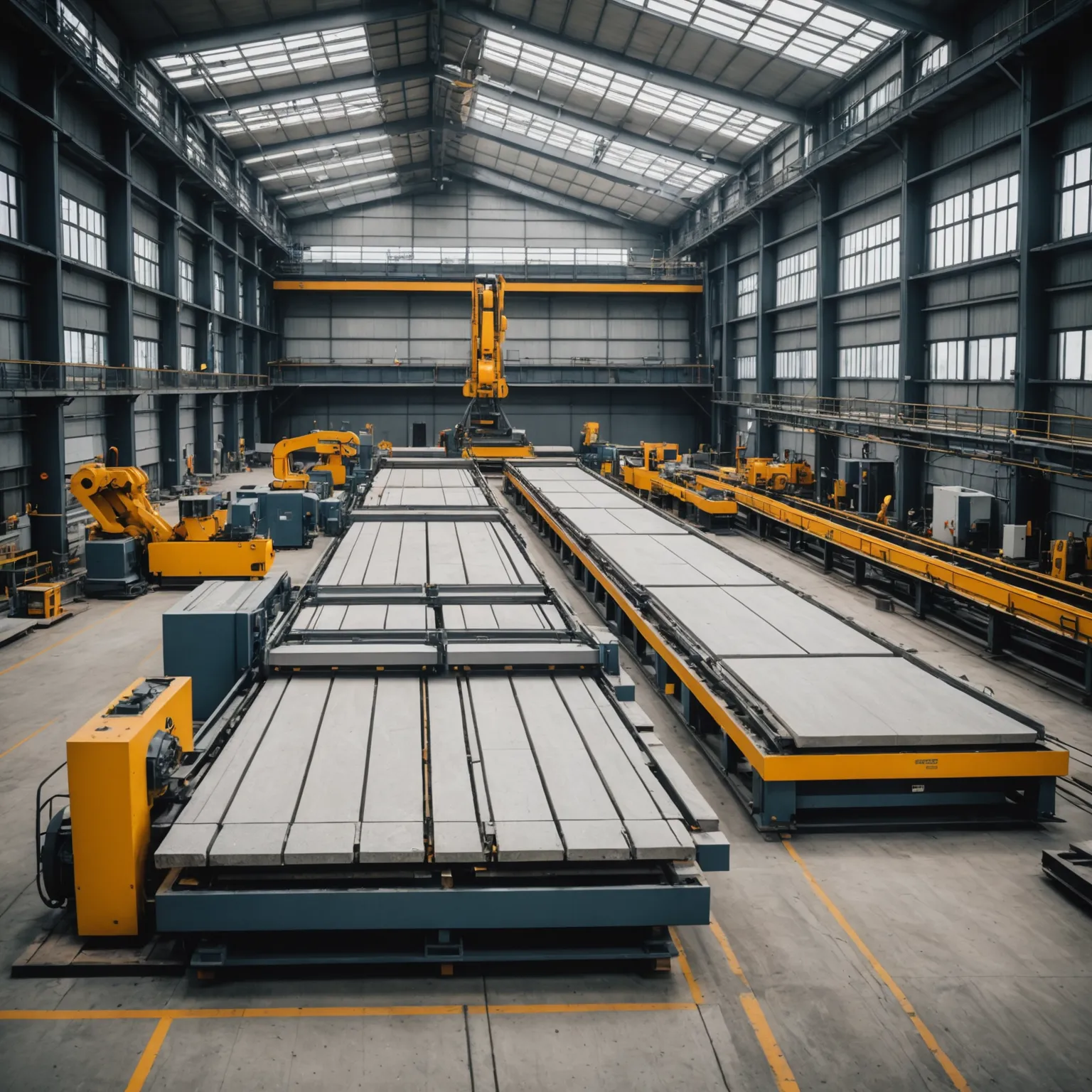
Reducing water absorption and surface contamination
One of the key goals of modern processing is controlling water absorption. The surface behavior is improved without creating gloss or artificial coatings.
The stone absorbs less moisture, darkens more evenly, and accumulates less dirt. This is especially noticeable on light-colored facades and open terraces.
At the same time, the material remains vapor-permeable. Moisture does not become trapped inside, which is essential for long-term durability.
For owners, this results in simpler maintenance and a consistently clean appearance without aggressive cleaning agents.
Practical advice: when choosing stone, ask not only about the material type but also about the processing method. It largely determines how the surface will look and behave after several seasons.
The real cost logic of modern processing
Advanced processing technologies may increase the initial cost of stone. However, these expenses are often offset during operation.
Less waste, faster installation, and fewer corrections gradually balance the upfront investment.
This is especially noticeable on medium and large projects, where any rework leads to additional time and labor costs.
For private homes, the benefit is clear as well: a stable appearance without ongoing minor repairs.
Real-world experience with modern stone technologies
In practice, the advantages of modern processing become evident over time. Stone maintains its appearance not only in the first season but years later.
This is particularly visible on entrance areas and staircases, where mechanical stress is constant.
At the same time, surfaces do not look artificial. The natural texture remains intact.
The difference becomes obvious when compared with nearby buildings finished using older processing methods.
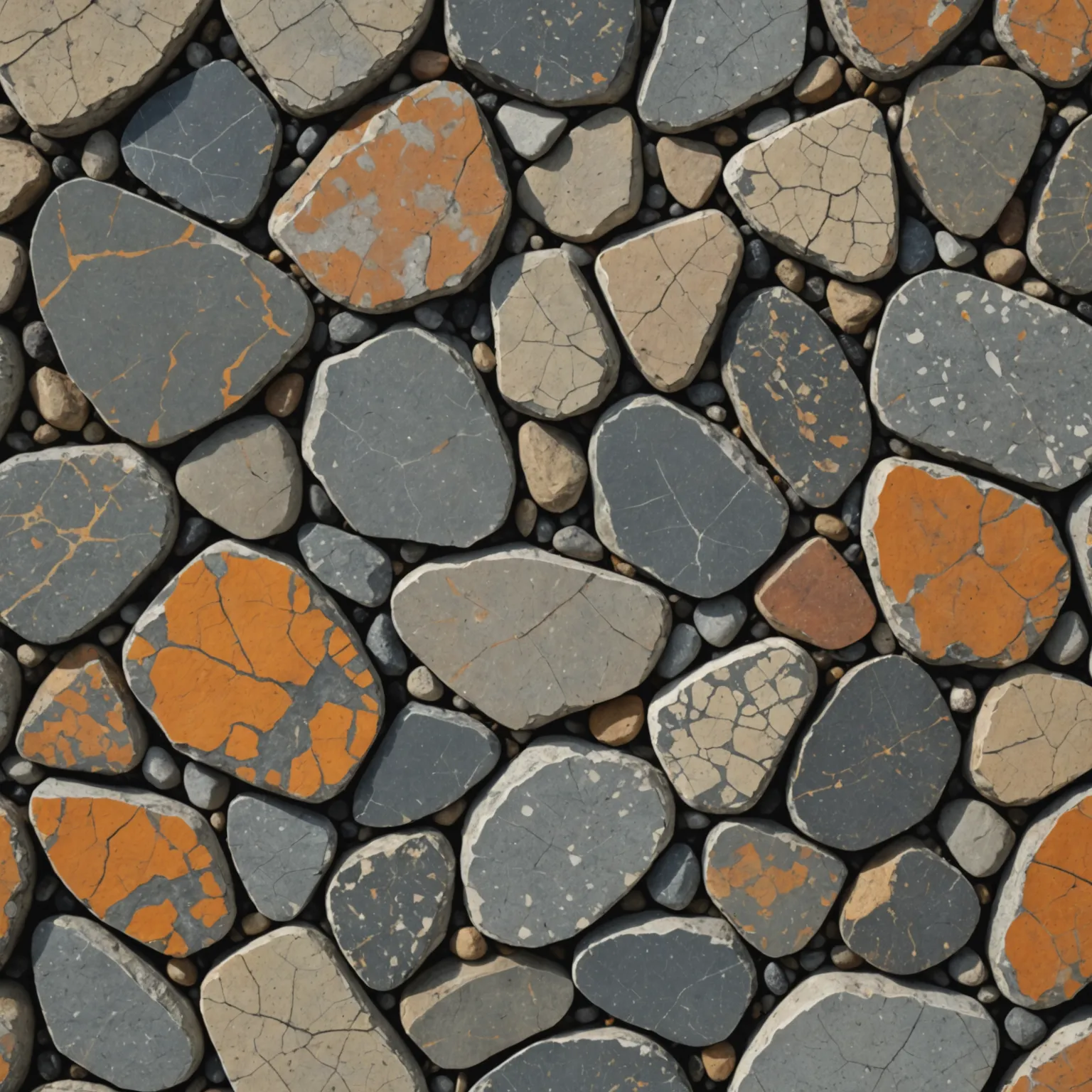
Mini case: a private home facade clad five years ago has required no corrective work since installation. The surface remains even, without chips or discoloration, despite full exposure to weather.
Traditional vs modern stone processing
| Criterion | Traditional processing | Modern technologies |
|---|---|---|
| Dimensional accuracy | Noticeable tolerances | Minimal deviations |
| Moisture behavior | High absorption | Controlled absorption |
| Installation process | Requires adjustments | Fast and consistent |
Specialist observation: most issues with stone facades are related not to the stone itself, but to outdated processing methods that failed to consider real operating conditions.
- Modern processing increases stone stability without changing its natural appearance.
- Precise geometry simplifies installation and reduces long-term costs.
- Controlled moisture behavior extends the service life of facades.
- The economic benefit becomes clear during use, not at purchase.
FAQ
How do modern stone processing technologies differ from traditional ones?
The main difference lies in control and predictability. Modern methods allow precise control over dimensions, texture, and moisture behavior. Traditional processing relied heavily on manual labor, which often resulted in inconsistent quality and higher installation risks.
Does modern processing change the natural look of stone?
In most cases, the appearance remains natural. Improvements are seen in uniformity and long-term color stability. The stone does not look artificial and retains its original texture.
Is the higher price of modern processing justified?
There are two sides to this question. The initial cost may be higher, but installation, maintenance, and repair costs are lower over time. In many cases, modern processing proves more economical in the long run.
Is modern stone processing suitable for private homes?
Yes, especially for facades, staircases, and entrance areas. Predictable performance and reduced maintenance make modern processing particularly valuable in residential construction.
Can different processing methods be combined in one project?
Yes, this is common practice. Rougher textures are often used outdoors, while smoother finishes are applied indoors. The key is ensuring compatibility in thickness and geometry.
How can I tell which processing technology was used?
The best approach is to ask the supplier directly. You can also assess edge quality, thickness consistency, and how the surface reacts to moisture. These details reveal much about the processing level.
Does modern processed stone require special maintenance?
Generally, no. Regular cleaning without aggressive chemicals is sufficient. Modern processing is designed to minimize ongoing maintenance needs.
Where can I get professional advice on stone processing options?
You can get professional advice by contacting specialists via the contact page. To see real examples of finished projects, explore the project gallery.


