
 Kiev, ave. Lobanovsky, 14


 +3 80 (50) 433-01-01
 Video
Video 3D Tour
How to Use Natural Stone in Construction and Renovation
The morning starts at the front porch. Underfoot are stone steps that have not worn down or shifted after years of rain and frost. The surface feels cool and dense, with a natural texture that prevents slipping even after a storm. Moments like this make it clear why natural stone in construction and renovation is chosen for practical reasons, not trends.
When renovating a house or apartment, the key question is which materials will last for decades without constant repainting or replacement. Facades, entrance areas, plinths, and stairs all face continuous wear. Natural stone behaves predictably in these zones: it tolerates temperature changes, retains its structure, and ages in a controlled, dignified way.
In private construction, stone is no longer a rare or luxury solution. It is used where stability, appearance, and long-term reliability matter. This applies not only to premium interiors but also to everyday homes, yards, and auxiliary buildings.
Natural stone in construction and renovation: the main challenge is balancing appearance with real durability. Natural stone solves this through its dense structure and resistance to moisture and mechanical stress. Property owners gain surfaces that require minimal maintenance and retain a clean, solid look for many years.
Natural stone in facade applications
The facade is constantly exposed to rain, wind, dust, and sunlight. Paint and plaster eventually need renewal, while stone remains stable. Its surface does not peel or crack under sharp temperature fluctuations, which is especially noticeable on partially shaded walls.
Stone cladding protects load-bearing walls from moisture and mechanical damage. Even during heavy rainfall, water does not accumulate inside the structure. This reduces the risk of efflorescence and mold over time.
When choosing stone for exterior walls, texture and thickness are critical. Denser stone types are better suited for open areas. For visual accents, materials with a pronounced natural pattern are often selected, including natural stone facade solutions.
A stone facade is not tied to a single architectural style. It works equally well in modern homes and traditional designs, blending naturally with roofing, windows, and landscaping.
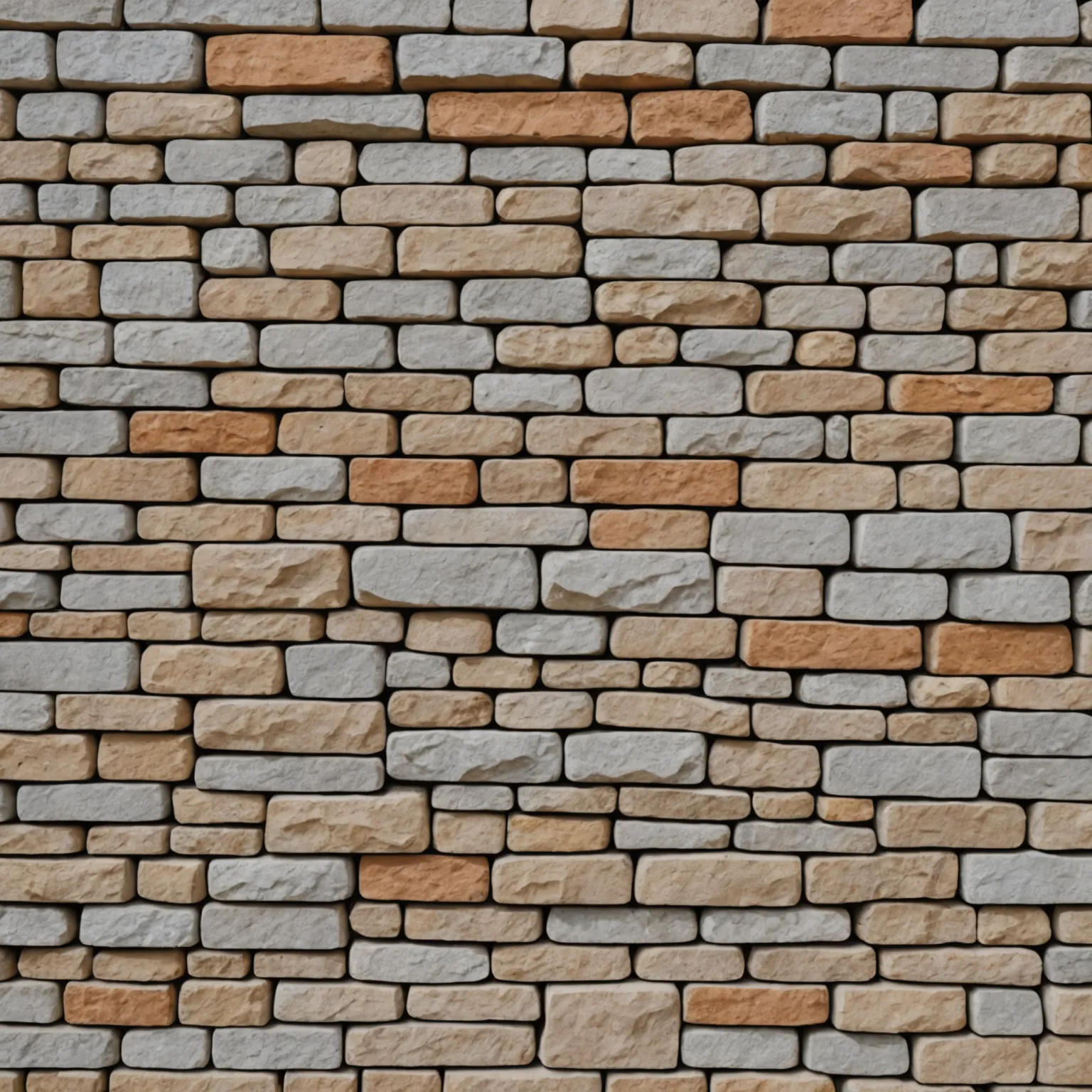
Stone use in entrance areas and stairs
The entrance area experiences constant foot traffic, moisture, sand, and dirt. Natural stone withstands these conditions without losing shape or strength. It does not warp or crumble during freeze-thaw cycles.
For stairs, safety matters as much as durability. Stone with a natural textured surface reduces the risk of slipping. This is particularly important during wet autumns and icy winters.
From a maintenance perspective, stone steps are easy to care for. Regular water cleaning is usually sufficient. Unlike tiled surfaces, there are no vulnerable grout lines that deteriorate over time.
In entrance design, stone pairs well with wood, metal, and glass, creating a balanced and finished appearance.
Natural stone in interior renovation
Inside the home, stone is commonly used in high-wear zones. These include entry floors, kitchens, and staircases. The material tolerates moisture, cleaning, and occasional impacts without visible damage.
Stone performs well in rooms with temperature fluctuations, such as spaces with fireplaces or underfloor heating. It distributes heat evenly and maintains its shape over time.
The visual quality of stone is equally important. Each slab has a unique natural pattern, meaning no two surfaces look the same. This adds depth and authenticity to interiors.
For projects requiring both durability and visual character, many designers turn to natural stone finishes for interiors.
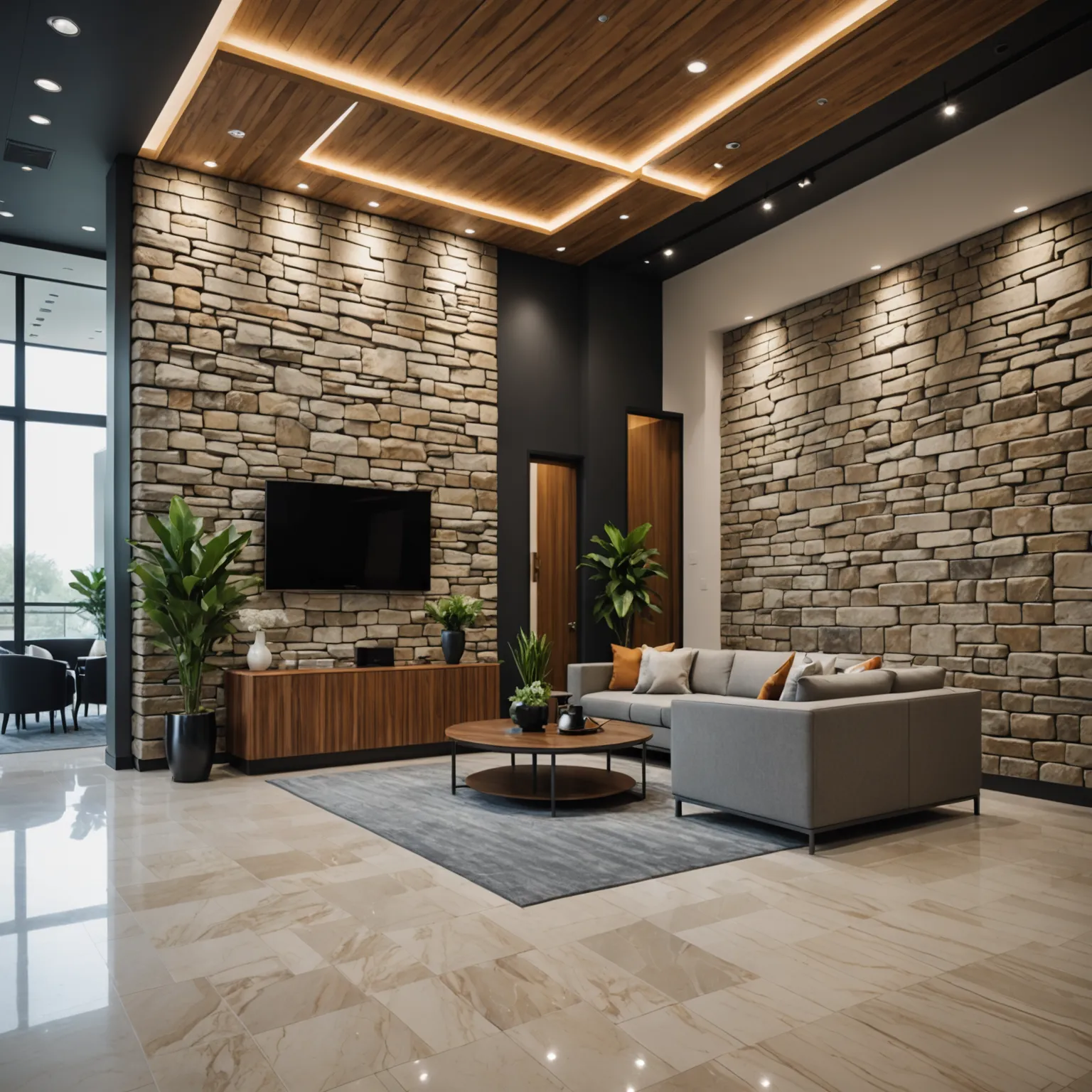
Experienced installers note that stone is valued not for dramatic effect, but for its predictable long-term performance without hidden maintenance issues.
When considering outdoor spaces, natural stone is often seen as purely decorative. In reality, it plays a functional role. Walkways, patios, and recreation areas face daily stress from people, equipment, and weather. Stone handles these conditions quietly and reliably.
Natural stone in paving and landscaping
Stone paving maintains stable geometry over time. Even after years of use, individual elements do not shift or sink. This is especially important on sloped areas or sites with active drainage.
Unlike concrete surfaces, stone does not fade unevenly. Its color changes gradually and naturally, developing a deeper tone rather than looking worn.
Stone paving tolerates seasonal soil movement well. If needed, individual stones can be replaced without dismantling the entire surface.
When planning landscaping work, it may be practical to consider discounted natural stone materials without compromising performance.
Stone in plinths and retaining walls
The plinth area constantly contacts moisture, snow, and dirt. Natural stone offers reliable protection for this vulnerable zone. It does not delaminate or weaken over time.
Stone retaining walls serve both structural and visual purposes. The material resists soil pressure and requires minimal ongoing care.
Proper drainage and base preparation are essential. Most issues arise from installation errors rather than from the stone itself.
On uneven terrain, stone allows buildings to integrate naturally into the landscape without excessive engineering compromises.
Long-term behavior of natural stone
The main advantage of stone is predictability. It does not change properties abruptly or develop unexpected defects. Surface polishing may occur over time but does not affect strength.
Stone is resistant to ultraviolet exposure and retains its color even after years outdoors. This is clearly visible on facades and terraces.
Maintenance requirements are minimal. In most cases, water and basic cleaning are sufficient.
For renovations intended to last decades, this reliability becomes a decisive factor.
Selecting stone for specific conditions
Outdoor applications require frost-resistant stone types. Interior use allows for materials with softer structure and more expressive patterns.
Slab thickness influences performance. Floors and stairs demand thicker elements, while walls allow thinner cuts.
Color choice affects both appearance and practicality. Lighter stone heats less in sunlight, while darker surfaces may show less dirt.
Proper selection reduces unnecessary costs and extends service life.
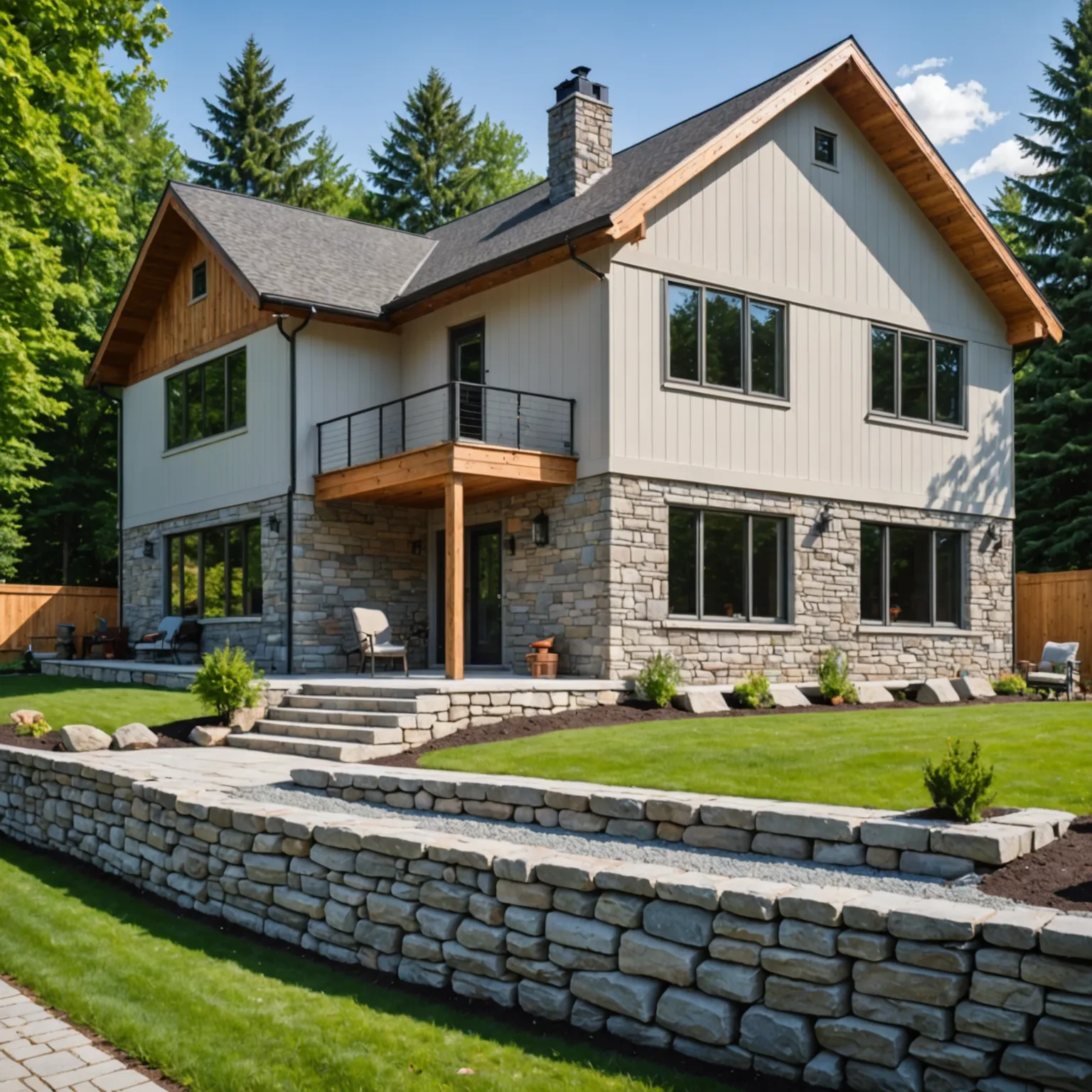
Comparing natural stone with alternative materials
Natural stone is often compared to tiles or concrete. The differences become apparent after several years of use.
Stone does not require regular replacement or surface renewal. Its longevity offsets the initial investment.
Repairability is another advantage. Local corrections are possible without replacing large areas.
The table below highlights key differences.
| Criterion | Natural stone | Alternatives |
|---|---|---|
| Service life | Several decades | Limited |
| Weather resistance | High | Moderate |
Delivery and installation considerations
Natural stone requires careful logistics due to its weight. Transportation and unloading should be planned in advance.
Installation is best handled by professionals familiar with stone materials. Incorrect installation can negate the material’s advantages.
Before starting work, it is useful to review delivery and return conditions to avoid delays or extra costs.
Well-organized logistics make working with stone straightforward and predictable.
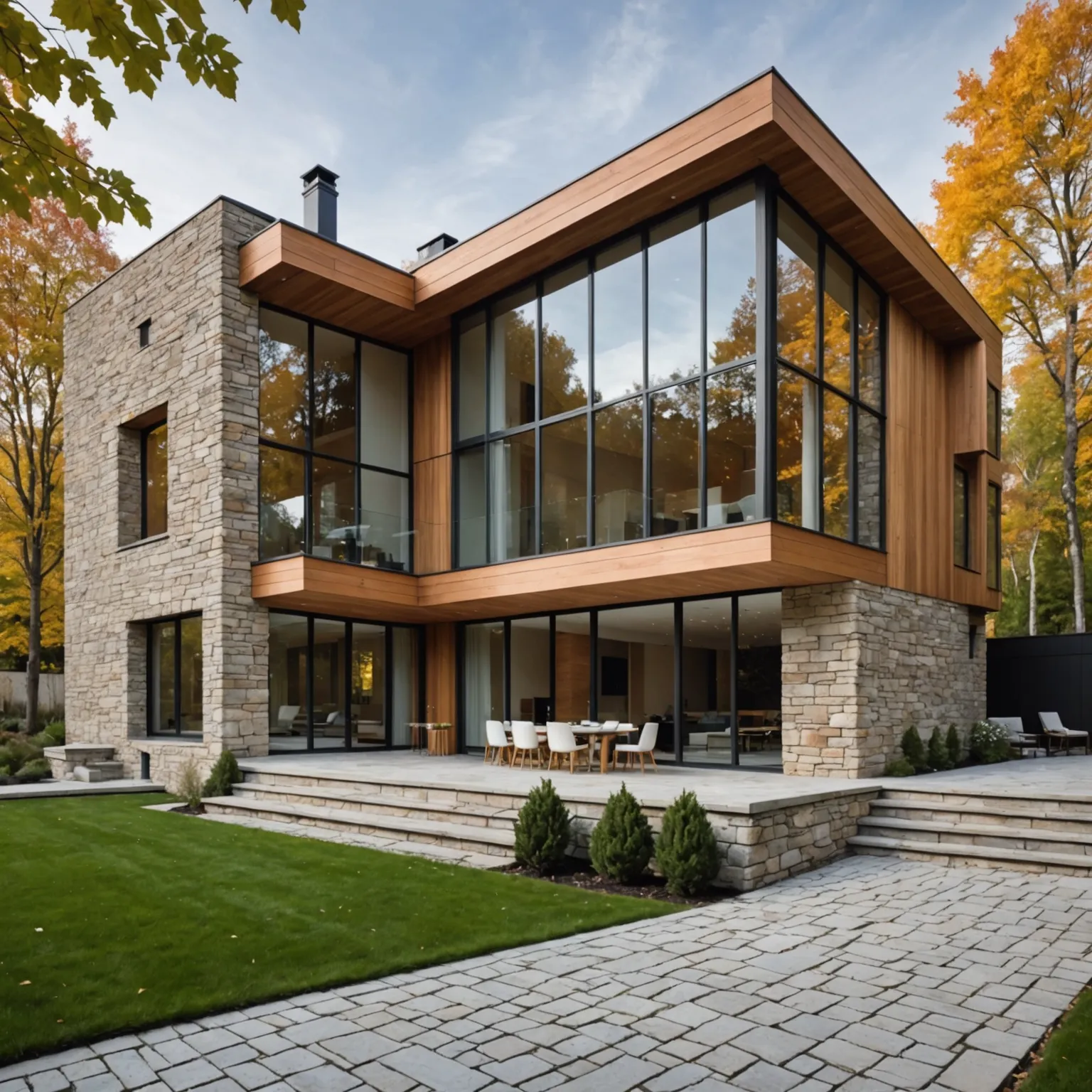
Practical advice: always view stone samples in natural daylight. Artificial lighting can distort color and texture perception.
In one project, stone replaced tile on an entrance staircase. Five years later, the surface retained its shape and color, while neighboring buildings had already required repairs.
- Natural stone performs reliably in high-load areas.
- It requires minimal long-term maintenance.
- Suitable for facades, interiors, and landscaping.
- Long service life offsets initial costs.
FAQ
Is natural stone suitable for small houses?
Yes, when used selectively. Stone is often applied to entrances or plinths in smaller homes, providing durability without overwhelming the design.
Can natural stone be used in apartments?
It can, but weight and structural limits must be considered. Stone is commonly used for walls, window sills, and entry floors in apartments.
How demanding is stone maintenance?
Maintenance is minimal. In most cases, water and simple cleaning tools are sufficient, without aggressive chemicals.
How do you choose stone for a facade?
Focus on frost resistance, slab thickness, and mounting method to ensure long-term performance.
Is it practical to combine stone with other materials?
Yes. Combining stone with wood or metal can reduce costs while highlighting key architectural elements.
How important is professional installation?
Professional installation is essential. Errors during installation can significantly reduce durability and performance.
Is consultation available before purchase?
Yes. Consultation helps avoid costly mistakes. For inquiries, you can contact specialists at +380(50)433-01-01.
Is natural stone suitable for partial renovation projects?
In many cases, yes. Stone allows targeted upgrades without full demolition, provided the base structure is sound.


