
 Kiev, ave. Lobanovsky, 14


 +3 80 (50) 433-01-01
 Video
Video 3D Tour
Using Slate in Interiors and Exteriors
The day often starts at the entrance of the house: cool stone steps underfoot, a wall you touch instinctively as you pass. In moments like this, you clearly feel which material belongs in the space and which one feels temporary. Slate behaves differently. It does not rely on shine, but on weight, texture, and balance. Indoors, this is noticeable in the way light settles on its uneven surface. Outdoors, it shows in how calmly the stone handles rain, sun, and frost.
When choosing finishes, most people focus on appearance and price, rarely thinking about everyday use. Slate forces a more thoughtful approach because it is not a short-term solution. It is chosen for facades, plinths, fireplaces, accent walls, and entrance areas where stability and predictable performance matter more than decoration.
Understanding how slate can be used before renovation begins helps avoid unnecessary costs later. Mistakes at the selection stage often lead to demanding maintenance or early replacement. Slate requires awareness, but in return it offers a long service life and consistent behavior over time.
Slate in interior and exterior design: practical use cases: the main challenge lies in matching texture with real operating conditions. Natural slate solves the problem of durable finishes in areas exposed to load and temperature changes. The owner gains a surface that keeps its appearance without complex maintenance.
Slate as a material for interior finishes
In interiors, slate is used where overly smooth and predictable surfaces feel out of place. The stone adds depth and shadow that artificial materials struggle to replicate. It works best in rooms with natural light, where the texture reveals itself throughout the day. Accent walls and fireplace surrounds are the most common applications.
From a practical perspective, slate is resistant to mechanical impact. It tolerates moisture, temperature changes, and daily use without visible wear. This is why it is often chosen for hallways, kitchen backsplashes, and staircases. Over time, the surface does not polish itself smooth or lose its relief.
The color palette of slate is restrained but flexible. Shades of gray, graphite, and earthy brown combine easily with wood and metal. In projects where natural marble products are used, slate often acts as a calm background without visual competition.
For interior applications, tile thickness matters. Thinner slate keeps structures lighter and visually cleaner, while rougher formats work better as focused accents rather than continuous surfaces.
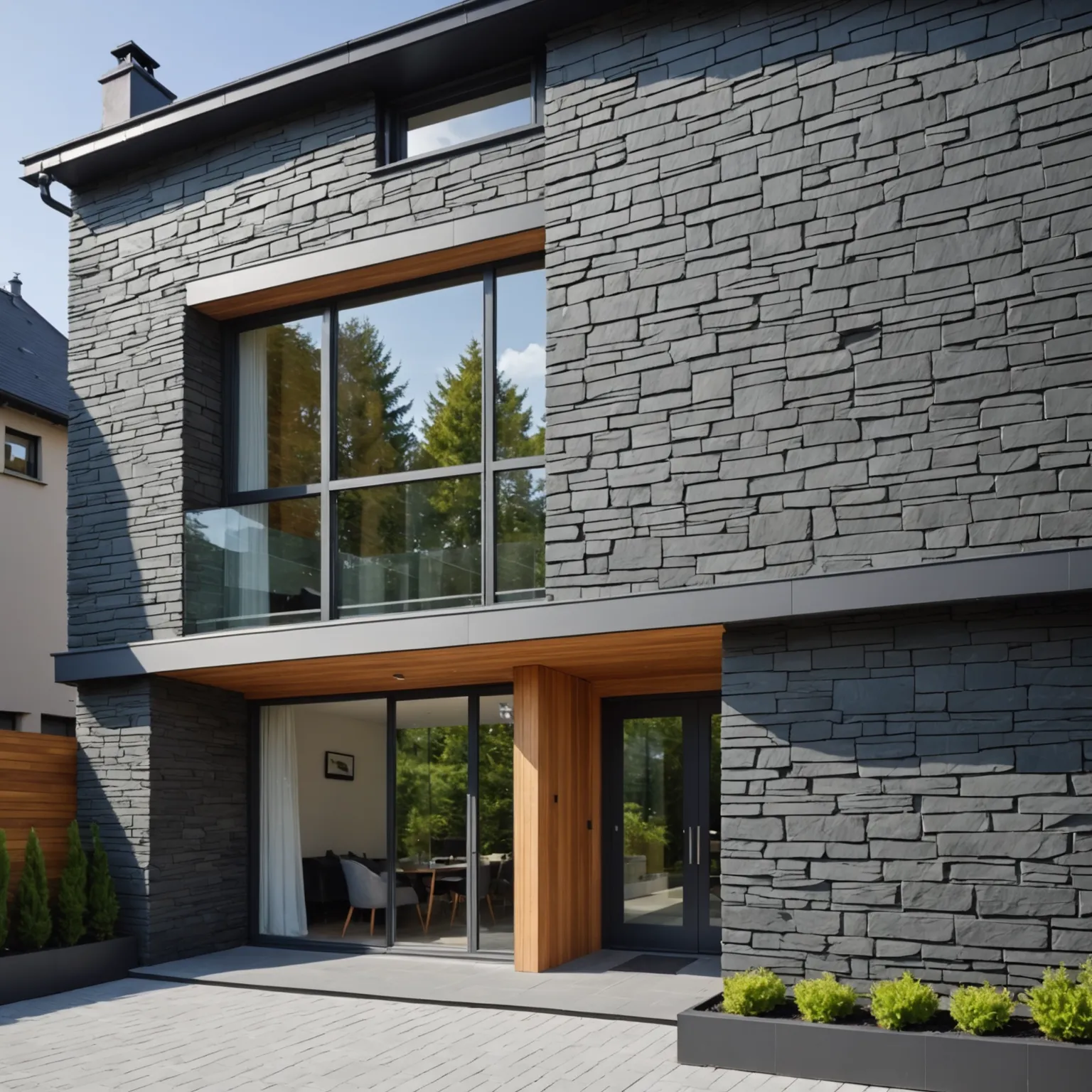
Using slate on facades and plinths
Outdoors, slate is valued for its stability. It withstands precipitation, UV exposure, and temperature fluctuations without losing its structure. On facades, the stone looks natural and does not demand constant upkeep. Over time, its tone may soften slightly, but the surface remains intact.
The plinth is one of the most rational areas for slate. Moisture, dirt, and mechanical impact concentrate here, and the stone handles these conditions well. Even with frequent exposure, the surface stays visually consistent.
Slate combines easily with other facade materials such as plaster, wood, and concrete. In landscape-oriented projects, it is often paired with paving stones to maintain visual continuity between the house and surrounding paths.
Correct installation is essential. Frost-resistant adhesives and proper base preparation prevent issues that are often wrongly attributed to the stone itself.
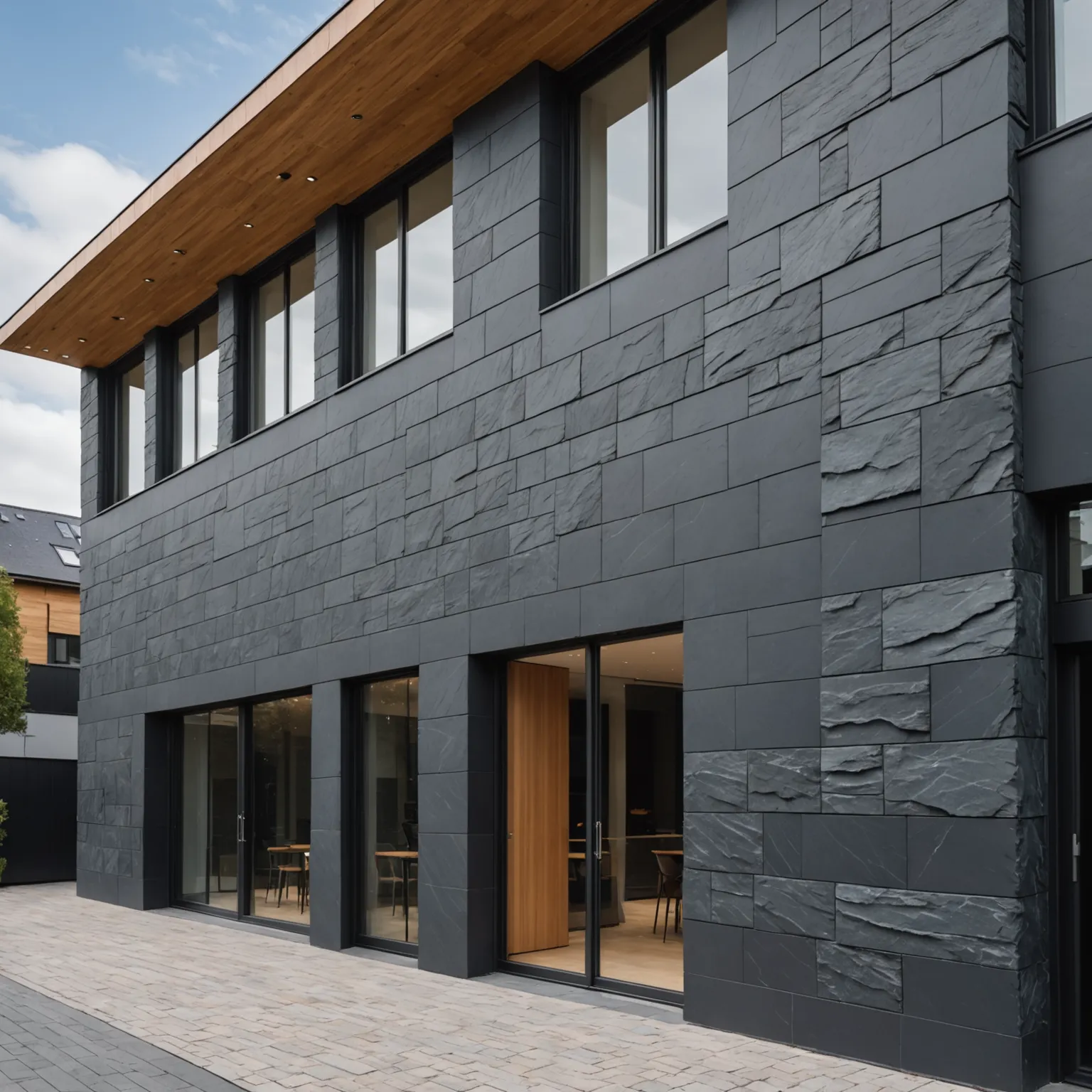
Slate in landscape and outdoor spaces
In outdoor areas, slate feels like part of the natural environment. It blends easily with plants, soil, and water features. The stone is used for walkways, retaining walls, and decorative zones. Even after rain, the surface remains safe to walk on.
The natural unevenness of slate reduces slipping and masks signs of wear. This makes it especially suitable for entrances and terraces. The material does not require frequent cleaning and tolerates seasonal weather changes well.
In nature-focused designs, slate is often combined with natural pebble stone. This creates soft transitions between zones without sharp visual breaks. Slate supports the composition rather than dominating it.
Proper drainage and slope planning are important during installation. When done correctly, slate can last for decades without repair.
Experienced installers note that slate looks best when its natural texture is left visible rather than flattened or overly refined.
Slate in high-traffic areas
Some parts of a home experience constant stress: staircases, entryways, corridors, and door zones. In these areas, visual appeal quickly gives way to durability. Slate performs calmly and predictably here, resisting cracks and surface wear better than many alternatives.
The stone’s texture works as natural protection. Even under heavy foot traffic, the surface does not become slick. This is particularly important for outdoor steps and porches exposed to moisture and ice. Slate reduces slipping without additional coatings.
Indoors, such zones are often finished selectively. Stair treads or lower wall sections are typical examples. This approach balances practicality with a lighter overall interior feel.
With proper installation and sealed joints, slate does not require frequent renewal. Daily care is limited to standard cleaning.
Combining slate with other materials
Slate is rarely used in isolation. It works best alongside contrasting textures. Wood adds warmth, metal brings structure, and glass introduces light. Together, these materials create depth and visual balance.
Inside, slate often acts as a single accent wall or niche finish. This prevents interiors from feeling heavy. The stone sets the tone while other surfaces support it.
Outside, slate pairs well with concrete and plastered planes. It visually anchors the facade and gives the building a grounded appearance. This approach is common in contemporary residential projects.
Scale matters when combining materials. Smaller slate formats tend to look calmer next to large surfaces and help maintain visual order.
When slate works well and when it does not
Despite its versatility, slate is not suitable for every space. In rooms with limited natural light, it can appear too dark or heavy. In such cases, restrained use or lighter tones are preferable.
Budget considerations also matter. The stone itself is durable, but proper installation is essential. Cutting corners during installation often leads to issues that are difficult to correct later.
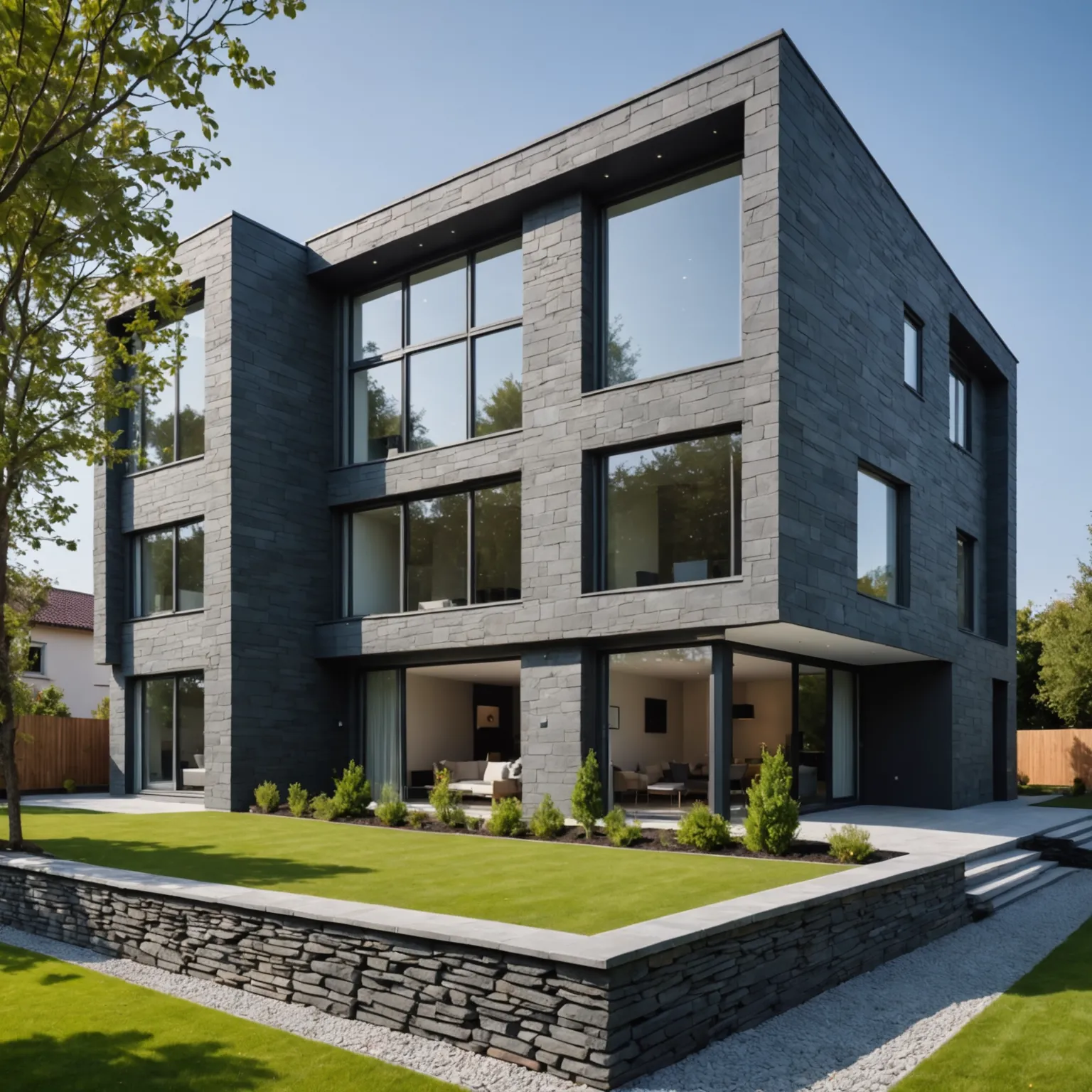
Practical maintenance tips for slate
Slate is not demanding, but basic care is required. Indoors, dry and wet cleaning with neutral products is sufficient. This preserves the stone’s natural color and texture.
Outdoors, surfaces should occasionally be cleared of dirt and leaves. This is as much about safety as appearance. A clean surface provides better grip.
Water-repellent treatments can be applied when necessary. They reduce moisture absorption without creating shine, making them suitable for facades and plinths.
If individual elements are damaged, they can usually be replaced locally. This is an advantage over continuous finishes.
Comparing slate with other natural stones
| Criterion | Slate | Marble | Granite |
|---|---|---|---|
| Wear resistance | High | Medium | Very high |
| Slip resistance | Low slip risk | High slip risk | Medium |
| Maintenance | Simple | Regular | Minimal |
Practical advice: if unsure about format or tone, view a sample in real lighting and humidity conditions before making a final decision.
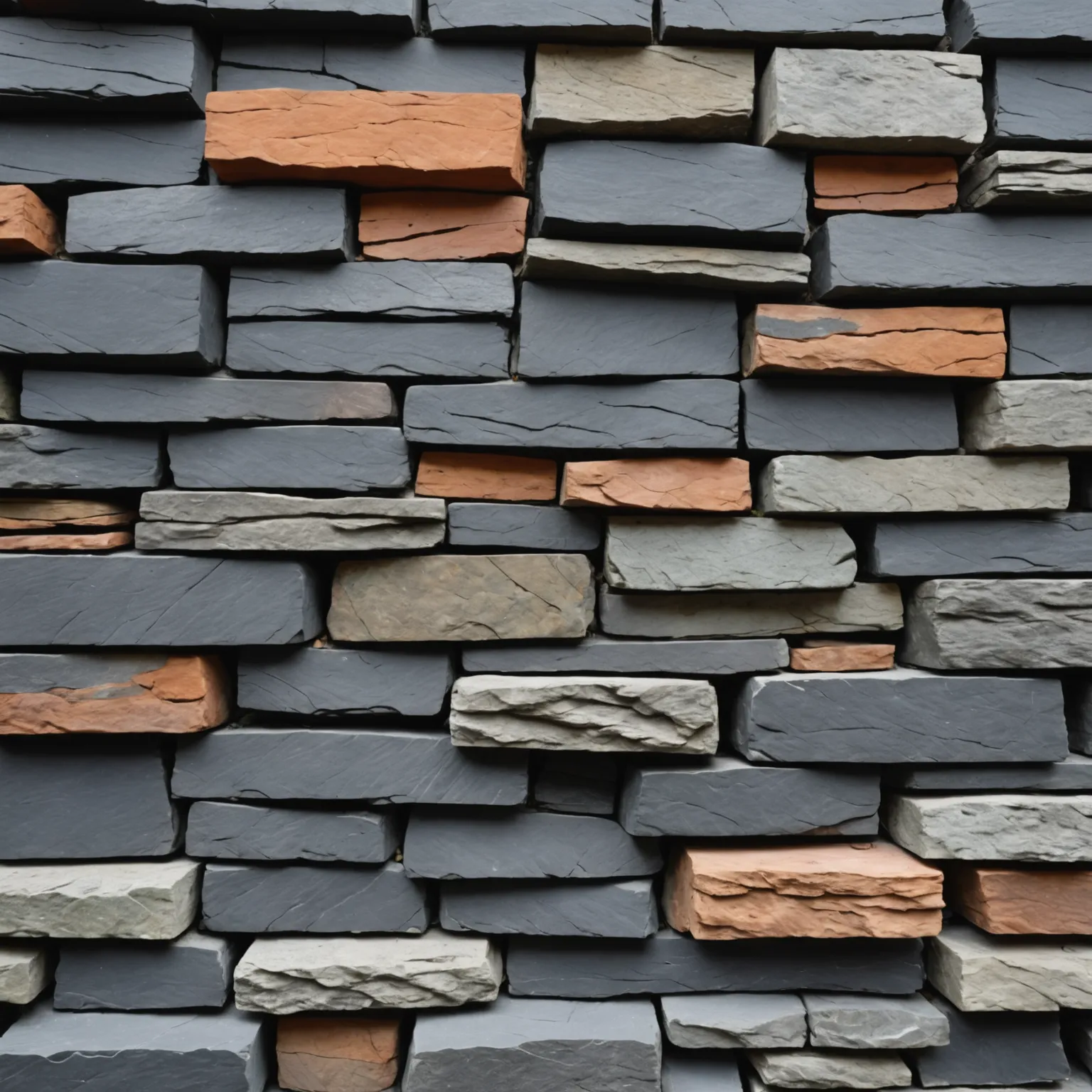
In one project, a slippery tiled entrance was replaced with slate. After three winters, the surface retained its appearance and no longer required constant ice removal.
- Slate performs reliably in high-traffic zones.
- Natural texture reduces slipping without added treatments.
- The material pairs well with wood, concrete, and metal.
- Local repairs are possible without full replacement.
FAQ
Is slate suitable for kitchens?
Slate works well for kitchen walls and backsplashes due to its moisture resistance. For worktops, additional sealing is required because of its layered structure. With proper treatment, the stone performs reliably and does not absorb odors.
Can slate be used in bathrooms?
Yes, slate is commonly used in bathrooms. It tolerates humidity well, but proper waterproofing and joint sealing are essential. This reduces maintenance and prevents surface issues over time.
How demanding is slate maintenance?
Slate maintenance is straightforward. Neutral cleaning products are sufficient indoors, while outdoor care involves periodic cleaning. Protective treatments are applied only when needed.
Does slate become slippery when wet?
Slate has a naturally textured surface, which reduces slipping compared to polished stones. However, surface finish and format still matter, especially for steps and walkways.
Can slate be installed without professional help?
Installation is possible but challenging. Variations in thickness and structure require experience. For critical areas, professional installation is strongly recommended.
How does slate perform in winter conditions?
With a properly prepared base, slate handles frost and temperature changes well. Most winter-related issues stem from drainage or installation errors rather than the stone itself.
Where can I get advice on choosing slate?
For accurate selection based on real conditions, professional consultation is recommended. You can reach specialists via the contact page or by phone at +380(50)433-01-01.
Is slate suitable for commercial spaces?
Slate is used in commercial environments as well. It withstands heavy foot traffic, but its restrained appearance may not suit every concept. The final choice depends on the project’s design goals.
You can view real examples of slate applications in different conditions in the project gallery, where material behavior over time is clearly visible.