
 Kiev, ave. Lobanovsky, 14


 +3 80 (50) 433-01-01
 Video
Video 3D Tour
How to Choose the Right Natural Stone for Paving?
The yard is still damp after the night rain. Underfoot, the old surface has uneven spots, chipped edges, and water trapped in the joints. Moments like this make it obvious how much paving material affects everyday comfort, not just appearance. Stone either works reliably for years or starts breaking down after only a couple of seasons.
When choosing natural stone for paving, most people focus on color and shape. Real use quickly shifts priorities. Is it slippery after rain, how does it behave in winter, do the edges crumble under load? These things become clear not on photos, but at the entrance to a house, along garden paths, or on a driveway.
Mistakes at this stage are expensive. Replacing paving is not repainting a wall; it means dismantling, hauling away material, and laying everything again. That is why it is important to understand in advance which stone suits your task: a footpath, a driveway, a terrace, or an area next to natural stone facades, where loads and requirements are very different.
How to choose natural stone for paving correctly: the main difficulty lies in the fact that different stones react differently to moisture, frost, and mechanical stress. Natural stone solves durability and surface stability issues only when selected according to real conditions. The practical benefit for the owner is predictable performance and no need for costly rework after a few years.
Loads and usage scenarios: where the choice begins
The first thing to define is how the surface will be used. A garden walkway and a car driveway experience completely different loads. Stone that works perfectly in a relaxation area may fail under constant wheel pressure.
It is important to consider not only weight, but movement. Sharp turns, braking, and turning in place create shear forces. For these areas, dense stones with low water absorption and high compressive strength are chosen.
For entrance zones and terraces, safety comes first. The surface should not become slick after rain or during frost. That is why areas near the house often use naturally textured stone instead of polished slabs.
If the area is actively used year-round, stone should be considered together with the base and drainage system. Even the strongest material cannot compensate for poor groundwork.
Surface texture and walking safety
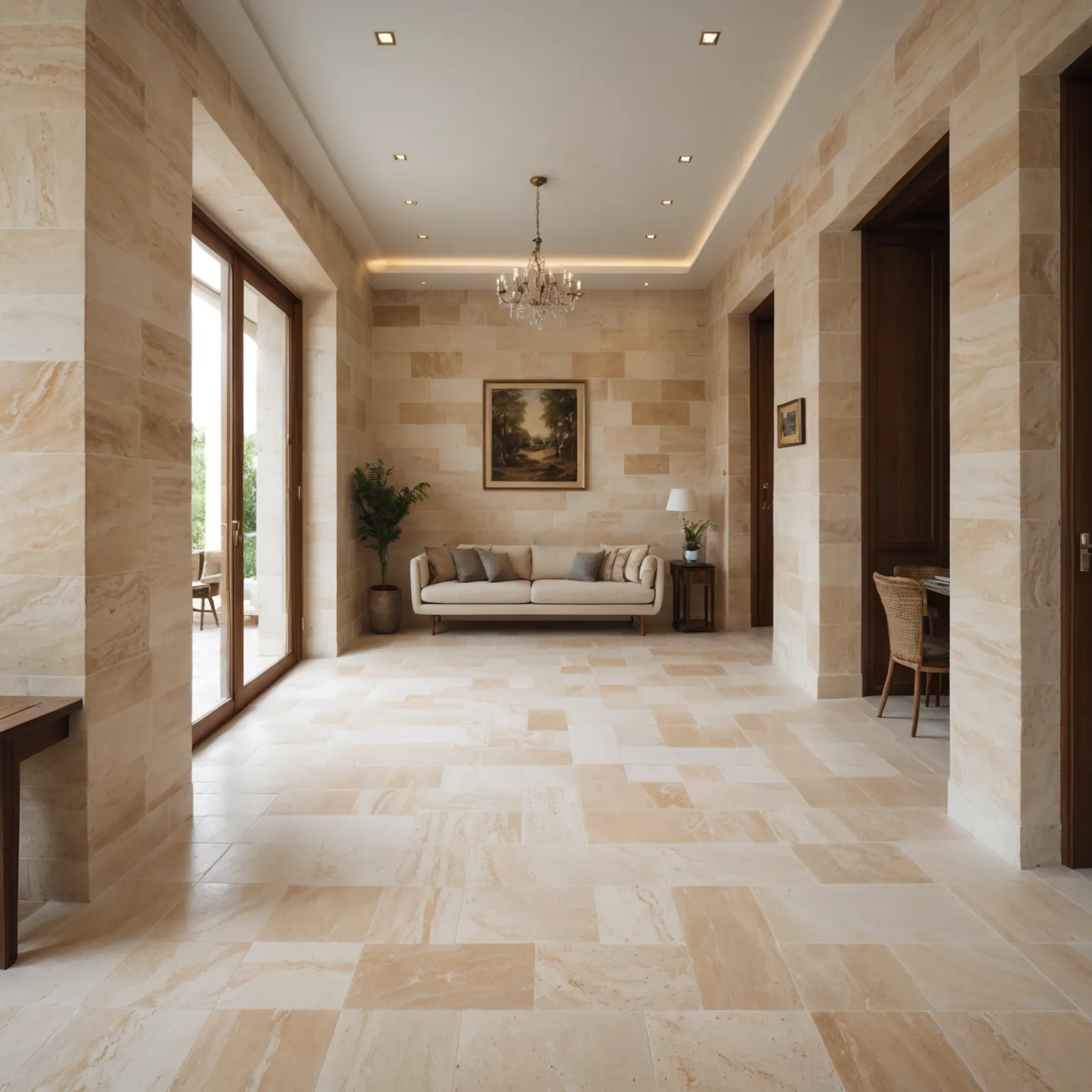
The texture of stone directly affects grip for shoes and tires. Smooth slabs look impressive but can become problematic in rain or freezing conditions. This is especially noticeable on slopes and steps.
Split, sawn-and-split, or thermally treated surfaces provide better traction. Such stone remains safer even with a thin layer of water or dirt. This matters in yards where children play or elderly people move around.
Texture also influences maintenance. Highly relief surfaces tend to collect dust and organic debris faster, especially in shaded areas. Choosing the right balance between safety and practicality is essential.
For public or high-traffic spaces, requirements are even stricter. In such cases, proven solutions designed for paving stones are often preferred, as they are рассчитані for intensive daily use.
Stone thickness and format: why size matters
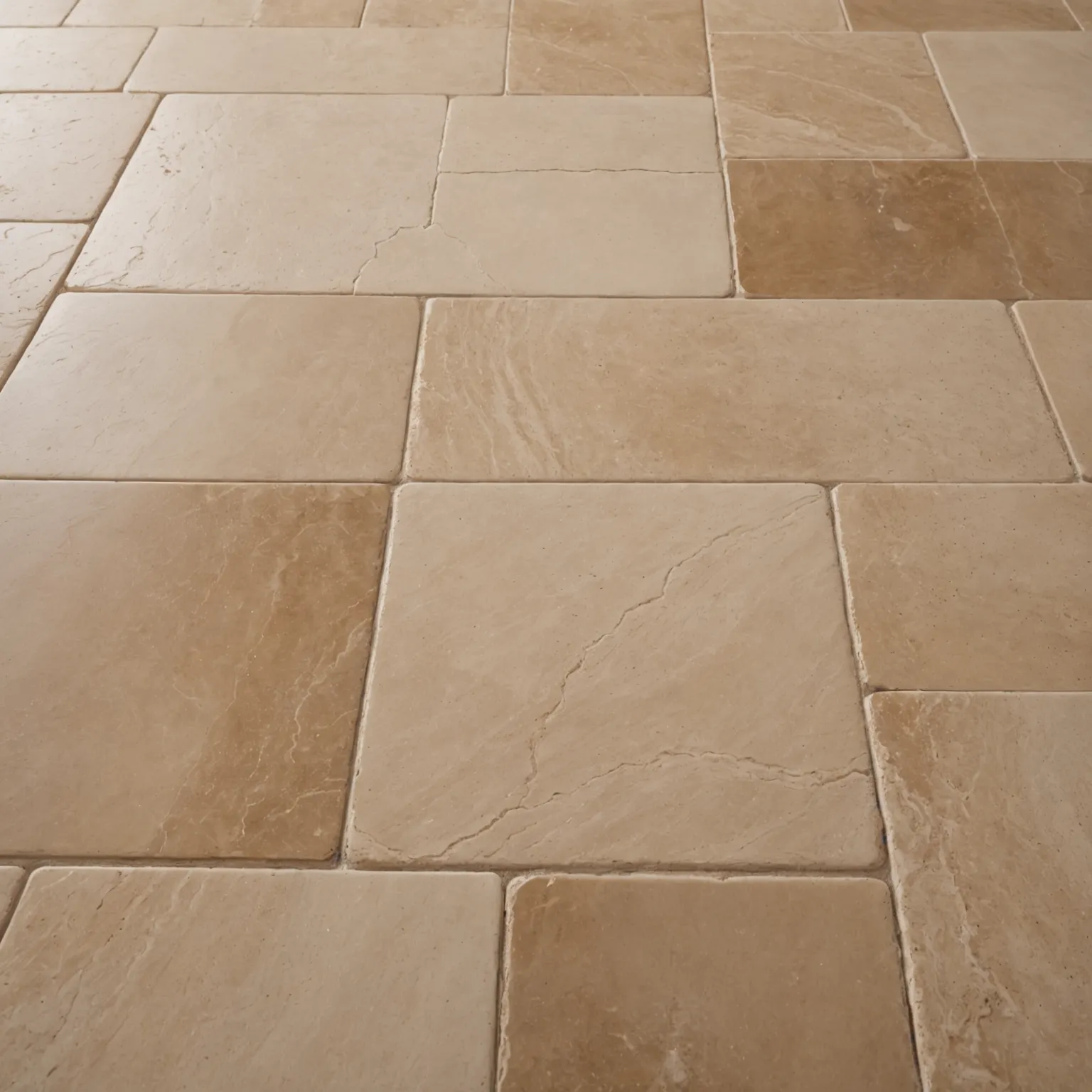
Stone thickness is one of the most underestimated parameters. Thin slabs are suitable only for pedestrian areas with perfectly prepared bases. Otherwise, cracks appear along edges and corners.
Driveways and parking zones require thicker stone or block-style formats. These distribute loads more evenly and are less sensitive to local base settlement. This is especially relevant for private yards with uneven usage patterns.
Format also affects appearance. Large slabs create a calm, architectural look but demand precise installation. Smaller formats adapt more easily to complex site geometry.
Repairability is another factor. Replacing one element in block paving is easier than removing a large slab, especially when paving borders the house or the main yard area.
Installers often observe that paving problems are rarely caused by the stone itself, but by choosing a thickness and format that do not match real loads.
Once the main stone parameters are clear, attention shifts to details that are not obvious at first glance. These details determine whether paving still looks orderly after five years or starts to fail after the first winter. Stone type, processing method, and compatibility with site conditions all matter here.
Water absorption and frost resistance: hidden risks
One of the most critical parameters in climates with temperature fluctuations is water absorption. The more moisture stone absorbs, the higher the risk of damage during freezing. Water expands inside pores and gradually weakens the structure.
Dense stones with low water absorption handle freeze–thaw cycles much better. They keep their shape and do not delaminate along edges. This becomes especially visible in spring, when snow melts but the surface remains stable.
More porous stone can be acceptable only in areas with limited moisture exposure or where proper drainage is installed. Otherwise, chips and microcracks appear after just a few seasons.
When choosing stone, it is better to rely on physical properties and real operating conditions rather than marketing descriptions.
Color and structure: how appearance changes over time
Natural stone rarely looks exactly the same years after installation. Sunlight, moisture, and dust affect color, making it deeper or lighter. This is not a defect but a natural aging process.
Uniform-colored stone looks clean but shows dirt and wear more clearly. Stone with natural variation and texture hides minor defects and usage marks more effectively.
It is important to imagine how paving looks not only when dry, but also after rain. Some stones darken significantly, which can change the overall impression of a yard or terrace.
If in doubt, reviewing completed projects or a gallery of real installations helps to see how stone behaves over time.
Base preparation and installation: half the result
Even the right stone will fail on a weak base. Settling, puddles, and uneven surfaces are usually caused by preparation mistakes rather than material quality.
The base must match expected loads. Pedestrian paths require one approach, driveways another. Cutting costs here almost always leads to rework.
Drainage is equally important. Without it, moisture remains under the stone, accelerating damage and washing out the base.
Proper installation accounts for expansion gaps, joint type, and fixing method. These details are often invisible, yet they define long-term performance.
Practical advice: if the site is in a low area or near roof drainage, the drainage system should be planned before choosing the stone, not after problems appear.
Comparison of common paving stones
A side-by-side comparison helps align expectations with actual stone properties and simplifies decision-making.
| Stone type | Water absorption | Load resistance | Recommended use |
|---|---|---|---|
| Granite | Low | High | Driveways, parking, plazas |
| Sandstone | Medium | Medium | Paths, terraces |
| Quartzite | Low | High | Entrances, high-use areas |
Typical mistakes when choosing paving stone
The most common mistake is choosing stone based solely on appearance. A material can look perfect in samples but perform poorly in real conditions.
Another frequent issue is ignoring thickness and format. Thin slabs in traffic zones almost always crack or shift.
Base preparation and drainage are often underestimated. As a result, the stone is blamed while the real issue lies beneath.
A comprehensive approach and practical advice help avoid these outcomes.
Mini case: on one project, owners replaced sandstone with granite not due to wear, but because the original stone format was too thin for a parking area.
When professional consultation makes sense
Sites with slopes, height differences, or unusual loads increase selection risk. In such cases, professional input helps avoid mistakes.
Consultation addresses details that are hard to predict without experience, such as water flow direction, soil behavior, and seasonal movement.
This is particularly important for commercial spaces and actively used private properties.
To clarify details and choose stone for specific conditions, it is reasonable to contact specialists through direct contact information and discuss the project in advance.
- Stone choice starts with load analysis, not color.
- Surface texture directly affects walking safety.
- Base preparation and drainage matter as much as the stone itself.
- Thickness and format define paving durability.
FAQ
Which stone is best for a car driveway?
Driveways require dense stone with low water absorption and high compressive strength. It is important to consider both vehicle weight and dynamic loads during turning and braking. With the right thickness and base, such paving remains stable for decades.
Can the same stone be used for walkways and parking areas?
It is possible, but only with different thicknesses and base preparation. The same stone in thinner format works for walkways, while parking zones require reinforced construction. Without this, service life will vary significantly.
Is protective treatment necessary for natural stone?
Protective treatment is optional but can simplify maintenance. Sealers reduce water absorption and make cleaning easier. However, some products slightly alter stone color, which should be considered beforehand.
How does climate affect paving stone selection?
In cold climates, resistance to freeze–thaw cycles becomes critical. Stones with high water absorption degrade faster. In milder climates requirements may be less strict, but moisture resistance remains important.
Why does natural stone darken after rain?
Darkening occurs due to moisture absorption and stone structure. Once dry, the original tone usually returns. Some owners see this as a drawback, others as a natural visual effect.
How important is stone thickness for paving?
Thickness directly affects load resistance. Stone that is too thin may crack even on a good base. Excessive thickness increases cost, so balance is key.
Is it reasonable to save money by choosing softer stone?
For low-traffic zones, softer stone can be acceptable. On the other hand, initial savings may lead to more frequent repairs. Evaluating total lifespan cost is more reliable than focusing on purchase price alone.
Where can I get help selecting stone for my project?
For selection based on site conditions, load, and budget, professional advice is recommended. This reduces the risk of mistakes and extra costs. You can discuss project details by calling +380(50)433-01-01 in advance.