
 Kiev, ave. Lobanovsky, 14


 +3 80 (50) 433-01-01
 Video
Video 3D Tour
Benefits of Using Slate for Flooring and Cladding
The house is finished, the porch is poured, the steps are in place. What remains is choosing a floor and cladding material that will not require replacement after a few seasons. This is exactly the moment when slate comes into focus — not as a decorative trend, but as a stone designed for everyday use.
Slate is often chosen for areas where other materials fail quickly: entry halls, kitchens, terraces, staircases, and plinths. It does not demand careful treatment, handles moisture, dirt, sand, and constant foot traffic with ease, and still looks composed and orderly.
The advantages of using slate for flooring and cladding become most apparent over time. The stone does not visually degrade, does not fade unevenly, and does not start behaving unpredictably, as many artificial materials do.
Advantages of using slate for flooring and cladding: choosing a surface material often comes down to wear resistance, moisture tolerance, and ease of maintenance. Slate addresses these issues through its natural structure. The owner gets a surface that withstands daily use, requires minimal care, and maintains a stable appearance for years.
1. Slate structure and its impact on flooring
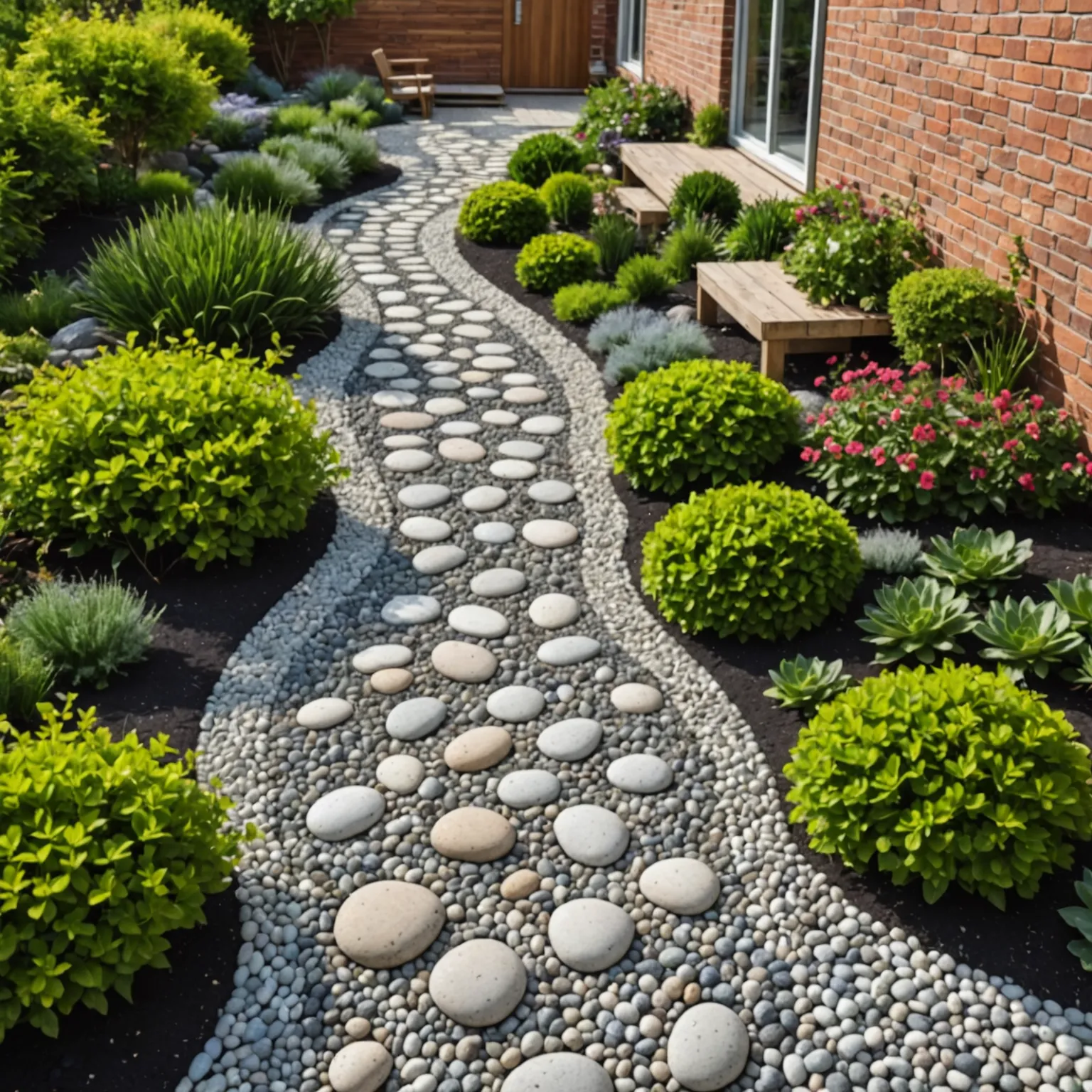
Slate has a naturally layered structure that directly affects how it performs under load. The surface is slightly textured, which reduces slipping even when water is present. This is especially important in entry areas and kitchens.
Unlike polished stones, slate does not aim for a glossy finish. Its texture prioritizes practicality over shine. Walking on it in outdoor shoes does not create visible scratches or marks.
Because of its structure, load distribution is even. The stone does not produce sharp, echoing sounds underfoot; footsteps remain muted, which is noticeable in private homes.
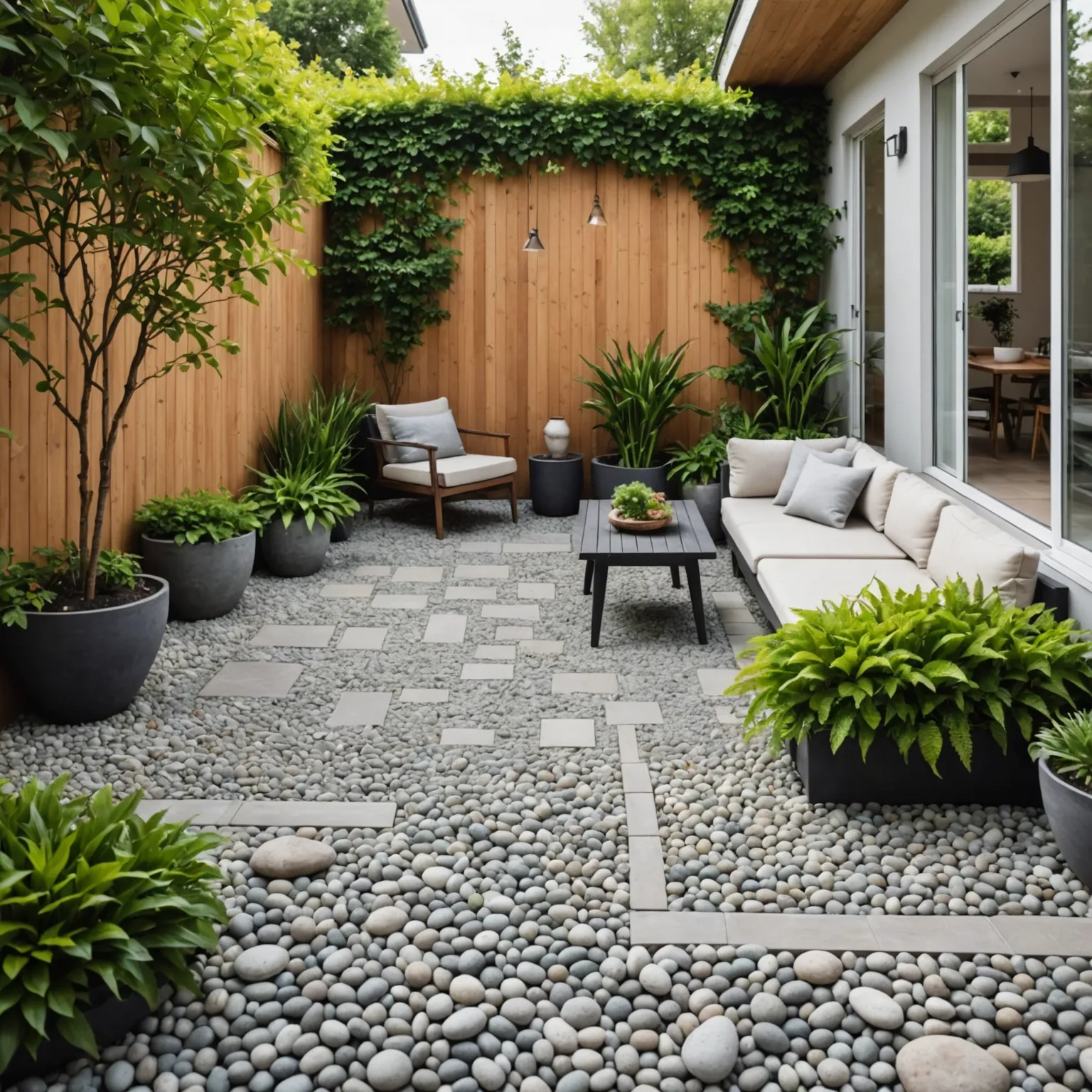
In projects where interior flooring transitions outdoors, slate pairs naturally with stone paving solutions, preserving visual continuity.
2. Resistance to moisture and temperature changes
One of the main reasons slate is selected is its calm response to moisture. It is not affected by wet shoes, puddles near entrances, or regular wet cleaning. Water does not penetrate deeply into the stone.
When properly installed, slate remains stable under sharp temperature fluctuations. This makes it suitable for balconies, terraces, and entrance zones exposed to seasonal changes.
Unlike some cladding materials, slate is not prone to microcracking caused by frost. It is inherently suitable for outdoor conditions.
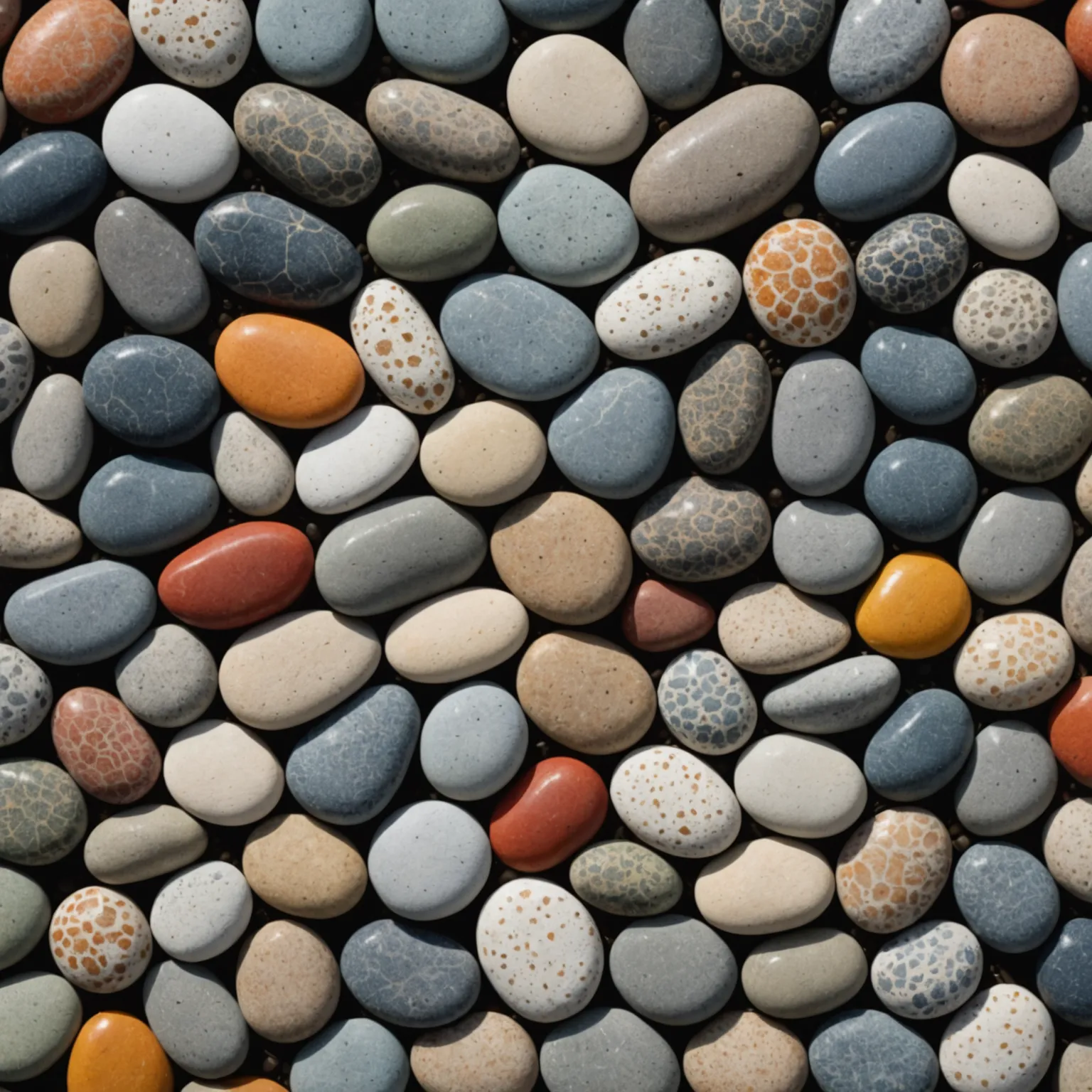
In integrated designs, slate is often combined with decorative elements such as natural stone pebbles for drainage and accent zones.
3. Slate performance in daily use
Slate does not require complex maintenance. Regular cleaning without aggressive chemicals is sufficient. The stone does not change color when exposed to water.
Signs of use appear natural rather than worn. Over time, the surface gains character instead of losing its appearance, which is valued in homes with active daily routines.
The material performs well in high-traffic areas. Entry halls, corridors, and kitchens benefit from slate’s resistance to chipping and delamination.
When combining materials, slate works seamlessly with stone veneer cladding, maintaining a consistent architectural language.
Installers note that slate rarely requires repair after installation. Most issues arise not from the stone itself, but from improper substrate preparation.
4. Slate as a wall cladding material
When used on walls, slate reveals a different set of qualities while retaining its practical strengths. The layered structure creates visual depth, and the surface reacts subtly to light throughout the day. Even with soft lighting, the wall does not appear flat.
Indoors, slate is usually applied selectively rather than across entire rooms. It works well as an accent around fireplaces, in niches, or on a single feature wall in living spaces and stair halls. This approach keeps the interior balanced.
For exterior cladding, slate is valued for color stability. Exposure to sun, rain, and snow does not cause patchy fading or surface breakdown. Over time, the tone becomes slightly calmer without losing definition.
Choosing the right format is essential. Larger pieces suit façades and plinths, while thinner elements are better for interior accents.
5. Tactile qualities and visual perception
Slate feels warmer to the touch than polished stone. It does not create a sharp cold sensation underfoot, which is noticeable in living areas and bedrooms. This adds comfort without additional treatments.
The texture strikes a balance between grip and comfort. The surface is not slippery, yet it does not catch on footwear or fabrics. This balance is inherent to the stone.
Slate’s color palette is restrained. Shades of gray, graphite, muted green, and sandy tones combine easily with wood, metal, and glass. The stone does not compete with furniture or décor.
Because of this neutrality, slate fits both contemporary and more traditional interiors.
6. Practical aspects of installation
Substrate preparation
Slate requires a stable, level base. The stone does not tolerate movement, so floors and walls must be properly prepared. This significantly reduces the risk of cracking or detachment.
Dry-laying before installation is recommended. It allows installers to distribute tones and textures evenly, avoiding abrupt visual transitions in visible areas.
Adhesives and grouts should be selected according to environmental conditions. Moisture-prone zones require compounds with enhanced resistance.
Installation quality directly determines the longevity of the finished surface.
Care after installation
After installation, the surface is typically treated with a protective sealer. It does not alter appearance but simplifies cleaning and reduces absorption of contaminants.
Ongoing care is straightforward. Regular wet cleaning is sufficient, with no need for polishing or frequent reapplication.
With proper care, slate maintains its appearance for decades without additional expense.
This makes it suitable for homes with intensive daily use.
7. Comparing slate with alternative materials
When choosing flooring or cladding, slate is often compared with porcelain tile and marble. Each material has distinct characteristics, but slate occupies a balanced position between aesthetics and practicality.
It is less demanding than marble while offering a more natural appearance than most engineered surfaces. For private homes, this balance is often decisive.
Slate performs particularly well in integrated projects where durability without constant maintenance is a priority.
The table below highlights key differences.
| Criterion | Slate | Porcelain tile | Marble |
|---|---|---|---|
| Slip resistance | Low slip | Moderate | High slip |
| Maintenance | Minimal | Simple | Demanding |
| Performance in wet areas | Stable | Stable | Requires protection |
Practical advice: for entry zones and stairs, selecting thicker slate tiles helps reduce edge wear and prolongs service life.
Mini case: in a private home with direct garden access, a slate floor in the entry hall showed no need for restoration after five years, despite constant moisture and sand.
- Slate handles moisture and daily wear without degradation.
- Natural texture improves slip resistance.
- Maintenance requirements remain minimal.
- Visual stability is maintained over time.
FAQ
Is slate suitable for underfloor heating systems?
Slate is compatible with underfloor heating when installed on a properly prepared substrate using suitable adhesives. The stone conducts heat evenly and maintains stable performance. Gradual temperature changes are recommended to avoid stress.
Can slate be used in bathrooms?
Slate works well in bathrooms due to its moisture resistance and textured surface. On one hand, it provides safety and durability; on the other, proper sealing and grout selection are important for easy maintenance.
Does slate vary in color within one batch?
Minor color variations are a natural characteristic of slate and are not considered defects. Dry-laying before installation helps distribute tones evenly for a balanced appearance.
How demanding is slate floor maintenance?
Maintenance is straightforward and does not require special products. On one hand, slate is naturally resilient; on the other, periodic sealing helps preserve its appearance longer.
Is slate suitable for exterior steps?
Slate performs well on exterior steps thanks to frost resistance and surface grip. Proper thickness selection and drainage are essential for long-term performance.
Should slate be treated with protective sealers?
Protective treatment is recommended, especially in wet areas. It simplifies cleaning and reduces absorption without altering the natural appearance of the stone.
Where can I get professional advice on slate selection?
Professional guidance on slate formats and applications is available through the contact page, helping avoid mistakes at the planning stage.
Can I view completed slate projects before choosing?
Examples of finished projects using slate can be found in the project gallery, offering a realistic view of the material in different settings.


