
 Kiev, ave. Lobanovsky, 14


 +3 80 (50) 433-01-01
 Video
Video 3D Tour
Natural Stone Care Guide
Morning in a private home often reveals how a material truly behaves: cool stone steps underfoot, a hint of moisture after rain, traces of dirt near the entrance. Natural stone handles these everyday situations calmly. It does not warp from water and does not lose its appearance when used intensively.
A year after renovation, homeowners usually stop focusing on aesthetics and start noticing practicality. Stone either performs quietly or begins to demand constant attention. In most cases, this difference is not about the stone type but about how it has been maintained.
Caring for natural stone is straightforward when its nature is understood. The material reacts poorly to aggressive chemicals and abrasives but responds well to regular, gentle cleaning. This approach keeps texture and color intact for many years.
Natural stone care: the main challenge lies in choosing the right cleaning methods and products. Stone does not tolerate harsh treatment, yet it remains stable with consistent, mild maintenance. A practical approach helps avoid stains, discoloration, and premature wear.
Why natural stone requires special care
Every stone slab has a natural internal structure formed over thousands of years. Micropores and veins affect how the surface interacts with moisture and contaminants.
Even dense-looking surfaces can absorb liquids. This becomes more noticeable on light-colored stone, where stains appear faster.
There is no universal cleaner suitable for all stone types. Products safe for granite may damage marble or limestone.
Proper care is based on regular maintenance and the use of neutral products without aggressive components.
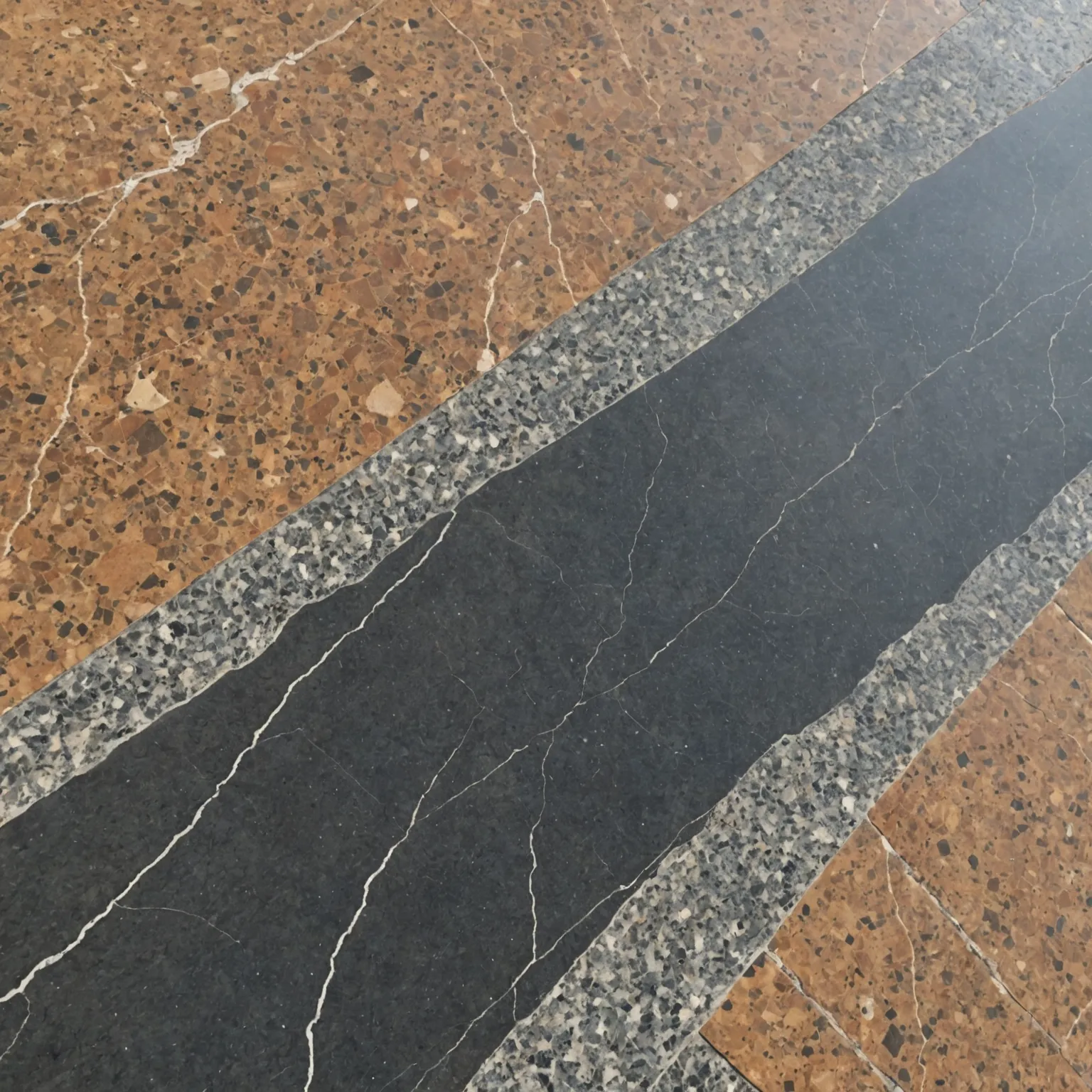
Daily cleaning without damaging the surface
Warm water and a soft cloth are usually enough for everyday cleaning. This removes dust and light dirt without stressing the surface.
Hard brushes and abrasive sponges slowly damage the finish. The effect may not be visible immediately, but color depth fades over time.
If a cleaning product is needed, it should have a neutral pH. Such solutions do not react with minerals and leave no residue.
Thin materials like stone veneer for walls require special attention to moisture levels to protect the base layer.
How to deal with stains correctly
Most stains come from oils, drinks, or construction dust. The first rule is not to scrub the surface dry.
It is better to blot the stain and then clean gently. For stubborn marks, specialized stone pastes are used.
Household remedies such as vinegar or baking soda may seem effective but damage the stone structure.
This is especially risky for marble elements, which are sensitive to acids.
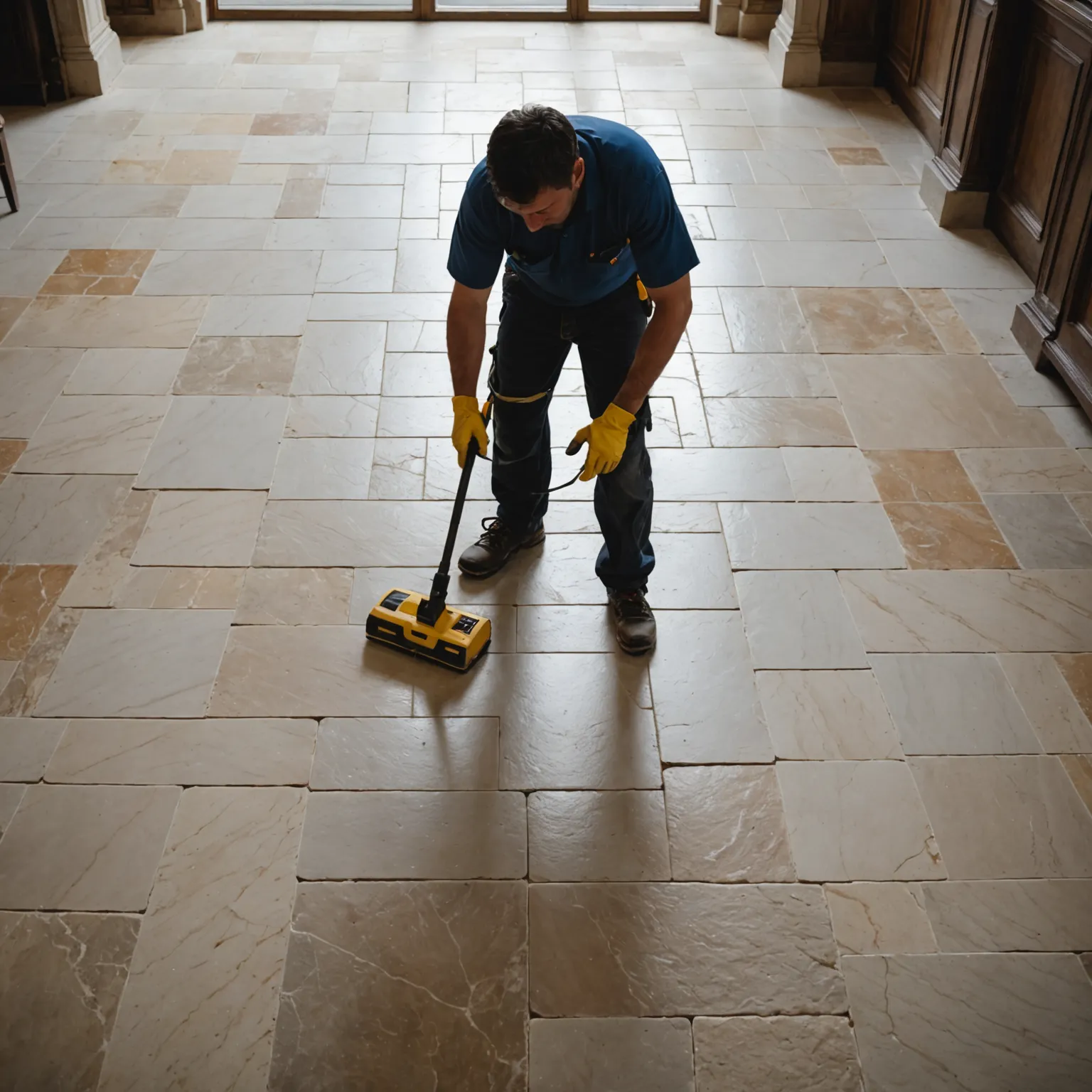
Observation from professionals: stone surfaces cleaned regularly with mild products keep their original texture twice as long as those subjected to harsh, infrequent cleaning.
Protecting stone from moisture and external factors
Even strong stone reacts to prolonged moisture exposure. Temporary darkening after rain is normal and reversible.
Protective impregnations reduce water absorption and simplify maintenance. They do not form a visible film.
This is particularly important for porous materials such as travertine used indoors and outdoors.
Protective treatments are typically renewed every few years, depending on usage conditions.
Natural stone continues to respond to its environment even when it appears completely stable. Temperature changes, moisture, and everyday use slowly affect its condition. That is why preventive care is just as important as cleaning.
What should never be done with stone surfaces
The most common mistake is using universal household cleaners. Products for tiles or bathrooms often contain acids or alkalis.
Abrasive powders are equally harmful. They leave micro-scratches that gradually dull the surface.
Leaving wet mats or objects on stone for long periods is also risky. Moisture trapped underneath causes localized dark spots.
Sudden temperature exposure, such as placing hot items directly on stone, creates internal stress.
Caring for facades and outdoor stone
Exterior stone is exposed to harsher conditions than interior surfaces. Rain, dust, and sunlight slowly change its appearance.
The goal of maintenance is to prevent dirt buildup inside pores. Periodic rinsing with moderate water pressure is usually sufficient.
Special attention should be paid to joints and edges where moisture accumulates.
For complex cases, consulting specialists through the contact page helps choose safe cleaning methods.
Surface restoration and polishing
Over time, even well-maintained stone may lose its shine. This does not mean the material has weakened.
Light repolishing restores color depth and removes minor scratches.
Do-it-yourself restoration is only advisable with proper experience and tools.
Regular maintenance is far more cost-effective than replacing stone elements.
When restoration becomes necessary
If the surface feels rough or stains no longer disappear, restoration should be considered. Delaying action may lead to deeper damage.
Outdoor elements show these signs faster due to climate exposure.
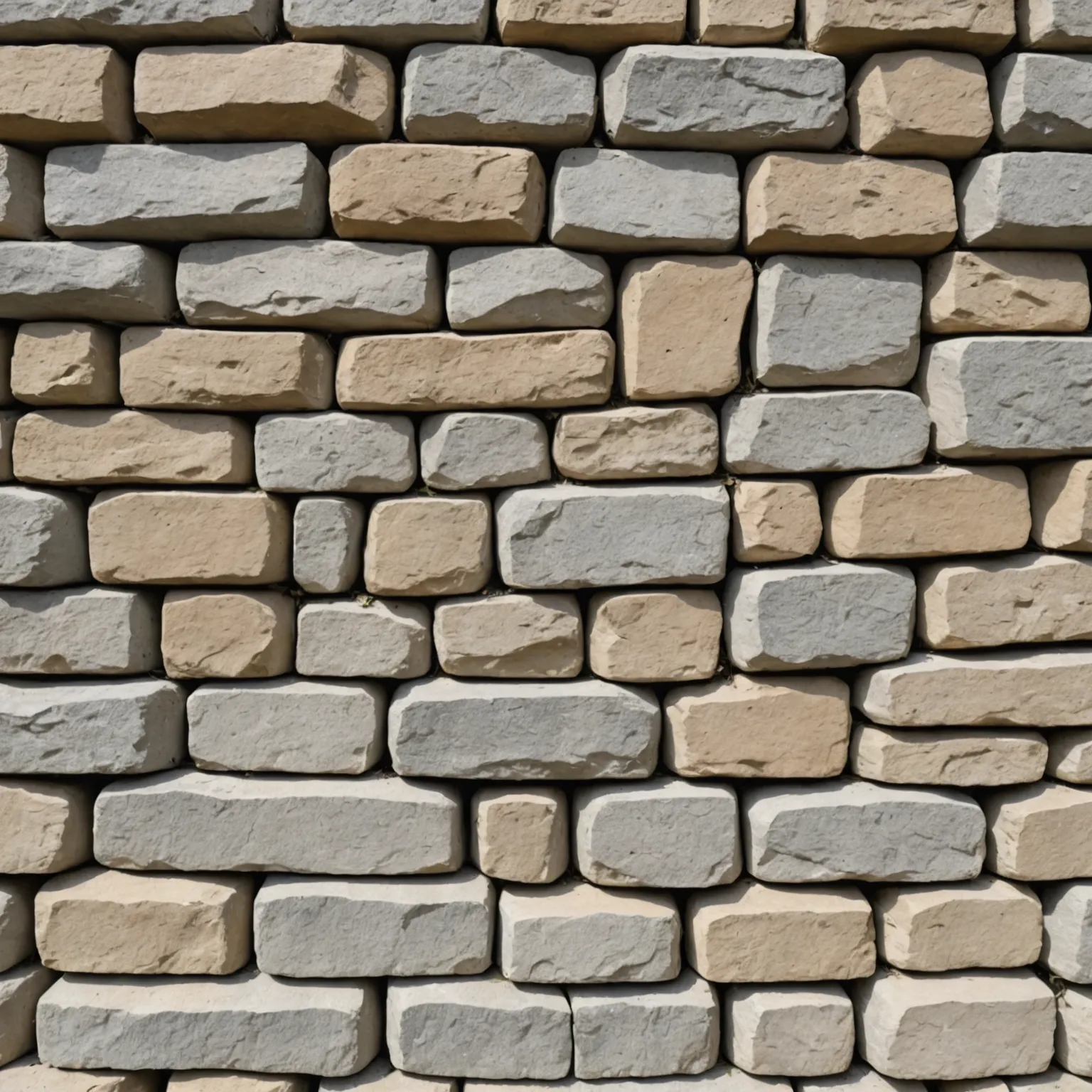
Comparing care requirements for different stone types
| Stone type | Chemical sensitivity | Need for impregnation |
|---|---|---|
| Granite | Low | Optional |
| Marble | High | Recommended |
| Travertine | Medium | Required |
Using stone in residential interiors
Inside homes, stone is often placed in high-contact areas. Window sills, stairs, and countertops require extra attention.
Simple habits like using heat pads and entry mats significantly reduce wear.
With proper use, stone ages gracefully while preserving its texture.
Examples of long-term results can be seen in the project gallery, where maintenance quality is clearly visible.
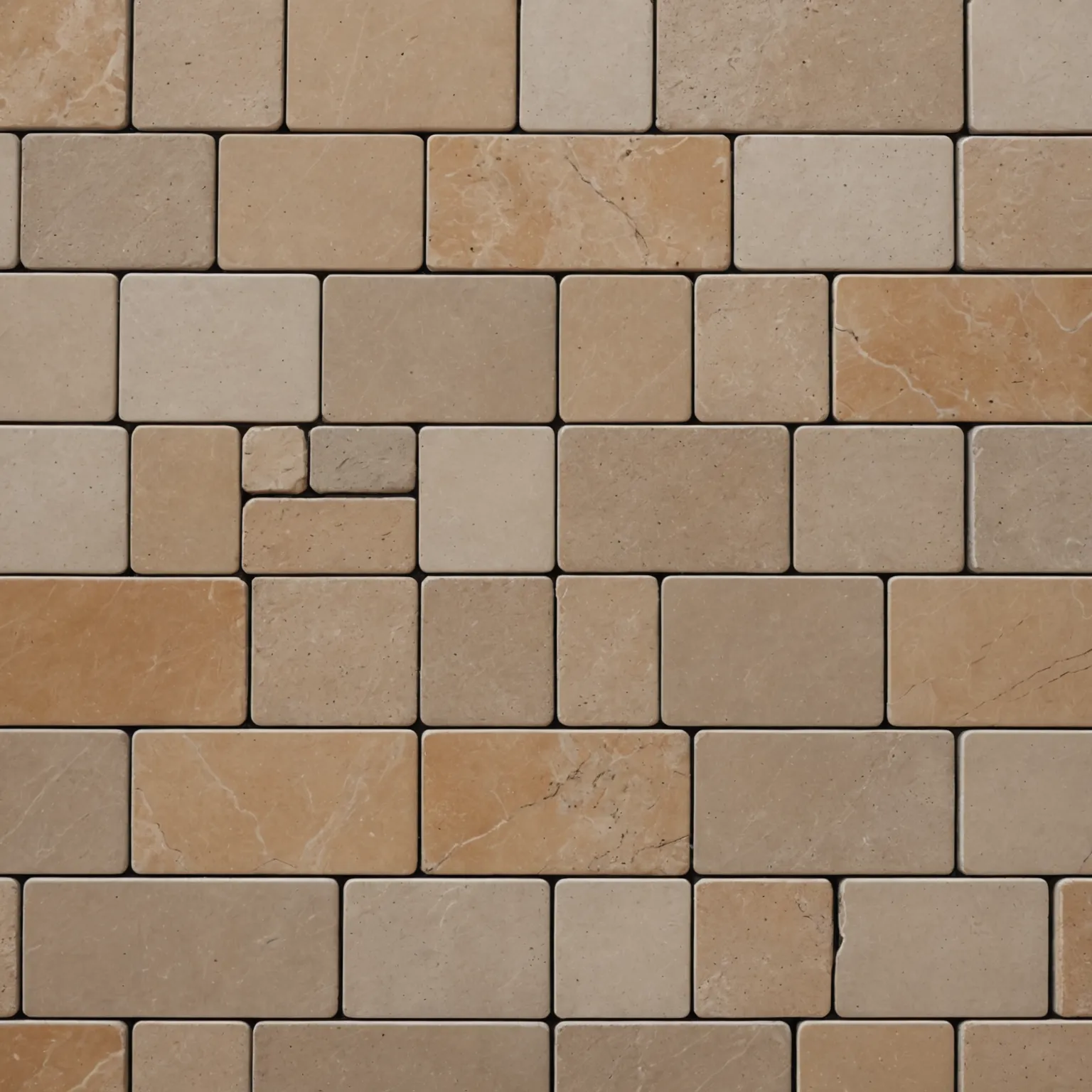
Practical advice: if unsure about a cleaning product, it is safer to leave slight dirt than to damage the surface with aggressive chemicals.
Mini case: in a house with stone stairs, owners stopped using universal cleaners. After five years, the surface retained its color and required only light polishing.
- Stone needs regular but gentle maintenance.
- Aggressive chemicals cause more harm than daily wear.
- Protective treatments simplify long-term care.
- Prevention is cheaper than restoration.
FAQ
Can stone be cleaned with regular floor cleaners?
Generally no. These cleaners are designed for ceramic tiles or laminate and may damage stone over time. Neutral products are safer for routine care.
Is impregnation necessary indoors?
For porous stone, impregnation is advisable. It reduces absorption and simplifies cleaning. For dense stone in dry areas, it is optional.
What if a dark stain appears?
Often it is moisture-related and disappears after drying. Persistent stains require products designed for the specific stone type.
Can shine be restored without polishing?
Sometimes deep cleaning and renewing protection is enough. Mechanical wear, however, usually requires polishing.
How often should facade stone be maintained?
An annual inspection is usually sufficient, with cleaning as needed. Urban environments may require more frequent care.
Are scratches dangerous?
Minor scratches are mostly cosmetic. They are more noticeable on polished surfaces but do not affect structural integrity.
When should professionals be contacted?
If stains cannot be removed or the surface has noticeably degraded, professional advice helps avoid costly mistakes. For guidance, contact +380(50)433-01-01.
Is stone suitable for families with children?
Yes, when the stone type and finish are chosen correctly. Stone is durable and easy to maintain, though light colors require slightly more attention.


