
 Kiev, ave. Lobanovsky, 14


 +3 80 (50) 433-01-01
 Video
Video 3D Tour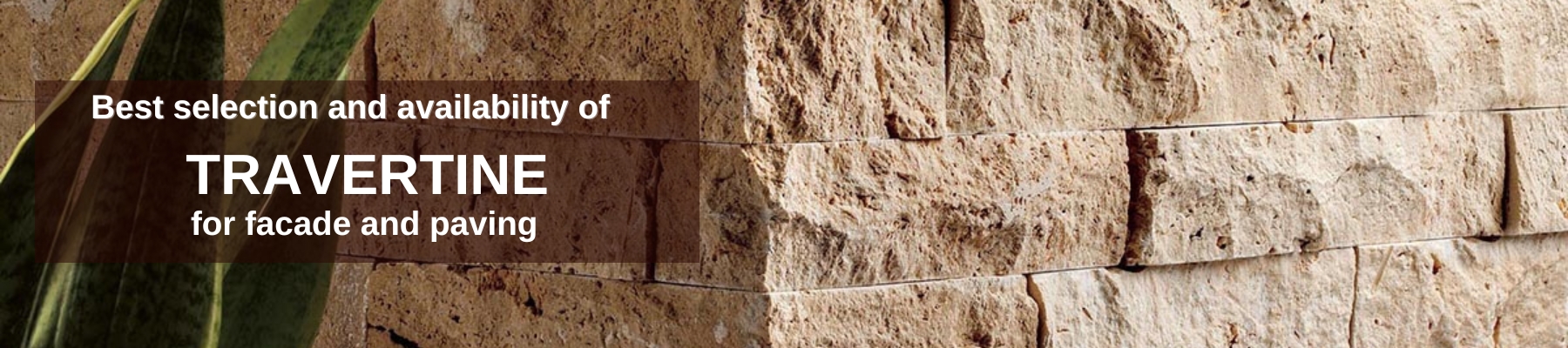

TRAVERTINE
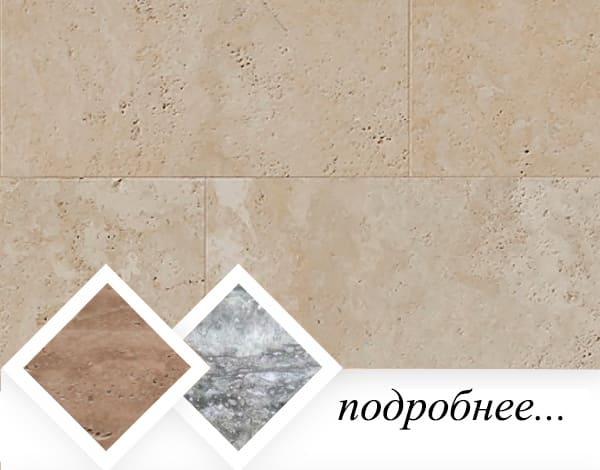

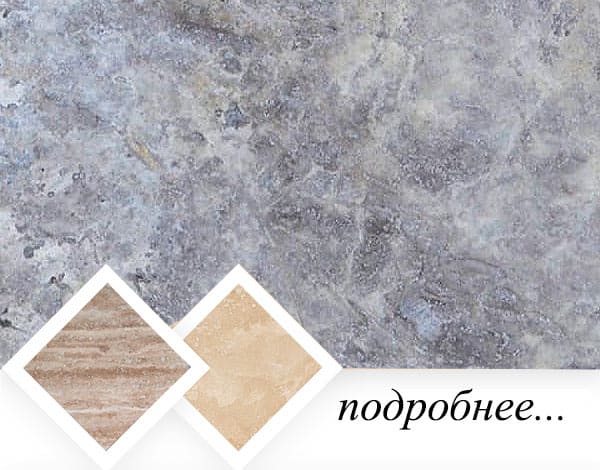


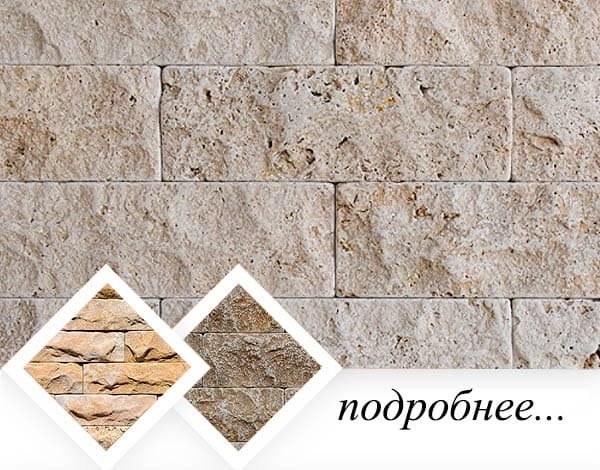
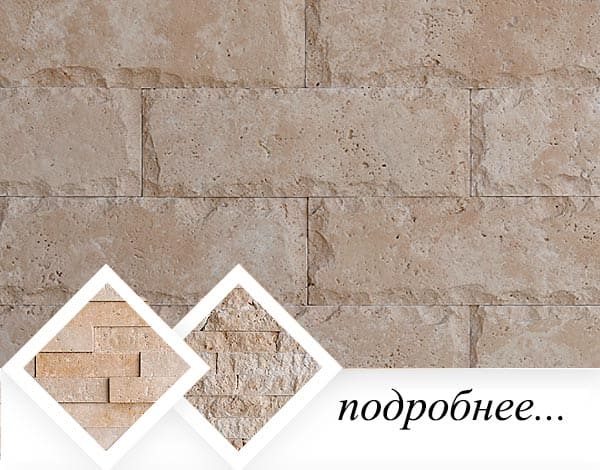

Popular collections


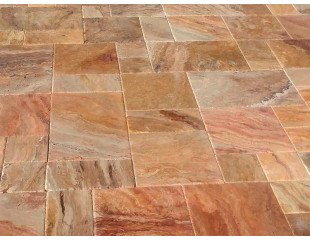
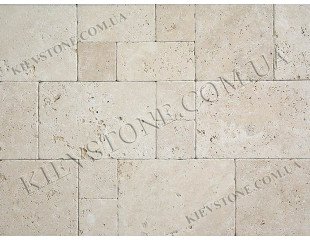
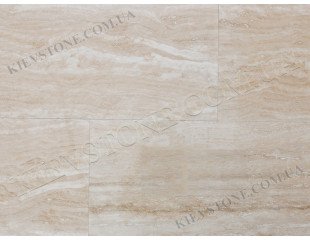

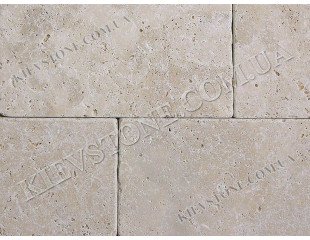
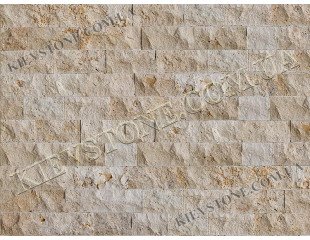
Buy Travertine in Ukraine for Facades, Floors and Terraces
Travertine is a natural limestone-based stone with a porous structure, warm beige tones and a recognizable natural texture. It is used for facades, floors, terraces, garden paths, steps, pool areas, decorative walls and interior projects. In the KievStone catalog, you can choose travertine in different finishes, including brushed, tumbled, filled, split-face, floor, decorative and mosaic collections.
When choosing travertine for a facade, floor or outdoor area, it is important to look beyond color and price per m2. In real projects, tile thickness, format, surface finish, application area, installation conditions and expected load matter just as much. Textured and denser formats are usually preferred for facades, smoother tiles are more practical for floors, and outdoor terraces or paths need a surface that feels comfortable and safe for walking.
Quick selection guide: travertine should be selected according to where and how it will be used. Facades, floors, terraces and pathways require different formats, finishes and thicknesses. A proper choice helps create a natural stone surface that looks balanced, practical and suitable for long-term use.
Travertine for House Facades
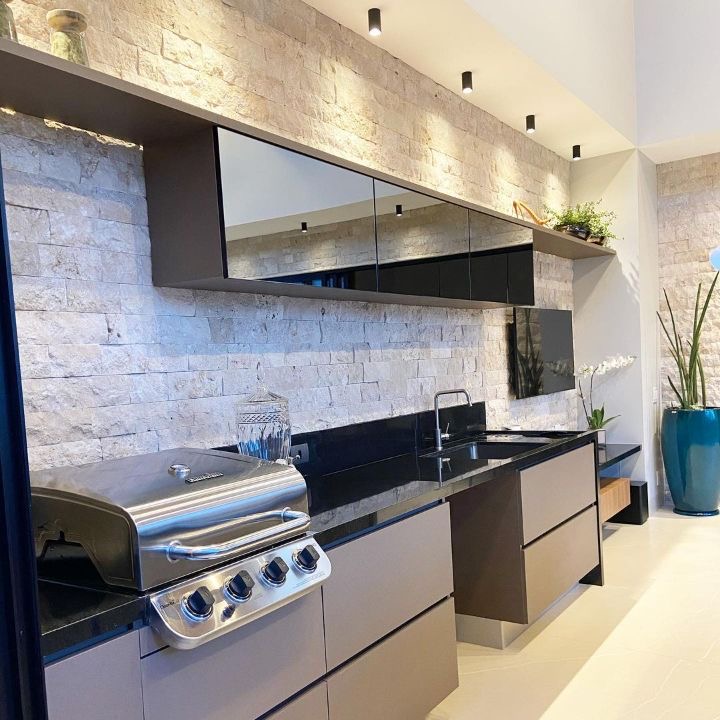
Travertine is often used for house facades, plinths, columns, entrance areas, terrace walls and decorative exterior surfaces. Its light natural shades work well with glass, wood, metal, plaster and dark roofing. A split-face or textured finish adds depth to the facade and makes the stone look more expressive without making the exterior feel overloaded.
For exterior use, travertine should be selected according to thickness, density, surface finish and installation method. Facade stone is exposed to moisture, sun, wind and seasonal temperature changes, so the material should not be chosen by appearance alone. Before ordering, it is useful to compare samples in natural daylight, because travertine can look different outdoors than it does in a showroom or on a screen.
Travertine Floor Tiles
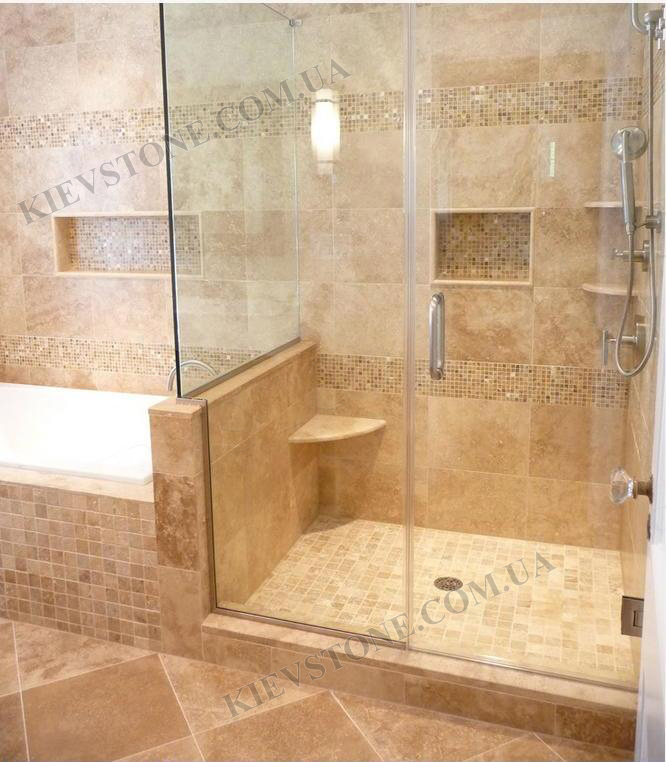
Travertine tiles are suitable for floors in halls, living rooms, kitchens, bathrooms, corridors, terraces and lounge areas. For indoor spaces, brushed, filled or floor travertine with accurate geometry is usually selected. Such stone looks natural, visually soft and works well with wood, light walls, calm interior colors and other neutral finishing materials.
For flooring, it is important to consider traffic, humidity, cleaning frequency and the purpose of the room. A bathroom and kitchen need a practical surface, a living room often depends more on shade and pattern, while a terrace requires thickness and resistance to outdoor conditions. The same travertine can look different in a small room, a large private house and an open outdoor area.
Travertine Price per m2: What Affects the Cost
The price of travertine per m2 depends on the collection, tile size, thickness, surface finish, color and stone batch. The catalog includes popular travertine products with prices, sizes and article numbers, so several options can be compared before ordering. Facade travertine, floor tiles, mosaics, split-face stone and tumbled formats may differ in price because they are used for different tasks.
When calculating a project budget, it is better to consider not only the price of one square meter. Facade cladding, flooring or terrace installation may require additional material for cutting, pattern selection, layout details and base preparation. For larger projects, it is recommended to check stock availability and stone batch consistency in advance.
How to Choose Travertine for Your Project
| Application | What to consider | Suitable option |
|---|---|---|
| House facade | Thickness, density, texture, color, installation method | Split-face, brushed or filled travertine |
| Indoor floor | Tile geometry, format, cleaning convenience, humidity | Floor, brushed or filled travertine |
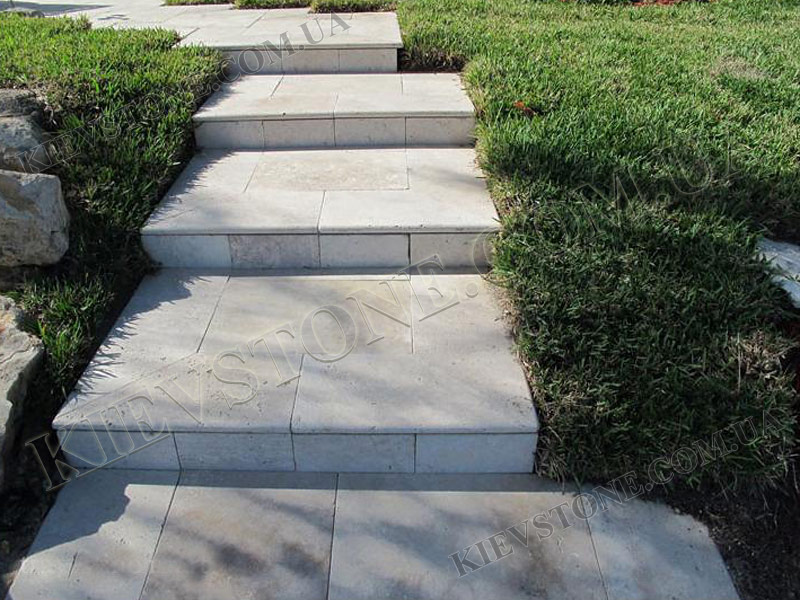
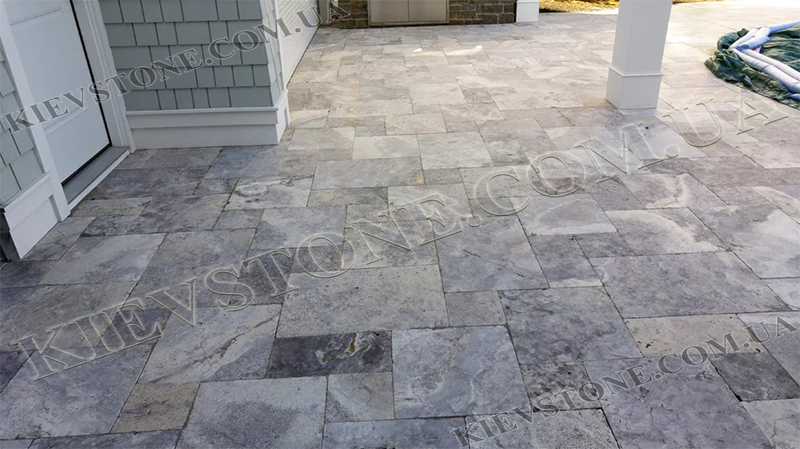
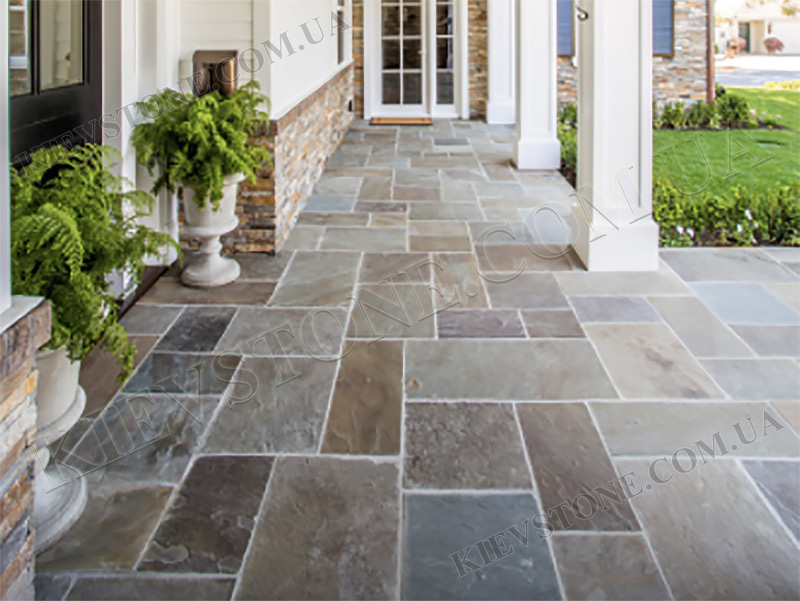
| Terrace and paths | Surface finish, thickness, moisture, outdoor load, base preparation | Tumbled, textured or paving travertine |
| Decorative wall | Relief, shade, lighting and interior style | Decorative collection, mosaic or antique travertine |
Travertine Collections in the Catalog
The catalog includes several types of travertine by finish and purpose. Brushed travertine is suitable for calm interiors, floors and neat wall cladding. Tumbled travertine has a softer aged look and is often used for terraces, paths and decorative projects. Filled travertine has a more even surface because natural pores are additionally processed.
Split-face travertine is usually selected for facades, plinths, accent walls and projects where a strong natural stone texture is needed. Floor travertine is practical for indoor surfaces, while travertine mosaic is suitable for bathrooms, kitchens, decorative inserts and smaller areas. Since travertine is a natural material, the pattern and shade may vary from batch to batch.
Travertine Installation and Care
Installation quality strongly affects the final look and service life of travertine. For floors, the base should be prepared properly, the adhesive should match the project conditions, and joints should be finished carefully. For facades, additional factors include stone weight, cladding height, wall condition and outdoor exposure.
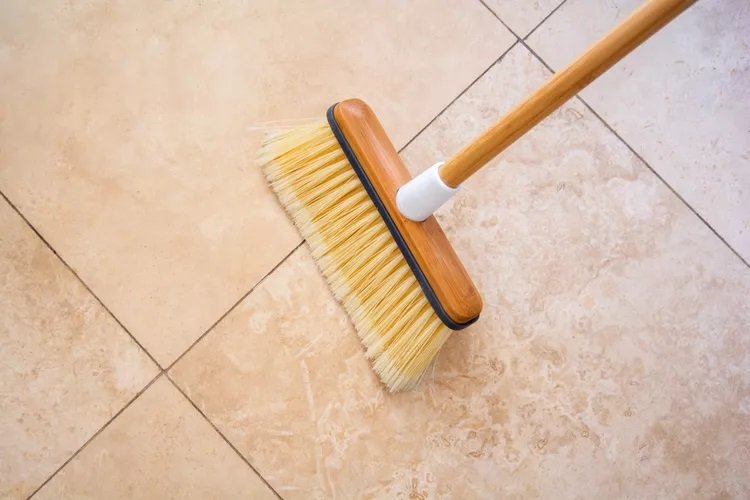
Travertine care is not complicated, but it requires a proper approach. For regular cleaning, mild products without aggressive acids or abrasive particles are usually enough. Outdoor surfaces should be periodically cleaned from dust, leaves and dirt, and special sealers for natural stone may be used when additional protection is needed.
Why Buy Travertine from KievStone
KievStone works with natural stone for facades, interiors, paving, decorative finishing and private construction projects. In the catalog, travertine can be selected by color, texture, size, finish and application. For a good result, it is important not only to choose a beautiful tile, but to match the material to specific conditions: facade, floor, terrace, paths, walls or a pool area.
Before ordering, you can clarify stock availability, price per m2, format, thickness and delivery options across Ukraine. If travertine is needed for a facade, interior or landscape project, it is better to confirm the area, desired shade, surface type and installation conditions in advance. This helps avoid unnecessary costs and choose stone that fits the object both visually and technically.
- Travertine is suitable for facades, floors, terraces, paths and interiors.
- Travertine price per m2 depends on format, finish, thickness and stone batch.
- For facades, density, texture and proper installation are especially important.
- For floors, brushed, filled or floor travertine is usually the practical choice.
- Before ordering, it is better to compare real samples, not only photos.
FAQ
How much does travertine cost per m2?
The price of travertine per m2 depends on the collection, tile size, thickness, surface finish, color and stone batch. For an accurate calculation, it is better to consider the project area, cutting reserve, installation method and base preparation. Large projects should also check batch availability before ordering.
Can travertine be used for facades?
Yes, travertine is used for facades, plinths, columns, entrance areas and decorative exterior walls. For facade cladding, thickness, density, surface texture and installation method should be selected according to outdoor conditions. It is also useful to consider the roof color, architectural style and natural lighting.
Which travertine is suitable for floors?
For floors, brushed, filled or floor travertine with accurate geometry is usually selected. The best option depends on humidity, traffic, cleaning frequency and whether the stone will be used indoors or outdoors. A kitchen, bathroom, living room, corridor and terrace may require different surface finishes.
What is the difference between split-face and brushed travertine?
Split-face travertine has a more pronounced relief texture and is often used for facades, plinths, decorative walls and exterior cladding. Brushed travertine looks smoother and calmer, so it is more suitable for floors, walls and interiors where a neat natural texture is needed without a strong relief.
Is travertine suitable for terraces and paths?
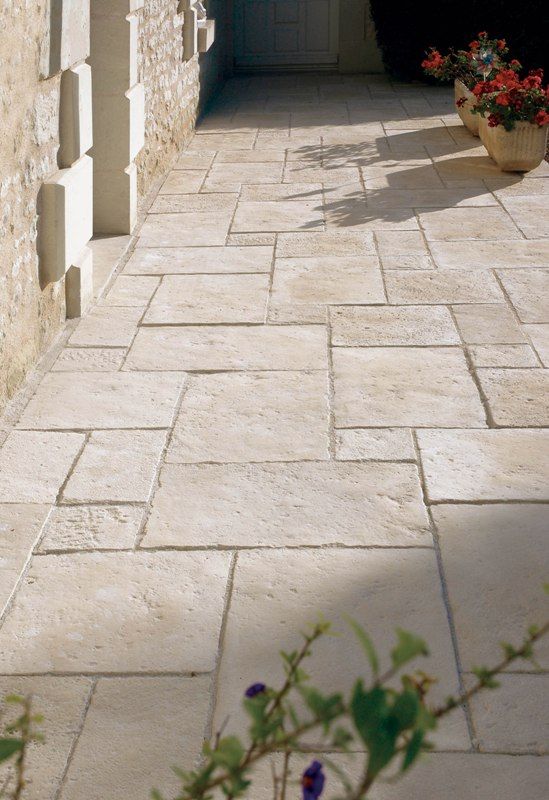
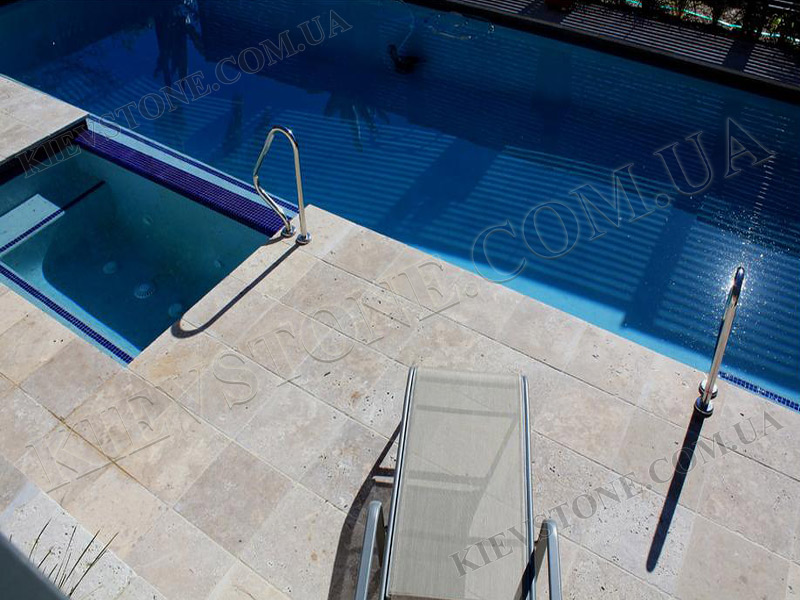
Travertine can be used for terraces, garden paths, patios and pool areas. For outdoor use, tile thickness, surface finish, base preparation, drainage and installation quality are especially important. Outdoor stone constantly works with moisture, load and temperature changes, so the format should be chosen carefully.
Can travertine be delivered across Ukraine?
Yes, travertine can be ordered with delivery across Ukraine. Before shipment, it is recommended to confirm the required collection, number of square meters, tile format, thickness and unloading conditions. For larger projects, the stone batch should be agreed in advance so that shade and texture remain as consistent as possible.











.jpg)


