
 Kiev, ave. Lobanovsky, 14


 +3 80 (50) 433-01-01
 Video
Video 3D Tour
How to Create a Luxurious Interior with Natural Stone
In the evening, light in the living room falls at an angle, and that is when the material of walls and floors starts to shape how the space feels. Smooth surfaces reflect the warmth of lamps, stone keeps a subtle coolness, and the interior suddenly gains depth. Natural stone in an interior works not as decoration, but as an architectural foundation.
When people think about creating a truly refined interior, they often focus on furniture and color palettes. Over time, it becomes clear that materials define the sense of balance and status. Stone sets the rhythm of a room, emphasizes geometry, and gives the space visual stability.
Mistakes with natural stone in interior design are costly. A poorly chosen texture, the wrong format, or excessive use can turn a good idea into a heavy structure. That is why it is important to understand how stone lives within a space, whether it is a kitchen, a bathroom, or a lounge area with elements of marble products.
How to create a luxurious interior with natural stone: the challenge lies in integrating stone without visually overloading the space. Natural stone solves the task of depth, texture, and spatial integrity. The practical benefit is an interior that remains relevant for years and does not lose its expressive quality over time.
The role of natural stone in interior perception
Stone is perceived differently from artificial materials. It does not imitate texture but forms it naturally. This gives the interior a more authentic and structured feel.
Natural stone adds visual weight. Even a small stone accent can define the character of an entire room. This is especially noticeable in minimalist interiors where every material matters.
Stone interacts strongly with light. It can soften illumination or highlight contrasts depending on surface treatment. This makes lighting design a key part of working with stone.
Scale is critical. Large stone surfaces work best in spacious interiors, while compact rooms benefit from restrained and carefully placed stone elements.
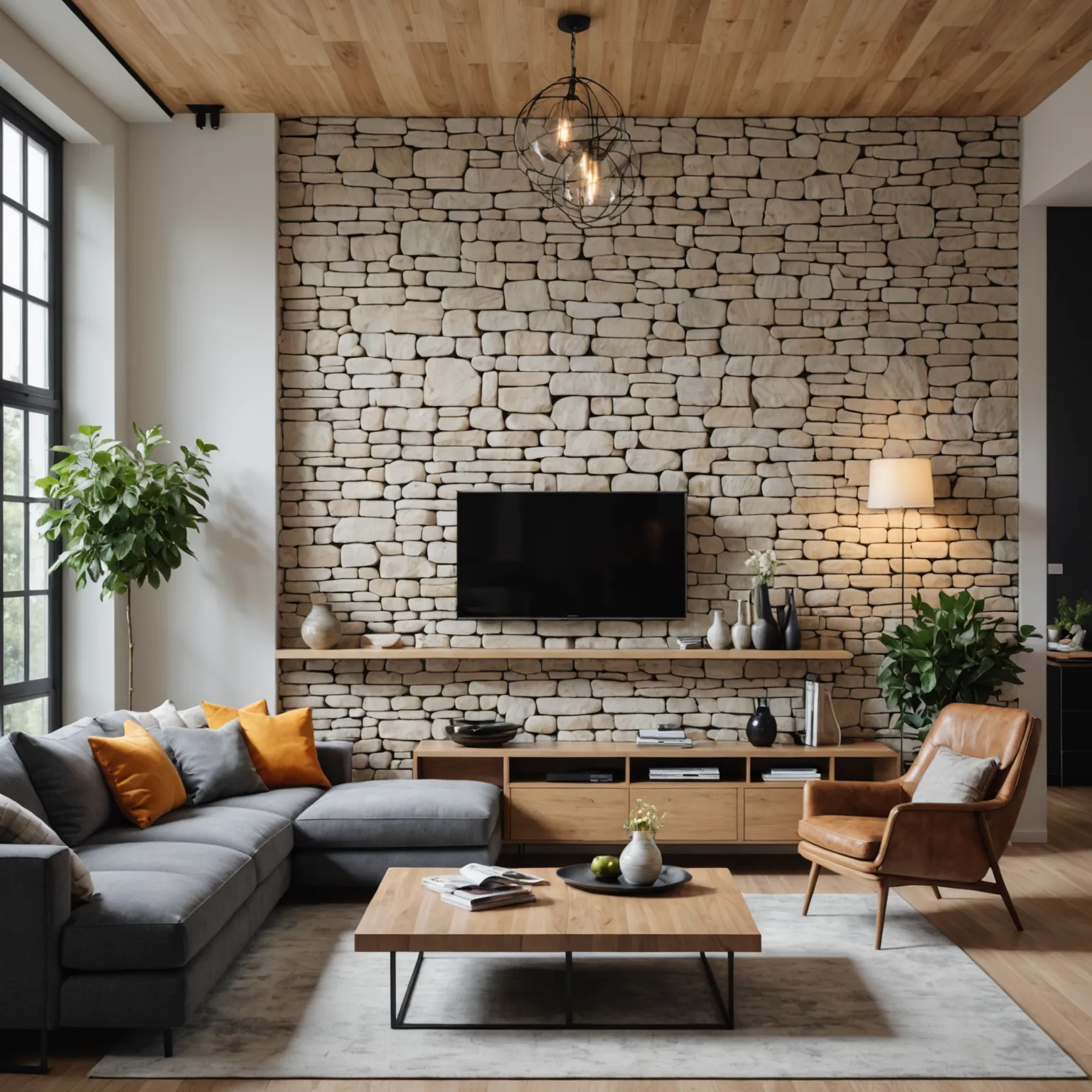
Choosing the right stone: aesthetics and function
Different stone types behave differently in interiors. Some convey a ceremonial feeling, others create warmth and comfort. The choice should be based on both appearance and the function of the space.
Moisture resistance and stability matter in wet areas. In living spaces, tactile comfort and visual softness become more important.
Stone color and pattern influence spatial perception. Light tones visually expand rooms, while darker stones add depth and intimacy.
When working with natural stone, it is essential to consider how it will combine with wood, metal, and textiles to maintain a coherent interior.
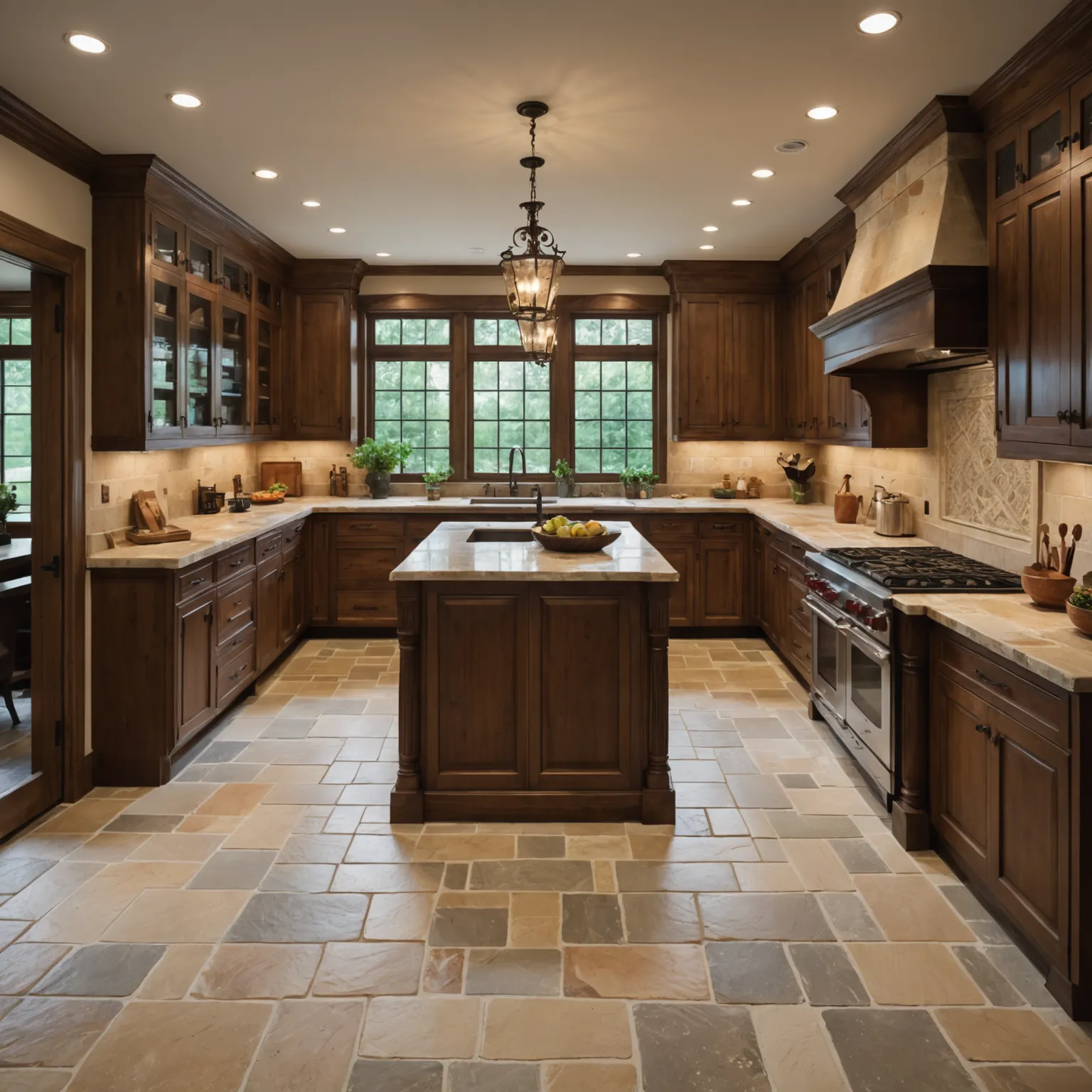
Stone as an accent or a structural base
Natural stone can function as a background material or as a dominant accent. The role should be defined at the design stage.
Accent use highlights specific zones such as fireplaces, headboards, or feature walls. In these cases, stone acts as a visual anchor.
When stone becomes the base material, it shapes the architecture of the interior. This approach is common in entrance halls, staircases, and large living rooms.
A balanced result is achieved by combining stone with calmer materials and a neutral color palette.
Designers often note that interiors with natural stone feel more expensive not because of the material cost, but due to the sense of structural coherence it creates.
Once the overall interior concept is defined, natural stone begins to work on a more subtle level. At this stage, it is not only about visual impact but also daily experience: how the surface feels to the touch, how it changes under different lighting conditions, and how naturally it integrates into everyday life.
Surface finish and texture: how stone feels in an interior
The type of surface treatment directly affects how stone is perceived indoors. Polished stone enhances light reflection and highlights the natural pattern of the material. It creates a sense of clarity and precision.
Honed or matte finishes feel calmer and warmer to the touch. Such surfaces are visually softer and work well in bedrooms, bathrooms, and relaxation areas.
Textured or split-face stone adds depth and character, but it must be used carefully. In interiors, it functions best as an accent and requires well-planned lighting to avoid visual overload.
The choice of finish should always be linked to room function and usage patterns, not just aesthetics.
Natural stone in different rooms
In living rooms, stone often becomes a compositional focal point. It emphasizes architectural lines and sets the emotional tone of the space. Expressive textures and larger formats work especially well here.
Kitchens demand practicality. Surfaces should be easy to clean and resistant to moisture. For this reason, dense stones with controlled texture are frequently used, including properly treated travertine.
In bathrooms, stone creates a spa-like atmosphere. It visually unifies walls and floors, forming a cohesive and calming environment.
In entryways and halls, stone serves a protective role, handling heavy use while maintaining a refined appearance.
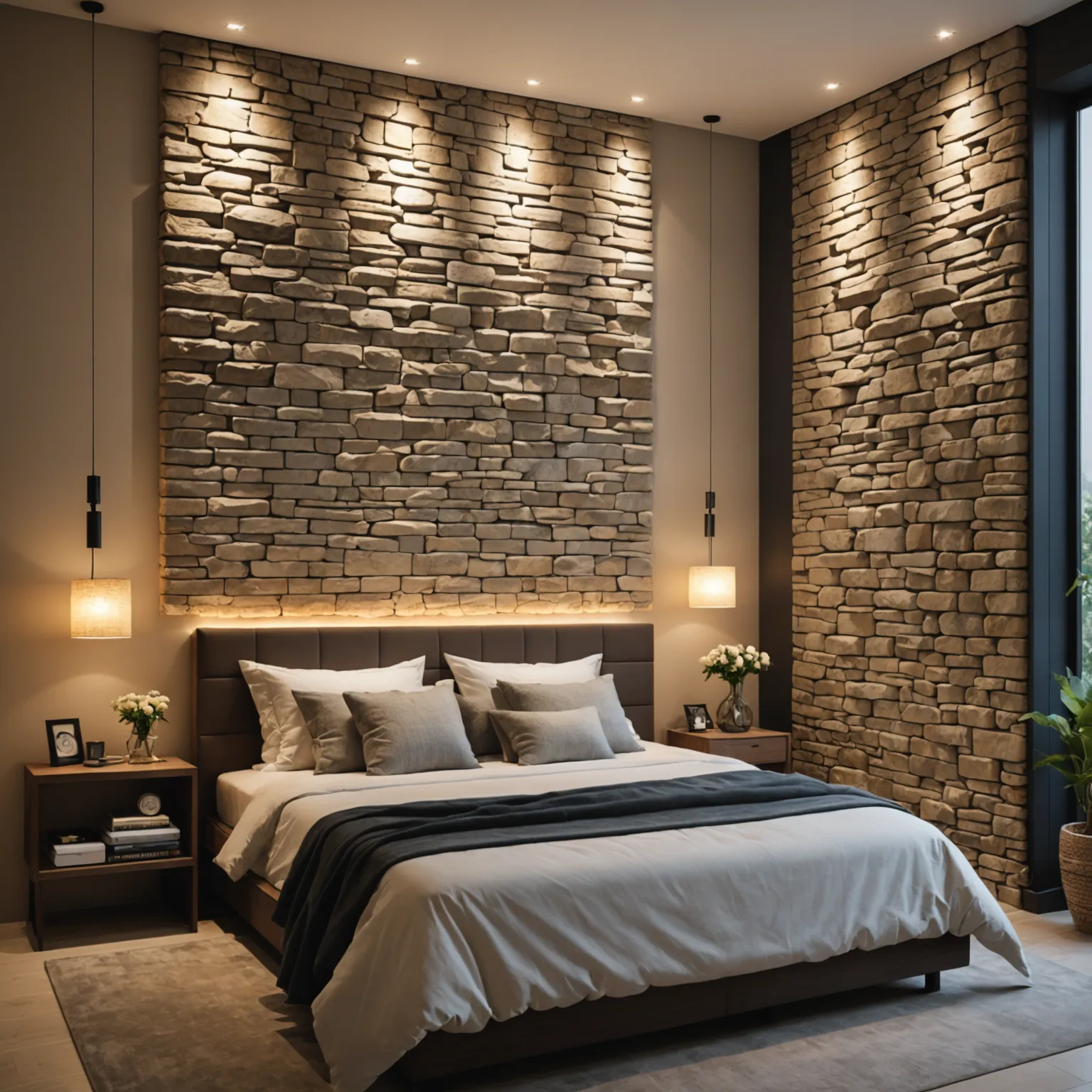
Color, light, and spatial balance
Lighting reveals stone more effectively than any decorative element. Warm light softens the surface, while cooler light emphasizes structure and contrast.
The direction of light matters. Side lighting highlights relief and texture, while frontal lighting makes surfaces appear smoother and more uniform.
Stone color should support the overall interior palette. High-contrast solutions can be striking but require precise balance.
Natural stone tones pair well with wood, metal, and textiles, creating a finished and harmonious interior composition.
Comparison of popular interior stone solutions
A simple comparison helps clarify which stone types work best for specific interior goals.
| Stone type | Visual effect | Practicality | Recommended areas |
|---|---|---|---|
| Marble | Elegant, expressive | Medium | Living rooms, bathrooms |
| Travertine | Warm, calm | Good | Kitchens, wall cladding |
| Slate | Textured, graphic | High | Accent walls |
Common mistakes when using stone indoors
One frequent mistake is using too much stone in small spaces. This can make interiors feel heavy and visually reduced.
Another issue is neglecting lighting. Without thoughtful illumination, even high-quality stone loses its impact.
Incorrect format or scale also disrupts balance. Stone size should always correspond to room proportions.
Careful planning and testing samples in real lighting conditions help avoid these problems.
Practical tip: always view stone samples under the actual lighting conditions of the space before making a final decision.
When stone becomes the core design element
In some interiors, stone moves beyond a supporting role and becomes the conceptual center. This is typical for spacious homes and open-plan layouts.
Here, stone defines mood and style, while other materials simply support it.
Such solutions require precise sense of proportion to keep the interior balanced and comfortable.
For inspiration and real-world examples, explore completed stone interiors that show how the material performs in lived-in spaces.
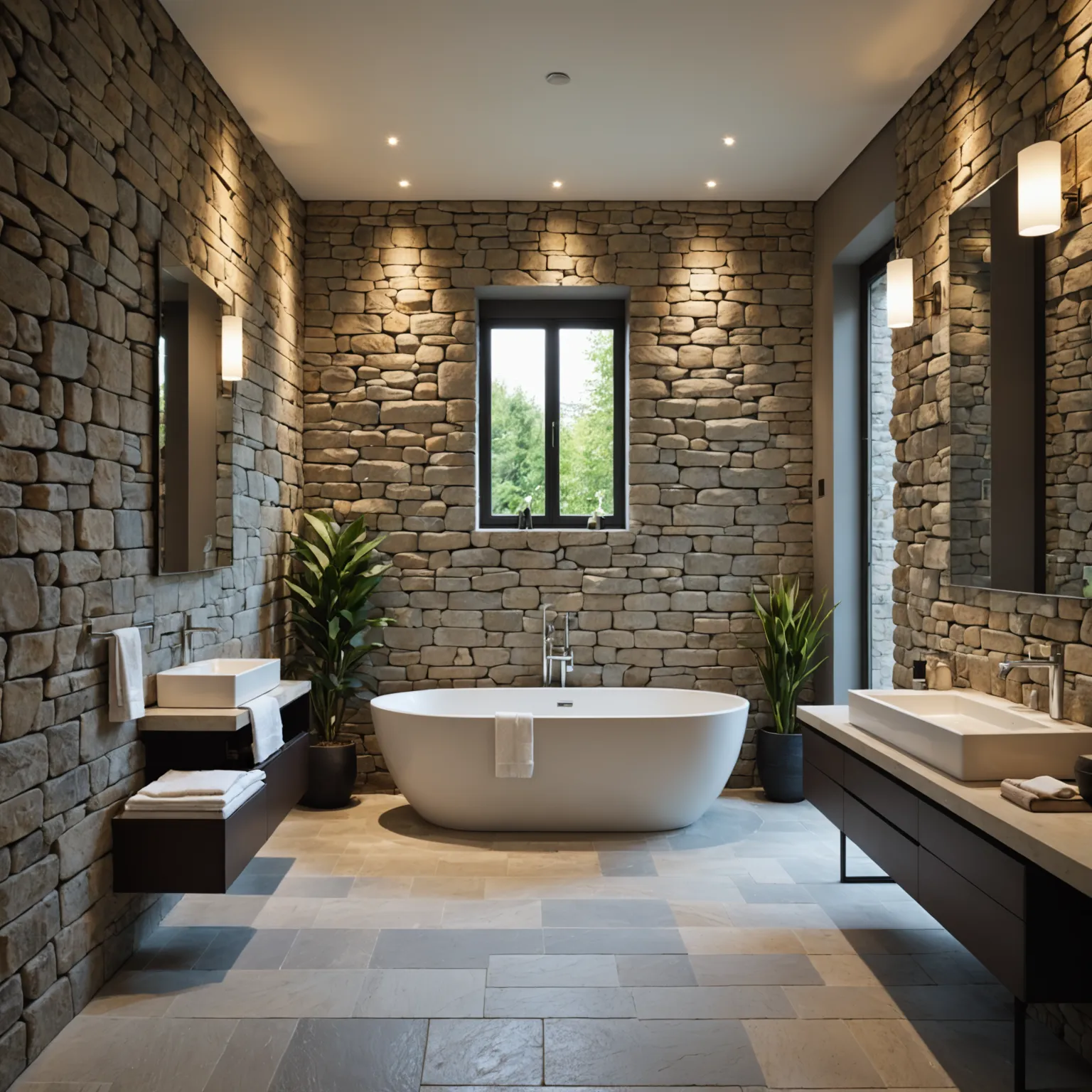
Mini case: in one project, slate was used on just a single living room wall, yet it was enough to define the character of the entire interior.
- Stone shapes interior architecture, not just decoration.
- Texture and lighting matter more than color alone.
- Material balance enhances stone’s impact.
- Controlled use is more effective than excess.
FAQ
Is natural stone suitable for small interiors?
Yes, when used selectively. In compact spaces, stone works best as an accent or limited surface. Choosing calm tones and avoiding overly active textures helps maintain balance.
Which stone is most often used in kitchens?
Kitchens typically use dense and practical stone that is easy to clean and moisture-resistant. With proper treatment, such materials handle daily use well.
Should stone be combined with other natural materials?
Combining stone with wood, metal, and textiles adds warmth and balance. At the same time, stone can stand alone if space and lighting are carefully designed.
How does lighting affect the appearance of stone?
Lighting dramatically changes stone perception. Daylight highlights natural patterns, while artificial light allows designers to control mood and emphasis.
Is natural stone difficult to maintain indoors?
Maintenance depends on stone type and finish. Most interior applications require only regular cleaning and appropriate care products.
Where can I get professional advice on interior stone selection?
For tailored stone selection based on interior style and conditions, professional consultation is recommended. You can use the contact information to discuss your project in advance.


