
 Kiev, ave. Lobanovsky, 14


 +3 80 (50) 433-01-01
 Video
Video 3D Tour
Comparison of Different Types of Stone: Advantages and Disadvantages
The morning near a house often begins with a step onto a stone surface. The slab feels cool underfoot, slightly rough, with a familiar sound when shoes touch the stone. At moments like this, it becomes clear that stone is chosen not only for how it looks. In a real home, it interacts daily with people, weather, and time.
For facades, steps, terraces, and window sills, stone behaves differently. Some materials easily handle rain and frost, while others perform better indoors. What appears similar in photos can deliver very different results after several seasons of use.
That is why stone should be compared by its physical properties, not just color or texture. Density, porosity, and reaction to moisture and temperature changes determine how the material will perform years later.
Types of stone for the home: pros and cons of different materials: the main challenge is that appearance alone does not reveal real performance. Natural stone solves issues of durability and surface stability when selected correctly. The homeowner gains predictable behavior and fewer unexpected maintenance costs over time.
Natural stone in residential construction
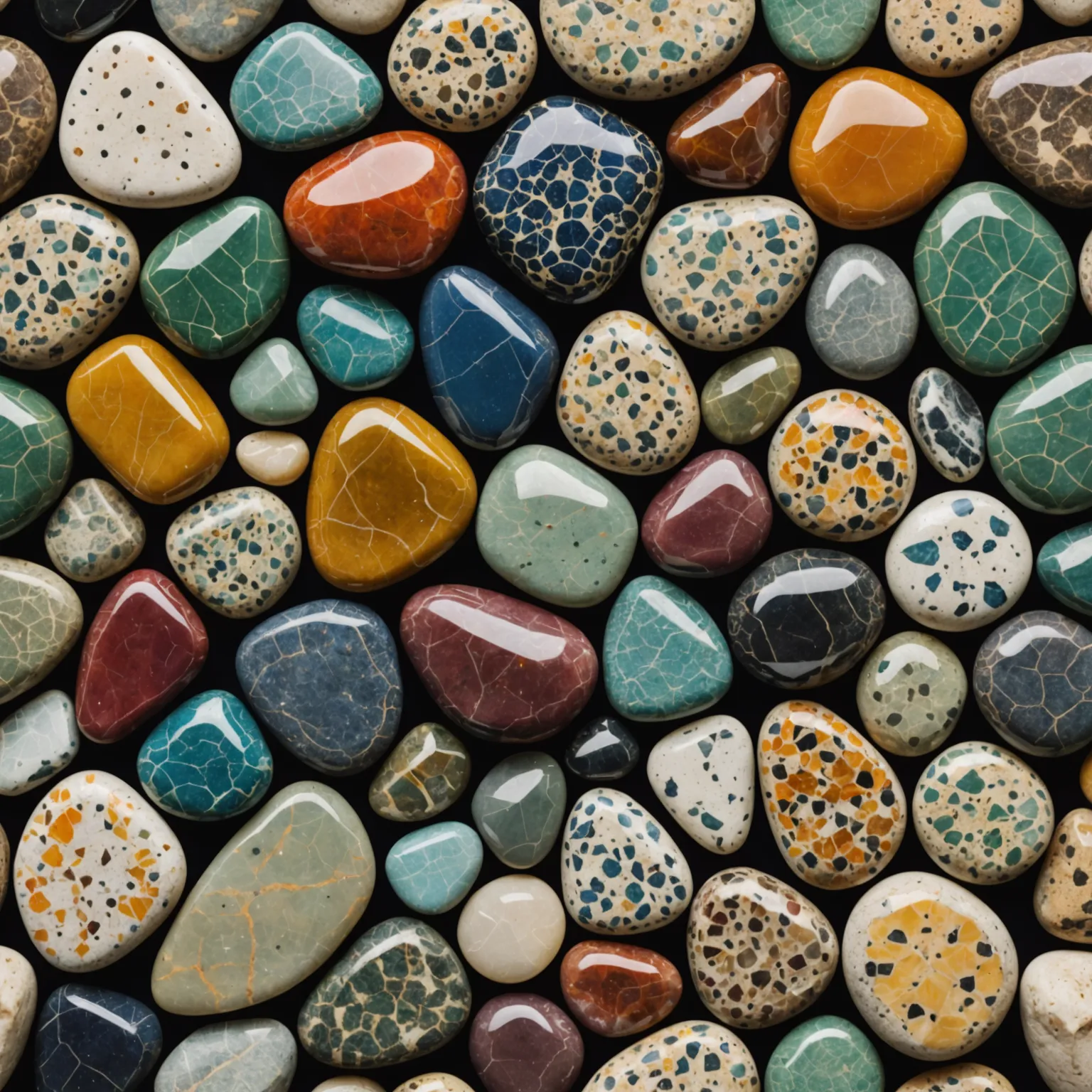
Natural stone is usually chosen for areas exposed to constant stress. Entrance zones, staircases, and hallways experience continuous mechanical load. These are the places where the true qualities of stone become visible.
Each type of stone forms under different geological conditions, which affects its internal structure. Dense stones absorb little moisture but feel colder to the touch. More porous stones feel warmer but require additional protection.
When combined with wood, metal, or glass, stone emphasizes the natural character of a space. However, a poorly chosen material can clash in texture or maintenance requirements.
Understanding exactly where and how the stone will be used is the foundation of a correct choice.
Travertine: soft texture with maintenance considerations
Travertine is often selected for interiors because of its warm tones and calm visual pattern. Its surface has slight porosity, which can be felt even by touch.
This structure makes travertine more sensitive to moisture. Outdoors, it requires protective treatments, while indoors it performs more predictably.
Travertine works well for window sills, interior staircases, and wall cladding. It does not overload a space and pairs easily with neutral finishes.
More details about characteristics and applications can be found on the page natural travertine, which includes practical use cases.
Slate: durability with a strong visual identity
Slate is recognizable by its layered structure and natural relief. This texture performs especially well on facades and roofs, where resistance to weather is essential.
The material tolerates moisture, frost, and heat without losing shape or color. Even under heavy use, slate retains its structural integrity.
In interiors, slate is used selectively. Its expressive surface requires adequate space and light to avoid visual heaviness.
Most often, slate is applied outdoors, which is clearly demonstrated in examples of slate roofing solutions.
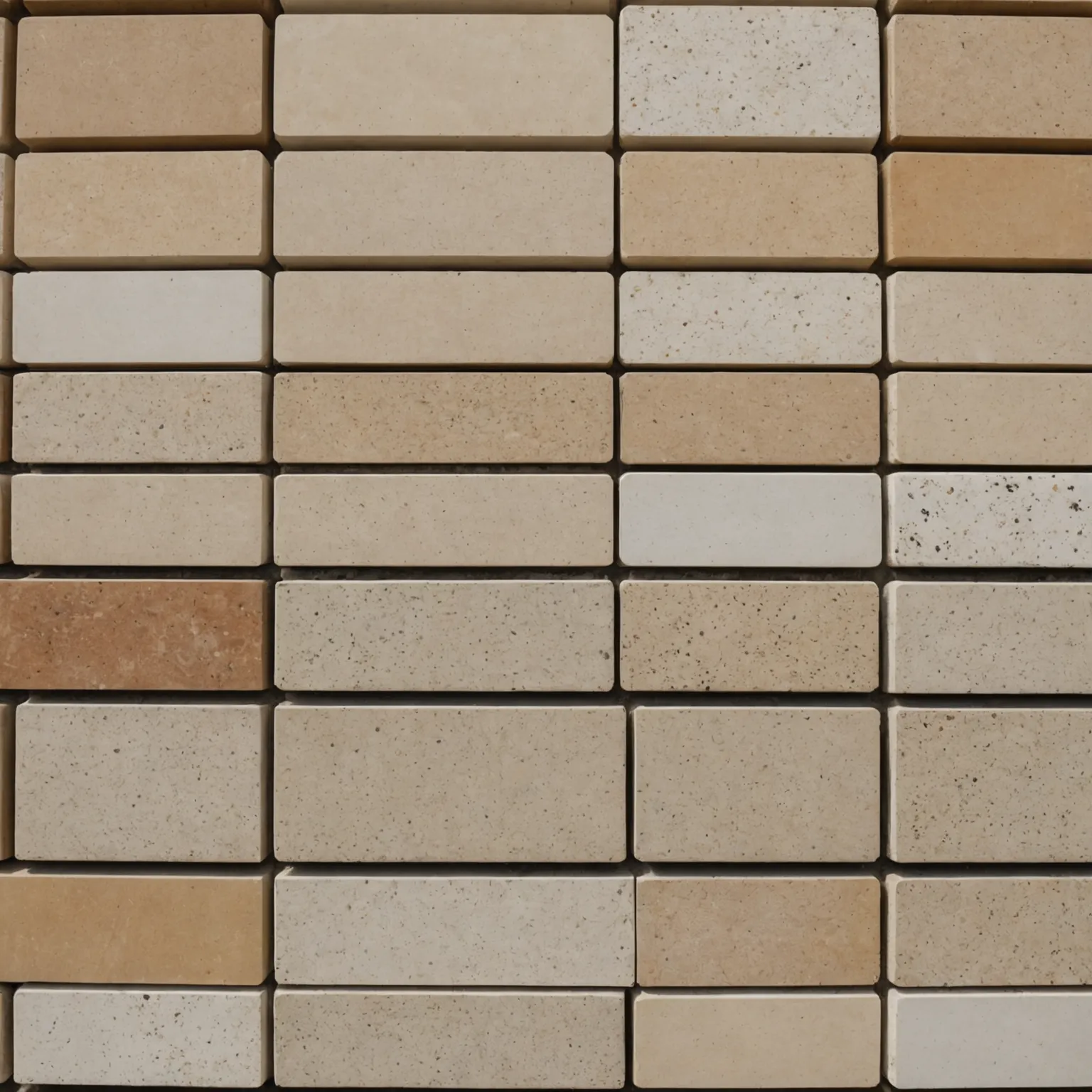
Observation from installers: slate facades and steps rarely require rework, even after several seasons of active exposure.
Marble: decorative appeal with limitations
Marble is closely associated with interiors and decorative elements. Its veining creates depth and visual movement within a space.
At the same time, marble is sensitive to acids, moisture, and abrasion. In high-traffic areas, it loses its refined appearance more quickly.
It is best suited for wall panels, window sills, and low-impact surfaces. Under such conditions, marble maintains its appearance longer.
Choosing marble always implies readiness for consistent care and surface protection.
Granite: functional stability
Granite has high density and minimal porosity, making it one of the most durable stone options. It feels cool and solid underfoot.
Entrance steps, terraces, and exterior landings made of granite withstand heavy use with little visible change.
Visually, granite remains restrained and neutral. Its pattern supports architecture rather than dominating it.
For areas where reliability outweighs decorative expression, granite is a practical choice.
Sandstone and limestone: natural character with conditions
Sandstone and limestone attract with warm shades and organic textures. They integrate well into facades and landscaping.
Their higher porosity makes them more sensitive to moisture and staining. Protective treatments are usually required.
In drier environments or with proper care, these stones perform reliably for many years.
They are chosen consciously, with an understanding of maintenance needs.
A practical approach to selection
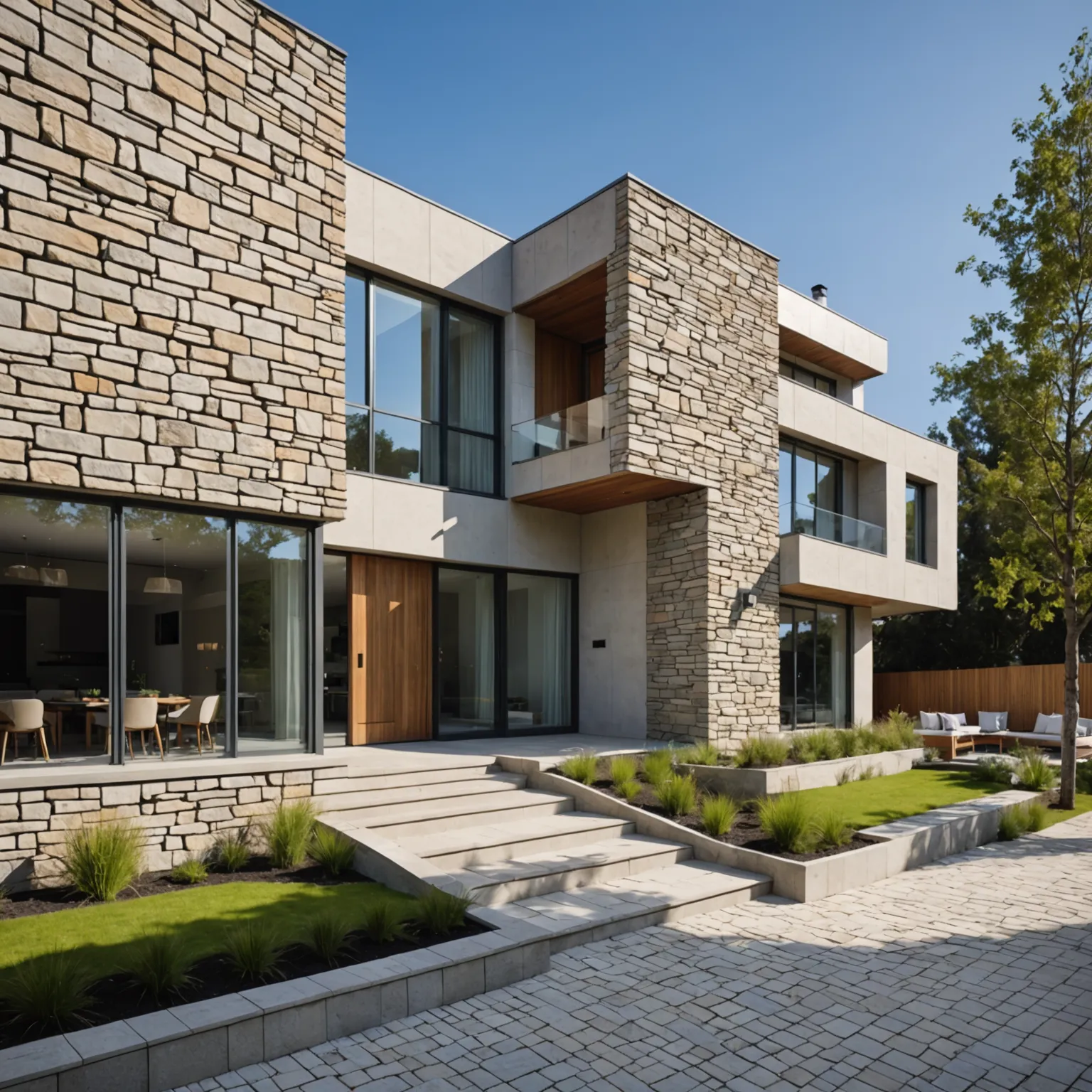
Final decisions are often made after reviewing completed projects. Photographs help, but real-life observation is more revealing.
Signs of wear, surface changes, and color shifts show how stone behaves over time.
The same stone type from different quarries may vary significantly in performance.
Experience from installers and past projects helps avoid common mistakes.
| Stone type | Advantages | Limitations |
|---|---|---|
| Granite | High strength, low water absorption | Cold surface, heavy weight |
| Travertine | Warm texture, subtle appearance | Requires moisture protection |
| Slate | Weather resistance, natural grip | Strong texture not suitable for every interior |
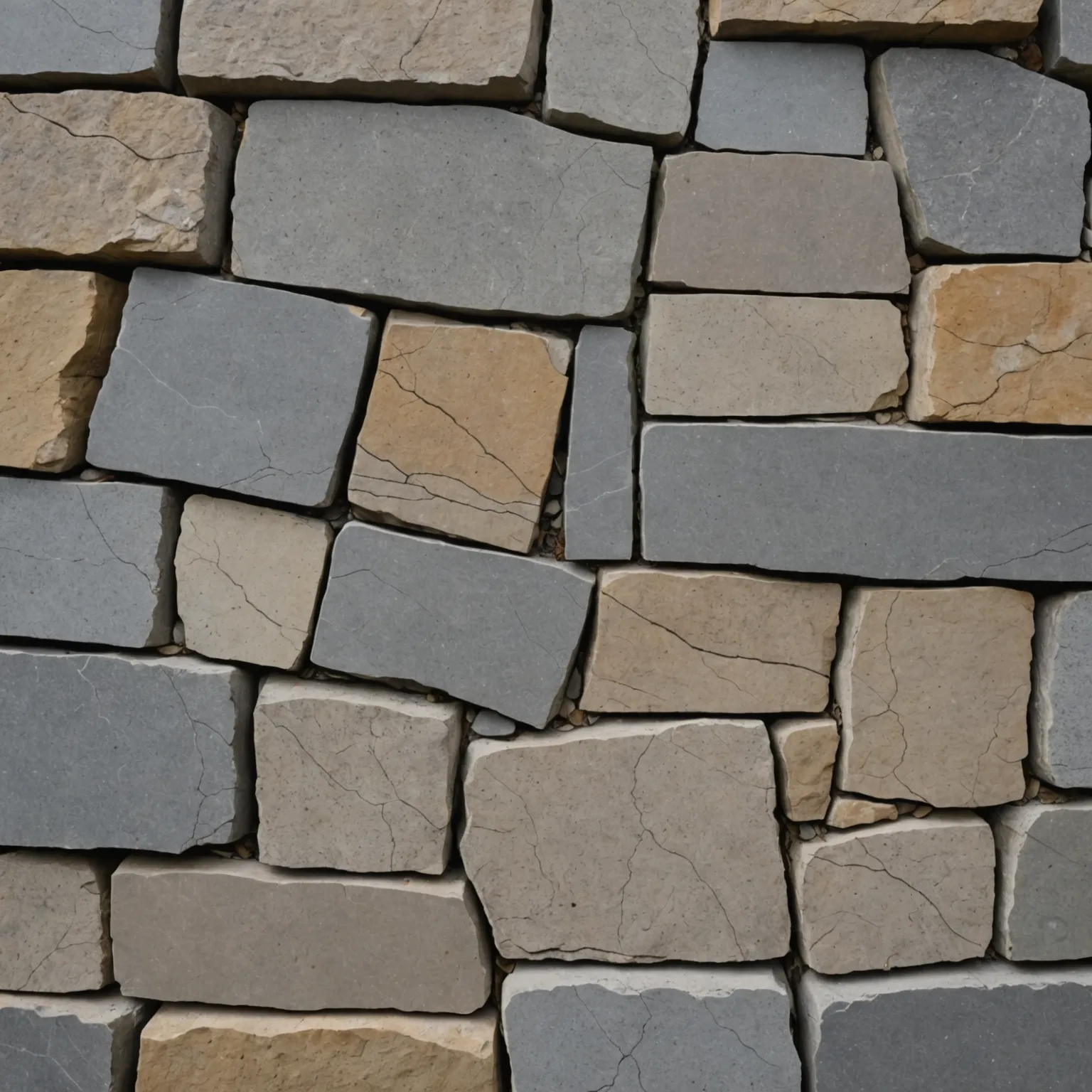
Practical advice: always look at stone after several seasons of use, not only at the moment of installation.
Mini case: in a house with an active entrance, granite was used for steps and travertine for window sills. After seven years, the granite remained unchanged, while the travertine required re-treatment but showed no structural damage.
- Each stone type fits specific zones of the house.
- Porosity directly affects maintenance and lifespan.
- Combining materials reduces long-term risks.
- Real conditions matter more than appearance.
FAQ
Which stone is best for entrance steps?
Entrance steps require strength and resistance to moisture. Granite and slate are the most common choices. Granite offers a smooth, durable surface with minimal care, while slate provides better grip due to its texture.
Is marble suitable for outdoor use?
Marble can be used outdoors with caution. On one hand, it offers refined aesthetics; on the other, it reacts poorly to moisture and chemicals. It is not recommended for high-traffic exterior areas.
Why does travertine feel warmer than other stones?
Travertine’s porous structure allows it to adapt quickly to ambient temperature. Indoors, this creates a warmer tactile sensation compared to denser stones.
Does natural stone require sealing?
Sealing reduces water absorption and simplifies maintenance. For dense stones, it adds protection; for porous stones, it is essential.
Can different stone types be combined in one project?
Yes, combining stones is often the most practical solution. It balances budget, performance, and visual harmony when each material is used in suitable conditions.
How do I know which stone suits my home?
Consider climate, humidity, usage intensity, and architectural style. Reviewing completed projects and consulting through company contacts helps clarify the best option.
Is there a universal stone for all areas?
There is no truly universal stone. Even the most durable materials have limitations, which is why selection is always case-specific.
Where can I see completed stone projects?
Viewing completed projects helps evaluate stone in real conditions. Visit the project gallery to see materials used across different architectural settings.


