
 Kiev, ave. Lobanovsky, 14


 +3 80 (50) 433-01-01
 Video
Video 3D Tour
Landscaping Ideas Using Decorative Stone
An early morning in the garden often begins with a walk along a path still damp from dew. The stone underfoot feels cool, textured, and steady. In moments like this, it becomes clear why decorative stone is so widely used in landscape design. It does more than decorate the space — it defines movement, comfort, and the overall logic of the yard.
When planning a garden or courtyard, it is important to consider not only visual appeal but also how materials behave over time. Lawns wear down, wood demands constant care, and concrete can lose its clean appearance. Stone behaves differently. It is not afraid of moisture, sunlight, or temperature changes. This is why landscape design with stone always looks composed and complete.
Decorative stone works equally well on small plots and large properties. It is used for pathways, flower beds, retaining walls, and terraces. With the right approach, stone does not overload the space but helps organize it and emphasize natural relief.
Landscape design using decorative stone: the main challenge lies in choosing a material that combines aesthetics with resistance to weather conditions. Natural stone solves this through durability, shape stability, and minimal maintenance requirements. As a result, the owner gains an outdoor space that remains neat and functional throughout the year.
The role of stone in landscape structure
In landscape design, stone performs both decorative and structural functions. It shapes paths, defines zones, and stabilizes soil on slopes. This makes the area more practical and safer to use.
Natural stone blends organically into the surrounding environment. It never feels foreign among plants and soil. Over time, it only enhances the sense of authenticity in the landscape.
Unlike artificial materials, stone does not fade or deform under sun exposure and moisture. This is especially important for open areas that are constantly exposed to weather conditions.
Using stone helps create a clear garden structure without rigid boundaries. The space remains natural while still feeling organized.
Garden pathways made of decorative stone
Pathways are one of the most common applications of stone in landscaping. They guide movement and connect different zones of the property. Stone easily handles constant foot traffic and maintains its form.
For pathways, materials with a natural, non-slip texture are often chosen. This ensures comfortable movement even after rain. Stone paths are also easy to clean from dirt and leaves.
The shape and size of stone influence the character of the space. Large slabs create a sense of order, while smaller elements add rhythm. The choice depends on the garden style and scale.
Stone paths are frequently combined with grass or gravel, creating smooth transitions between functional areas.
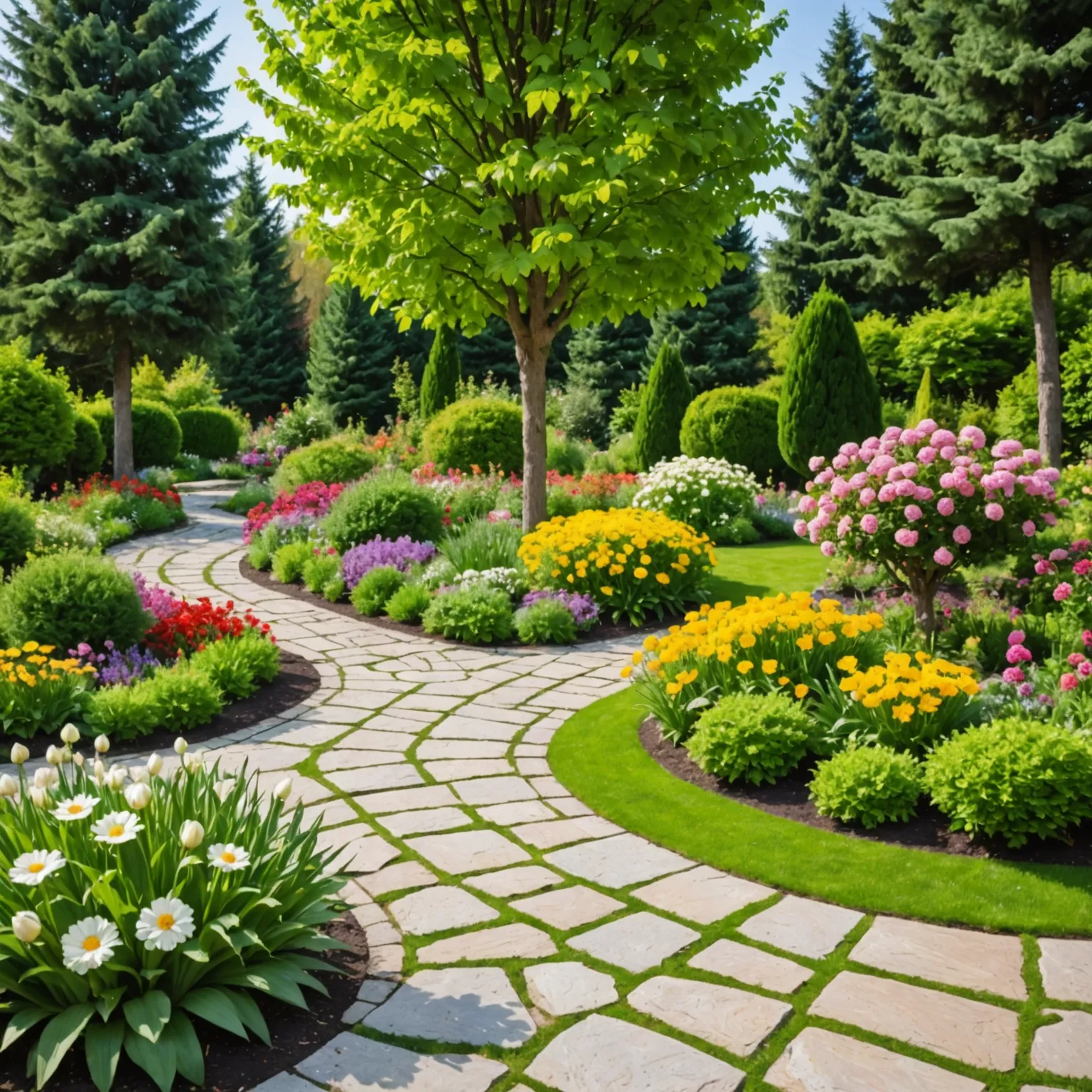
Stone in flower beds and relaxation zones
Flower beds and seating areas often require clear and durable borders. Stone helps define these spaces neatly while supporting soil stability. At the same time, it highlights the shape of plant compositions.
In relaxation zones, stone is used for terraces, seating platforms, and fire pit areas. It withstands loads and temperature changes, making it suitable for frequent use.
The contrast between greenery and stone texture enhances the natural beauty of the garden. The overall composition feels balanced and calm.
For such solutions, stones with similar tones are often selected to avoid visual clutter.
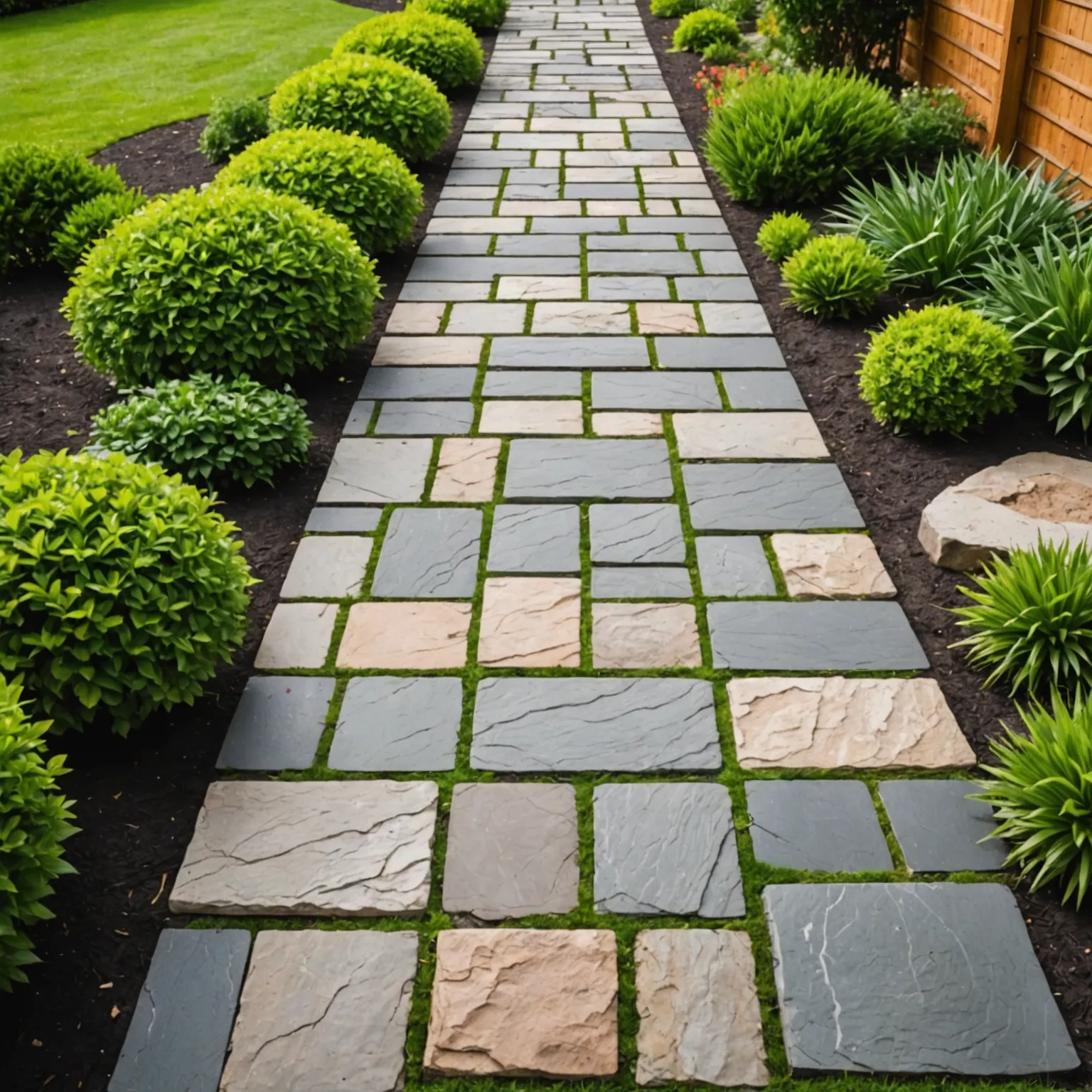
Practical experience shows that decorative stone in landscape design often looks better over time, as natural aging enhances its authentic character.
When selecting materials for outdoor spaces, stone is often combined with other natural finishes. For example, pathways and platforms are frequently complemented by solutions made of sandstone and quartzite, creating soft visual transitions. Near the house, stone is commonly paired with facade stone to maintain a unified style throughout the property.
For warmer and lighter accents in landscape design, many projects use natural travertine, which works well for terraces and seating areas. These combinations help achieve a balance between functionality and visual harmony.
Landscape design with stone reveals its real value over time. After heavy rain, during summer heat, or in winter conditions, it becomes clear which materials are truly suitable for outdoor use. Where surfaces crack, fade, or require repairs, stone remains stable and visually consistent. This is why it is chosen for long-term solutions rather than short-lived trends.
Retaining walls and working with terrain
Plots with height differences require reliable structural elements. Retaining walls made of stone help stabilize soil and create usable levels without compromising safety. At the same time, they look natural and integrate smoothly into the overall garden composition.
Stone performs well under constant pressure from soil and moisture. It does not require additional protective treatments and keeps its shape for years. This makes it especially suitable for complex terrain.
Depending on stone size and laying technique, retaining walls can appear solid or visually light. Even purely functional structures can become part of the aesthetic landscape.
Such walls are often used as a backdrop for plants or combined with seating areas, adding depth to the design.
Stone terraces and outdoor platforms
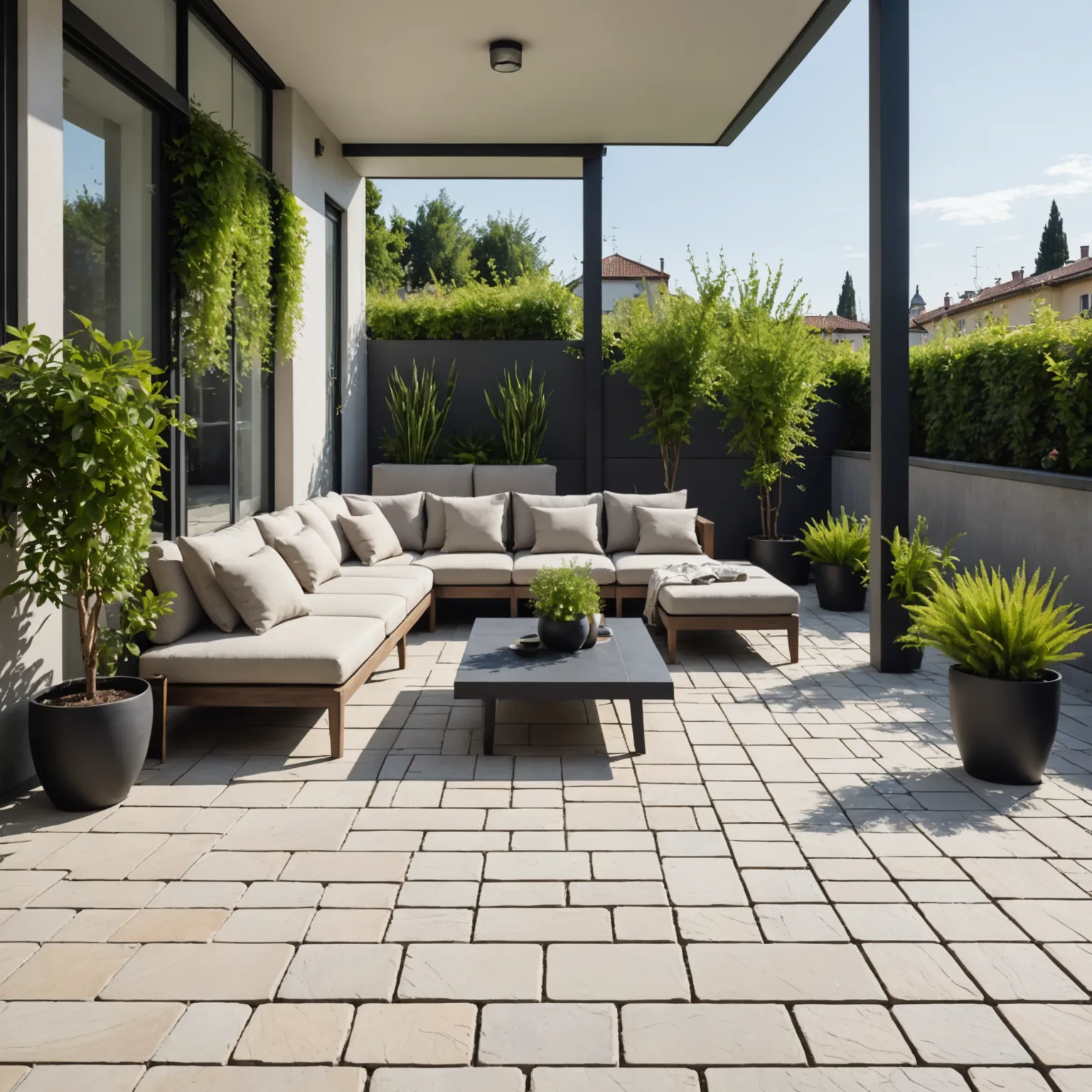
A terrace is an extension of the house, so the material must withstand daily use. Stone easily handles furniture weight, temperature changes, and precipitation. Its surface remains stable and attractive over time.
For terraces, stone with a non-slip texture is usually selected. This increases safety and comfort, especially in wet conditions. Cleaning stone surfaces is simple and does not require special products.
Stone platforms fit naturally into the landscape and can be fully open or partially integrated with greenery. This flexibility makes them suitable for different lifestyle scenarios.
With proper base preparation, a stone terrace requires minimal maintenance and serves reliably for many years.
Zoning outdoor space with stone
Decorative stone is an effective tool for organizing outdoor areas. It helps separate walkways, relaxation zones, and utility spaces without harsh boundaries. Navigation across the site becomes intuitive.
Stone zoning feels natural and does not visually divide the landscape into rigid sections. Transitions remain smooth and comfortable.
Different textures and formats allow designers to emphasize the function of each zone. Rougher surfaces work well for paths, while smoother finishes suit seating areas.
This approach keeps the space structured without overwhelming it with details.
Choosing format and surface texture
The shape of stone strongly affects how a landscape is perceived. Large elements convey stability and order. Smaller stones introduce movement and are ideal for curved paths.
Surface texture also plays a practical role. Rough finishes improve traction, while smoother ones are better suited for decorative accents.
It is important to consider the architecture of the house and the overall landscape style. Stone should support the environment rather than compete with it.
A thoughtful choice of format helps avoid visual chaos and ensures balance.
Comparing stone with other outdoor materials
In landscape design, stone is often compared with wood and concrete. Wood creates warmth but requires regular maintenance. Concrete is practical, yet over time it can lose its clean appearance.
Stone combines durability with natural aesthetics. It withstands weather exposure and does not demand ongoing treatment.
Under intensive use, stone elements retain their shape and color. This makes them a cost-effective choice in the long run.
Material selection always depends on the task, but stone remains one of the most versatile options.
| Criteria | Decorative stone | Wood | Concrete |
|---|---|---|---|
| Weather resistance | High | Low | Medium |
| Maintenance | Minimal | Regular | Periodic |
| Service life | Decades | Limited | Moderate |
Practical tip: when planning a stone-based landscape, proper drainage and base preparation are essential, as these elements determine the longevity of all structures.
Logistics and planning considerations
Stone is a heavy material, so logistics should be considered early. Before ordering, it is important to review delivery conditions, especially for larger volumes.
Professional consultation helps match materials to the specific needs of the site. Through the contact section, technical details and installation recommendations can be clarified.
A thoughtful approach at the planning stage saves time and budget. Stone does not tolerate rushed decisions but rewards careful preparation.
As a result, the property gains a durable and visually coherent outdoor environment.
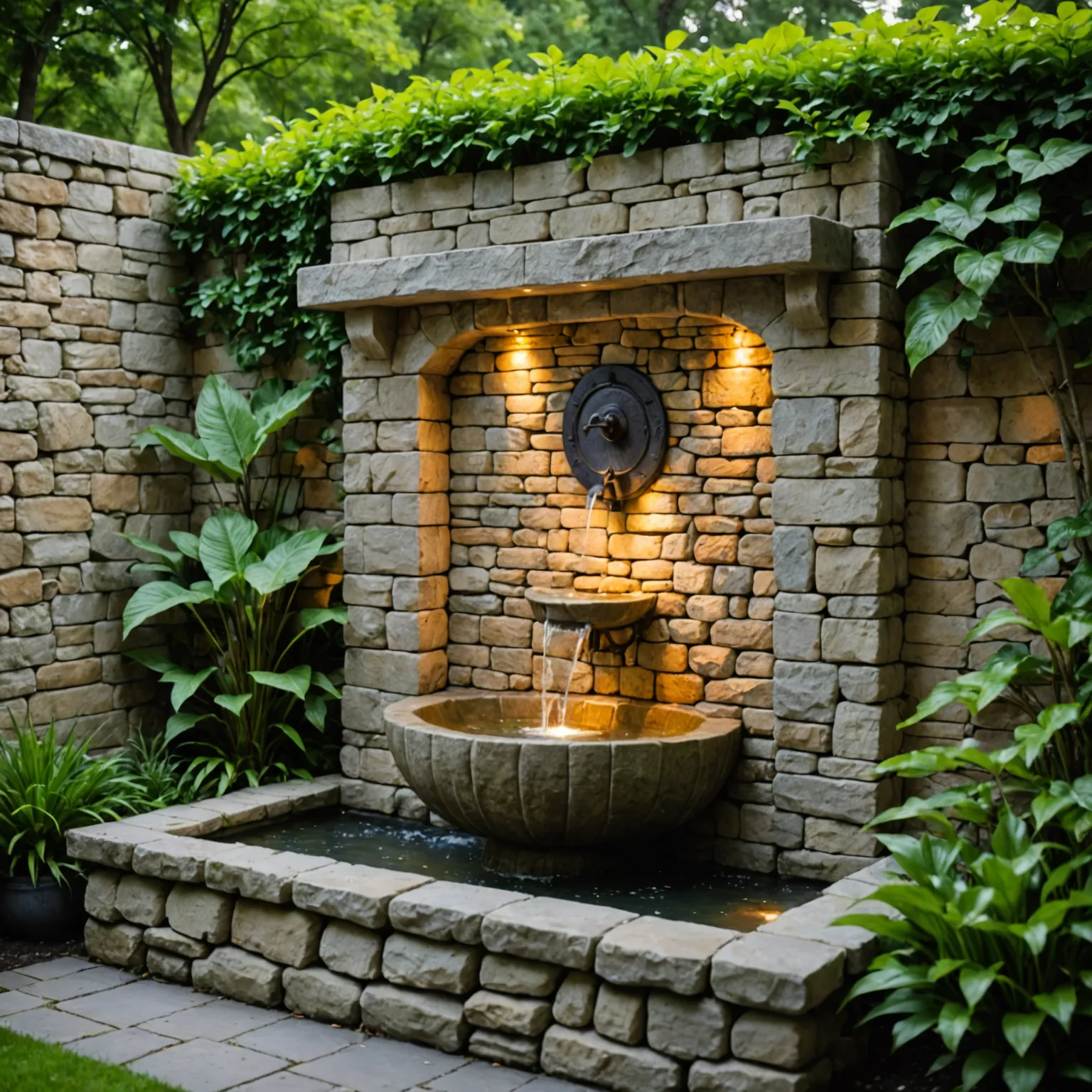
Case example: on a property with heavily used walkways, decorative stone was installed more than eight years ago and has required no replacement or repair since.
- Decorative stone suits all functional zones of a property.
- The material resists weather and mechanical stress.
- Stone enables zoning without rigid visual boundaries.
- With proper preparation, maintenance remains minimal.
FAQ
Is decorative stone suitable for small gardens?
Yes, decorative stone works well in small gardens. When the format and color are chosen carefully, it does not overload the space and helps organize it visually.
Can stone be used for garden pathways?
Stone is one of the most reliable materials for garden pathways. It handles regular foot traffic, resists moisture, and maintains its shape over time.
How demanding is stone maintenance outdoors?
Maintenance is minimal. Occasional cleaning from dirt or leaves is usually sufficient, and no special treatments are required.
Is it possible to combine different types of stone?
Yes, combining different stone types is common. It is important to keep similar tones or textures to maintain visual balance.
Is stone suitable for sloped terrain?
Stone is ideal for sloped areas. It is widely used for retaining walls and terracing due to its resistance to soil pressure.
Is stone more expensive than other materials?
Initial costs may be higher, but due to durability and low maintenance, stone often proves more economical in the long term.
Is consultation recommended before purchasing stone?
Consultation helps select the right stone for specific site conditions. Additional guidance is available by phone at +380(50)433-01-01 to avoid planning mistakes.
Is decorative stone suitable for terraces?
Yes, decorative stone is commonly used for terraces and outdoor platforms. It withstands load, moisture, and frequent use while maintaining appearance.


