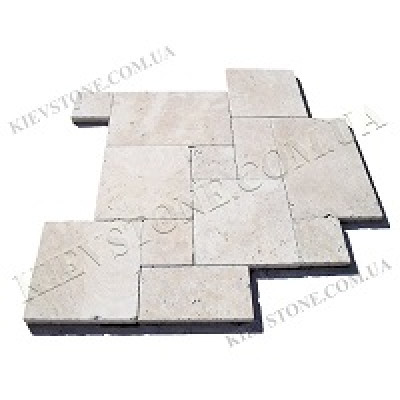
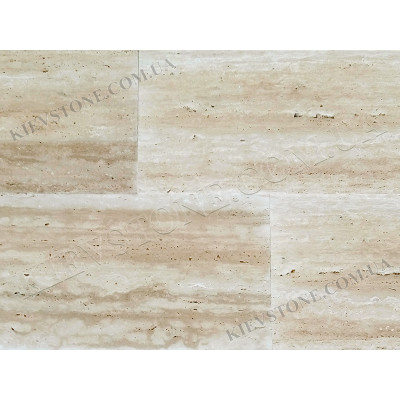
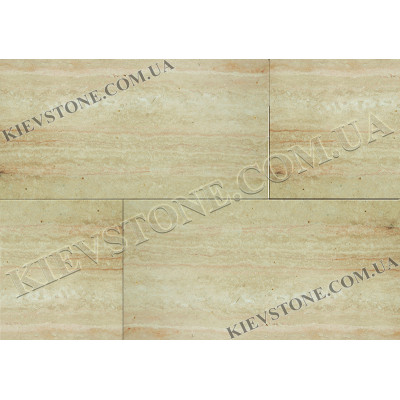
Kiev, ave. Lobanovsky, 14


 +3 80 (50) 433-01-01
 Video
Video 3D Tour
Travertine Tiles: The Perfect Choice for an Elegant Interior
Travertine has been used in Mediterranean architecture for centuries, yet today it confidently takes its place in modern apartments and private homes. Travertine tile behaves differently from porcelain or engineered stone. It reacts to light, changes throughout the day, and reveals its texture depending on the time and atmosphere in the room. In the morning it feels cool and calm, while in the evening warm lighting highlights its natural pores and layered structure.
Choosing interior cladding often means balancing aesthetics and practicality. You want authentic texture without excessive gloss, durability without complicated maintenance. The material should feel solid and natural, not decorative or artificial. Travertine tile answers that need quietly, creating a composed and elegant background.
Travertine tile: ideal choice for an elegant interior: the main challenge in selecting interior finishes is combining natural texture with everyday practicality. Travertine’s porous structure softens reflections and creates a warmer visual atmosphere. Homeowners gain a long-lasting surface that develops character over time instead of losing its appeal.
What travertine is and how it behaves indoors
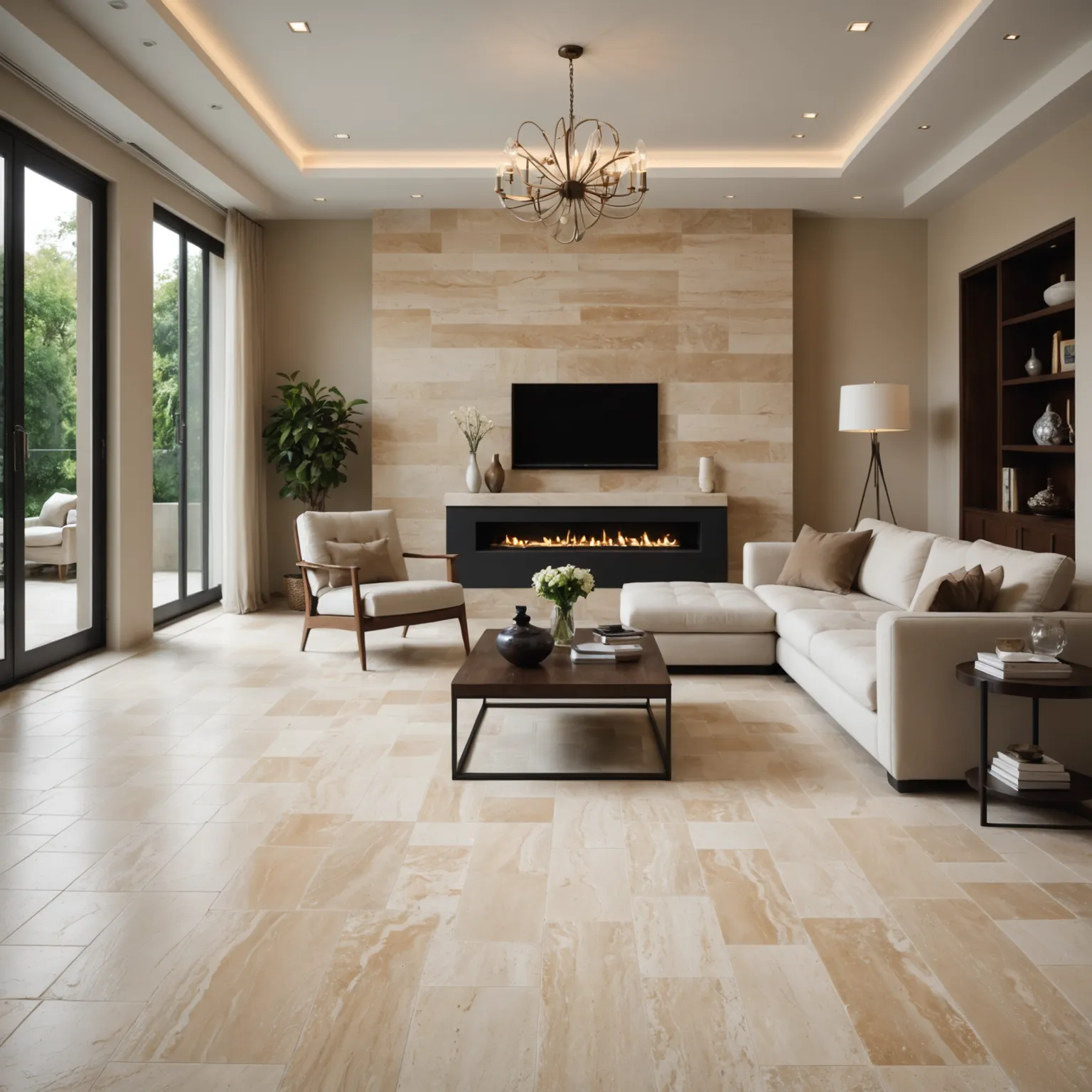
Travertine is a sedimentary stone formed by mineral deposits from thermal springs. Its structure is layered and naturally porous, which gives the surface a distinctive pattern. Even after honing or light polishing, it retains depth rather than a mirror-like shine. The result is a soft, diffused reflection of light.
In interior design, travertine feels warmer than polished granite. It does not dominate the space but works as a balanced backdrop for furniture and textiles. Beige, cream, and light walnut tones blend easily with wood, metal, and glass. Even minimalist interiors gain tactile richness.
Light interacts with travertine in a subtle way. Daylight reveals small pores and natural layering. In the evening, warm artificial light enhances depth and texture. When you walk barefoot across the floor, you can sense the natural character of the stone.
Travertine is suitable for floors, walls, fireplace zones, and decorative niches. When combined with flexible stone veneer, designers can create seamless transitions between surfaces. The key lies in choosing the right format and laying direction.
Where travertine tile performs best
In bathrooms, travertine creates a calm, spa-like atmosphere. Its warm tone softens glass and ceramic elements. Even the sound of water feels more muted against stone surfaces. With proper sealing and waterproofing, it performs reliably in humid environments.
In living rooms and halls, large-format tiles reduce the number of joints and create a unified plane. The surface appears continuous and stable. Natural daylight glides across it, highlighting subtle tonal variations. The space feels visually broader.
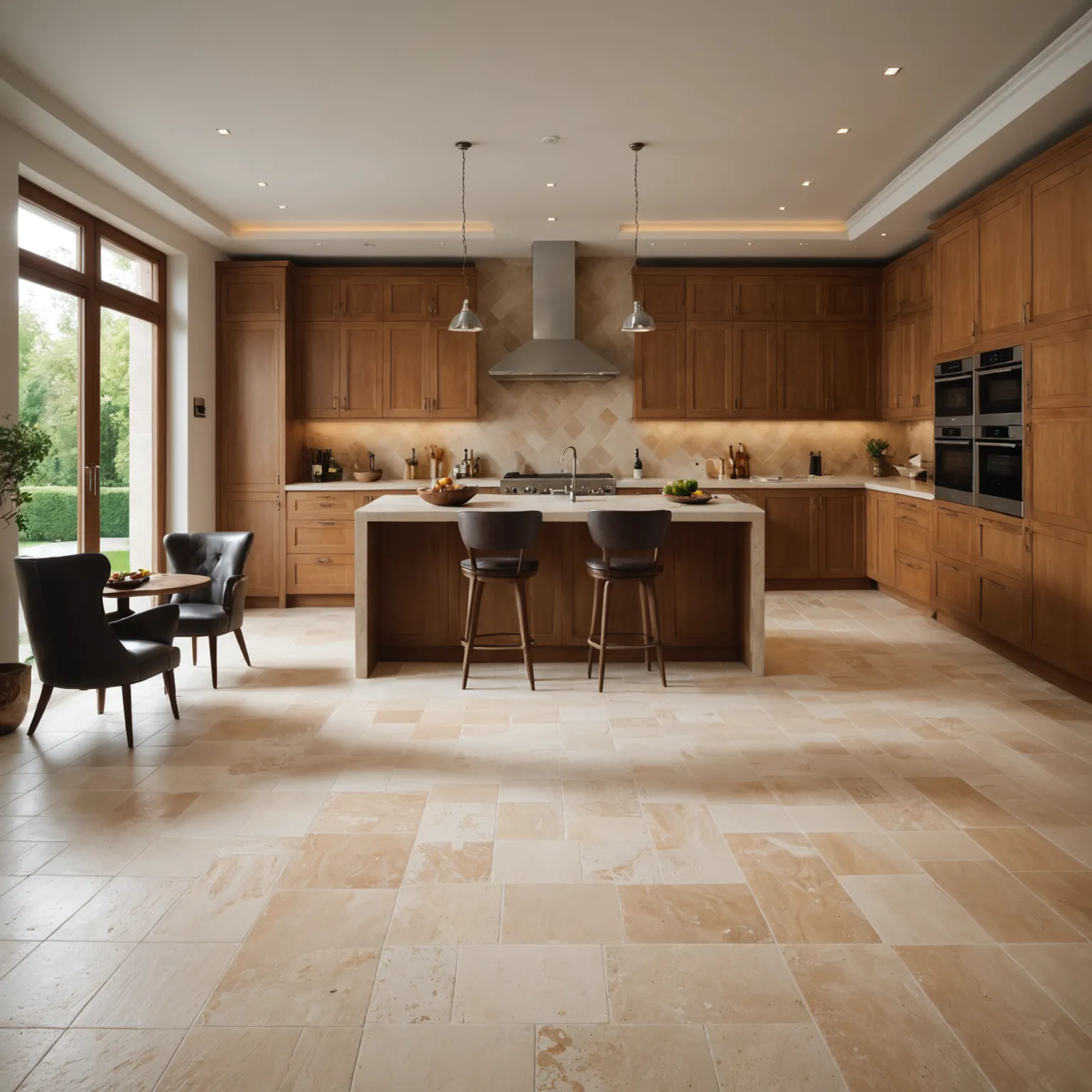
Kitchens require additional surface protection. Since travertine is porous, sealing is essential to prevent staining. However, once treated properly, it remains easy to maintain. Underfoot, it feels warmer than standard ceramic flooring.
When paired with marble interior elements, travertine acts as a calm foundation. The contrast between expressive marble veins and soft travertine texture creates depth without visual overload. This combination works well in entrance areas and staircases.
Surface finishes and their impact on appearance
A honed finish maintains a natural matte look and works well for flooring. It offers better grip and a softer reflection. A lightly polished surface adds subtle brightness without excessive gloss. Both options preserve the authenticity of the stone.
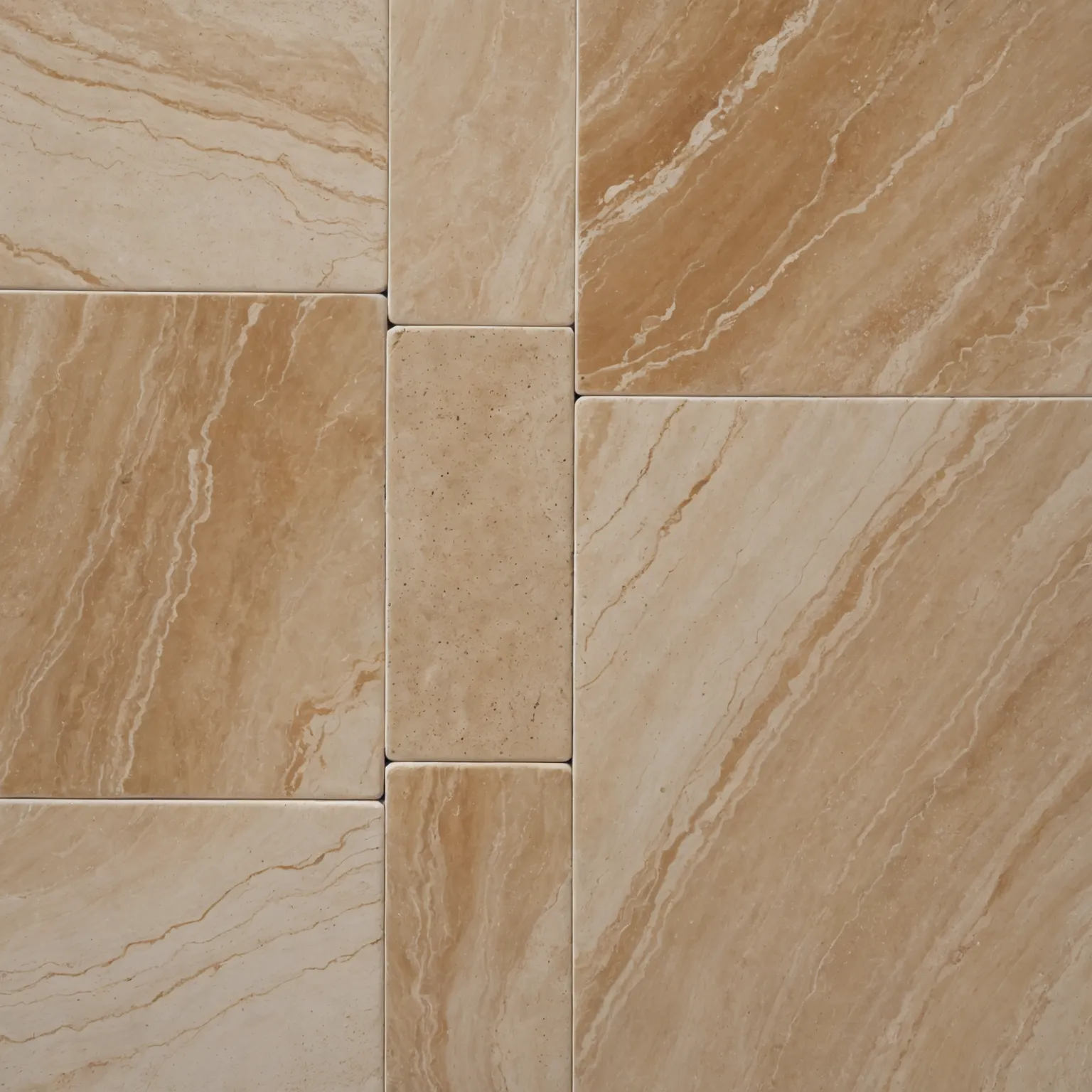
Tumbled or brushed finishes create a more textured and aged effect. These surfaces feel slightly uneven, giving the space historical character. Under sunlight, they produce gentle shadow play. In the evening, the texture appears deeper and more graphic.
Filled pores make the surface easier to clean and more resistant to dirt. In kitchens and entryways, this treatment is especially practical. Some designers intentionally leave pores visible to emphasize authenticity. The decision depends on lifestyle and aesthetic goals.
Finish selection should always match expected usage. High-traffic zones require practical treatments. Decorative walls can accommodate more textured options. Proper planning ensures the material performs as intended.
Installers often note that travertine demands a perfectly leveled base. Even minor unevenness can become visible across large surfaces and affect the overall perception of the floor.
Installation and substrate preparation
The substrate must be dry, stable, and precisely leveled. Travertine does not conceal imperfections. Large-format tiles especially require careful preparation. Any deviation may affect alignment and joint consistency.
Special adhesives designed for natural stone are recommended. Standard cement-based products may alter tone or create stains. If underfloor heating is used, gradual temperature adjustments are important. Travertine distributes warmth evenly but does not tolerate abrupt changes.
Minimal joint width enhances visual continuity. Grout color should match the tile as closely as possible. Strong contrasts are rarely appropriate. Travertine benefits from subtle transitions.
If the project includes combining tiles with solid travertine slabs, grain direction and tone consistency must be aligned. Coordinated surfaces reinforce architectural harmony.
Proper installation allows the stone to fully express its character. Once completed, the interior feels composed rather than simply finished. Travertine becomes part of the architecture, not just decoration.
Maintenance and long-term performance
Travertine requires gentle, regular care. Neutral cleaning solutions and soft cloths are sufficient for daily maintenance. Acidic or aggressive chemicals should be avoided. Proper sealing protects the surface and simplifies upkeep.
Spills such as wine or coffee should be cleaned promptly. While sealing reduces absorption, immediate action prevents staining. Over time, the surface may develop a slight patina. This natural aging often enhances visual depth.
In entryways, travertine withstands sand, moisture, and daily foot traffic. Weather changes and wet shoes do not compromise its integrity when installed correctly. The material ages gracefully rather than appearing worn.
For specific maintenance recommendations, homeowners can consult the company contact page. Professional advice ensures appropriate sealing and cleaning products are selected.
Cost considerations and delivery planning
The price of travertine tile depends on format, thickness, and finish type. Additional material should be calculated for cutting waste, usually 7–10 percent. Accurate planning prevents shortages during installation. Budgeting should account for both material and logistics.
Stone transportation requires careful packaging. Tiles are secured on pallets with corner protection. During unloading, impact must be avoided. Damaged edges complicate installation.
For regional or international shipments, reviewing the delivery conditions in advance helps avoid delays. Logistics influence both timeline and overall project cost. Clear coordination ensures smooth execution.
Although natural stone involves an initial investment, its lifespan offsets early expenses. Travertine does not require frequent replacement. Over decades, it remains visually relevant.
| Criteria | Travertine | Porcelain Tile | Marble |
|---|---|---|---|
| Texture | Natural, porous | Stone imitation | Pronounced veining |
| Maintenance | Requires sealing | Minimal | Regular care needed |
| Visual effect | Warm, restrained | Neutral | Decorative accent |
Practical advice: place a tile sample in the room for several days before making a final decision. Observe how it looks in daylight and under artificial lighting to ensure it matches your expectations.
Mini case: in a private residence, travertine was installed in the entry hall and kitchen. After three years of active use, the owners report that the surface has gained character rather than lost appeal, even with daily wear.
- Travertine tile creates a calm and warm interior background.
- Proper sealing ensures durability and stain resistance.
- Large formats reduce joints and enhance spatial continuity.
- The material develops a natural patina over time.
FAQ
Is travertine tile suitable for underfloor heating?
Yes, travertine works well with underfloor heating systems. It conducts heat efficiently and distributes warmth evenly across the surface. Gradual temperature adjustments are important to avoid stress within the stone. When properly installed with suitable adhesives, the material performs reliably for many years without cracking or distortion.
Does travertine become slippery in bathrooms?
Slip resistance depends on the finish. Polished surfaces can be smoother, while honed or textured finishes offer better grip. On one hand, smoother tiles are easier to clean. On the other, textured finishes improve safety in wet areas. Choosing the correct surface treatment is essential for bathroom installations.
How long does travertine tile last indoors?
When installed correctly and maintained properly, travertine can last for decades. It does not fade or lose its structural integrity. Instead, it gradually develops a subtle patina that enhances its character. Unlike synthetic surfaces, natural stone ages gracefully and retains its authenticity.
How can I calculate the required amount of tile?
Measure the total floor or wall area and add approximately 7–10 percent for cutting and waste. Complex layouts may require a larger reserve. For precise calculations and project advice, you may contact specialists at +380(50)433-01-01 to avoid underestimating material quantities.
Does travertine change color over time?
Minor tonal deepening may occur due to natural aging and exposure to light. This is a gradual process and typically enhances the stone’s character rather than diminishing it. On one side, it adds authenticity. On the other, it requires understanding that natural stone evolves slightly with time.
Is travertine suitable for small spaces?
Yes, provided the format and color are selected carefully. Light tones can visually enlarge compact rooms. Larger tiles reduce visible joints and create continuity. Proper lighting planning further enhances spatial perception in smaller interiors.
Can travertine be combined with other natural materials?
Travertine pairs well with wood, metal, and glass. It acts as a balanced foundation that allows other textures to stand out without competition. Maintaining proportion and avoiding excessive contrast ensures a harmonious and cohesive design result.