Kiev, ave. Lobanovsky, 14


 +3 80 (50) 433-01-01
 Video
Video 3D Tour
How to choose the right travertine for facade cladding: tips and recommendations
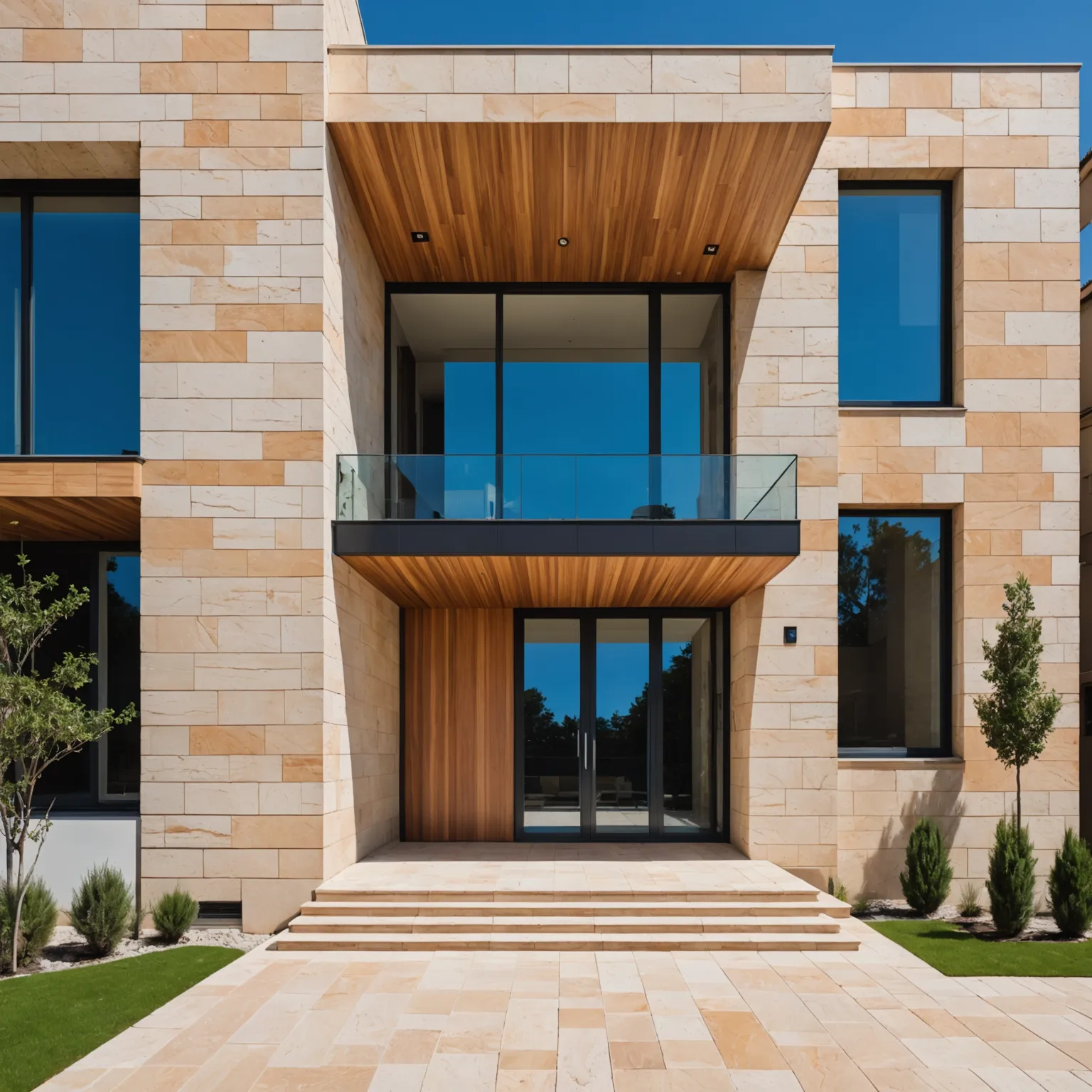
Travertine has long been considered a symbol of elegance and reliability when it comes to façade cladding. This natural stone harmoniously combines noble aesthetics with practicality, making it a popular choice in the architecture of private residences and commercial buildings. In this article, we will take a closer look at how to choose travertine for façade finishing, what types and textures exist, and what long-term benefits this material offers.
Features of Travertine as a Cladding Material
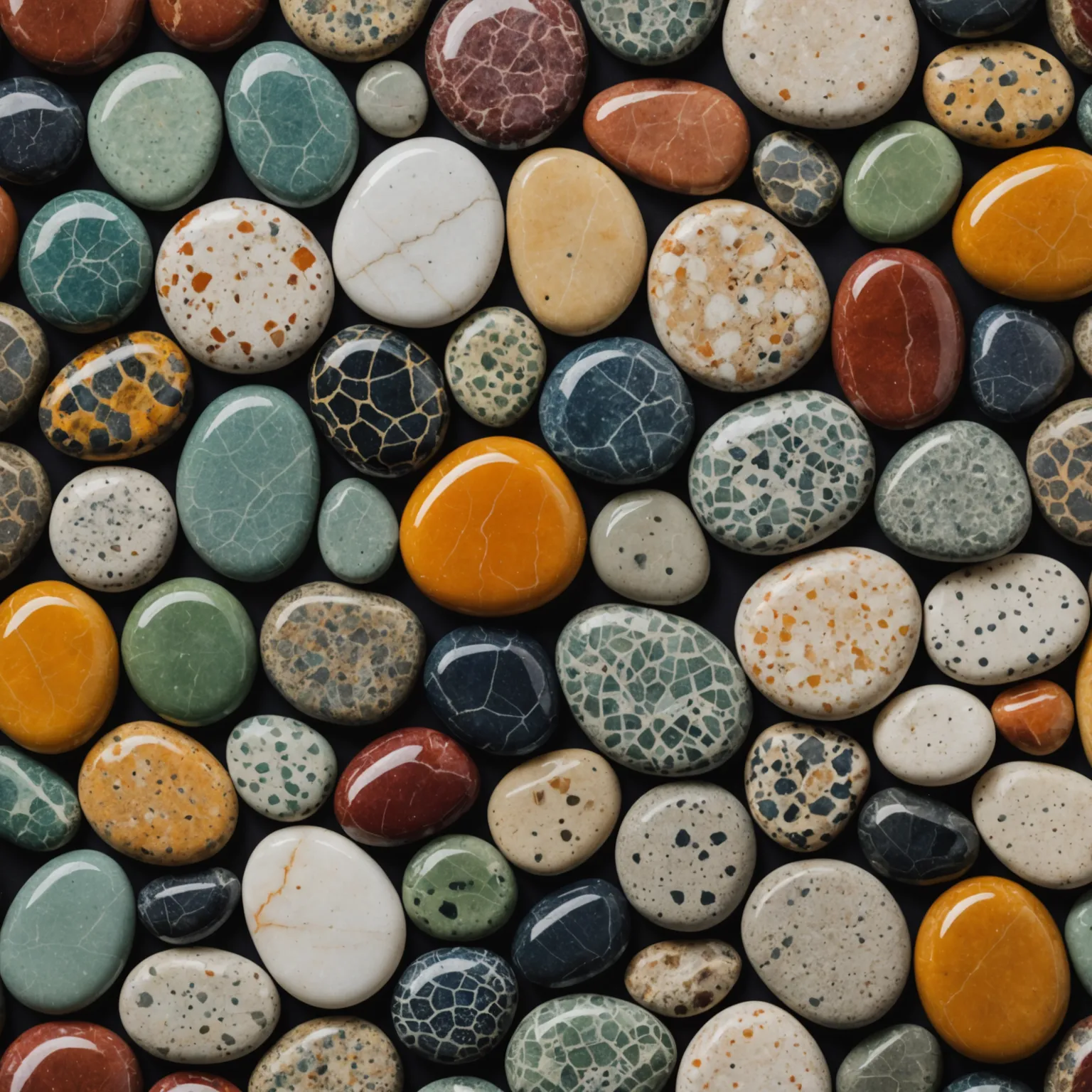
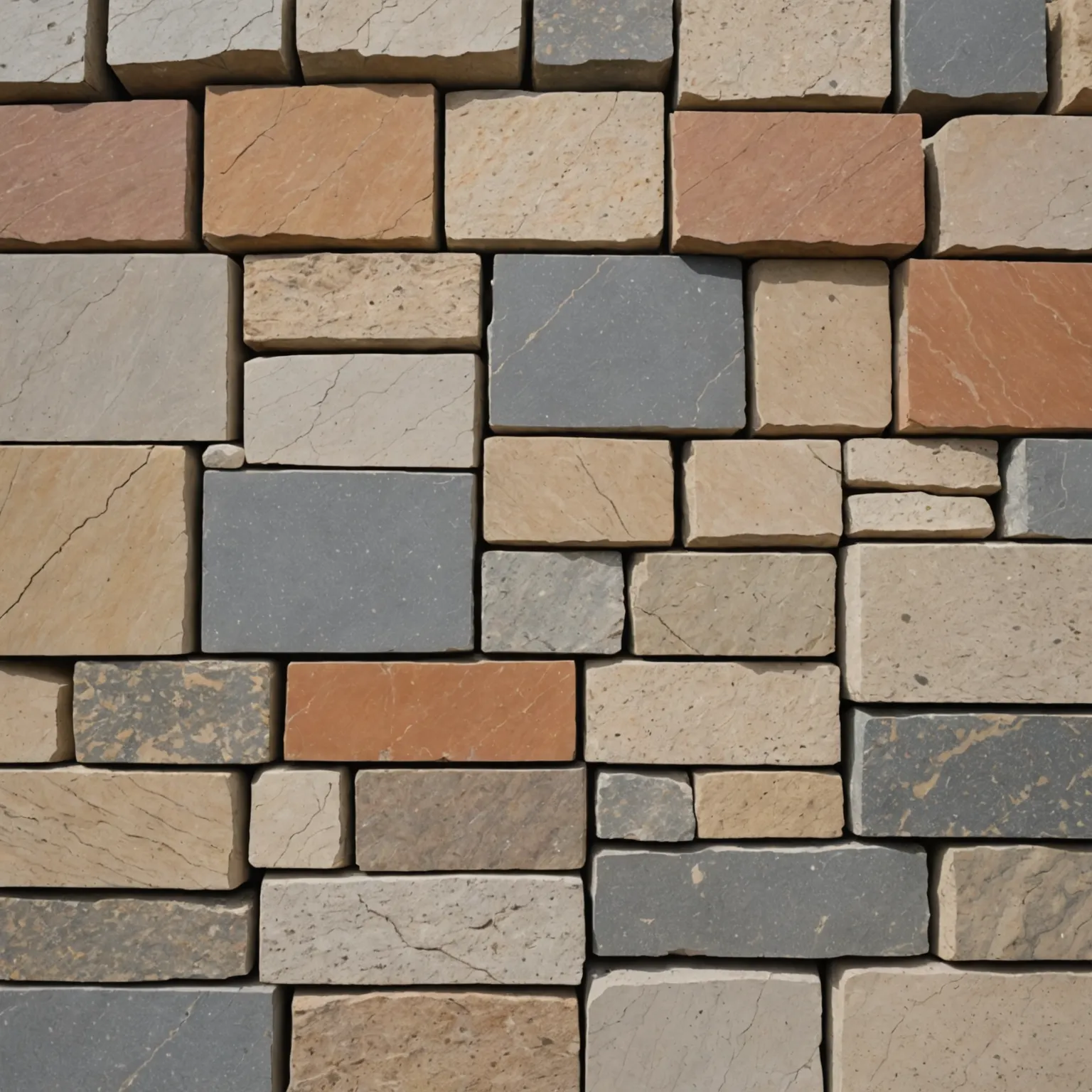
Natural travertine is known for its unique texture and rich color palette. Shades range from creamy beige to deep brown and even silver-gray. The stone’s porous structure makes it both lightweight and durable. Thanks to these properties, travertine withstands climate fluctuations well, resists precipitation and ultraviolet rays, and blends beautifully with other finishing materials.
Why Travertine is Ideal for Façades
When choosing a cladding material for a façade, it is important to consider not only aesthetics but also durability. Travertine has a number of advantages that make it an optimal solution for exterior finishing:
- Natural beauty and authentic texture.
- High strength and resistance to mechanical damage.
- Resistance to frost and temperature fluctuations.
- Ease of maintenance and long service life.
Façades clad with travertine retain their attractiveness for decades without requiring complex maintenance or restoration work.
Types of Travertine for Façades
There are several varieties of travertine, each with distinctive textures and processing methods. These determine the appearance of the building and the complexity of care.
Polished and Matte
Polished travertine has a glossy surface and accentuated patterns, but it requires regular care. Matte travertine is more practical, preserving the natural texture while being less prone to staining.
Filled and Unfilled
Filled travertine is treated with a special compound that seals the pores, making the material more resistant to moisture. Unfilled travertine looks more natural but requires protective treatment.
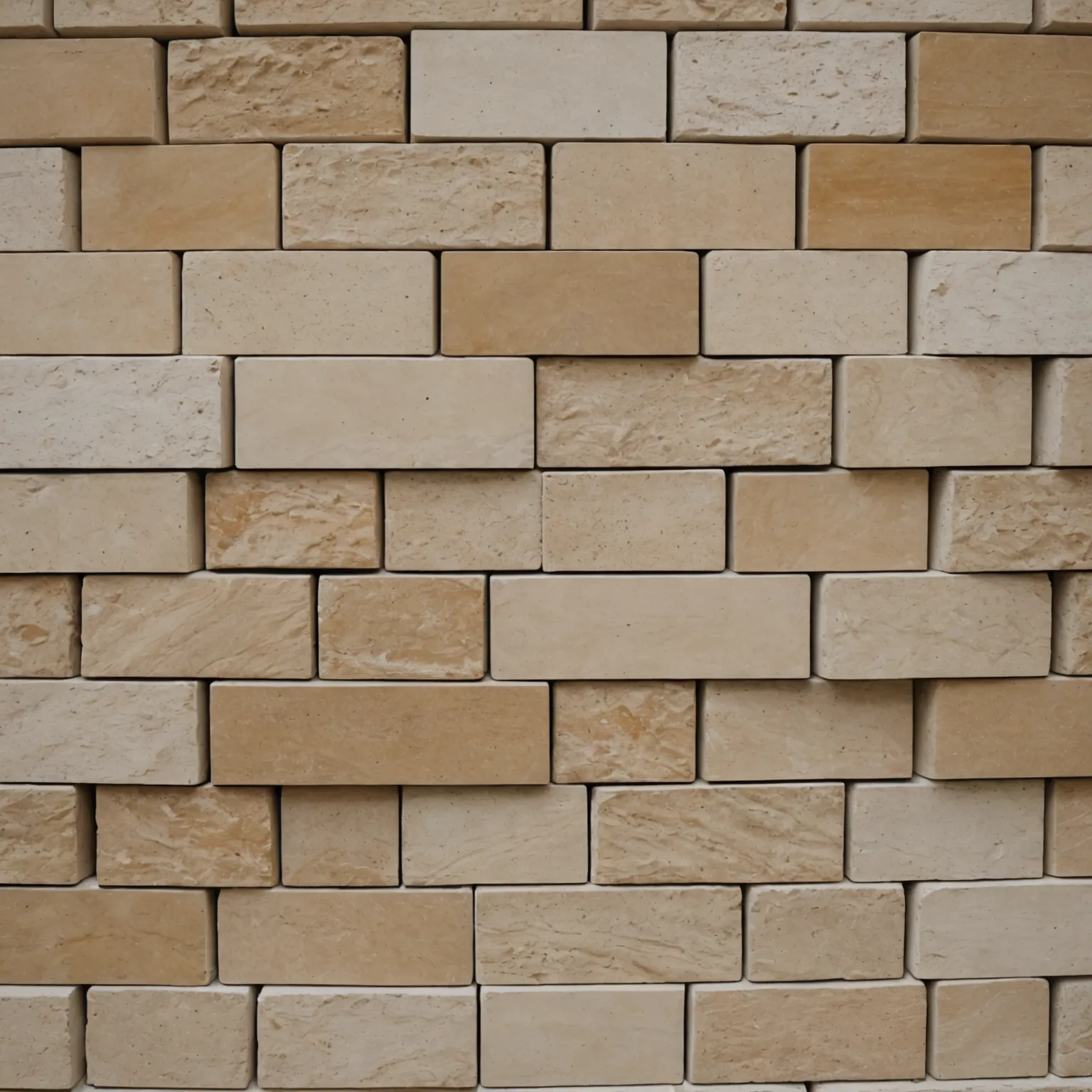
Textured Travertine
Textured surfaces create an expressive effect, emphasizing architectural lines. This type of stone is less demanding in terms of maintenance and effectively conceals minor impurities.
Comparison Table of Travertine Types
| Type of Travertine | Features | Advantages |
|---|---|---|
| Polished | Glossy smooth surface | Impressive texture, prestigious look |
| Matte | Satin-like finish | Practical, easy to maintain |
| Filled | Pores sealed with compound | Moisture resistance, durability |
| Unfilled | Natural porosity preserved | Authentic look, natural appeal |
How to Choose the Right Travertine
To ensure your façade cladding is both visually appealing and long-lasting, consider the following criteria when purchasing travertine:
- Slab thickness – ideally between 20 and 30 mm.
- Size – large slabs emphasize monolithic style, while smaller ones create patterns.
- Processing – polishing, grinding, or bush hammering.
- Color shade – chosen based on the exterior design concept.
Where to Buy Quality Travertine
High-quality material should be purchased from specialized suppliers. The online store Kievstone offers a wide range of façade stone for façades, including travertine, sandstone, limestone, and slate. Here, you can find stones of various shades and collections that will highlight the style of your house.
Conclusion
By choosing travertine for façade cladding, you invest not only in aesthetics but also in the durability of your building. This stone ideally combines visual appeal and practicality, while the right choice of color and finish emphasizes architectural individuality. By contacting Kievstone, you will receive high-quality materials with delivery and professional consultation.
FAQ
How is travertine different from other façade stones?
Travertine occupies a middle ground between limestone and marble. Unlike granite, it is lighter and has a softer structure, which makes processing easier. Compared to marble, travertine has less gloss and is more porous, but these qualities provide better thermal insulation and a more natural look. For façades, this means a building can look elegant and prestigious while remaining practical in use. Visually, travertine offers a wide range of shades — from soft cream tones to deep browns and graphite hues — allowing it to harmonize with both modern and classic architectural designs.
How durable is travertine cladding for façades?
With proper care, a travertine façade can last for decades while retaining its original appeal. The stone is resistant to weather conditions such as rain, snow, ultraviolet rays, and temperature fluctuations. Its porous structure allows it to “breathe,” reducing the risk of condensation and internal damage. Modern processing techniques — such as filling pores, grinding, or polishing — significantly extend the lifespan of travertine cladding. On average, well-installed travertine lasts at least 50 years, and when treated with protective coatings, it can remain in service for more than a century.
How do you maintain a travertine façade?
Maintaining travertine does not require complex procedures. Regularly rinsing off dust and dirt with water and mild cleaning solutions is sufficient. Harsh chemicals should be avoided, as they may damage the porous structure. Every few years, it is advisable to reapply a protective coating or water repellent to minimize moisture exposure. In heavily polluted areas, gentle mechanical cleaning is acceptable. Such care helps preserve the natural shine of the stone and prevents darkening, ensuring the façade remains attractive for many years.
Where is the best place to buy travertine for façade cladding?
When purchasing travertine, it is important to rely on trusted suppliers who guarantee quality and compliance with standards. Specialized retailers provide the ability to select material by color, texture, and finish. For example, the online store “Kievstone” offers a wide range of travertine for façades, as well as sandstone, limestone, and slate. Customers not only receive high-quality natural stone but also professional consultations, assistance in choosing the right type, and convenient delivery. This ensures confidence that the façade will be clad with durable and aesthetically pleasing material.