Kiev, ave. Lobanovsky, 14


 +3 80 (50) 433-01-01
 Video
Video 3D Tour
Decorative pebbles for the garden: ideas for use in landscape design
Decorative pebbles are a versatile and stylish element that can transform any garden. Thanks to their natural beauty and variety of colors and sizes, pebbles have become a popular material in landscape design, ideal for both decorative accents and functional use in outdoor spaces. In this article, we’ll explore different ways you can incorporate decorative pebbles to make your garden beautiful, cozy, and unique.
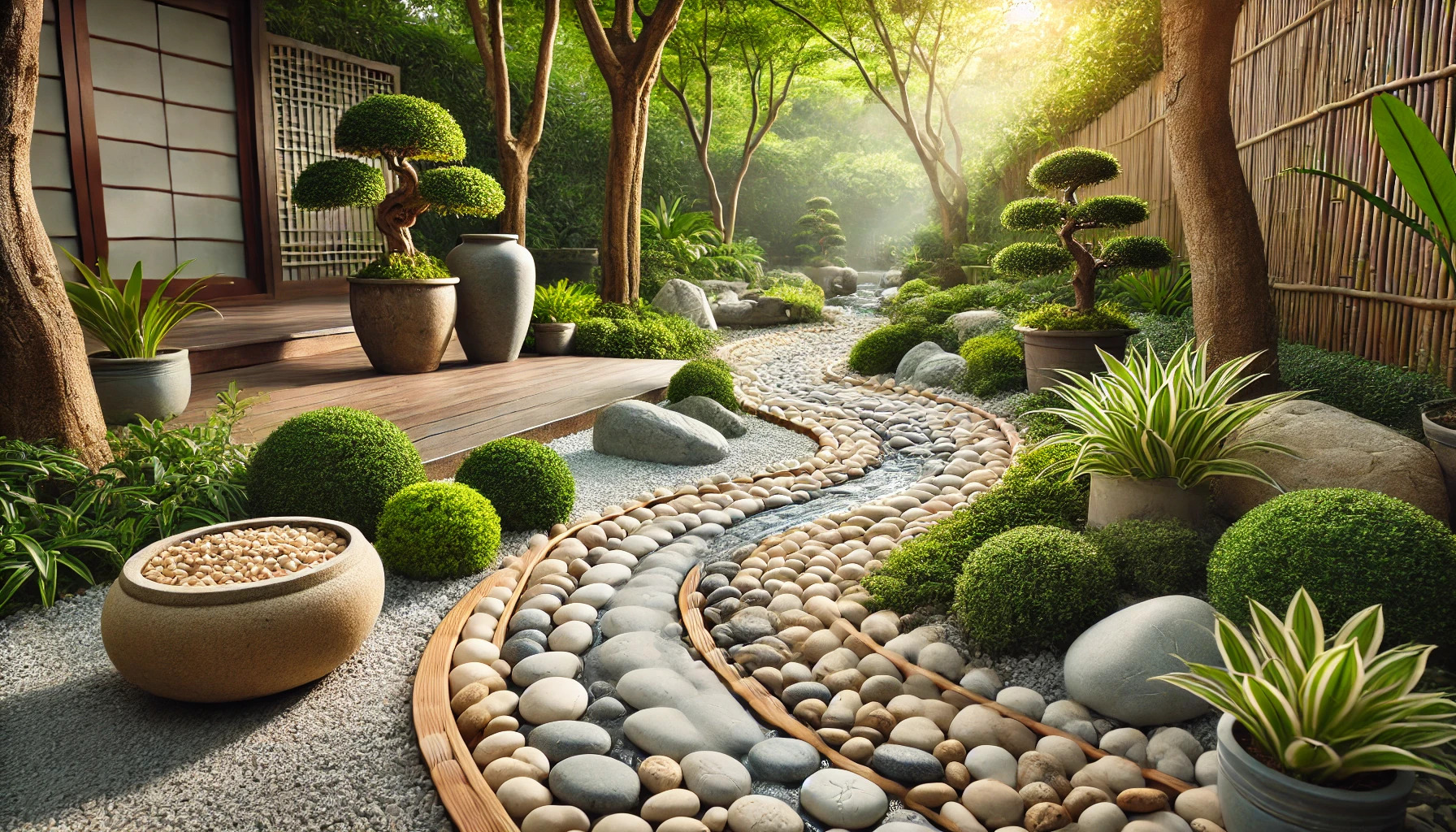
You can purchase quality decorative pebbles from Kyivstone, which offers a wide selection and convenient delivery options, making the ordering process easy and enjoyable.
Benefits of Decorative Pebbles in Landscape Design
Decorative pebbles have a range of advantages that make them an excellent choice for garden design:
- Durability: Pebbles are resistant to weather conditions and retain their color and shape even after many years outdoors.
- Low Maintenance: They don’t require complex care—just occasional rinsing with water to keep them looking fresh.
- Eco-Friendliness: Natural and well-suited to outdoor environments, pebbles are safe for the environment.
- Versatility: Pebbles can be used both for decorative elements and for practical garden zones, such as paths or mulching flower beds.
Ideas for Using Decorative Pebbles in the Garden
1. Mulching Flower Beds and Garden Beds
One of the most popular ways to use decorative pebbles is to mulch flower beds and garden beds. By arranging pebbles around plants, you not only create a beautiful decorative layer but also protect the soil from drying out, suppress weed growth, and prevent soil erosion. Pebbles make flower beds look neat and well-maintained, and the variety of colors allows you to choose a combination that suits your plants and overall garden style.
2. Creating Dry Streams and Waterfalls
Decorative pebbles allow you to create original elements, such as dry streams and waterfalls, which add a sense of natural harmony and freshness to the garden. To make a dry stream, simply dig a shallow trench and fill it with pebbles of different shades to mimic a riverbed. You can add a few large stones to create a sense of depth and height variations. This feature is ideal for Japanese or modern landscape designs, where minimalism and natural materials are highly valued.
3. Decorative Zones and Accents
Pebbles can also be used to create accent areas in the garden. For example, you can arrange pebbles around benches or loungers to set up a cozy relaxation area. Pebbles are also excellent for placing around the base of large pots with plants, creating a harmonious blend of colors and textures. Light-colored pebbles bring freshness and lightness, while darker shades add contrast and depth to the composition.
4. Designing Garden Paths
Pebbles are a wonderful material for garden paths, especially for those who prefer a natural style. With a variety of sizes and colors, you can create original patterns and compositions. Pebbles are durable and fit well with any garden setting. For easier walking, it’s recommended to use medium-sized pebbles, and for better stability, add a base layer of sand or gravel under the path.
5. Edging Around Water Features
If you have a pond, fountain, or other water feature in your garden, decorative pebbles are a great option for edging. They create a smooth transition between the water feature and the rest of the garden, adding natural harmony. You can use either monochromatic or multi-colored pebbles for different visual effects. For instance, a combination of white and blue pebbles will enhance water clarity and bring a sense of cleanliness and tranquility.
6. Gabion Structures
Pebbles are widely used for filling gabions—metal mesh cages used to create walls, borders, and decorative elements in the garden. Gabions filled with pebbles add a modern, stylish look to the space and can serve as retaining walls or decorative fences. Different colors and sizes of pebbles allow for unique combinations that add originality to your garden.
Tips for Choosing Decorative Pebbles
When selecting decorative pebbles for your garden, consider a few factors:
- Size: For mulching, it’s best to use small or medium pebbles, and for paths, larger stones are ideal.
- Color: Pebbles should harmonize with plants and other landscape elements. Light-colored pebbles create a feeling of space and freshness, while dark pebbles add contrast and depth.
- Quality: Purchase from trusted suppliers, such as Kyivstone, to ensure high quality and durability. This store offers a wide selection of pebbles with convenient delivery, making the selection and purchase process easy.
Caring for Decorative Pebbles
Decorative pebbles require minimal care, but to maintain their aesthetic appearance, it’s a good idea to follow a few simple steps:
- Regular Cleaning: Keep the pebbles free from leaves, dust, and dirt to maintain their brightness and cleanliness. You can rinse the pebbles with a hose or wipe them with a soft brush.
- Maintaining Structure: If pebbles are used as a path, periodically check the level and distribution of stones to ensure they don’t shift and the path maintains its original look.
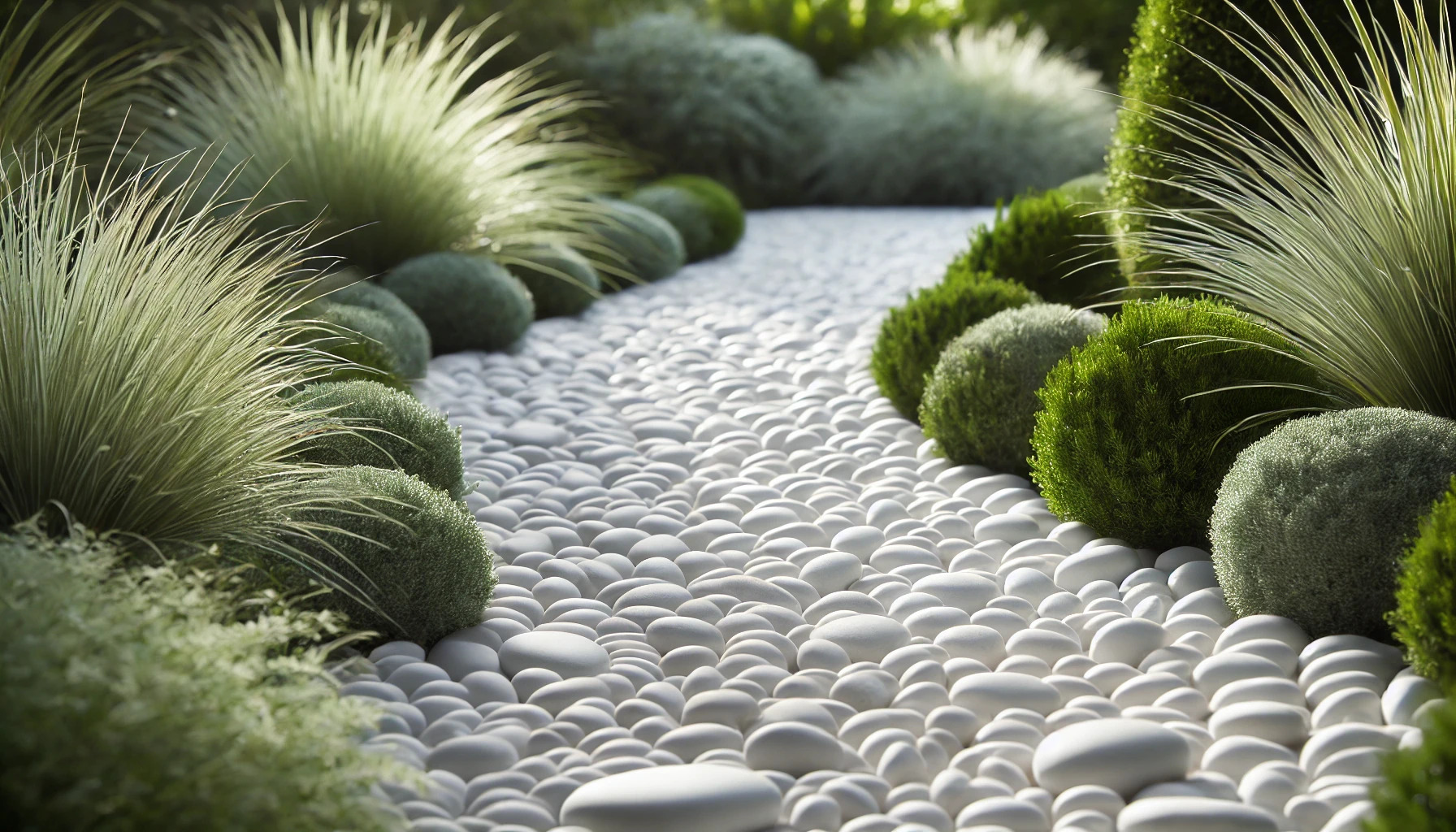
Decorative pebbles are a stylish, eco-friendly, and durable choice for your garden. They allow you to create unique and beautiful compositions that will bring joy for years to come. Whether you want to enhance flower beds, create a dry stream, or line paths, pebbles are a fantastic option to bring your ideas to life. Kyivstone offers a wide selection of decorative pebbles, available for convenient delivery, so you can easily transform your garden into a cozy and beautiful space.
FAQ
What are the main advantages of decorative pebbles?
Decorative pebbles offer several strong advantages for landscape design. They are durable and resistant to weather conditions, maintaining their color and shape for many years outdoors. They require minimal maintenance — occasional rinsing with water is enough to keep them fresh and attractive. Pebbles are also an eco-friendly material that integrates naturally into the environment without harming plants or soil. Thanks to the wide variety of colors and sizes, they can be used both as a decorative accent and as a practical solution for pathways, flower beds, or zones around ponds and fountains.
Where can decorative pebbles be used in the garden?
Decorative pebbles are highly versatile, making them suitable for many garden applications. They are commonly used for mulching flower beds and vegetable patches, protecting soil from drying out and suppressing weed growth. Pebbles are also perfect for creating dry streams and waterfalls that add harmony and a natural touch to the landscape. They can enhance relaxation areas by being placed around benches or lounge chairs, while pebble pathways bring a natural aesthetic to the garden. In addition, pebbles are excellent for decorating water features and for filling gabion structures, giving the garden a modern and stylish look.
What should I consider when choosing decorative pebbles?
When choosing decorative pebbles, several factors should be taken into account. Size is key: small to medium pebbles are better for mulching, while larger ones are ideal for pathways or gabions. Color plays an important role too — light-colored pebbles add a sense of spaciousness and freshness, whereas darker tones create contrast and depth. Quality is equally important, so it is best to purchase from trusted suppliers to ensure durability and eco-friendliness. For example, Kievstone offers a wide range of decorative pebbles with convenient delivery, making the selection and purchase process simple and reliable.
How do I maintain decorative pebbles?
Decorative pebbles require very little maintenance, but following some simple steps will keep them looking their best. Regularly clean the surface from leaves, dust, and dirt by rinsing with water or brushing gently. If pebbles are used for pathways or resting areas, check the level and distribution of the stones to ensure stability and comfort. When placed near water features or in gabions, it is advisable to monitor that the pebbles remain in place. With proper care, decorative pebbles will retain their attractive appearance and practical function for decades, making them a reliable and stylish element of your garden design.