Kiev, ave. Lobanovsky, 14


 +3 80 (50) 433-01-01
 Video
Video 3D Tour
Types of Sandstone for Landscape Design: How to Choose the Right Option
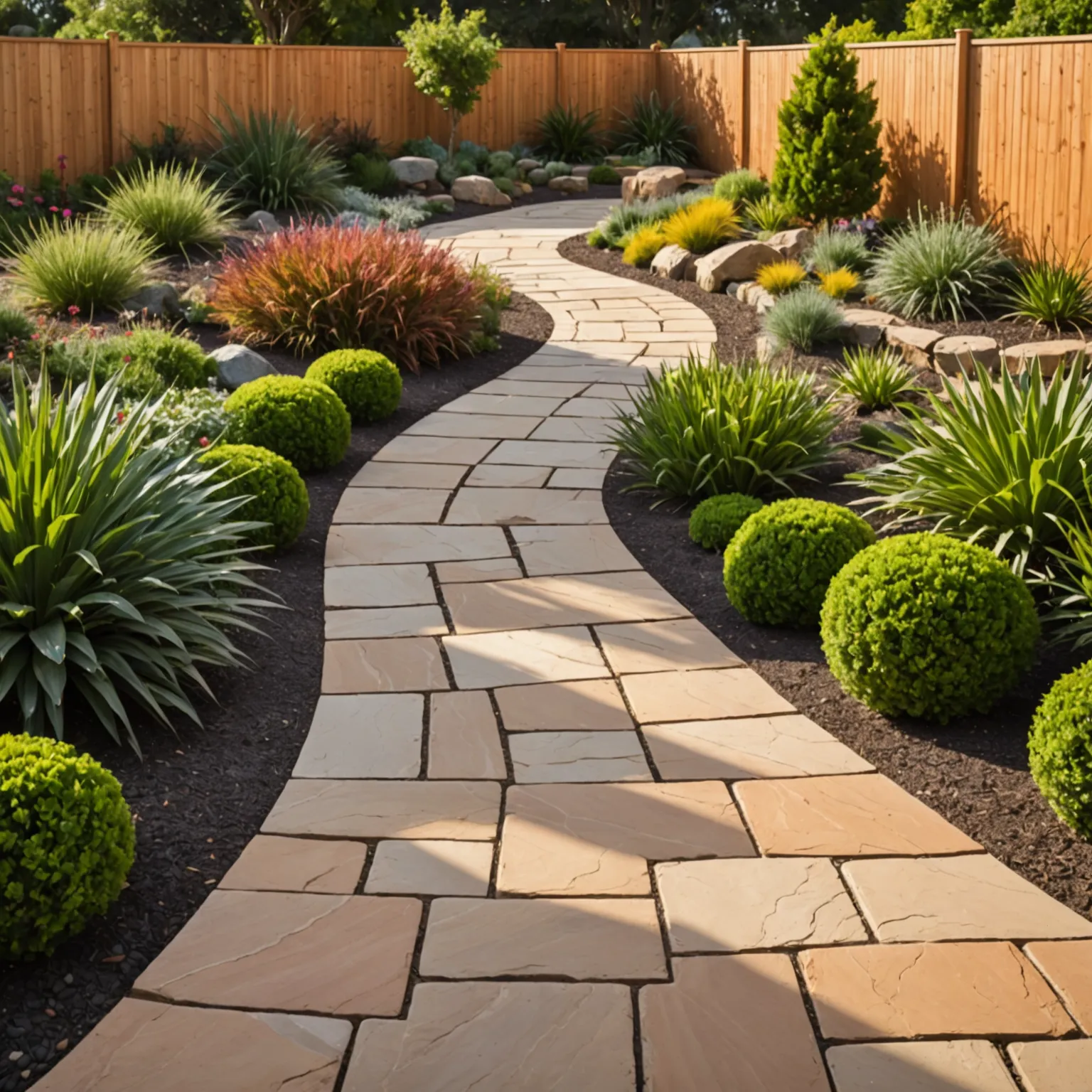
Sandstone is one of the most in-demand stones in landscape design thanks to its decorative and practical properties. Its natural shades, durability, and resistance to climate conditions make it an ideal choice for garden paths, wall cladding, terraces, and patios. It is important to note that sandstone has many varieties and processing methods, each suitable for specific tasks. In this article, we will look at the main advantages of sandstone, its types, application features, and provide tips on how to choose the right material for your project.
Advantages of Sandstone in Landscape Design
Before moving on to the types of sandstone, it is worth highlighting its key benefits:
- Natural beauty. Unique texture and a wide range of shades, from light beige to deep red, create harmony with garden greenery.
- Strength and durability. The stone is resistant to moisture, frost, and temperature fluctuations, and it withstands significant loads.
- Ease of processing. Sandstone is easy to cut and polish, allowing the realization of diverse architectural ideas.
- Eco-friendliness. This is a natural material without harmful impurities that blends organically into the environment.
Varieties of Sandstone and Their Features
The color and texture of sandstone depend on the deposit and the formation conditions of the rock. Let’s review the main varieties:
White and Light Sandstone
Light shades give the garden a sense of airiness and freshness, visually expanding space. This stone is ideal for terraces, paths, and patios. Beige sandstone harmonizes beautifully with greenery and flowerbeds.
Yellow Sandstone
Yellow sandstone has a warm shade and creates a sunny atmosphere. It is ideal for Mediterranean-style projects and recreational areas. A great choice for borders and steps.
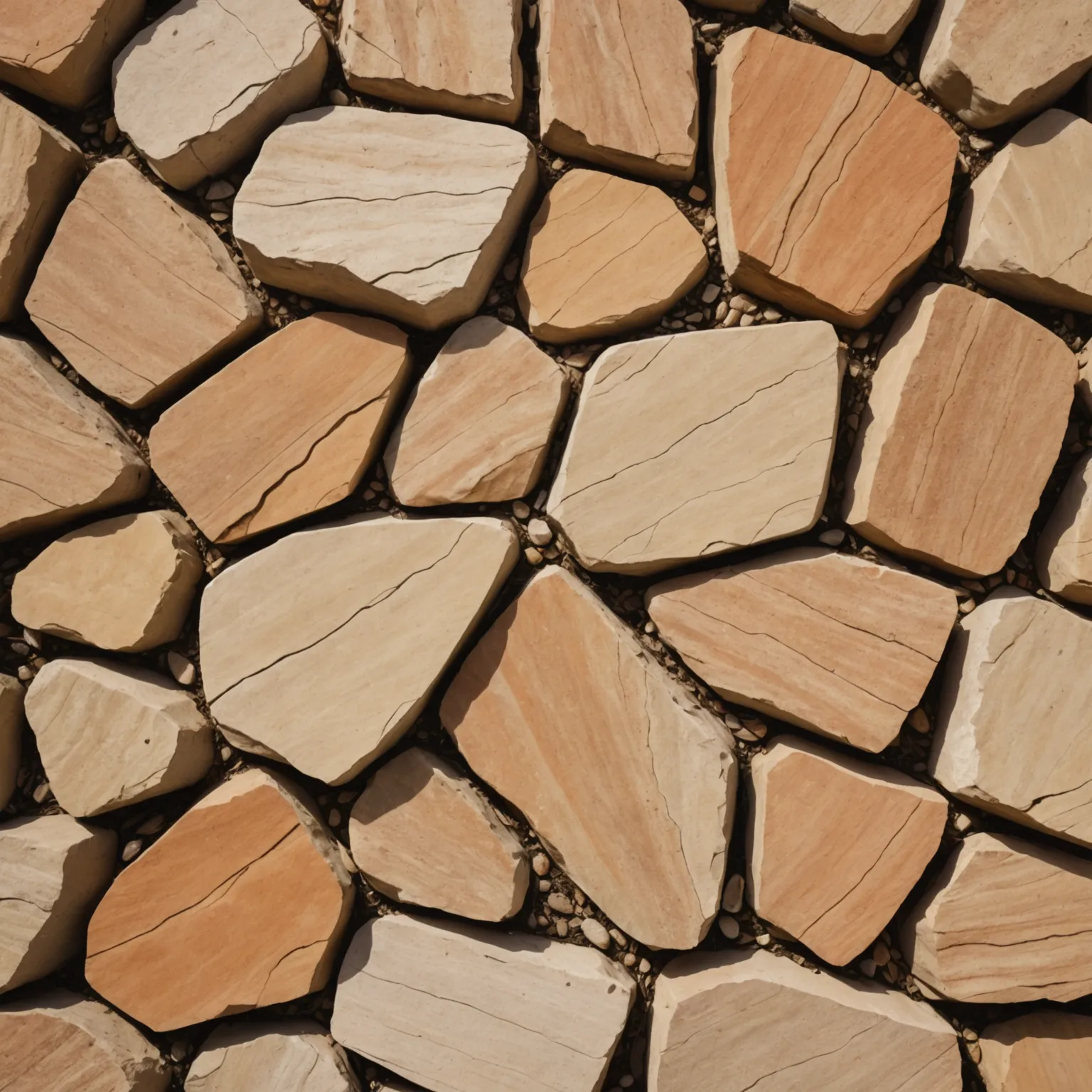
Red and Burgundy Sandstone
These rich shades make garden design vibrant and expressive. Red sandstone is perfect for paving paths and patios, while burgundy sandstone is often used as a decorative accent.
Gray Sandstone
A universal option for modern and minimalist projects. The gray color blends well with concrete, metal, and wood, adding austerity and style to the design.
Green Sandstone
A rare variety that fits perfectly into natural landscapes. Green sandstone is often used for ponds, rock gardens, and decorative zones, enhancing the feeling of natural harmony.
Types of Sandstone Processing
Processing affects not only the appearance but also the practical properties of the stone:
- Split. Uneven surface that creates a natural, slightly wild look.
- Sawn. Flat surface, used for paths, paving, and wall cladding.
- Polished. Smooth surface that provides elegance, suitable for facades, terraces, and decorative elements.
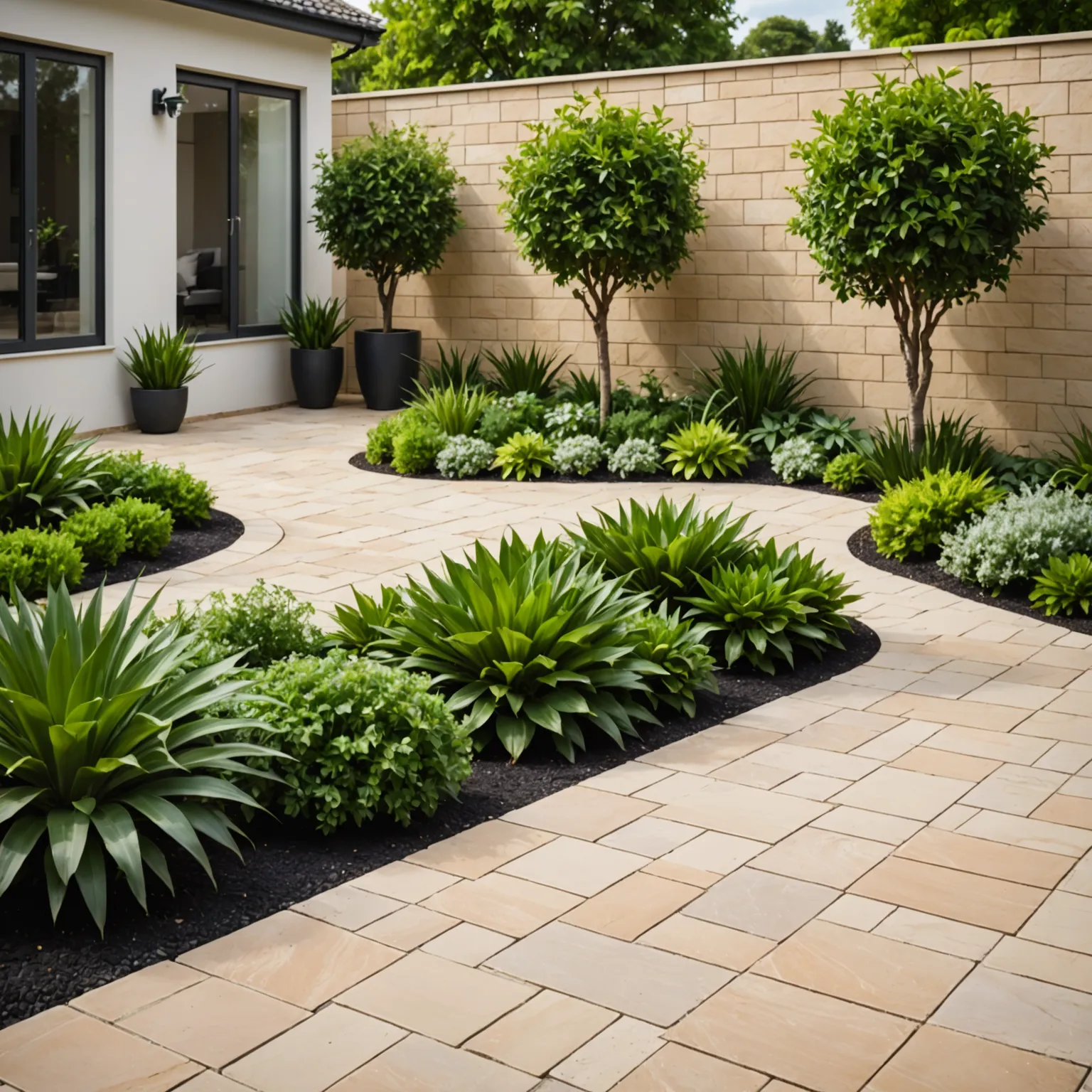
Comparative Table of Sandstone Types
| Type of Sandstone | Color | Application | Features |
|---|---|---|---|
| White/Light | Beige, cream | Paths, terraces | Visually expands space |
| Yellow | Warm yellow | Recreation areas, borders | Creates a sunny atmosphere |
| Red/Burgundy | Red, burgundy | Patios, decorative accents | Bright expressive design |
| Gray | Gray | Modern projects | Minimalism, strict style |
| Green | Green | Ponds, rock gardens | Creates a sense of natural harmony |
Tips for Choosing Sandstone
- Purpose. For paths — strong shades (gray, red), for decor — lighter and yellow varieties.
- Garden style. Light tones suit classic designs, while gray and green are perfect for modern styles.
- Climate. In humid conditions, it is better to use dense, moisture-resistant sandstone varieties.
- Reliable supplier. Choose trusted companies such as Kievstone, where you can find a wide selection of high-quality sandstone with convenient delivery.
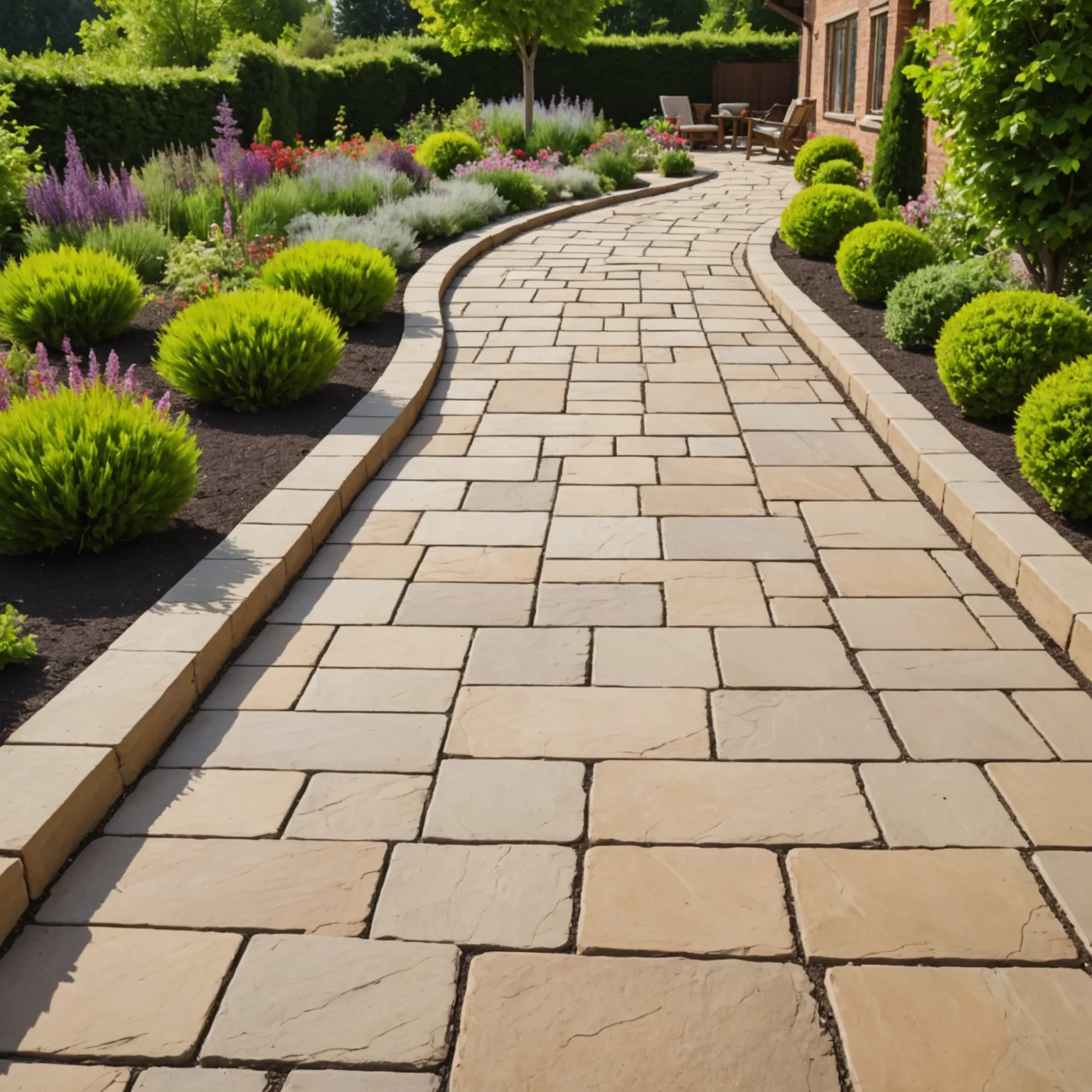
Sandstone is a stone that combines practicality, beauty, and eco-friendliness. Thanks to its variety of shades and processing methods, it is suitable for any garden style.
Sandstone is an ideal material for garden paths, patios, and decorative elements. Its diversity allows you to select the right option for any task. In the online store Kievstone, you will find a wide range of sandstone with convenient delivery and professional consultations, helping you create a stylish and long-lasting landscape.
FAQ
What are the main advantages of sandstone for landscape design?
Sandstone has a number of characteristics that make it highly popular in landscape design. First, it offers natural beauty: the stone features unique textures and a wide palette of colors, from light beige to deep red and even green. Second, it is strong and durable: sandstone resists frost, moisture, and temperature fluctuations, retaining its qualities for decades. Third, it is easy to process: it can be cut and polished to create a variety of architectural solutions. Finally, sandstone is eco-friendly: it is a natural, safe material that harmoniously integrates into the surrounding environment.
What varieties of sandstone exist and where are they best used?
Sandstone varieties differ in color and texture. White and light sandstone create an airy effect and are ideal for terraces and pathways. Yellow sandstone adds warmth and brightness, often used in recreation areas. Red and burgundy varieties make bold accents and are commonly used for paving or decorative elements. Gray sandstone is universal, fitting perfectly into modern minimalist projects. Green sandstone is rarer but works well for ponds, rock gardens, and decorative zones. The choice depends on the garden style and the functional load of the area.
What types of sandstone processing are available and how do they differ?
There are several main types of sandstone processing. Split sandstone has an uneven, natural surface that creates a wild, rustic effect, often used for rock gardens or wall cladding. Sawn sandstone features a flat surface, making it suitable for paths, paving, and wall finishes. Polished sandstone has a smooth, almost glossy surface that brings elegance and is used for facades, terraces, and decorative elements. The choice of processing method depends on the desired visual effect and the operating conditions — some projects require practicality, while others emphasize aesthetics.
How do you choose the right sandstone for your property?
To choose the right sandstone, consider several factors. First, the purpose: for walkways and high-load zones, opt for dense, durable types such as gray or red sandstone. For decorative elements and flowerbeds, lighter or yellow shades are more suitable. Second, the style of the garden: classic landscapes benefit from light tones, while modern projects work well with gray and green sandstone. Third, the climate: in humid conditions, it is best to use dense and moisture-resistant varieties. Finally, buy from trusted suppliers, such as Kievstone, which offers a wide selection of sandstone with delivery.