Kiev, ave. Lobanovsky, 14


 +3 80 (50) 433-01-01
 Video
Video 3D Tour
Why stone fences are the best choice for country houses and cottages
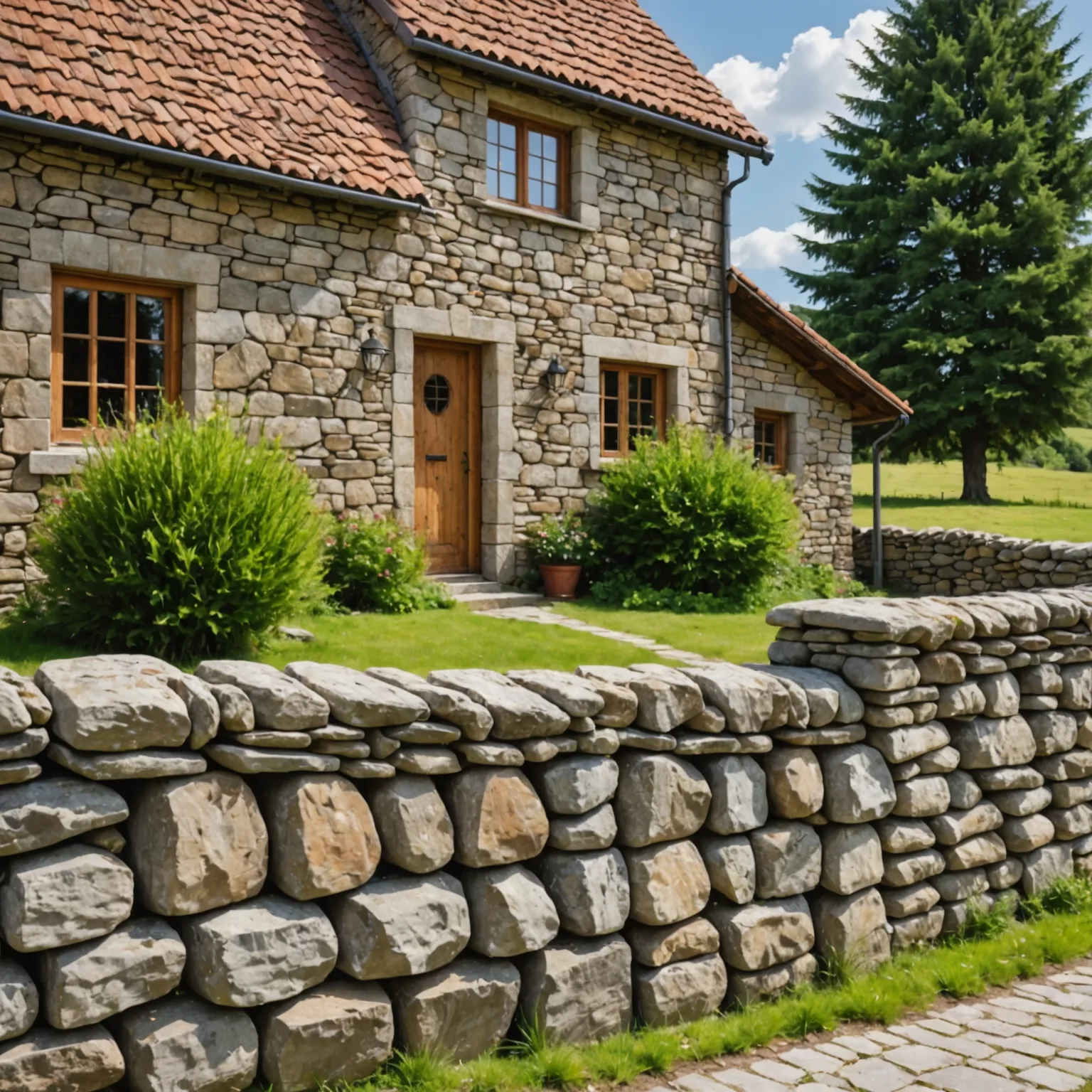
Stone fences are a timeless solution for country houses and suburban plots, combining strength, durability, and aesthetic appeal. Such fences emphasize the status of the owner and harmoniously blend into any landscape. Let’s take a closer look at the main advantages of stone fences and how easy it is to choose the right material at the KievStone store.
Strength and Security
The primary advantage of stone fences is their exceptional strength. Natural stone easily withstands wind loads, temperature fluctuations, and heavy precipitation. Unlike wood or metal, it does not rot, corrode, or deform over time.
For suburban homeowners, security is crucial. A stone fence is almost impossible to break or damage, making it a reliable barrier against unwanted guests and wild animals.
Durability and Minimal Maintenance
Materials such as granite, sandstone, travertine, or slate tiles are highly resistant to wear and can retain their appearance for decades. Maintenance usually requires only periodic cleaning from dirt and dust.
Unlike wooden fences that need regular protective treatments, or metal fences that require painting and anti-corrosion care, stone fences demand virtually no extra maintenance. This is especially convenient for country homes where people prefer spending time resting, not caring for the fence.
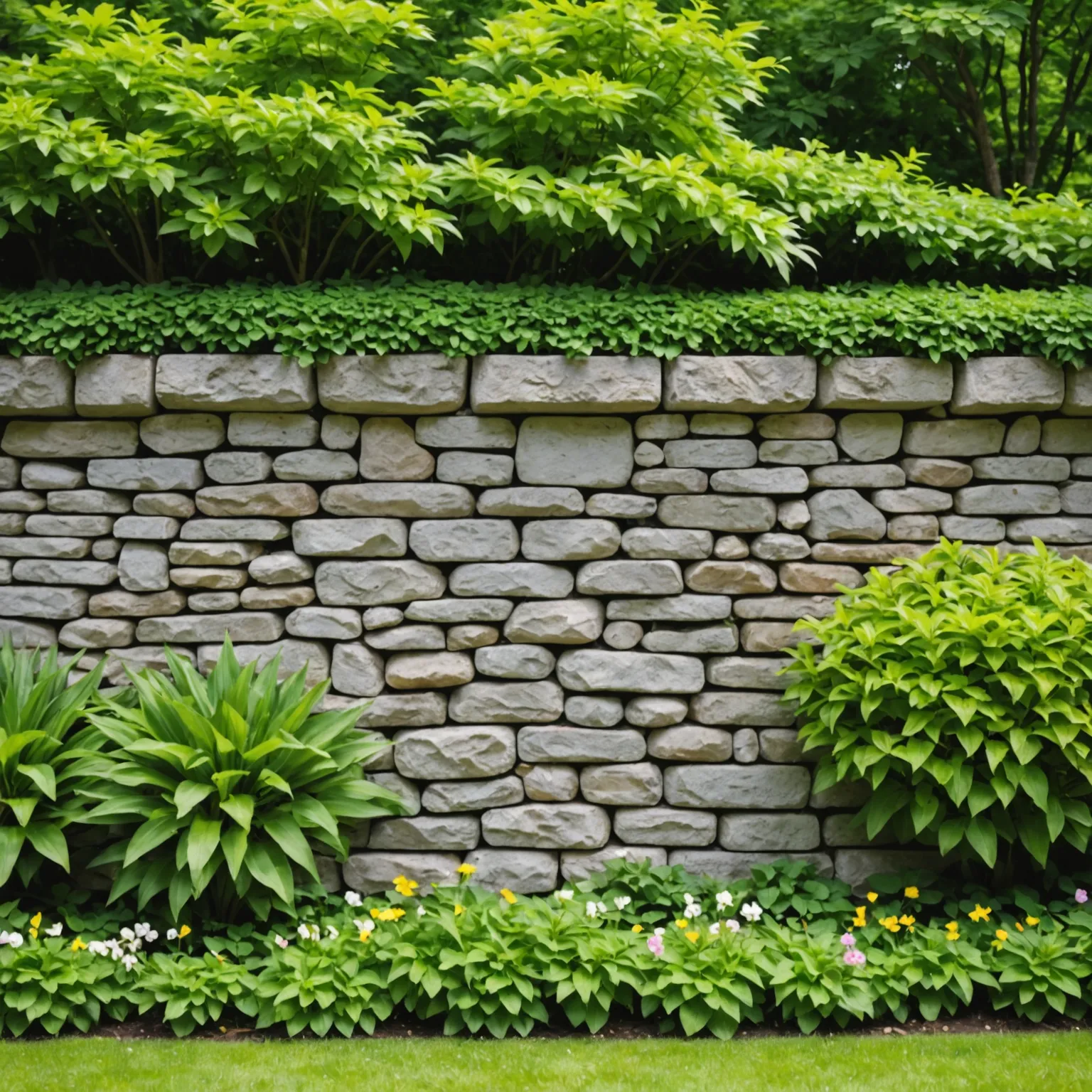
Aesthetic Appeal
Stone fences look organic in any landscape style – from classical gardens to rustic surroundings. Natural stone offers a wide palette of textures and shades:
- Granite – symbolizes strength and prestige.
- Sandstone – adds warmth and coziness.
- Slate – underlines a modern and stylish design.
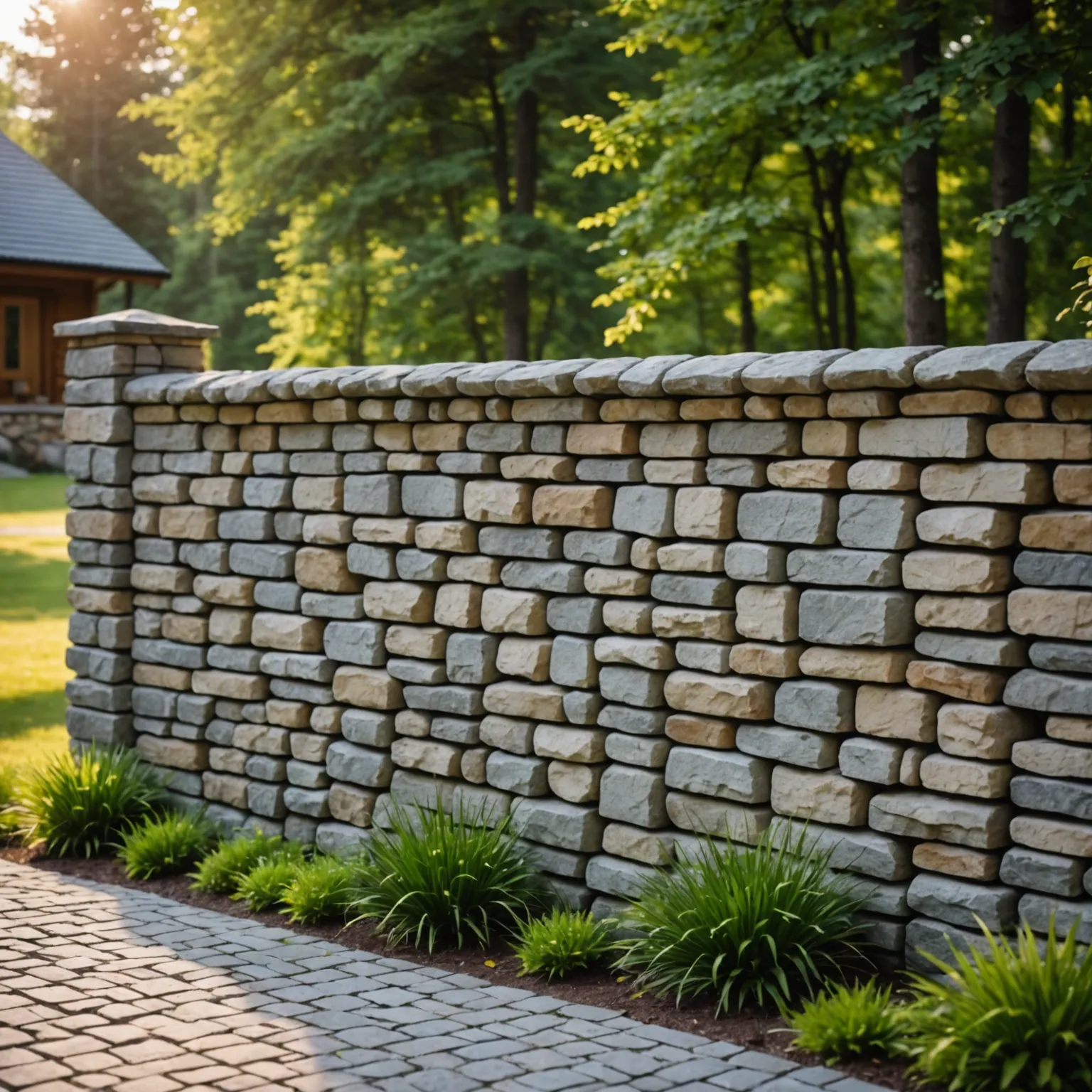
Eco-Friendliness and Harmony with Nature
Natural stone is an environmentally friendly material. It does not release harmful substances and fits perfectly into eco-conscious lifestyles. Stone fences integrate seamlessly into the natural landscape, creating a comfortable and welcoming atmosphere.
Fact: a well-built stone fence can serve over 100 years without losing its strength or visual appeal.
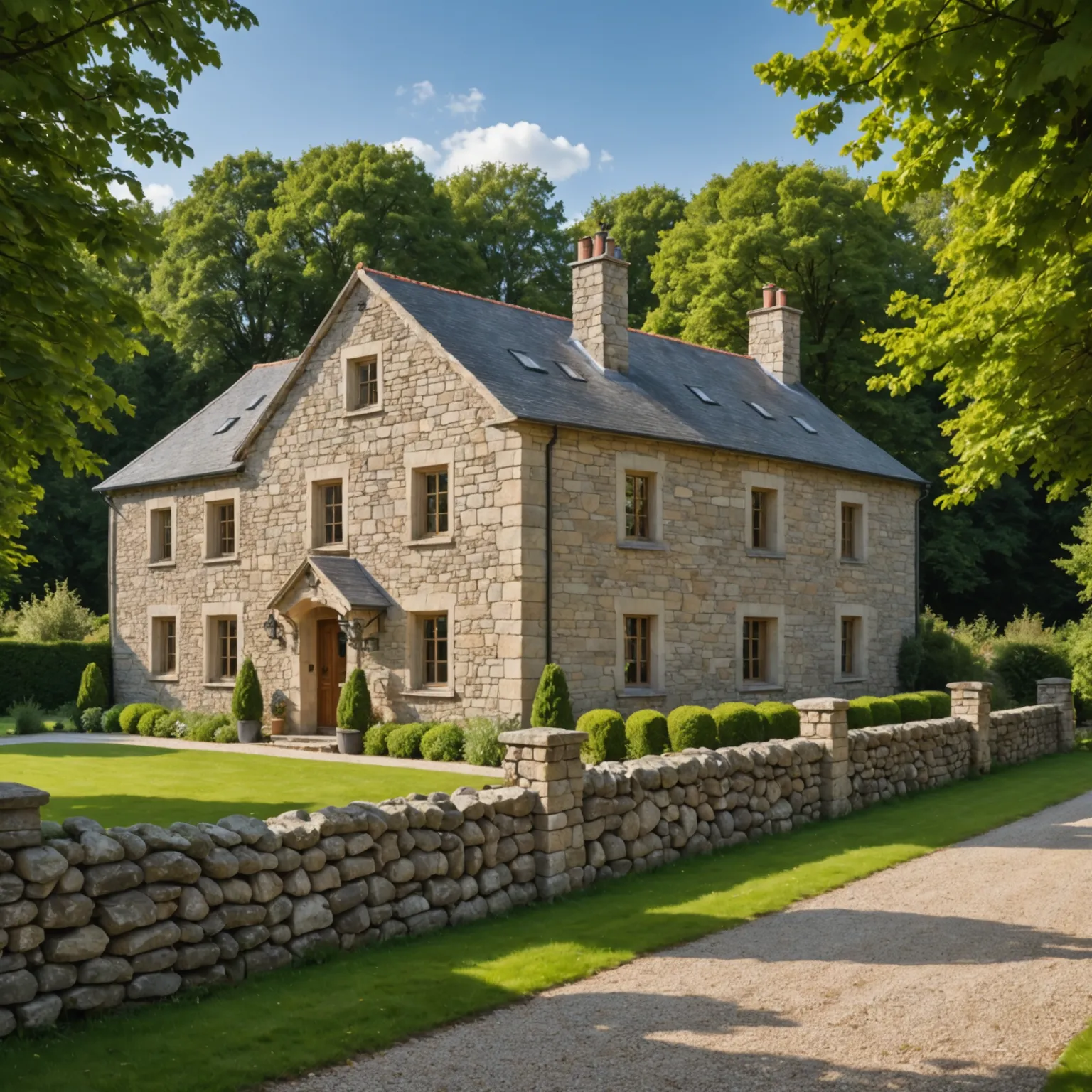
Design Variety and Custom Solutions
Stone fences allow for a wide range of design possibilities:
- Classical – with massive pillars and decorative details.
- Modern – minimalist style with clean lines.
- Rustic – natural shapes and rough textures.
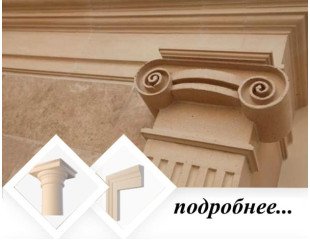
In the facade stone catalog, you can find many options to match any architectural style.
Comparison Table of Materials
| Material | Strength | Maintenance | Aesthetic |
|---|---|---|---|
| Granite | Very high | Minimal | Strict and prestigious |
| Sandstone | Medium | Low | Warm and cozy |
| Slate | High | Minimal | Modern and stylish |
Convenient Ordering and Delivery
Decorative stone and other materials are available with fast and convenient delivery directly to your site. This is particularly important for suburban properties where transporting heavy materials can be a challenge.
Conclusion
Stone fences are the perfect balance of reliability, durability, and beauty. They protect your land, enhance its appearance, and require minimal upkeep. To choose the right material and arrange delivery, contact KievStone – the store offers a wide selection of premium natural stones.
FAQ
What are the main advantages of a stone fence over wood or metal?
Natural stone delivers exceptional strength, weather resistance, and longevity. It does not rot like wood or corrode like untreated metal, so it keeps its structural integrity and appearance for decades. Stone also provides superior security because it’s difficult to breach and resists impact. Aesthetically, each piece has unique texture and color, giving you a premium, timeless look that complements both classic and contemporary architecture. While upfront costs can be higher, low maintenance and long service life make stone a cost-effective investment over time.
How much maintenance does a stone fence require, and do I need to seal it?
Maintenance is minimal: periodic rinsing with water and gentle brushing is usually enough to remove dust, moss, or efflorescence. Joint inspection every 1–2 years is recommended to spot cracks or loose mortar for quick touch-ups. Sealing is optional and depends on stone type and climate. Dense granites and slates often don’t need sealers, while more porous stones (e.g., sandstone, travertine) can benefit from a breathable, UV-stable sealer to reduce staining and water absorption. Avoid film-forming coatings; choose penetrating products compatible with natural stone.
Which stone should I choose for my design and local conditions?
Match performance and style to your site. Granite offers the highest durability and a refined, prestigious look—great for high-traffic or harsh climates. Sandstone brings warm tones and a softer, rustic feel that blends into gardens and natural landscaping. Slate provides crisp layering and modern character with strong weather resistance. Travertine adds elegant veining for decorative accents. Consider freeze-thaw cycles, salt exposure, and required height: for taller or exposed perimeters, prioritize denser stones and robust foundations; for decorative sections, lighter textures can be ideal.
What should I know about installation, foundations, and overall cost?
Long-term stability depends on a proper foundation below frost line, reinforced footings for pillars, and quality drainage to prevent water pressure behind the wall. Use suitable mortar or mechanical anchors based on stone type and construction method (solid masonry vs. veneer on block/concrete). Costs vary with height, thickness, stone selection, and labor. Although initial spending is higher than wood or thin-gauge metal, stone’s 50–100+ year lifespan, minimal upkeep, and security benefits typically deliver a strong total cost of ownership and higher curb appeal value.