Kiev, ave. Lobanovsky, 14


 +3 80 (50) 433-01-01
 Video
Video 3D Tour
Travertine Flooring
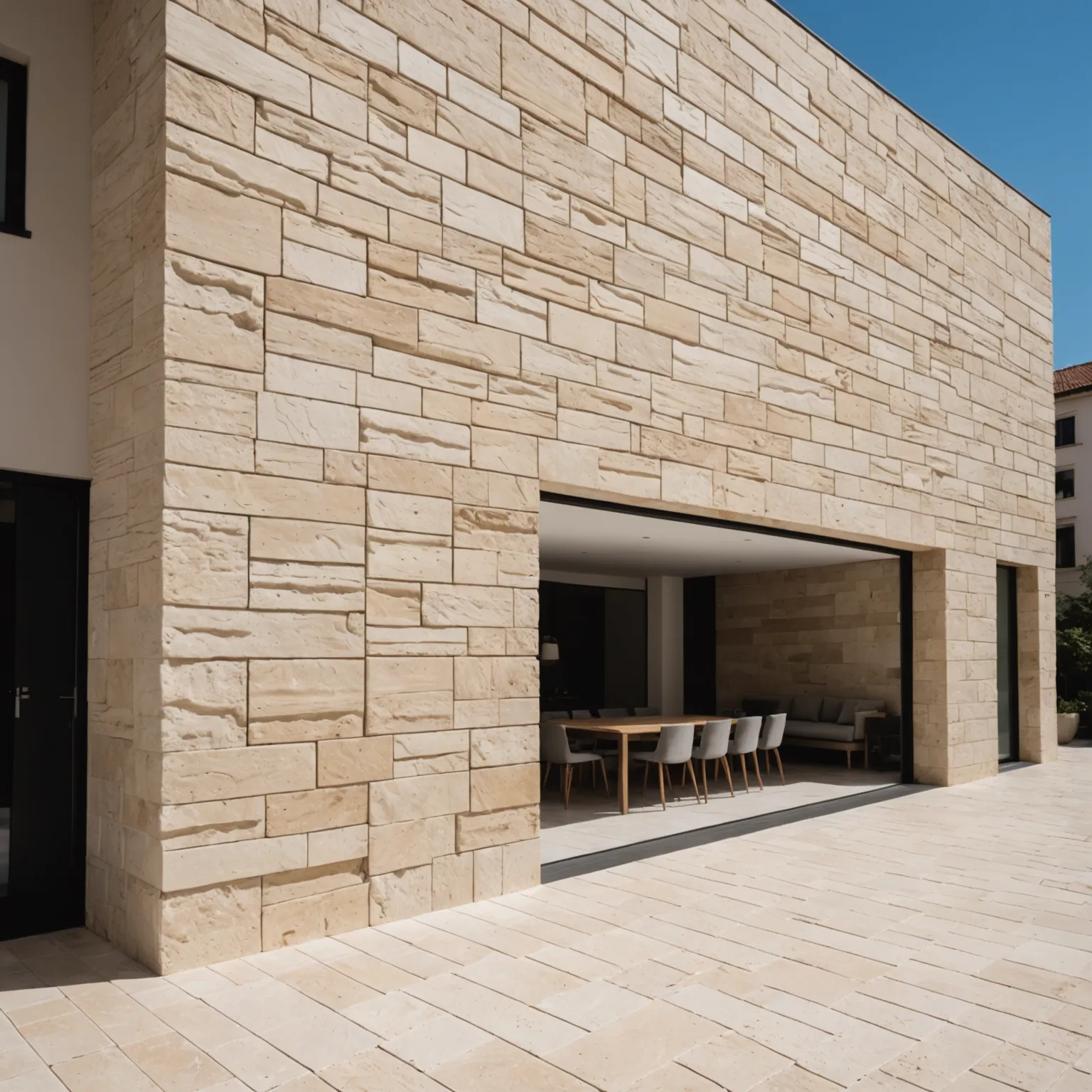
Travertine flooring is one of the best solutions for creating a gentle, cozy interior in a soft color palette. This natural stone combines the nobility of its pattern, the warmth of its tactile feel, and the practicality of everyday use. Thanks to its natural palette, ranging from creamy beige to walnut caramel shades, travertine floors seamlessly complement both classic and contemporary spaces.
Why Choose Travertine for Floors
In design, travertine emphasizes sophistication and refined style, creating an atmosphere of harmony and tranquility. It is lightweight in structure yet very durable, resistant to abrasion, and not prone to deformation under daily loads. Legendary ancient structures confirm its longevity — just recall the Roman Colosseum, which has survived for centuries, preserving the expressiveness of this stone.
Compatibility with Interior Styles
One of the secrets of travertine’s popularity is its versatility. It looks equally impressive in baroque and modern, fusion and hi-tech interiors. In classical spaces, it enhances architectural rhythm; in minimalism, it adds warmth and texture; and in eclectic design, it ties diverse materials into a coherent composition. For projects where both flooring and wall inserts should use the same material, travertine ensures visual continuity.
Hygiene and Comfort in Humid Spaces
Travertine floors are both hygroscopic and stable: no colonies of microorganisms form on the surface or between seams when exposed to water, while the structure of the stone “breathes.” For this reason, travertine is often chosen for bathrooms, spa zones, and hammams, where cleanliness, tactile comfort, and resistance to temperature fluctuations are essential.
Underfloor Heating and Temperature Changes
Natural travertine is non-flammable and withstands cyclical temperature variations. It is an ideal material for underfloor heating systems: the stone accumulates and gently releases heat, maintaining a balanced indoor climate without “hot spots.” Such flooring feels comfortable to walk on barefoot and also helps save energy thanks to stable heat transfer.
Protective Treatments and Easy Maintenance
By treating travertine flooring with specialized stone sealants, you reduce the absorption of oils, dyes, and household stains. Everyday care is simple — neutral cleaning agents, regular dry cleaning, and occasional resealing. The material is resistant to gentle cleaning products and does not require complex restoration procedures to maintain its finish.
Color Options and Textures
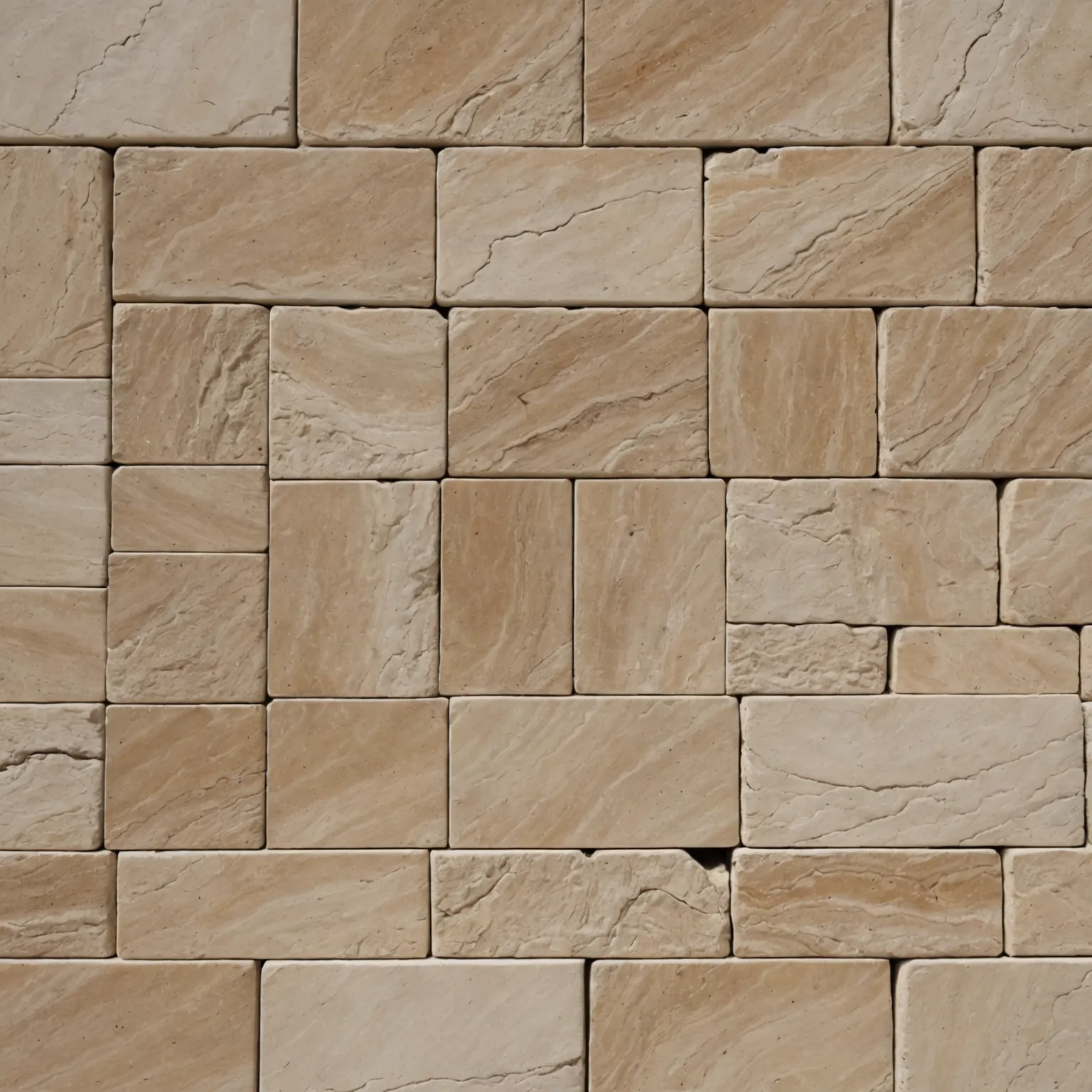
The range of travertine colors and textures is so diverse that it allows for fine-tuning the mood of any room. Light beige and creamy shades visually expand the space, gray-sand and walnut tones add depth, while contrasting veins create a dynamic pattern. The visual effect can be optimized by combining finishes — from silky matte to slightly brushed surfaces.
Types of Travertine Flooring and Applications
Polished Travertine
Smooth, pleasant-to-touch surface with calm matte shine. Perfect for living rooms, bedrooms, and hallways where visual unity and easy cleaning are important. Explore options in the brushed travertine collection.
Filled Travertine
Pores and cavities are carefully filled, improving hygiene and simplifying maintenance. This finish is especially suitable for kitchens and dining rooms. Check available selections in the filled travertine category.
Floor Mixes
Combinations of formats and shades create expressive panels, borders, and accent zones. This solution helps visually zone spaces without additional partitions. Variants can be found in the floor travertine section.
Practical Benefits for Everyday Use
- Durability: resistant to abrasion and daily foot traffic.
- Repairability: localized polishing and resealing extend service life.
- Eco-friendliness: natural origin, safe for living spaces.
- Tactile Comfort: naturally “warm” underfoot, especially with underfloor heating.
Comparison of Finishes and Usage Areas
| Finish | Appearance | Recommended Areas | Care Notes |
|---|---|---|---|
| Polished | Matte, smooth, with soft shine | Living rooms, bedrooms, hallways | Regular dry cleaning, neutral detergents |
| Filled | More uniform texture, focus on veining | Kitchens, dining rooms, corridors | Periodic resealing |
| Mixes | Decorative combinations of formats and colors | Accent areas, zoning of open spaces | Same care as base finish, sealed joints |
Design and Installation Recommendations
- Format selection: large tiles visually expand rooms; modular schemes create rhythm.
- Joint layout: minimal seams create monolithic effect, diagonal layouts add dynamics.
- Base preparation: strong screed and quality waterproofing ensure durability.
- Sealing: initial treatment after installation and regular resealing for protection.
Travertine is a rare material where natural beauty is inseparably combined with functionality: “alive” in pattern yet disciplined in daily use.
KievStone Design Center: Selection and Purchase
At KievStone Design Center, you can purchase travertine for any project: from elegant polished to decorative mixes for zoning. The showroom offers a wide palette — from soft pastels to rich compositions. Consultants will help you select textures, formats, and recommend suitable sealants.
Address and Contact
Travertine in Kyiv is available at: Valeriy Lobanovskyi Avenue, 14. To preview collections and explore the assortment, visit: floor travertine, brushed travertine, filled travertine. Our team will assist in selecting the right format, finish, and provide installation and care advice.
FAQ
What are the advantages of travertine flooring compared to other natural stones?
Travertine floors offer a unique combination of qualities that are hard to achieve with other stones. First, travertine retains natural warmth and does not feel as cold as granite or marble. Second, it is easier to process, allowing for more finish options — polished, filled, or brushed. In addition, it is resistant to abrasion, withstands temperature fluctuations, and works perfectly with underfloor heating systems. In terms of durability, travertine is comparable to harder stones, and in terms of aesthetics, it often wins thanks to its rich color palette and distinctive veins that create a natural pattern.
Is travertine suitable for humid areas such as bathrooms or kitchens?
Yes, travertine performs excellently in high-moisture environments. Its structure is both hygroscopic and resistant to mold or mildew growth. When installed correctly and treated with special sealants, travertine floors do not absorb water and are easy to clean. In bathrooms, it creates a spa-like atmosphere, while in kitchens it is protected against oils and dyes. For maximum practicality, filled travertine is recommended since its pores are sealed, making the surface more resistant to moisture and daily wear.
How difficult is it to maintain travertine flooring?
Maintaining travertine is easier than many expect. Regular care involves dry cleaning with a vacuum or soft brush and washing with neutral detergents. The material is not affected by gentle household chemicals and retains its appearance even with frequent cleaning. To extend its lifespan, it is recommended to refresh the protective seal every few years. In case of local damage, the surface can be restored with polishing or grinding, which makes travertine a practical and long-term choice.
How do I choose the right type of travertine for my floor?
The choice depends on the room and its purpose. Polished travertine is ideal for living spaces, offering a smooth matte shine and easy cleaning. Filled travertine is best for kitchens and hallways where spills and dirt are more common — its denser structure makes it more practical. For decorative accents, floor mixes are a great option, allowing patterns, borders, or zoning. It is also important to consider the color tone so it harmonizes with furniture and wall finishes. Consulting with experts and seeing the stone in a showroom can help you make the right decision for your project.