Kiev, ave. Lobanovsky, 14


 +3 80 (50) 433-01-01
 Video
Video 3D Tour
Travertine for Paths: Types of Stone and Installation Features
Garden paths shape the way a property feels long before anyone reaches the front door. You hear the sound of footsteps on stone, notice how the surface reacts after rain, and see how the color shifts under evening light. That is why Travertine for pathways: types and installation rules has become a practical topic for homeowners and landscape designers alike. The material looks refined, yet it requires a clear understanding of structure, load, and drainage to perform well outdoors.
Travertine is a natural limestone formed by mineral springs, and its porous structure gives it a warm, organic appearance. Unlike concrete, it does not overheat dramatically in summer, making it comfortable to walk on barefoot. At the same time, density, thickness, and surface finish directly affect durability. Most long-term issues are not caused by the stone itself, but by shortcuts taken during base preparation.
Before choosing slabs, it is important to distinguish between travertine for façades and travertine for paving. Outdoor pathways face constant exposure to moisture, temperature fluctuations, soil movement, and mechanical wear. When climate, traffic intensity, and proper drainage are taken into account, the result can last for decades. Below, we break down the main types of stone and the technical details that matter in real projects.
Travertine for pathways: types and installation rules: the main challenge lies in selecting the correct density, surface finish, and installation method for outdoor conditions. Natural travertine solves the problem of creating a durable and visually cohesive pathway when the base and water management are properly designed. The homeowner gains a stable walking surface with natural texture and long service life.
Which types of travertine are suitable for garden paths
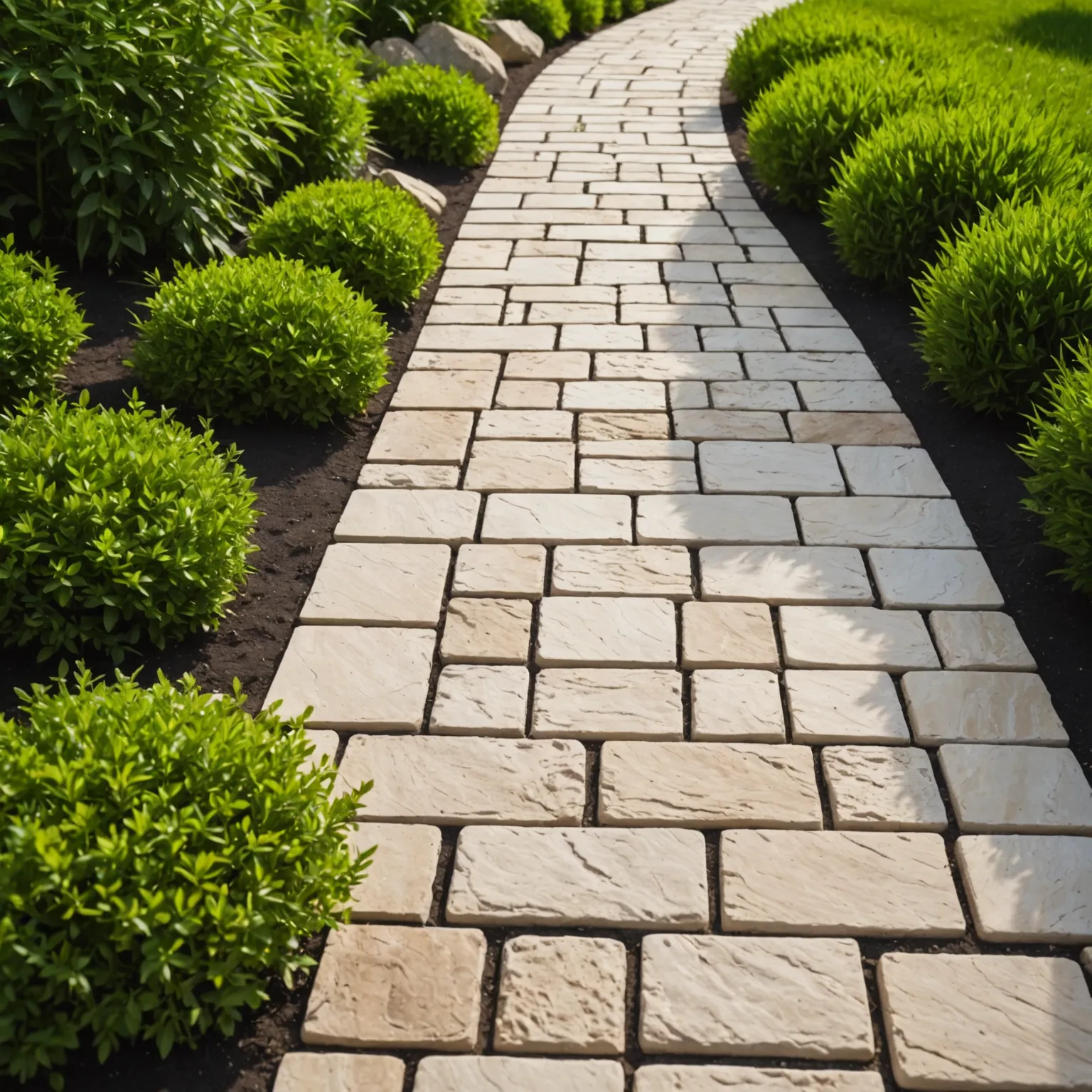
Travertine used for paving is available in filled and unfilled versions. Filled travertine has its natural voids sealed with a special compound, reducing water absorption and simplifying maintenance. For outdoor paths, filled material is generally more practical. Unfilled stone offers a more rustic appearance but demands more frequent sealing.
Thickness typically ranges from 20 mm to 40 mm. For pedestrian paths, 30 mm slabs are usually sufficient when supported by a properly compacted base. In areas with heavier loads, thicker pieces are recommended. Slab format also affects the visual outcome: large modules create a calm, modern layout, while smaller pieces introduce rhythm and pattern.
Color variations move from soft cream and beige to warmer walnut tones. When a property already features elements such as natural travertine cladding, extending the same material into pathways creates architectural continuity. This avoids abrupt contrasts and makes the landscape feel intentionally designed.
Surface finish is critical for safety. Honed travertine appears smooth and refined, but for exterior use brushed or tumbled finishes are preferable. These textures provide better grip under damp conditions, especially in the early morning when a thin film of moisture settles on the stone.
The porous structure and its impact on long-term performance
Travertine’s porous nature is part of its character. Those small cavities give the stone warmth and depth, especially under angled sunlight. However, open pores can absorb water if left untreated. During freeze-thaw cycles, trapped moisture may expand and cause microfractures.
Applying a penetrating sealer significantly reduces this risk. Sealing is not complicated, yet it plays a decisive role in long-term durability. Without protection, the surface may develop uneven darkening or stains from soil and organic debris. With proper care, the texture remains consistent and stable.
Compared to layered materials such as natural slate products, travertine does not split along thin planes when correctly installed. Its internal structure is more uniform, which supports stable paving performance. The key is pairing the stone with a well-designed sub-base.
In practice, failures are rarely caused by poor stone quality. More often, insufficient compaction of the base or improper water runoff leads to movement and settlement. The stone can only perform as well as the foundation beneath it.
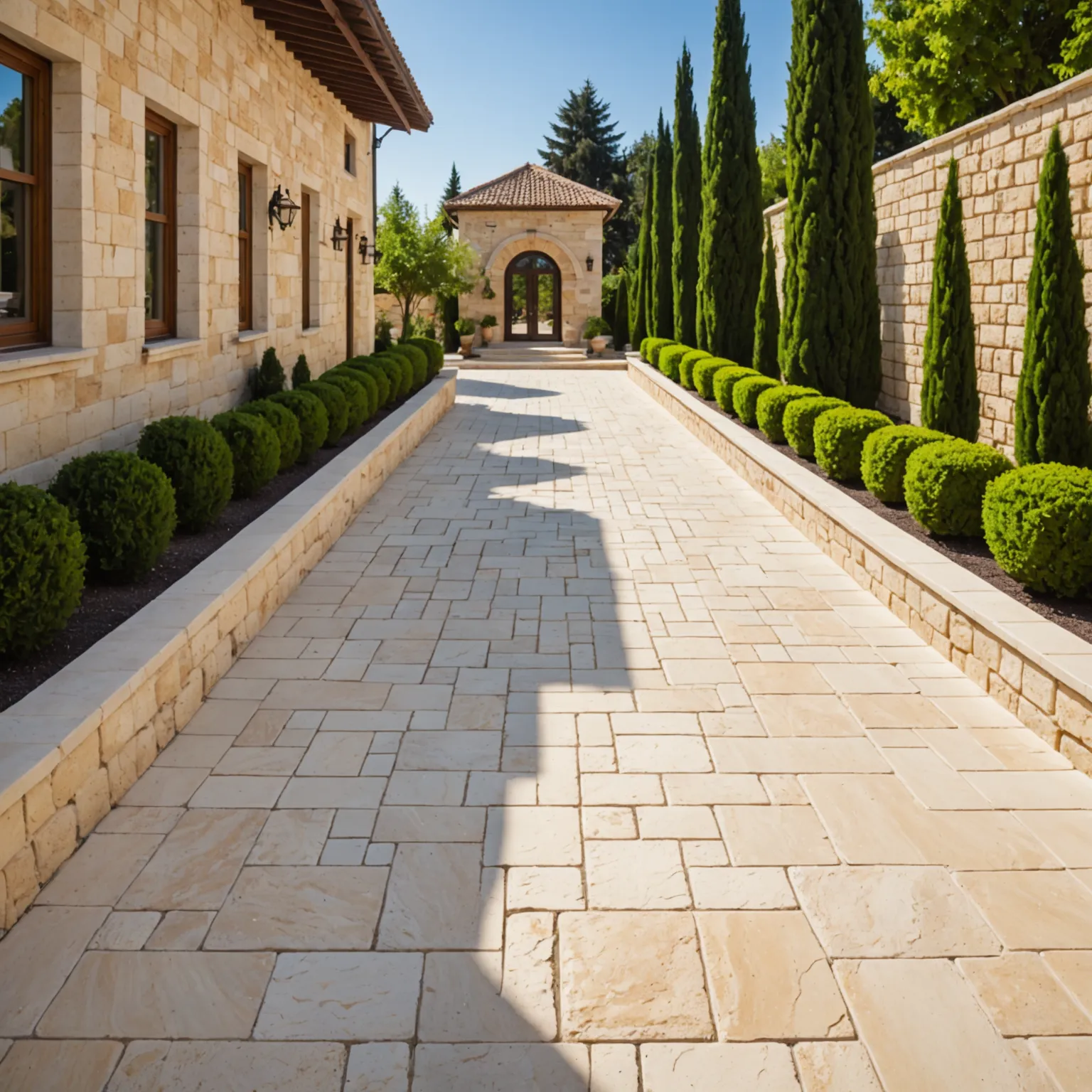
Preparing the base for travertine paving
Base preparation begins with removing topsoil and unstable layers. A compacted crushed stone foundation is then installed, sometimes reinforced with geotextile depending on soil conditions. Thickness varies according to expected loads and ground stability. Proper compaction at this stage prevents future settlement.
Drainage design is equally important. A subtle slope ensures that rainwater flows away rather than collecting between slabs. Even a small amount of standing water can weaken joints over time. On rainy days, you should see water move gently off the path instead of forming puddles.
In projects that combine paving with decorative features such as stone veneer accents, height alignment must be carefully planned in advance. Clean transitions between materials improve both durability and visual coherence. Precision at this stage eliminates many finishing issues.
Joint spacing should allow for natural expansion and contraction. Slabs installed too tightly may chip at the edges during seasonal temperature changes. A correctly executed system feels solid underfoot while still accommodating movement.
Experienced installers often note that most paving issues originate from rushed base preparation. When crushed stone is not compacted properly, visible dips can appear within just a few seasons, regardless of stone quality.
Once the base is prepared correctly, the focus shifts to installation details that influence how the pathway behaves over time. Travertine does not require complicated technology, but it does demand discipline and consistency. Small deviations in alignment, slope, or joint width accumulate and become visible after seasonal changes. A pathway should feel stable underfoot, without hollow sounds or movement when you step on the edges of a slab.
Installation methods: sand-set system or concrete base
There are two primary installation approaches for travertine pathways. The first is a sand-set system over a compacted crushed stone base. This method allows slight flexibility, accommodating minor ground movement and making individual slab replacement easier. It is commonly used for garden paths and low-traffic areas.
The second approach involves bonding the slabs to a reinforced concrete base with a frost-resistant adhesive designed for natural stone. This solution provides higher structural stability and is often selected for entrance zones or areas exposed to heavier use. However, it requires careful waterproofing and expansion joints to prevent cracking. A rigid base without movement allowances can create stress points.
Choosing between these methods depends on soil conditions, climate, and intended use. A sand-set system is more forgiving and easier to repair. A concrete base delivers a more fixed structure but demands precision and proper materials.
In projects where pathways connect to terraces or decorative walls visible in the project gallery, consistency of levels and clean detailing at transitions become especially important. Visual harmony and structural performance go hand in hand.
Surface texture and slip resistance in wet weather
Slip resistance is one of the most practical concerns for outdoor paving. Honed travertine looks refined but may become slick when wet. Brushed, tumbled, or lightly textured finishes provide improved grip. This difference is noticeable after rainfall, when moisture forms a thin layer on the surface.
Textured finishes also soften the overall appearance. Under cloudy skies, brushed travertine reveals subtle shadows in its pores, adding depth without glare. In contrast, highly polished surfaces reflect more light and can appear brighter but less stable underfoot.
For families with children or elderly residents, prioritizing grip over shine is a sensible decision. The pathway should feel secure even when covered with fallen leaves or early morning dew. Safety is influenced by both finish and proper drainage.
Texture affects maintenance as well. Slightly rough surfaces hide minor dust and soil better than perfectly smooth finishes. This makes day-to-day upkeep less demanding while preserving a natural look.
Seasonal maintenance and long-term care
Cleaning, sealing, and protection
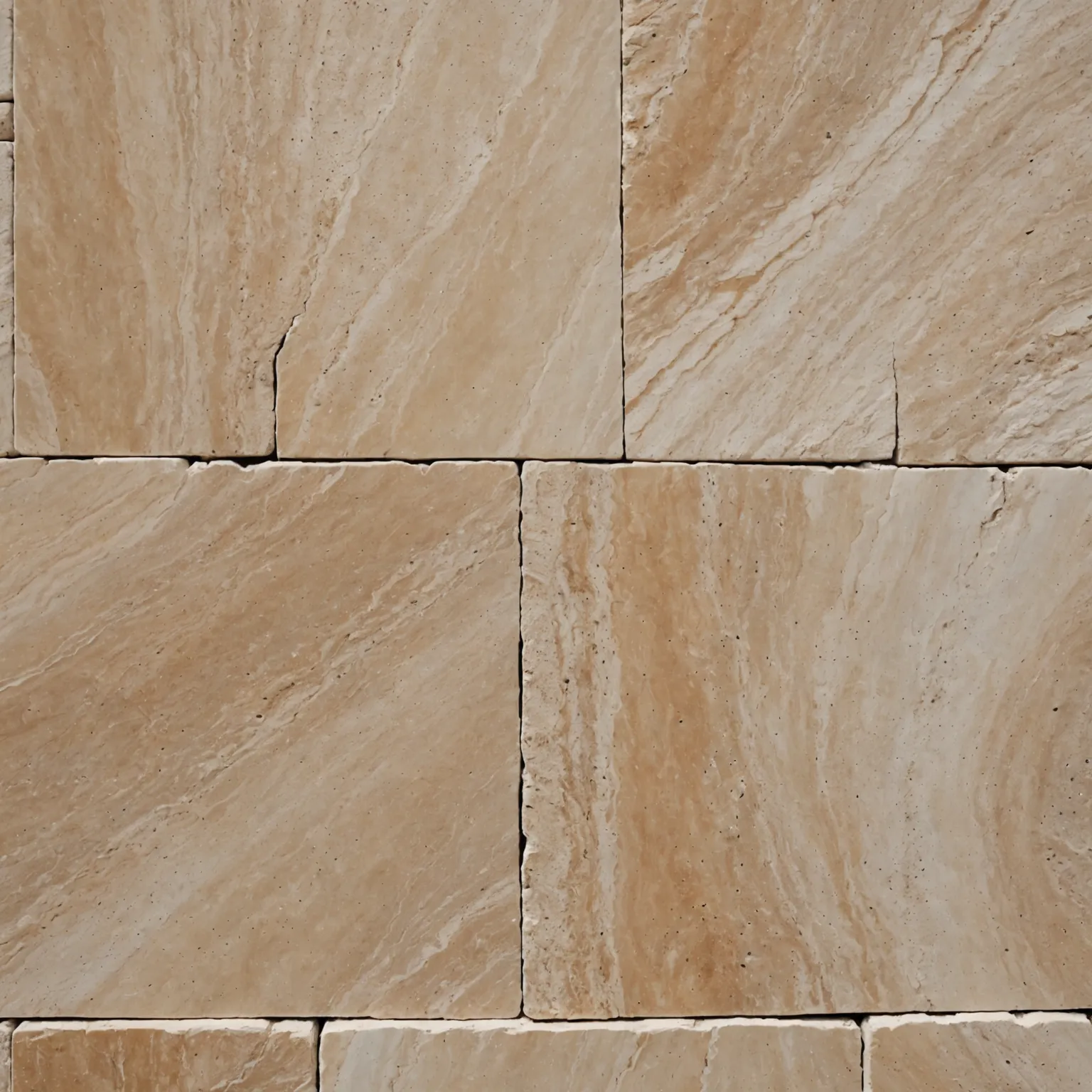
Travertine pathways do not require aggressive cleaning. A soft brush or gentle water rinse is usually sufficient to remove dust and organic debris. Acidic cleaners should be avoided, as they can damage the limestone structure. Neutral cleaning products specifically formulated for natural stone are preferable.
In winter climates, de-icing salts should be used with caution. Salt can penetrate pores and cause surface discoloration over time. Mechanical snow removal with plastic tools is safer for the stone.
Sealing should be renewed every few years, depending on exposure and foot traffic. When water stops beading on the surface and begins absorbing more quickly, it is time to reapply protective treatment. For detailed technical guidance, homeowners may contact the customer support team for advice on suitable products.
With consistent maintenance, travertine develops a soft patina rather than visible wear. Its color may deepen slightly, but the structural integrity remains intact for many years.
Comparing travertine with other paving materials
Concrete pavers are often chosen for their affordability and straightforward installation. However, they can fade and chip over time, especially in regions with freeze-thaw cycles. Travertine offers a more organic appearance and tactile warmth underfoot.
Granite is denser and highly resistant to extreme mechanical loads. It performs exceptionally well in demanding environments but tends to create a cooler, more rigid visual effect. Travertine, by contrast, introduces warmth and subtle variation in tone.
Brick or clinker paving provides durability and strong color consistency. Yet its uniform appearance lacks the natural irregularity of stone. Travertine’s mineral texture and layered shades create a more nuanced landscape impression.
The table below summarizes key differences to support decision-making.
| Material | Visual Character | Moisture Resistance | Installation Complexity |
|---|---|---|---|
| Travertine | Warm, natural texture | Moderate, requires sealing | Medium |
| Granite | Dense, structured look | High | High |
| Concrete pavers | Uniform, neutral | Moderate | Low |
Common installation mistakes and how to avoid them
A frequent mistake is neglecting proper slope. When water pools on the surface, it accelerates joint deterioration and staining. Even a slight gradient is enough to prevent long-term damage.
Another issue arises from insufficient base thickness. The pathway may appear stable initially, but seasonal freeze-thaw cycles can cause settlement. Reinforcing the foundation at the beginning is far more efficient than repairing sunken areas later.
Using interior-grade adhesive for exterior installation is also problematic. Such products are not designed to withstand temperature fluctuations. Only frost-resistant systems formulated for natural stone should be used outdoors.
Careful planning and attention to detail eliminate most structural risks. Travertine rewards precision and patience during installation.
Practical tip: dry-lay several slabs before final installation to balance tones and textures. This prevents clusters of darker or lighter pieces from disrupting the overall visual rhythm.
Mini case: a homeowner selected 30 mm travertine slabs for a garden path and invested in proper drainage and compaction. Five years later, the pathway remains level, and the surface has developed a subtle, even patina without cracking.
- Travertine pathways require correct base preparation and sealing.
- Textured finishes improve slip resistance in wet conditions.
- Most structural issues stem from poor drainage or insufficient compaction.
- With proper care, travertine maintains stability and natural character for decades.
FAQ
Is travertine suitable for cold climates with frost?
Yes, travertine can perform well in cold climates if properly sealed and installed on a stable, well-drained base. On one hand, its porous structure requires protection against water absorption. On the other hand, when sealed and combined with correct slope and drainage, the stone withstands repeated freeze-thaw cycles without structural failure.
Does travertine become slippery after rain?
Slip resistance depends on surface finish. Honed surfaces may feel smoother under wet conditions, while brushed or tumbled finishes provide better grip. Selecting the right texture for outdoor paving significantly improves safety during rainy weather.
How often should travertine be sealed?
In most cases, sealing is recommended every two to three years, depending on exposure and foot traffic. If water no longer beads on the surface and instead absorbs quickly, resealing is advisable to maintain protection against moisture and staining.
Can travertine pathways be installed without professional help?
Small garden paths can be installed by experienced DIY homeowners familiar with base preparation and leveling. However, larger entrance areas or complex layouts benefit from professional installation to ensure structural stability and long-term durability.
How does travertine compare to granite for pathways?
Granite is denser and more resistant to heavy loads, making it suitable for high-traffic or vehicular areas. Travertine offers a warmer visual tone and is easier to shape for custom layouts. The choice depends on aesthetic goals and functional demands.
What thickness is recommended for pedestrian paths?
For pedestrian pathways, 30 mm thick slabs are generally sufficient when installed over a properly compacted base. Heavier-use areas may require thicker material to prevent structural stress or cracking.
How much extra material should be ordered?
It is recommended to add 5–10% extra material to cover cutting, layout adjustments, and potential breakage. Complex patterns or irregular layouts may require a slightly larger reserve to ensure consistent color distribution and alignment.
Where can I get detailed advice about choosing travertine?
For project-specific guidance, including slab thickness, finish selection, and maintenance recommendations, you can contact the company directly at +380(50)433-01-01. Professional consultation helps ensure the material suits local climate and usage conditions.