Kiev, ave. Lobanovsky, 14


 +3 80 (50) 433-01-01
 Video
Video 3D Tour
How to Care for Travertine
Travertine is valued for its soft texture, natural tones, and the sense of warmth it brings to both interiors and exteriors. At the same time, this stone requires attentive care. Proper travertine maintenance is the key factor that determines whether the cladding will preserve its beauty for many years or begin to lose its appearance after only a few seasons.
Unlike denser stone types, travertine has a porous structure. This feature creates its recognizable pattern but also makes the material sensitive to moisture, stains, and aggressive chemicals. That is why caring for travertine is not complicated—it is a system of regular and well-considered actions.
A common mistake is treating travertine as a universal stone with no special requirements. In reality, care rules vary depending on whether the material is used indoors, on façades, in bathrooms, or in high-traffic areas. A thoughtful approach allows travertine to maintain its appearance just as successfully as other natural stone solutions, including marble products.
How to care for travertine: the main principle is protecting the porous structure of the stone from moisture and contamination. Regular cleaning, suitable products, and preventive protection help preserve the natural beauty of travertine and significantly extend its service life.
Travertine properties that affect maintenance
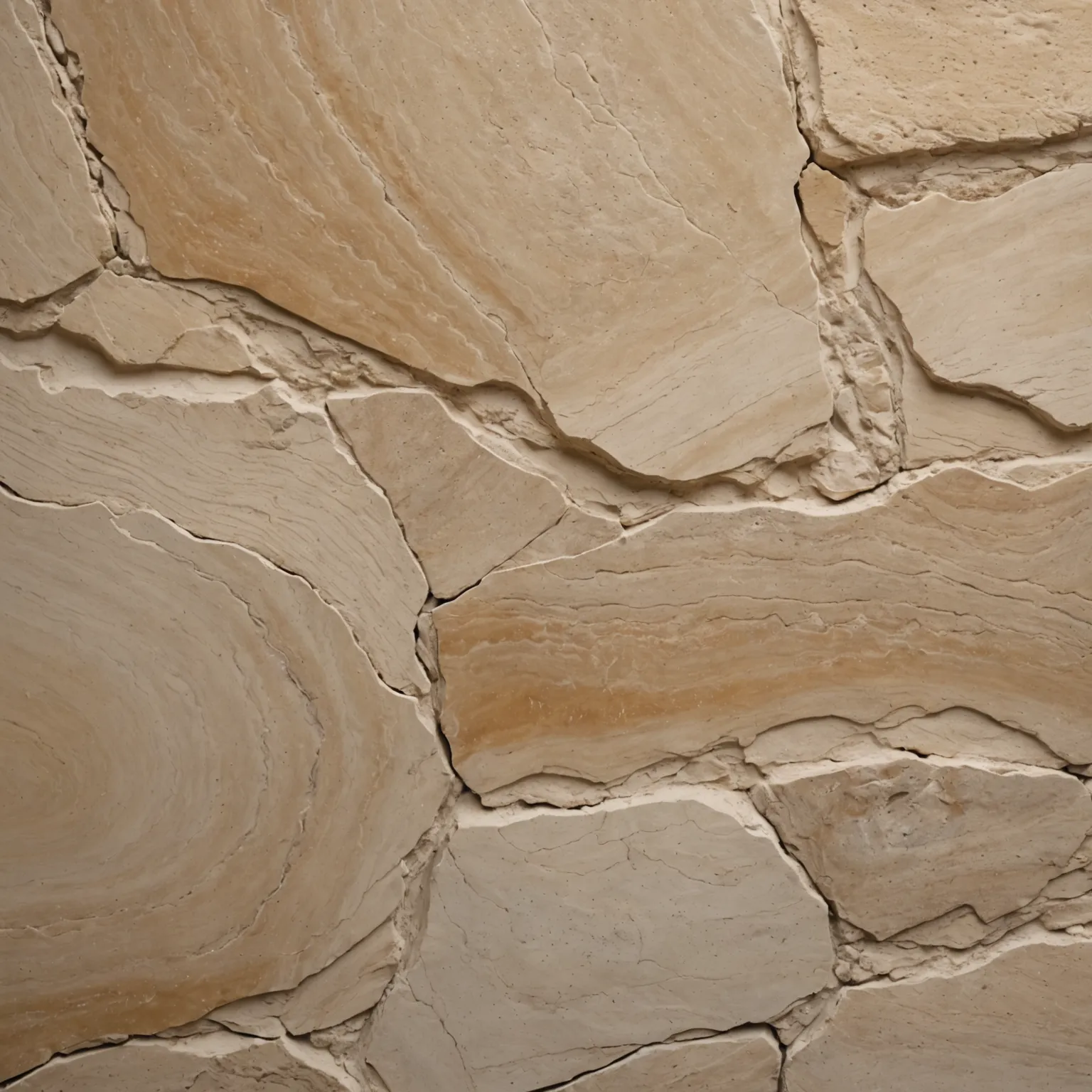
Travertine belongs to limestone-based stones and forms naturally with pores and cavities. These characteristics define its unique appearance.
Porosity means that liquids and dirt can penetrate the stone. Without proper protection, this leads to darkening, stains, and uneven coloration.
Travertine is also sensitive to acids. Even household cleaners with aggressive formulas can damage the surface and leave dull marks.
Understanding these properties is the foundation of correct care and damage prevention.
Daily care for travertine surfaces
Everyday travertine care does not require complex procedures. The main rules are gentleness and consistency.
Dust and light dirt should be removed with a dry or slightly damp cloth. This prevents abrasive particles from accumulating and damaging the surface over time.
For wet cleaning, use neutral detergents without acids or alkalis. Aggressive chemicals gradually destroy the stone’s structure and appearance.
After cleaning, surfaces should be wiped dry, especially in rooms with increased humidity.
Protecting travertine from moisture and stains
One of the most important maintenance steps is applying protective sealers. These products reduce water absorption and prevent stains from penetrating the stone.
Sealants do not change the appearance of travertine but create an invisible barrier that makes further care much easier.
The frequency of treatment depends on usage conditions. Indoor surfaces require less frequent sealing than façades or wet areas.
Ignoring this step often results in rapid darkening and loss of color uniformity.

Practical tip: it is better to apply a protective sealer immediately after installation than to restore travertine once stains appear.
What to avoid when caring for travertine
One of the most common mistakes is using universal household cleaners. Many contain acids or abrasives that damage the stone surface.
Spilled liquids should never be left for long periods. Wine, coffee, juices, and even water can penetrate pores and leave stains.
Hard brushes and abrasive sponges should also be avoided, as they damage the top layer and increase surface vulnerability.
Regular protection is especially important in humid and high-traffic areas.
Comparing travertine care with other stones
| Stone type | Moisture sensitivity | Chemical resistance | Maintenance difficulty |
|---|---|---|---|
| Travertine | High | Low | Medium |
| Marble | Medium | Medium | Medium |
| Slate | Low | High | Low |
Travertine care in different conditions
Indoors, travertine requires minimal but regular care. Maintaining cleanliness and periodically renewing the protective layer is sufficient.
On façades, stone is exposed to precipitation and temperature changes. Protective treatments are essential, and surface inspections should be more frequent.
In bathrooms, proper ventilation is critical. Constant moisture without airflow accelerates wear even on protected surfaces.
In high-traffic areas, additional protective measures help reduce abrasive impact.
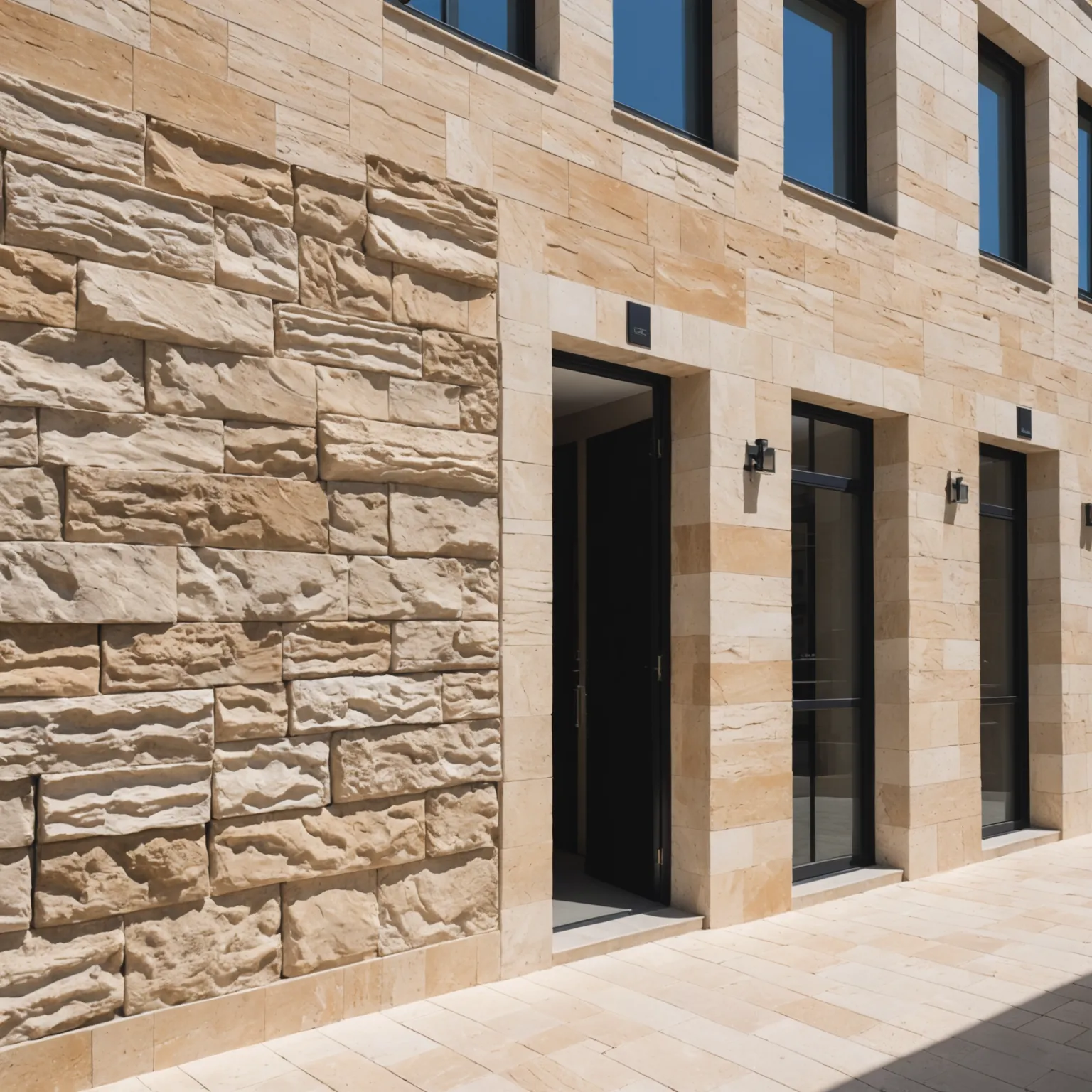
Mini case: in one project, travertine flooring in a hall has maintained its original appearance for over eight years thanks to regular cleaning and timely sealer renewal.
- Travertine requires gentle but consistent care.
- Protective sealing is essential for durability.
- Aggressive chemicals damage the porous structure.
- Prevention is always more effective than restoration.
FAQ
Can travertine be cleaned with regular household products?
No. Standard cleaners often contain acids or abrasives. Travertine requires neutral products designed specifically for natural stone.
How often should protective sealer be renewed?
This depends on usage conditions. Indoor surfaces need less frequent renewal, while façades and wet areas require more regular treatment. Reduced water repellency is a key indicator.
What should be done if a stain appears on travertine?
Stains should be removed as quickly as possible using specialized natural stone cleaners that do not damage the structure.
Is travertine suitable for wet areas?
Yes, with proper treatment and regular care. Protective sealing and good ventilation allow travertine to be used in bathrooms and similar spaces.
Where can I get professional advice on travertine care?
For tailored recommendations based on specific conditions, professional consultation is advised. Contact details are available on the contact page.