Kiev, ave. Lobanovsky, 14


 +3 80 (50) 433-01-01
 Video
Video 3D Tour
How to Choose the Perfect Material for Your Dining Room/Kitchen/Bathroom
Stone is an eternal, unique material that has been attracting humanity for centuries with its beauty and functionality. It is one of the most common materials used in interiors. Its appeal comes from its unique texture,
strength, and the ability to create elegant, stylish design solutions.
It provides a wide range of opportunities for
creating a unique interior. Its variety in color, shades, and finishes
allows you to choose the perfect option for any style and preferences. From
classic marble to modern glossy granite
surfaces, it can give the room elegance, sophistication, prestige.
Where to start choosing the perfect
stone for the room
Choosing a stone for the interior covering is an important
stage in creating an interior. Before you start choosing, you need to consider
several key factors to select the right material.
The first step is to analyze the functional
features of the room. Let's consider three typical rooms: dining room, kitchen,
bathroom, and determine what requirements should be taken into account when choosing
stone for each of them:
- The dining room is a
place where pleasant family or friendly gatherings are held. When
choosing a stone for it, you should consider its resistance to stains,
scratches. It is recommended to choose tiles with a dense structure, a smooth
surface that is easy to clean from spills, food stains. Materials such as granite or quartzite are a great solution for the dining room, as they have exquisite stability, durability and wear resistance.
- The kitchen is a place where surfaces endure intensive use, including contact with sharp objects, grease, acidic products. The stone that is chosen for kitchen surfaces should be durable, easy to clean, resistant to stains, high temperatures. Granite, marble, quartzite are popular materials for kitchen countertops, aprons. Not only do they look elegant, but they are also highly durable and resistant to damage.
- A bathroom
is a room where surfaces often come into contact with moisture,
chemicals. When choosing a stone for a bathroom, you should consider its water resistance, mold resistance, and ease of maintenance.
Travertine,
granite, porcelain stoneware are popular options for covering walls, floors,
sinks in a bathroom. They are durable and resistant to moisture and chemicals.
It is important to remember that in addition to functional
features, the choice of stone should also match the design and style of
the interior. The color, texture, and finish of the stone should be in harmony with the overall
concept of the room, emphasizing its uniqueness.
Advantages and disadvantages
of common types of material
Natural stones give the room
natural beauty and unique charm. Let's take a closer look at the pros and cons of the three most common materials used in modern interiors:
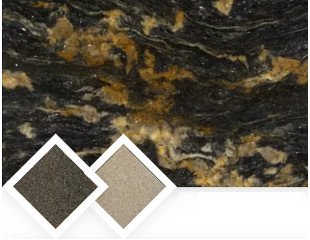
- Granite.
It is one of the most persistent, wear-resistant stones, which makes it
chic for use on floors, countertops, walls. It has low
absorbency, so it is resistant to stains, liquids, which makes it easy
to maintain. However, it can be cool to the touch, so it is necessary to install heated floors, use carpets to
create a comfortable atmosphere.
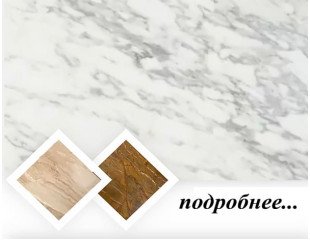
- Marble.
It is known for its luxurious, elegant look, which gives the interior
sophistication and appeal. Each marble tile is unique, has its own special pattern. It can be polished to a high gloss, which gives the room a feeling of spaciousness and light. However, it is a porous stone, so it absorbs liquids. It is recommended to use protective coatings, regular maintenance to avoid stains.
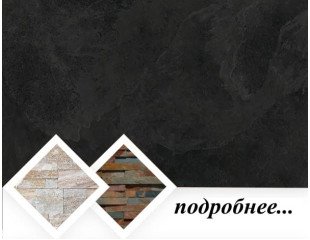
- Slate. It has a natural beauty,
texture that adds coziness and warmth to the interior. It has a high
degree of hardness, is scratch-resistant, which makes it ideal for flooring, countertops. It has low absorption,
resists stains and liquids well. However, it requires special care,
regular maintenance to maintain its natural appearance.
Recommendations for the use of
natural stone
The use of natural stone in the interior
gives the room elegance, natural beauty, durability, making it
an attractive, functional space for living. Experts recommend using it for:
●
floors;
●
wall;
●
fireplaces, circles;
●
tabletops, window sills;
● decorative elements.