Kiev, ave. Lobanovsky, 14


 +3 80 (50) 433-01-01
 Video
Video 3D Tour
Travertine Facade: Natural Stone That Will Transform Your Home
When the structure of a house is complete and the focus shifts to the exterior, the façade becomes the defining element of the entire property. A poor material choice at this stage can lead to fading surfaces, cracks after winter, or a finish that feels artificial against the landscape. Facade travertine: natural stone that transforms your home is not just a decorative layer, but a structural and architectural decision. It influences durability, thermal behavior, and the long-term visual identity of the building.
Travertine stands out because it does not imitate nature – it is nature. Under direct sunlight, its warm beige and creamy tones subtly shift, revealing mineral veins and soft variations. After rain, the surface deepens in color, and the stone feels cool and textured to the touch. Unlike synthetic cladding, it does not look flat or repetitive. Each slab carries its own geological story.
Facade travertine: natural stone that transforms your home: choosing façade materials often means balancing aesthetics, longevity, and maintenance costs. Natural travertine addresses this challenge through structural stability and mineral-based color that does not rely on surface coatings. The homeowner gains a façade that withstands seasonal temperature shifts, resists fading, and reduces the need for frequent renovations.
What Travertine Is and Why It Works on Facades
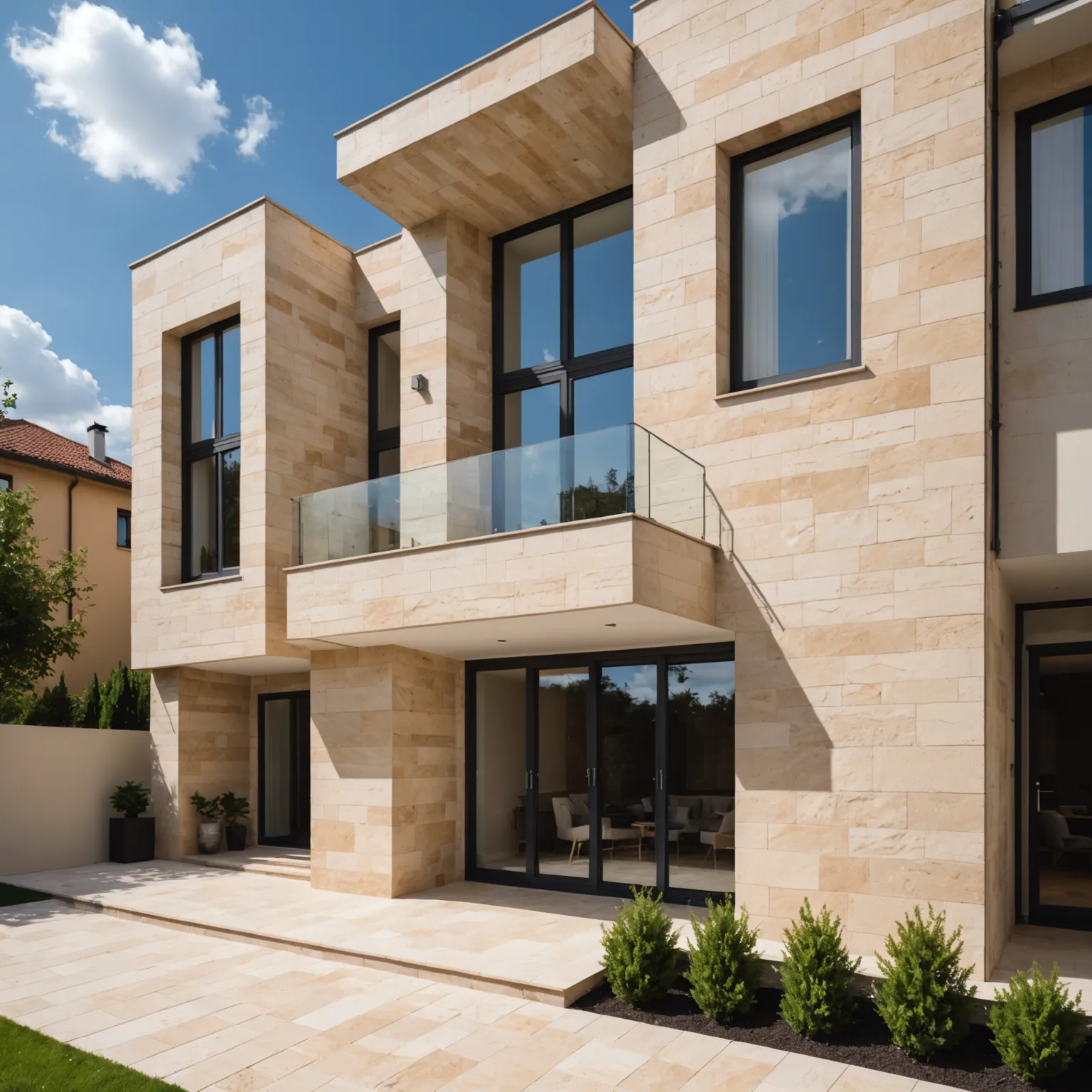
Travertine is a sedimentary limestone formed by mineral deposits from natural springs. Its porous internal structure becomes stable once properly processed and filled. Unlike painted plaster or composite panels, its color comes from mineral composition rather than artificial pigments. This means the façade ages gradually and evenly instead of peeling or flaking.
For exterior use, density and finishing technique matter. Honed or brushed surfaces are often preferred for large wall areas because they reduce glare and improve grip during installation. Polished finishes can be used for architectural accents such as columns or entrance portals. The choice is practical, not decorative.
One of the key advantages is dimensional stability. Properly cut travertine slabs maintain shape through freeze-thaw cycles. When installed correctly, they do not warp or delaminate. This makes them suitable for regions with fluctuating seasonal temperatures.
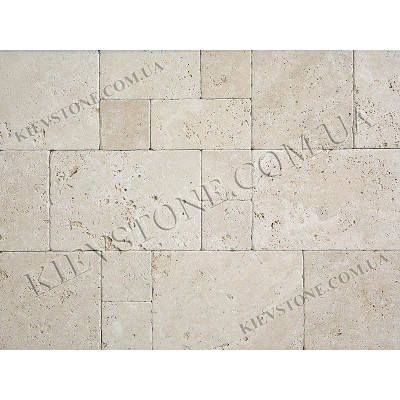
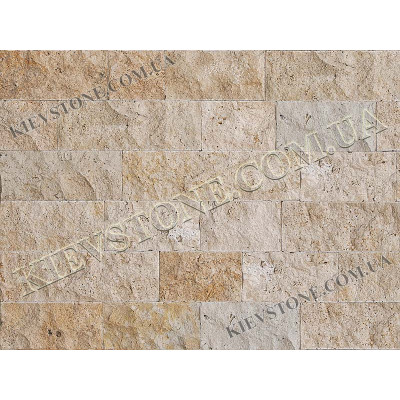
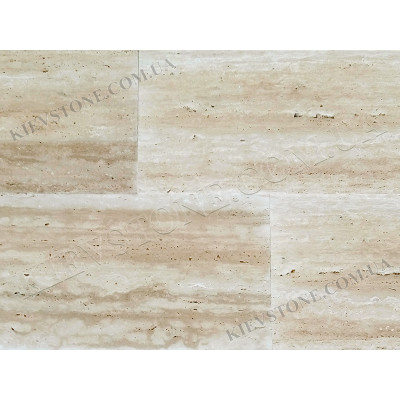
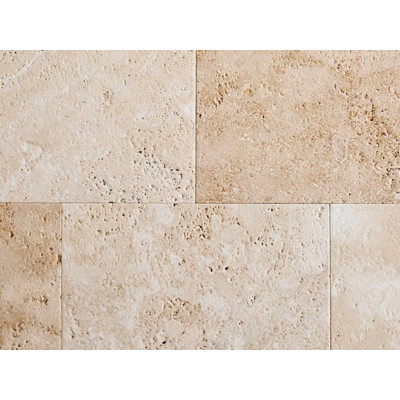
Before selecting a batch, it is useful to review available options through the official English catalogue. Seeing different textures and formats helps determine how the stone will interact with the overall architecture. Lighting conditions and slab dimensions play a significant role in the final perception.
Texture, Light, and Architectural Expression
The texture of travertine creates depth without artificial patterns. During early morning hours, subtle shadows form along joints and natural cavities. In late afternoon, warmer tones become more pronounced, especially on south-facing facades. This natural variability gives the building a dynamic presence.
Unlike uniform cladding systems, travertine encourages variation. Installers often mix slabs from different crates to achieve balanced distribution of tones. This prevents concentrated patches of darker or lighter shades. The result is organic but controlled.
Touch also matters. When you place your palm on a sun-warmed slab, you feel retained heat rather than the cold surface typical of ceramic tiles. During light wind, the façade remains visually calm, without vibrations or panel movement. Stone provides a sense of mass and stability.
For projects that combine multiple natural materials, travertine pairs effectively with sandstone and quartzite solutions. The contrast between textures enhances façade composition while maintaining geological authenticity. Such combinations are often used in contemporary residential architecture.
Climate Resistance and Long-Term Performance
Facades experience constant environmental stress. Winter moisture penetrates surfaces, summer heat expands materials, and wind pressure tests structural attachments. Travertine, when installed using correct systems, tolerates these cycles without surface breakdown. Its mineral base does not depend on synthetic binders.
Wind load resistance is particularly important for exposed properties. The weight and density of natural stone provide inherent stability. With proper anchoring or adhesive systems, slabs remain secure even in open terrain conditions. This reduces the risk of panel detachment.
Maintenance is relatively straightforward. Periodic washing with moderate water pressure removes dust accumulation. Hydrophobic treatments applied every few years reduce water absorption and protect against staining. There is no need for repainting or resurfacing.
Experienced installers observe that travertine facades maintain structural integrity and visual consistency even after a decade, while painted plaster often shows micro-cracking within a few seasons.
Logistics and proper handling also influence performance. Before placing an order, reviewing the delivery conditions helps clarify packaging, transport, and storage requirements. Stone slabs should remain level and protected from excessive moisture before installation. Proper preparation ensures predictable results.
Beyond material selection, the success of a travertine facade depends on installation strategy, detailing, and cost planning. The difference between a facade that ages gracefully and one that requires early intervention often lies in technical decisions made before the first slab is fixed. Joint spacing, anchoring systems, and slab thickness all influence long-term behavior. These aspects are rarely visible once the work is finished, yet they determine structural reliability.
Installation Methods: Adhesive System or Ventilated Facade
Two primary installation approaches are used for travertine cladding. The adhesive method involves fixing slabs directly onto a properly prepared substrate using specialized exterior-grade adhesives. This solution works well for low-rise residential buildings with stable wall geometry. It requires precise leveling and moisture protection beneath the stone.
The ventilated facade system introduces a structural subframe between the wall and the stone. An air gap allows natural ventilation, preventing moisture accumulation behind the cladding. This method is particularly beneficial in humid climates or regions with significant seasonal temperature fluctuations. Though more complex, it enhances long-term stability.
Slab thickness generally ranges from 20 to 30 mm for standard facade applications. Thicker elements may be used around entrances or structural accents to emphasize depth. The correct choice depends on building height, wind exposure, and fastening method. Structural calculations are recommended for multi-level projects.
Before finalizing technical specifications, consulting professionals through the contact page ensures compatibility between design intent and structural safety. Early coordination reduces installation errors and unnecessary material waste. Planning is more cost-effective than correction.
Architectural Detailing and Design Integration
Travertine performs best on clean, geometric volumes. Flat surfaces emphasize the mineral veining and subtle tonal transitions. In the morning, light creates gentle shadows within the natural pores. In cloudy weather, the surface appears soft and matte rather than reflective.
Entrance portals and vertical columns are particularly expressive zones for stone application. When stepping onto stone-clad stairs after rain, the surface feels solid and slightly textured, not slippery or artificial. The acoustic quality underfoot differs from ceramic or composite materials. These sensory details contribute to perceived value.
Travertine pairs effectively with glass, steel, and dark roofing materials. The contrast between cool metal and warm mineral surfaces strengthens architectural composition. Combining similar stone tones in landscape paving further unifies the property. Cohesion enhances visual balance.
Budget-conscious projects sometimes apply travertine selectively on primary elevations while using simpler finishes on secondary walls. This strategic placement maintains a premium appearance without exceeding financial limits. Proper proportioning preserves architectural intent.
Maintenance and Long-Term Care
Natural stone requires minimal but consistent care. Cleaning with water and neutral agents removes surface deposits without affecting mineral structure. Strong acidic cleaners should be avoided, as they can interact with limestone components. Gentle maintenance extends service life.
Hydrophobic treatments reduce water penetration and staining. Application intervals depend on climate and exposure level, typically every few years. This preventive step maintains consistent appearance. It also simplifies future cleaning procedures.
Localized damage can be addressed by replacing individual slabs rather than dismantling entire sections. Keeping spare pieces from the original batch is recommended. Color matching becomes easier when replacement material comes from the same production run. Planning ahead prevents aesthetic inconsistencies.
Seasonal inspection of joints and anchoring points helps detect early signs of movement. Minor adjustments can prevent larger structural concerns. Proactive maintenance avoids unexpected repairs.
Comparison with Alternative Facade Materials
Homeowners often compare travertine with brick, ceramic cladding, or decorative plaster. Each option offers advantages, yet performance characteristics differ. The table below summarizes key distinctions to support informed decision-making.
| Parameter | Travertine | Brick / Clinker | Decorative Plaster |
|---|---|---|---|
| Service Life | 30+ years with maintenance | 25–30 years | 10–15 years |
| Color Stability | Mineral-based, gradual aging | Moderate | Dependent on coating |
| Repairability | Individual slab replacement | More complex removal | Often requires repainting |
Travertine stands out due to its mineral authenticity and long-term visual consistency. While initial investment may be higher than plaster, reduced renovation frequency offsets the difference. Durability and aesthetics combine in a single system.
Batch Selection and Color Consistency
Managing Tone Variation
Natural stone inherently varies in shade. Ordering the full required volume from a single batch minimizes noticeable differences. Installers typically mix slabs during placement to distribute tone variation evenly. This technique creates balanced visual flow.
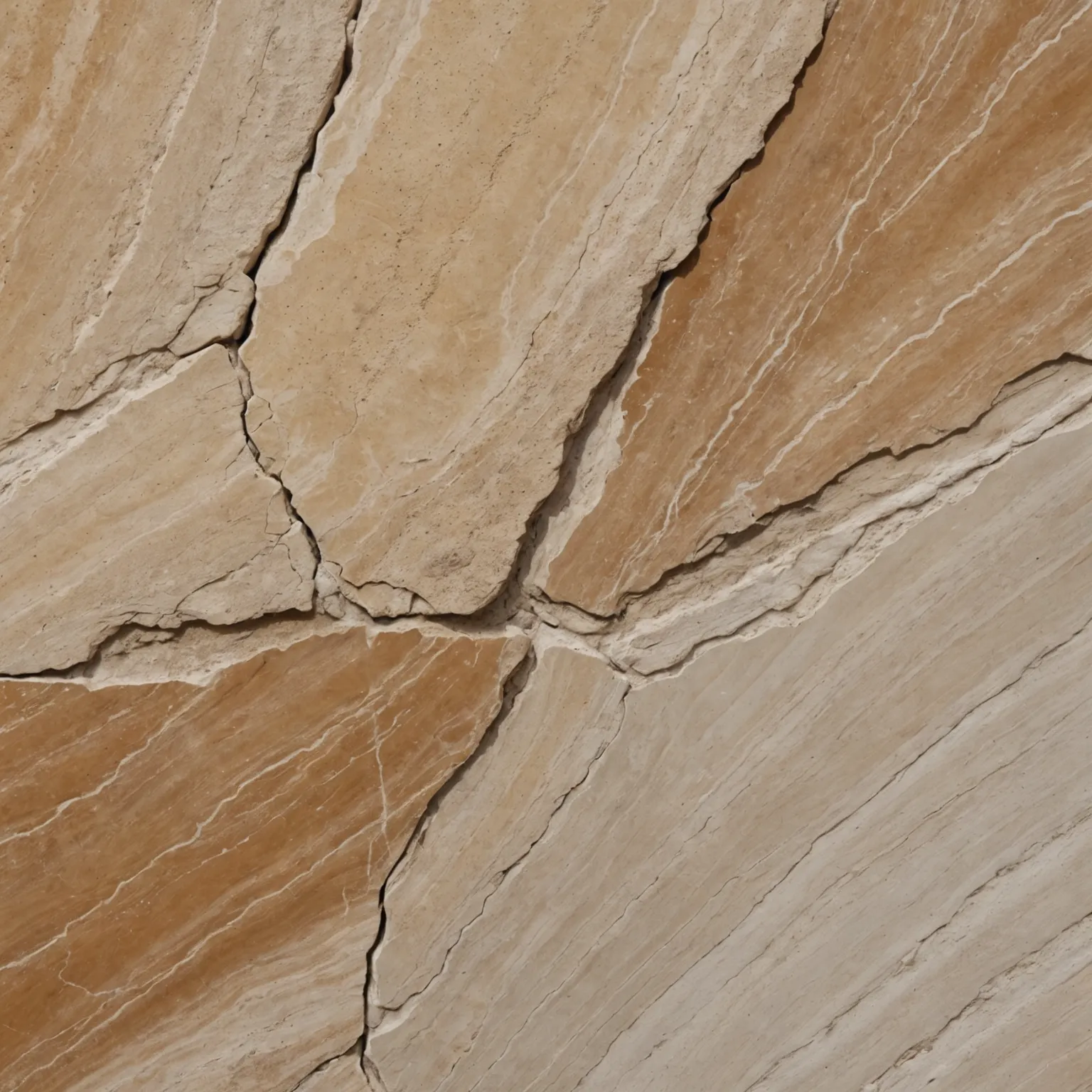
Color perception changes under natural daylight. Viewing samples outdoors provides more accurate evaluation than indoor showroom lighting. Morning and evening light can influence warmth perception. Testing on a small wall section is advisable.
Joint width also affects overall impression. Narrow joints create a monolithic look, while wider spacing emphasizes slab geometry. This design choice should align with architectural style. Adjustments after installation are limited.
Practical advice: temporarily fix several slabs on a test section of the facade and observe them throughout the day. Light angle and weather conditions reveal subtle tonal differences.
Cost Planning and Optimization
Facade cost includes material, structural system, and labor. Optimizing slab dimensions reduces cutting waste and speeds installation. Larger formats decrease joint quantity and labor time. Efficiency directly influences total expenditure.
Strategic placement of travertine on primary elevations can maintain architectural presence while controlling budget. Secondary walls may use complementary finishes. Balanced allocation preserves design integrity.
Thoughtful detailing around windows, corners, and transitions prevents unexpected adjustments during installation. Simplified geometry lowers labor complexity. Efficient planning minimizes structural modifications.
In the long term, natural stone often proves economically rational due to reduced repainting and lower renovation frequency. Durability translates into fewer lifecycle costs. Initial investment supports sustained value.
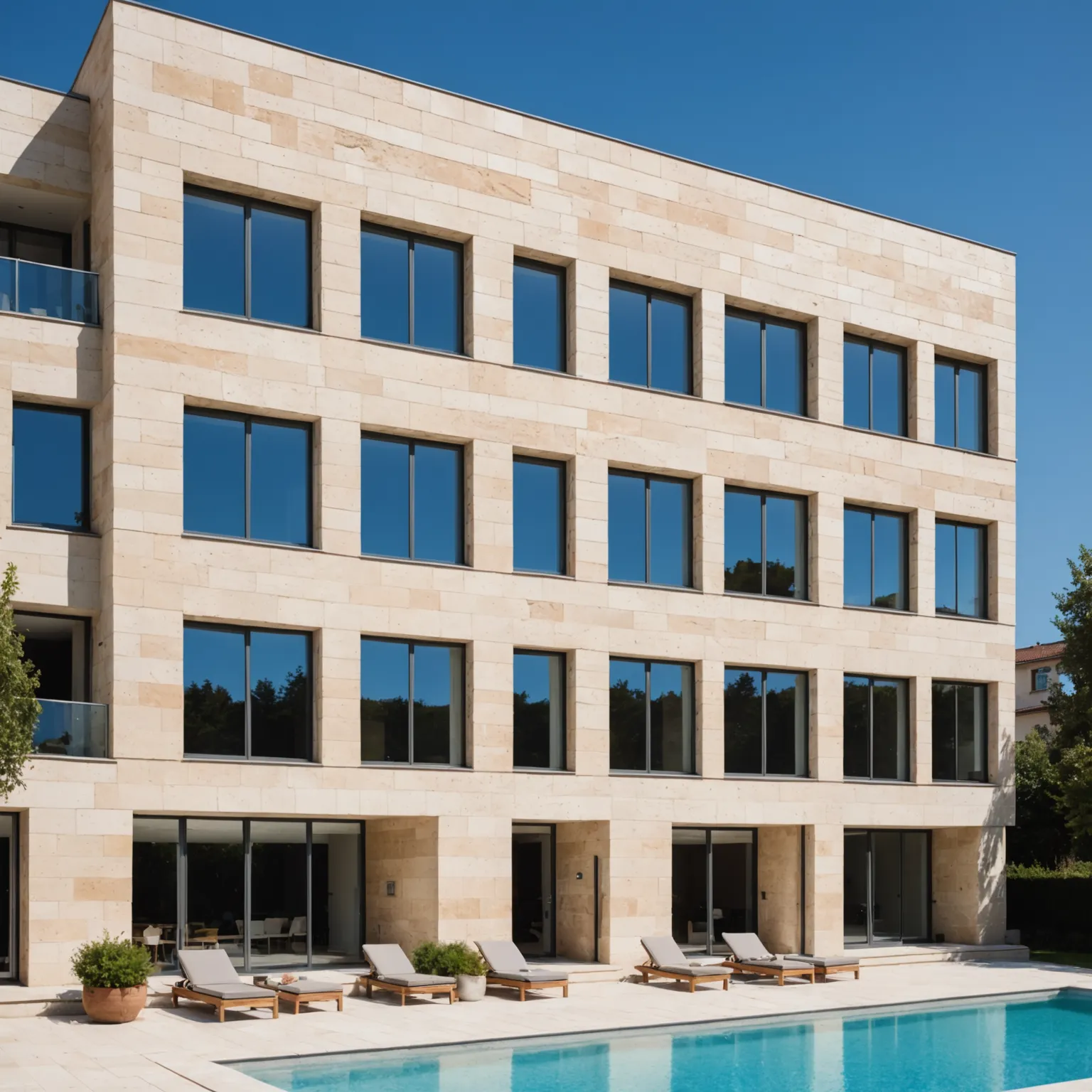
Case example: A homeowner initially applied travertine only to the ground floor and entrance area. After several years, the durability difference compared to plastered sections became evident, leading to full facade completion in natural stone.
- Travertine tolerates seasonal climate changes without structural loss.
- Both adhesive and ventilated systems are viable installation methods.
- Maintenance involves periodic washing and hydrophobic protection.
- Ordering a single batch ensures better color consistency.
FAQ
Is travertine suitable for cold climates?
Yes, when properly installed and treated with hydrophobic protection. The stone must be dimensionally stable and mounted with expansion joints that accommodate temperature shifts. With correct detailing, travertine withstands freeze-thaw cycles without cracking.
Can travertine be combined with other materials?
Yes. From one perspective, travertine adds mass and permanence; from another, pairing it with glass or metal introduces contrast and lightness. Proper design coordination ensures harmonious integration rather than visual overload.
How much does a travertine facade cost?
Cost depends on slab thickness, installation system, and building size. A precise estimate requires project-specific calculations. For consultation and pricing clarification, contact +380(50)433-01-01 to discuss technical parameters and logistics.
Does travertine fade under sunlight?
The color originates from mineral composition rather than surface paint. While subtle tonal evolution may occur over time, it happens gradually and evenly. The result appears natural rather than patchy or artificial.
Is maintenance complicated?
Maintenance is limited to periodic cleaning and occasional protective treatment. No repainting or coating renewal is required. Consistent but simple care supports long-term durability.
Can damaged slabs be replaced individually?
Yes, especially when installed using a ventilated system. Keeping spare slabs from the original batch helps maintain color consistency. Local replacement reduces structural intervention.
Is travertine appropriate for plinth areas?
It can be used on plinth zones with additional protective treatment. These areas experience higher moisture exposure, so denser finishing and regular inspection are recommended.
How long does installation take?
Installation time depends on building size and chosen system. A small residential project may take several weeks if the substrate is prepared in advance. Ventilated systems require additional structural assembly time but offer enhanced durability.