Kiev, ave. Lobanovsky, 14


 +3 80 (50) 433-01-01
 Video
Video 3D Tour
Granite Window Sills
The morning in a home often starts by the window. Light falls onto the windowsill, a cup of coffee is placed there, keys or a phone are left for a moment. During renovation, people even sit on it briefly to rest. At that point, the material is felt clearly. Granite is cool to the touch, dense, and absolutely stable under weight.
During finishing works, a windowsill is often treated as a secondary detail. In reality, it takes daily stress: moisture from condensation, temperature differences, accidental impacts, flower pots and household items. Granite behaves calmly in such conditions and does not react unpredictably.
Granite windowsills are rarely chosen because of trends. More often, it is a conscious decision after experience with plastic that scratches easily or composite materials that lose their appearance over time. Natural stone does not demand constant attention and does not force you to think about replacement after a few years.
Granite windowsills: the choice usually comes down to durability and real-life performance. Natural stone solves problems of deformation, moisture marks, and temperature stress. The homeowner gets a stable surface that keeps its appearance without ongoing repairs.
How granite performs in everyday use
Granite was formed under high pressure and temperature, so in daily use it reacts calmly to changing conditions. Cold from glass and heat from a radiator do not cause cracking or warping. This becomes especially noticeable during winter.
The stone surface is dense and has low water absorption. Drops from plants or wet objects do not penetrate the structure. When moisture is wiped away in time, no marks remain.
Mechanical loads are not an issue for granite. You can lean on the windowsill, place heavy pots or even temporary equipment during cleaning. The slab does not bend and keeps its geometry.
Over time, granite does not turn yellow or become cloudy. Even under strong sunlight, its color and texture remain stable, which is important for south-facing windows.
Granite compared to alternative materials
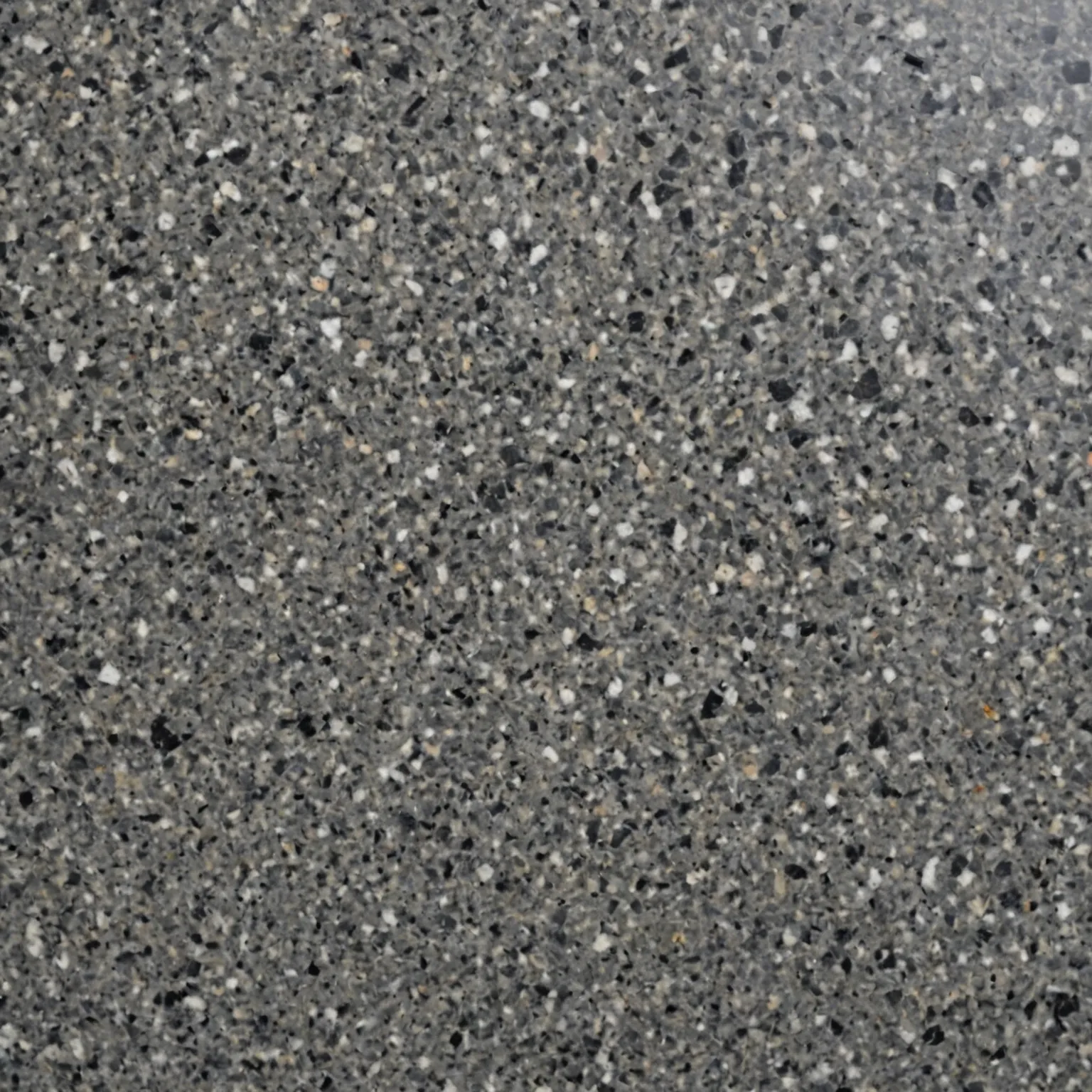
Plastic windowsills attract with price, but their appearance degrades quickly. Scratches, burn marks from hot items, and fading appear within a few years. Restoring them without replacement is almost impossible.
Engineered stone looks neat but is sensitive to heat and aggressive chemicals. Some cleaning agents leave dull spots that are hard to remove. Granite is far less demanding in this regard.
Wood creates warmth, but requires constant care. Moisture and sunlight gradually change its structure, leading to cracks and darkening. This is especially noticeable in kitchens and bathrooms.
Against this background, granite proves to be the most stable option. It does not require special conditions and keeps its properties for decades.
According to installers’ observations, properly installed granite windowsills rarely need further attention. If geometry is correct from the start, they are simply forgotten.
Color and texture as part of the interior
Granite comes in light, dark, and strongly patterned variations. Light tones visually expand space and suit small rooms well. Dark shades add contrast and depth.
A polished surface reflects light and makes the window opening more expressive. A honed or thermal finish looks calmer and is less sensitive to daily marks.
Windowsill color is often selected in connection with other stone elements, for example natural stone facade finishes. This approach creates visual continuity.
As a result, the windowsill stops being a separate detail and becomes a natural part of the interior composition.
Granite windowsills in apartments and houses
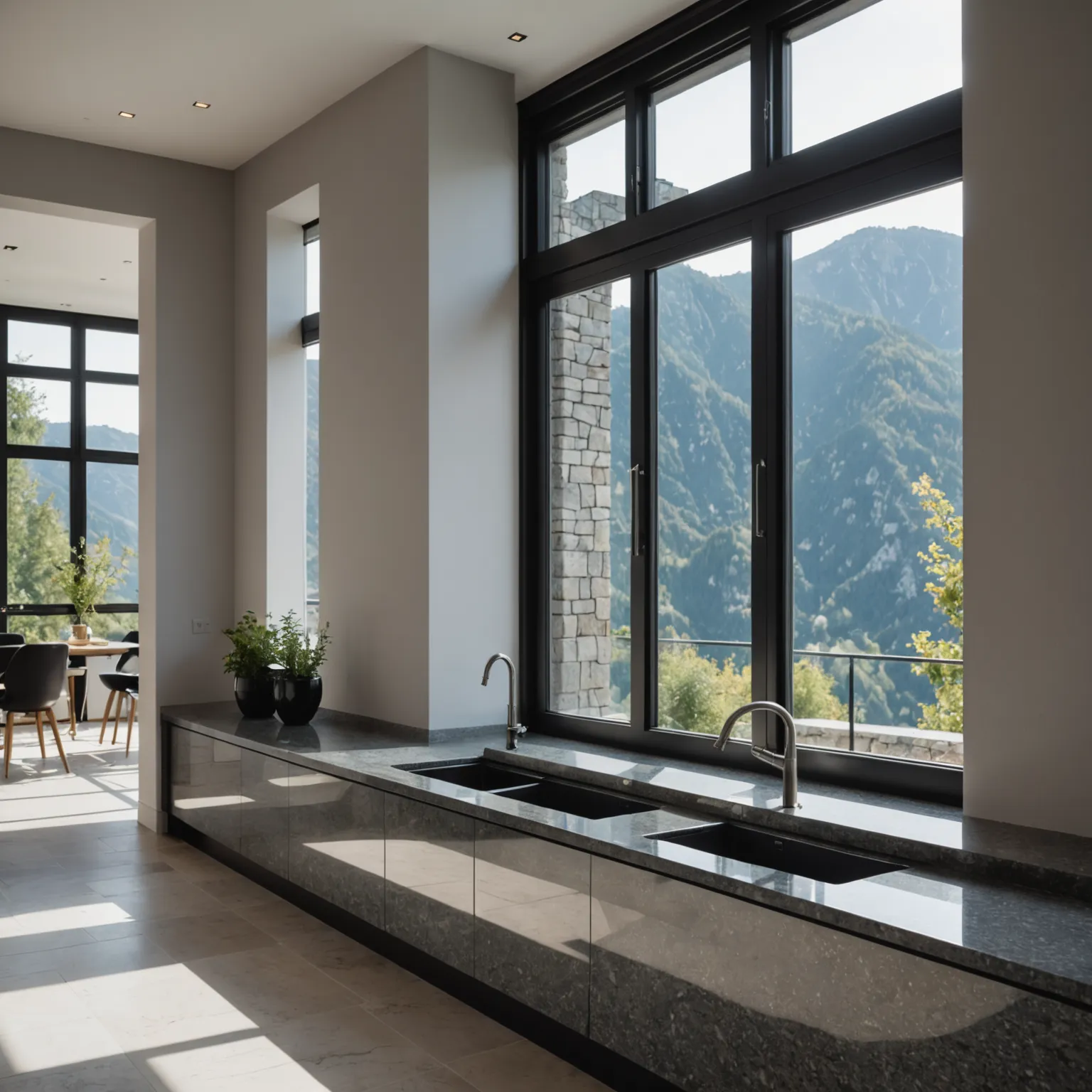
In apartments, windowsills often serve as extra shelves. Books, decor, and plants are placed on them daily. Granite handles this load without risk of damage.
In private houses, window openings are larger and temperature differences are stronger. Stability becomes critical. Granite reacts calmly to frost and heat compared to many composites.
In projects where several natural stones are used, windowsills combine naturally with travertine in interiors or similar materials.
This creates a sense of planning and coherence rather than a random mix of finishes.
After material selection, technical details come into focus. This is where the difference is formed between a windowsill that looks good in photos and one that works comfortably every day.
Slab thickness and long-term reliability
Granite windowsills are typically made from slabs 20–30 mm thick. Thinner slabs look lighter but require perfectly prepared bases. Even small deviations cause uneven load distribution.
Thicker slabs feel more massive but hold shape better. They handle impacts and heavy objects with less stress. This is especially practical for wide windows in private homes.
Thickness also affects perception. Thin windowsills look modern and discreet. Thicker ones add a sense of solidity and permanence.
The choice depends not on fashion, but on usage conditions and the overall interior concept.
Edge profiles and daily comfort
The edge is constantly touched by hands. Sharp corners quickly become uncomfortable, especially in living spaces. Rounded or chamfered edges are therefore preferred.
A straight chamfer fits interiors with clean geometry. It looks minimal and restrained. Rounded edges feel softer and are safer for daily use.
Decorative profiles are less common but work in classic interiors. Precision matters here; otherwise, the detail may look excessive.
A well-finished edge makes cold stone more pleasant to touch and improves daily comfort.
Practical note: most complaints about windowsills relate to edge shape rather than stone quality. Daily use should always be considered.
Installation and base preparation
Granite does not tolerate voids beneath the slab. The base must be rigid, even, and stable. Cement-based mixes or stone adhesives are usually applied.
Before installation, window opening geometry is checked carefully. Even slight misalignment leads to point loads over time, which may cause microcracks.
When installed correctly, the windowsill does not need extra fixation. It remains stable under weight and movement.
This is why installation should be done by specialists who regularly work with natural stone.
Combining granite with other materials
A windowsill always borders slopes, walls, and heating elements. Thermal behavior of adjacent materials should be considered.
Granite works well with stone, tile, and plaster. In interiors using natural materials, it looks organic and balanced.
If stone is used outside the house as well, such as slate roofing, granite windowsills logically support this idea indoors.
The result is a unified space rather than a collection of unrelated elements.
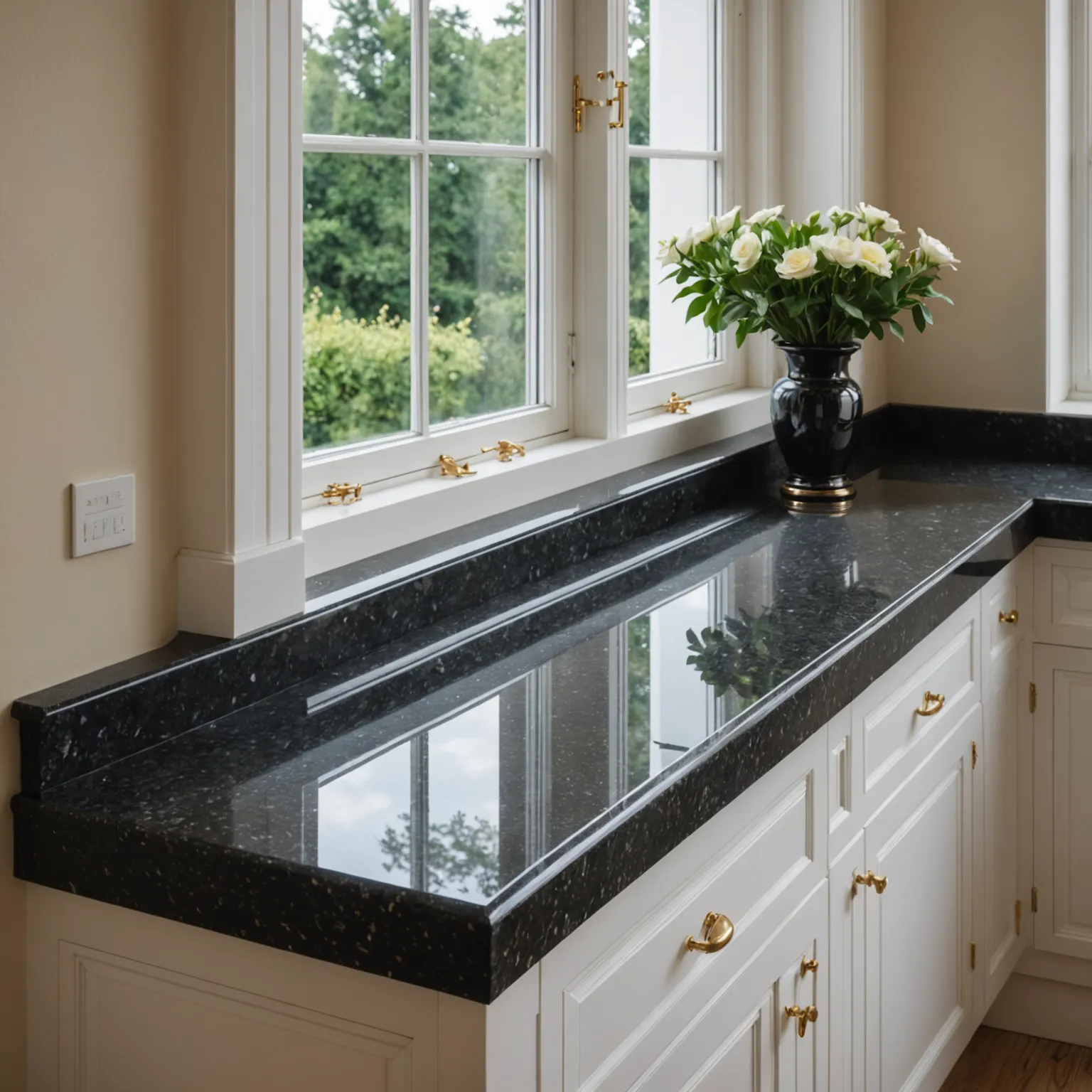
Care without complexity
In everyday use, granite does not require special products. A soft cloth and water are usually enough. Neutral cleaners handle heavier dirt.
Aggressive chemicals are unnecessary. Coffee, soil, or water marks are easily removed when cleaned promptly.
Protective impregnation can be renewed every few years if desired. This is optional rather than mandatory.
Otherwise, the windowsill does not demand attention or maintenance.
When granite makes sense and when it does not
Granite windowsills are justified where durability and stability matter. This includes permanent residences, private houses, and commercial spaces.
For temporary housing or very limited budgets, alternatives may be considered. On one hand, they reduce initial costs. On the other, they shorten service life.
Granite is not a short-term solution. It is chosen by those who do not want to revisit replacement later.
That is why it often follows experience with less durable materials.
| Criteria | Granite | Engineered Stone |
|---|---|---|
| Moisture resistance | High | Material-dependent |
| Temperature stability | Stable | Moderate |
| Service life | Decades | Limited |
Installer’s advice: for wide windowsills, choose greater slab thickness and a solid base from the start. This prevents most issues later.
In a private home with panoramic windows, granite windowsills were installed alongside facade works. Years of sun and frost later, they remain unchanged.
- Granite remains stable under moisture and temperature changes.
- Slab thickness affects both strength and visual impact.
- The material requires minimal maintenance.
- A windowsill becomes an architectural element, not a temporary detail.
FAQ
Can a granite windowsill be installed above a radiator?
Yes, granite tolerates constant heat well. It does not warp or lose strength over time. Adequate air circulation gaps should be maintained for proper heat distribution.
Do water or plant pots leave stains?
With normal care, stains do not remain. If moisture or soil is removed promptly, the surface stays clean. Prolonged contact may cause light marks, easily wiped away.
How heavy is a granite windowsill?
Weight depends on slab size and thickness. Granite is heavier than plastic or composites, so a solid base is important. Standard openings usually need no extra reinforcement.
Is granite suitable for kitchen windowsills?
Yes, granite suits kitchens well due to moisture and heat resistance. On one hand, it is practical. On the other, darker shades may require slightly more attentive cleaning.
Does protective treatment need renewal?
This is optional. Protective treatment simplifies care, but even without it granite keeps its properties. Renewal is done by preference every few years.
How long does a granite windowsill last?
With proper installation, service life spans decades. Such windowsills often outlast several renovation cycles.
Can a windowsill be matched to the house facade?
Yes, color and texture matching is possible. This helps connect interior design with the exterior appearance into a consistent style.
Where can I get professional advice?
For questions about selection or installation, contact specialists via the contact page or by phone +380(50)433-01-01. Early consultation helps avoid mistakes.