Kiev, ave. Lobanovsky, 14


 +3 80 (50) 433-01-01
 Video
Video 3D Tour
Quartz Window Sills
The morning in the kitchen starts with simple things. Cool window glass, muted street noise, a cup placed on the windowsill. In moments like these, you begin to notice how important the surface beneath your hand really is. Quartz windowsills face moisture, heat, weight, and daily contact without becoming a weak point in the interior.
During renovation, windowsills are often treated as a minor detail. Yet after a few months of everyday use, the difference between a temporary solution and a well-chosen material becomes obvious. Quartz does not absorb water, does not fade in sunlight, and does not demand complicated care. It performs in real life, not only in freshly finished interiors.
Quartz windowsills are especially relevant in kitchens, living rooms, and spaces with large windows. Stability, clean geometry, and resistance to constant use matter here. That is why quartz increasingly replaces plastic or wood in modern homes.
Quartz windowsills: choosing the right material often means balancing appearance and everyday practicality. Quartz stone solves issues of moisture, temperature changes, and staining thanks to its dense structure. The homeowner gains a stable surface that keeps its color, shape, and functionality over time.
Why quartz works well for residential windowsills
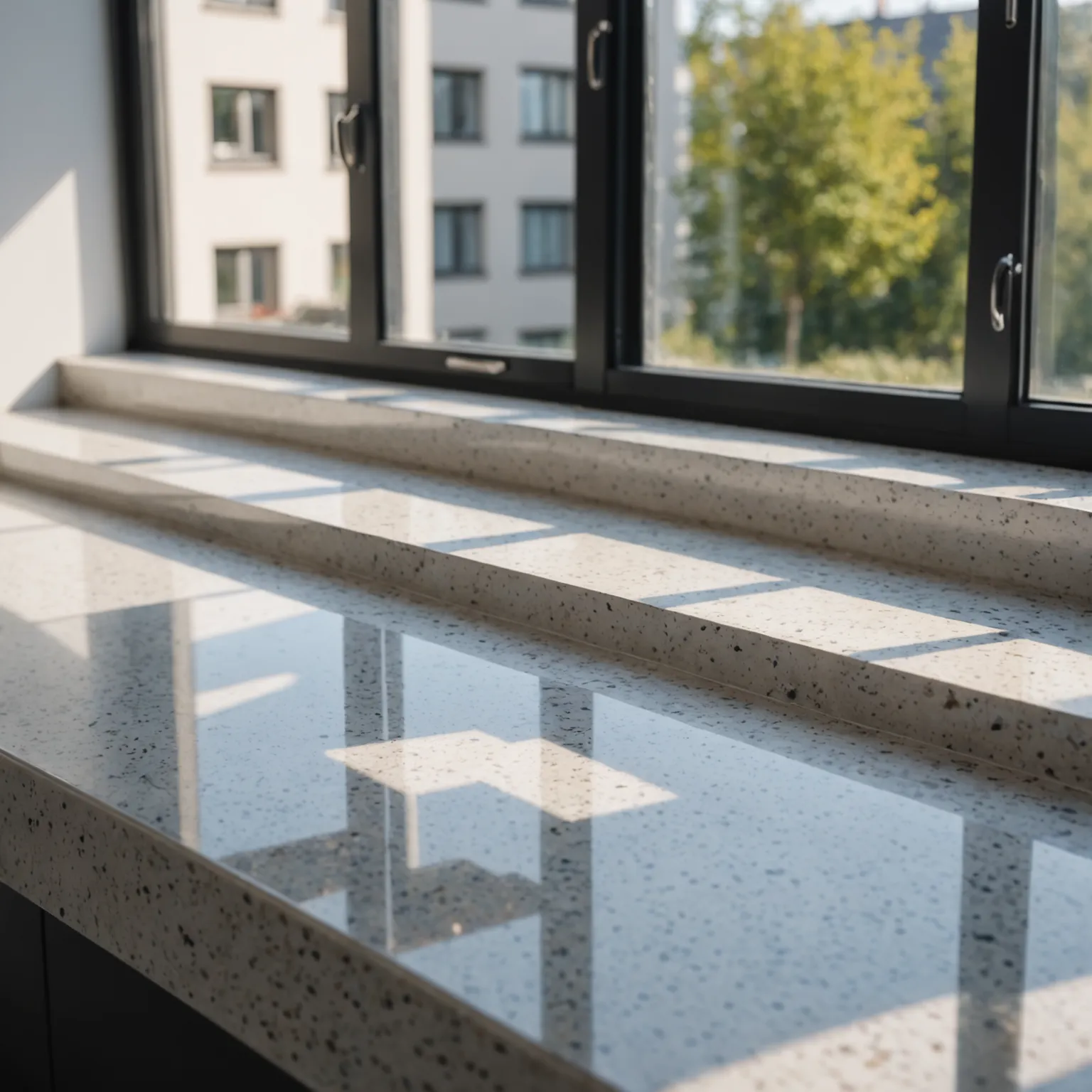
Quartz agglomerate is designed for intensive daily use. Its structure contains no open pores, which prevents water and household liquids from penetrating the material. This becomes especially noticeable in winter, when condensation appears on windows.
Another key feature of quartz is dimensional stability. Even with temperature fluctuations, it does not expand or warp like wood or plastic. The windowsill maintains a straight, precise connection to the wall and window frame.
In apartments with panoramic glazing, quartz proves particularly practical. It easily supports flower pots, decorative objects, and regular contact without cracking or bending.
Visually, a quartz windowsill feels solid and well-integrated. It can align with flooring, stair elements, or worktops, reinforcing a cohesive interior concept.
How quartz differs from natural stone and other materials
Unlike natural stone, quartz has a controlled composition. This ensures consistent density, strength, and color throughout the slab, without hidden weak areas.
Compared to marble, quartz is less sensitive to acids and everyday household chemicals. Spilled juice or coffee does not leave marks when cleaned in normal time. This is especially relevant for family homes.
When compared to plastic windowsills, the difference is felt immediately. Quartz is heavier, cooler to the touch, and perceived as part of the structure rather than a decorative overlay.
When evaluating alternatives, it is useful to compare quartz with other stone solutions, including marble products, taking real operating conditions into account.
Everyday use and practical considerations
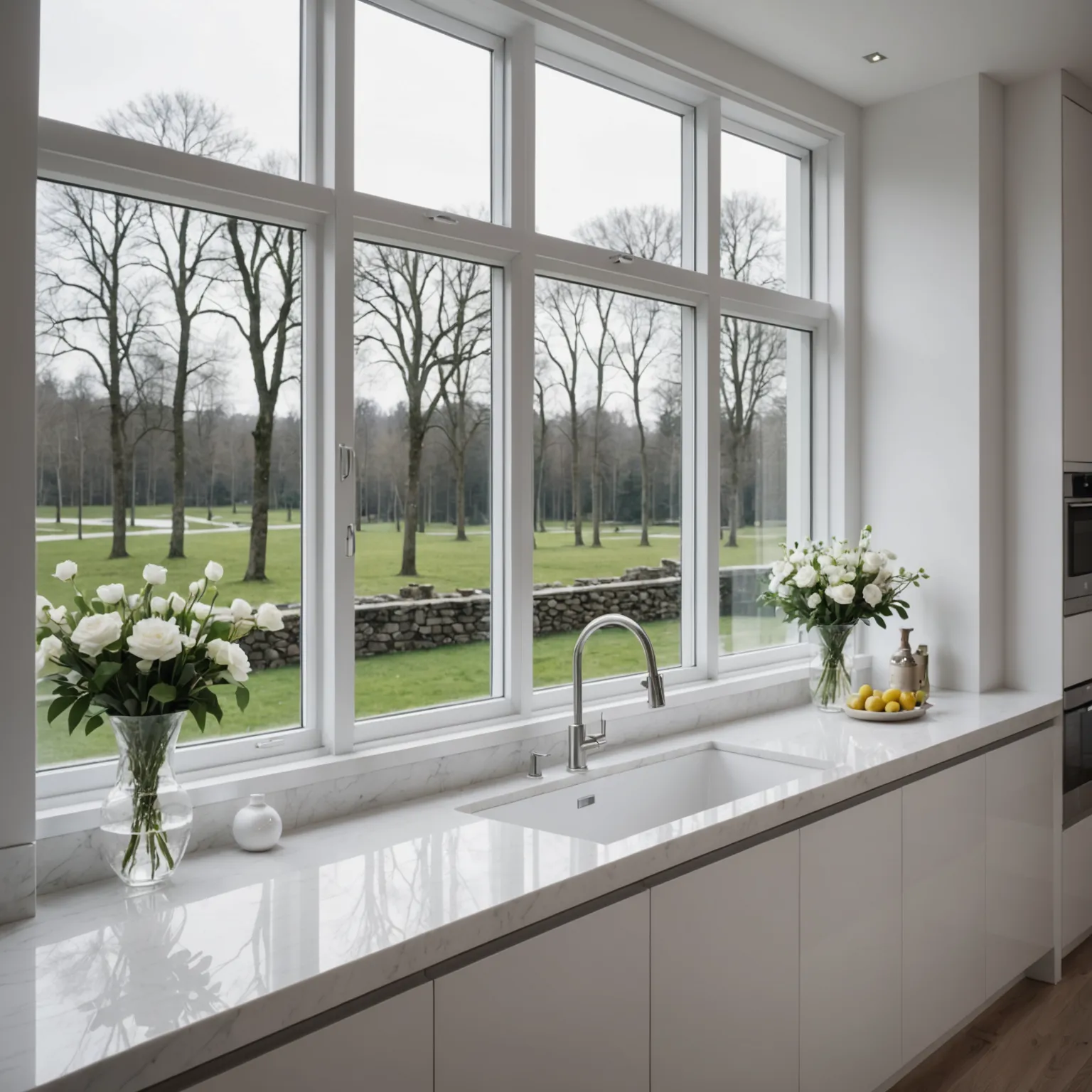
In daily life, quartz behaves predictably and calmly. It does not require sealing, impregnation, or special protective treatments. Regular cleaning with a soft cloth is enough.
At the same time, quartz remains a hard stone material. Strong impacts on edges may cause chips, especially with thin profiles. This should be considered during the design stage.
Quartz tolerates sunlight well, but near radiators it is recommended to leave a small ventilation gap. This standard practice helps preserve the material long term.
In homes that already feature stone elements, quartz windowsills integrate naturally with solutions such as slate roofing or other mineral finishes.
Installers often note that quartz windowsills rarely require adjustments after installation. Geometry remains stable, and joints stay clean even after years of use.
Choosing the right shade of quartz depends heavily on lighting conditions. On cloudy days, light tones appear warmer, while darker shades emphasize window contrast.
Quartz is frequently used in projects where the windowsill is more than decorative. It can extend into a countertop or serve as a seating surface by the window.
In such interiors, the material feels like a natural continuation of the finish, especially when paired with stone veneer on walls or niches.
Accurate measurements and professional installation matter just as much as the material itself. Quartz does not tolerate haste, but rewards precision with long-term reliability.
Quartz windowsills often become part of a unified interior composition. They are chosen not for trends, but for predictable behavior in everyday conditions. The material does not force changes in habits and does not require constant monitoring of its condition.
Where quartz windowsills perform best
In kitchens, quartz shows its strongest practical side. Moisture, steam, and temperature changes are part of daily use here. The surface handles contact with dishes, hot cups, and water without visible changes.
In living rooms and bedrooms, quartz is valued for visual stability. It does not yellow over time and remains consistent even under strong sunlight. The surface stays uniform and clean-looking.
In private houses, quartz windowsills are often installed near panoramic windows or terrace doors. They work as additional horizontal surfaces for decor or plants and tolerate contact with cold glass.
In interiors with mixed finishes, quartz integrates smoothly with stone and exterior materials, creating a visual connection between indoor and outdoor spaces.
Thickness, edge profiles, and proportions
The thickness of a quartz windowsill strongly influences how it is perceived. Thin profiles look modern but require careful handling. Thicker slabs add a sense of weight and permanence.
Edge profiles are selected according to interior style. Straight cuts emphasize clean geometry, while chamfers or subtle rounding soften the overall look.
Projection depth also matters. A very narrow sill limits functionality, while excessive overhang can feel heavy. Balanced proportions are usually defined during measurement.
For bay windows or non-standard openings, quartz allows precise geometry without visible seams.
Combining quartz with other interior materials
Quartz works well alongside wood, metal, and glass. Its neutral texture does not compete with other finishes or dominate the space.
In interiors with stone flooring or wall cladding, quartz windowsills help visually unite different zones.
When walls have expressive textures, quartz patterns should be chosen carefully. Overly active designs may overwhelm the interior.
For detailed material coordination and project discussion, it is practical to use the company contact page and clarify technical nuances in advance.

Simple care without extra effort
Daily care of quartz windowsills is straightforward. A damp cloth and mild cleaner are usually sufficient.
If stains appear, neutral detergents handle them easily. The surface does not absorb odors or liquids.
Abrasive pads and metal brushes should be avoided. While they will not destroy the stone, they may dull the finish.
With proper use, quartz windowsills maintain their original appearance without restoration.
Comparing quartz to alternative materials
When choosing a windowsill, quartz is often compared with wood, plastic, and natural stone. Each option has its own characteristics.
Quartz is more moisture-resistant than wood and visually more stable than plastic. At the same time, it requires less maintenance than many natural stones.
Real-life usage conditions should guide the decision, not just technical specifications.
The table below highlights key differences.
| Material | Moisture resistance | Maintenance | Color stability |
|---|---|---|---|
| Quartz | High | Minimal | Stable |
| Wood | Low | Regular | Changes over time |
| Plastic | Medium | Simple | May yellow |
Practical advice: consider how the windowsill will actually be used. Where the surface is part of daily routines, quartz shows its advantages fastest.
Delivery and installation considerations
Quartz products require careful transportation. Slab weight and precise geometry leave little room for haste.
Installation is performed on a level base with proper expansion gaps. This affects long-term durability.
Before ordering, it is worth clarifying delivery conditions, especially for complex projects or upper-floor access.
Correct installation preserves appearance and prevents the need for later adjustments.
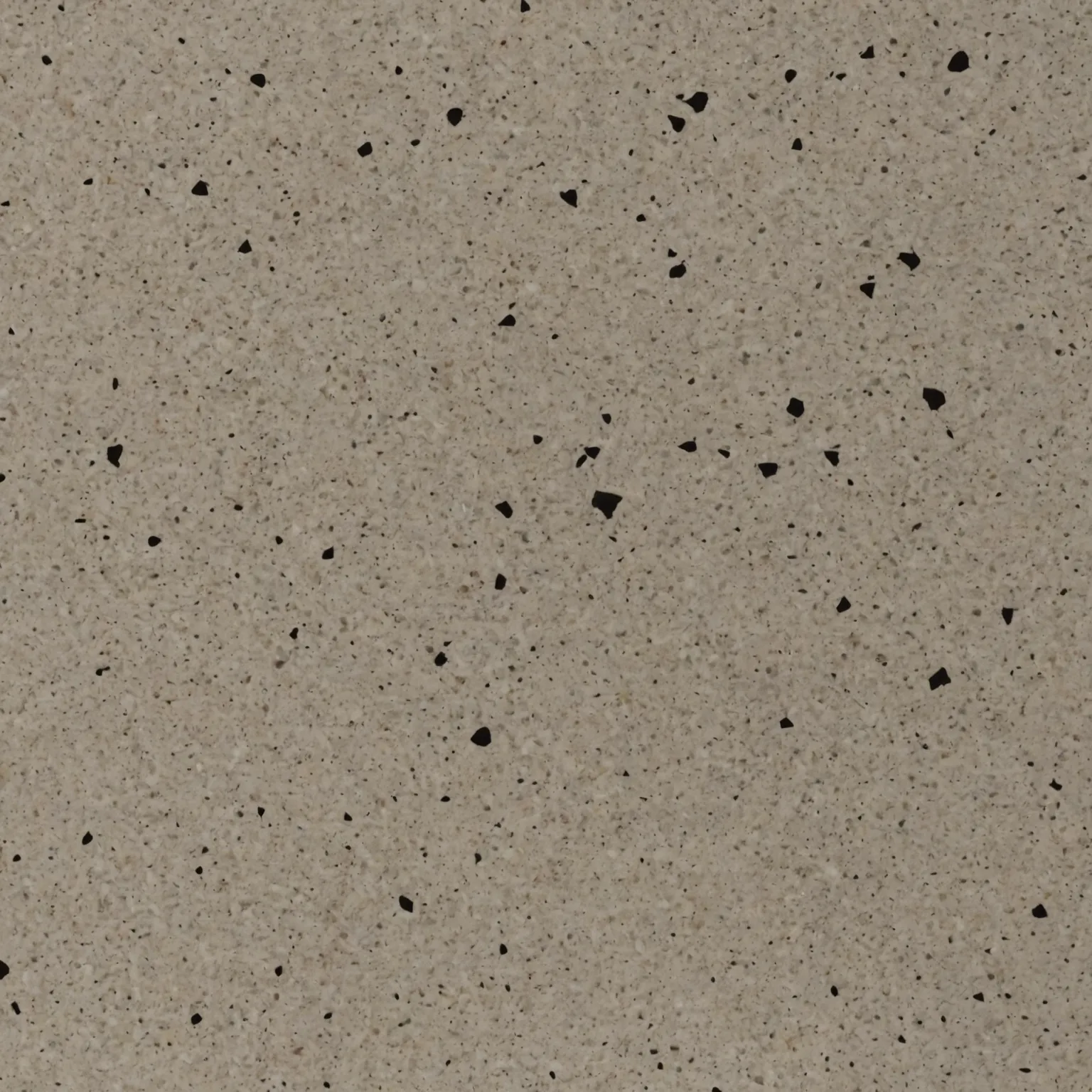
In one project, a quartz windowsill was used as an extension of a workspace near the window. After years of active use, the surface showed no visible changes.
Installer observation: replacement requests most often come from those who initially chose temporary materials and underestimated everyday loads.
- Quartz suits windowsills in apartments and private homes.
- The material resists moisture and sunlight.
- Thickness and edge profiles shape visual perception.
- Maintenance remains simple over time.
FAQ
Can hot items be placed on quartz windowsills?
Quartz tolerates brief heat exposure well. A hot cup or plate will not damage the surface. Continuous contact with extremely hot cookware, however, is not recommended, as it may affect the finish over time.
Is quartz suitable for private houses?
Yes. Quartz performs well in private houses where temperature changes and large windows are common. With proper installation, it maintains its shape and appearance for many years.
How does quartz compare to plastic windowsills?
Quartz is stronger and more visually stable than plastic. It does not yellow or deform and feels structural rather than decorative. Plastic remains cheaper and easier to install, so the choice depends on priorities.
Is quartz difficult to maintain?
Maintenance is simple. Regular wiping with mild cleaners is enough. Quartz does not absorb stains or odors, making it suitable for everyday use.
Can quartz windowsills be made in custom shapes?
Yes. Quartz allows precise fabrication for bay windows and complex layouts. Accurate measurements are essential, as on-site adjustments are not possible.
Does sunlight affect quartz windowsills?
Quartz is resistant to UV exposure and does not fade under normal conditions. Lighting can influence how color is perceived, so this should be considered during selection.
How long does a quartz windowsill last?
With proper installation and everyday use, a quartz windowsill lasts for decades. It retains its appearance without the need for restoration.
Where can I get advice or place an order?
For material selection, measurements, and installation details, consultation is available by phone at +380(50)433-01-01. This helps account for specific project requirements in advance.