Kiev, ave. Lobanovsky, 14


 +3 80 (50) 433-01-01
 Video
Video 3D Tour
Granite Countertops
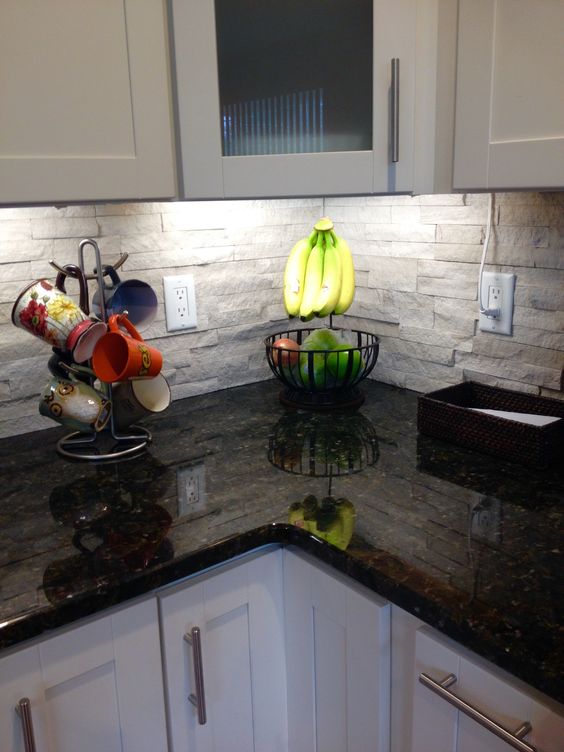
A granite countertop proves its value not in descriptions, but in everyday contact. A hand rests on a cool surface, a cup makes a soft sound against the stone, light reveals natural grain, and it becomes clear this material is made for real use. There is no decorative fragility here. Granite works where life is active.
Small details define the experience. Water from washed vegetables does not soak in instantly, hot cookware does not cause anxiety, and crumbs do not clog into micro-cracks. Steam, moisture, quick cleaning, changing light during the day — granite treats all of this as normal conditions.
That is why granite countertops are chosen by people who do not plan renovations every few years. The priority is stability, predictable behavior, and a surface that keeps its character even with constant daily load.
Granite countertops: the main challenge is combining appearance with long-term daily use. Natural stone solves this through dense structure, heat resistance, and mechanical durability. The owner gets a surface that does not demand constant attention and keeps its look under active use.
1. How granite performs in daily kitchen use
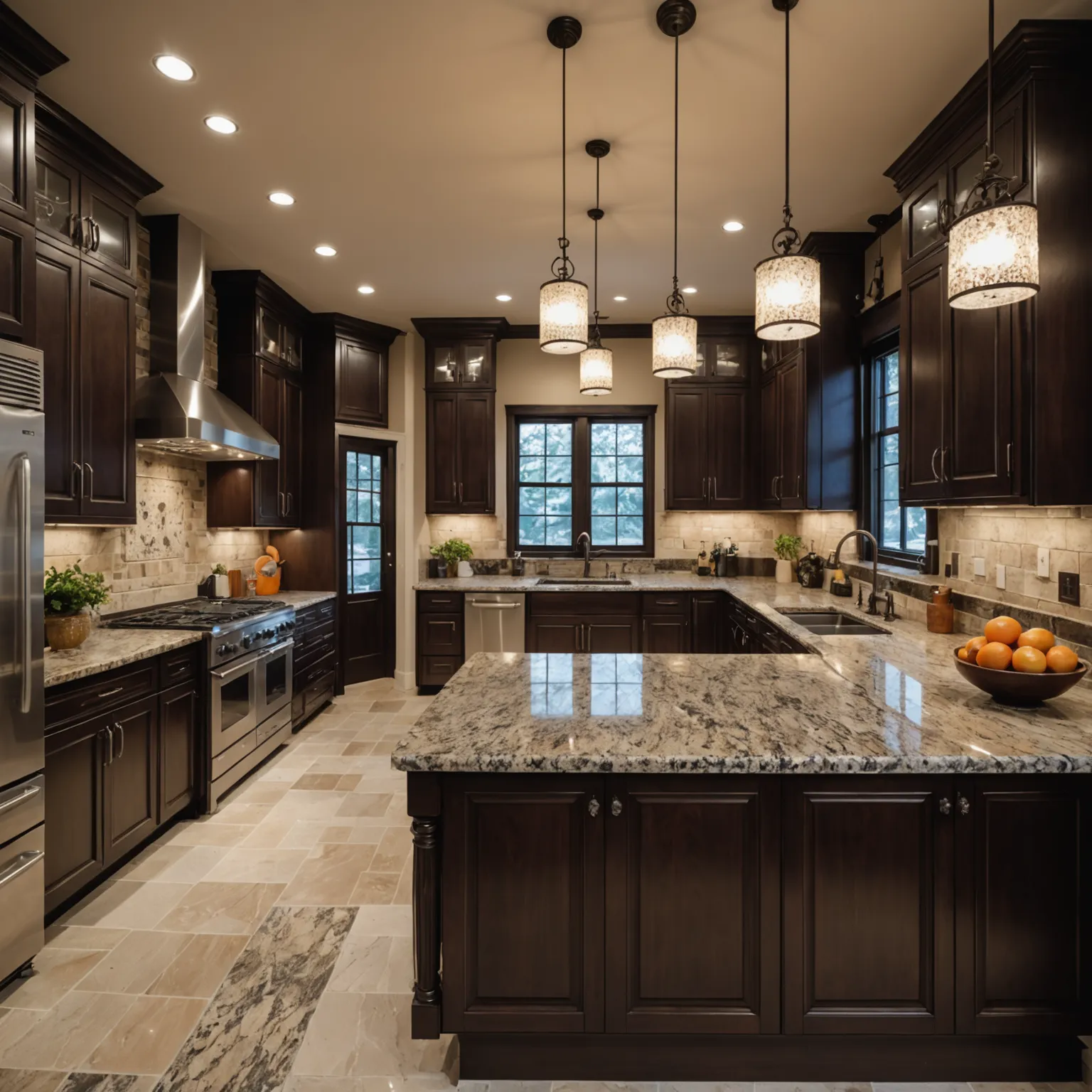
Granite formed under extreme pressure and heat, which explains its calm behavior in everyday conditions. Short-term temperature changes are not an issue, something noticeable when placing hot pans or kettles directly on the surface.
Density plays a key role near sinks. Water splashes, wet glasses, spilled juice usually remain on the surface rather than penetrating the stone. The main rule is simple — do not leave strong pigments for long periods.
Granite does not require aggressive cleaners. Abrasive powders can reduce polish over time, not because the stone is weak, but because its surface finish deserves basic care. Mild detergents are enough.
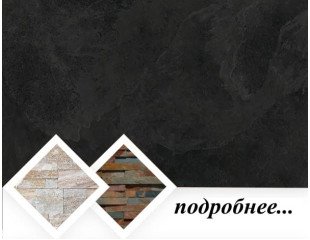
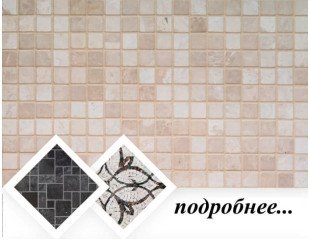
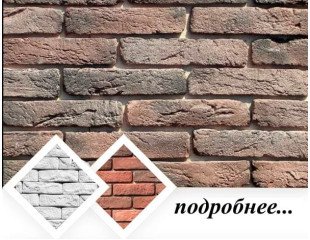
In projects where a consistent natural look is important, interiors are sometimes complemented with thin stone veneer. It does not replace a countertop but visually ties walls and surfaces together.
2. Color and pattern: choosing wisely
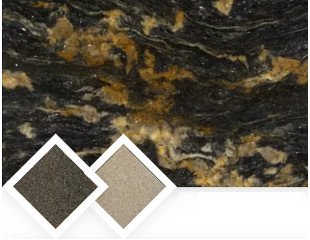
No two granite slabs are identical. Even stones from the same batch differ in grain and veining. This uniqueness is an advantage, but it requires attention when selecting material.
Light granite makes kitchens feel more open, especially in rooms with limited daylight. Dark stone adds depth and structure but shows water drops more clearly if not wiped promptly.
The best evaluation happens under different lighting conditions. Morning daylight and evening artificial light reveal the stone differently, which is normal behavior for natural materials.
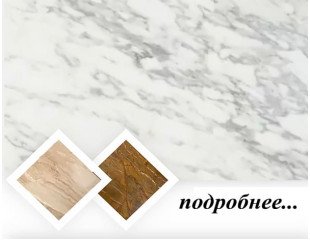
In balanced interiors, granite is often combined with marble elements in low-load zones. The contrast adds visual depth without compromising practicality.
3. Installation details that photos never show
A granite countertop is heavy, and this affects the base. Cabinets and supports must be perfectly level. If the stone works under bending stress, problems appear later, not immediately.
Sink and appliance cutouts are made before installation. Precision is critical here. Even small deviations can affect joints or weaken edges.
Seams require careful planning. On patterned stone they are less visible, while solid colors need accurate placement and matching filler. Proper planning makes seams visually disappear.
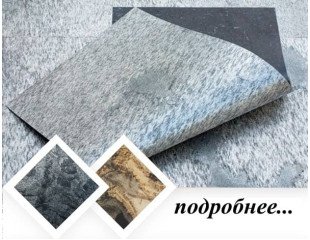
In homes where interior and exterior connect directly, granite countertops often align visually with outdoor materials such as natural paving stone, creating architectural continuity.
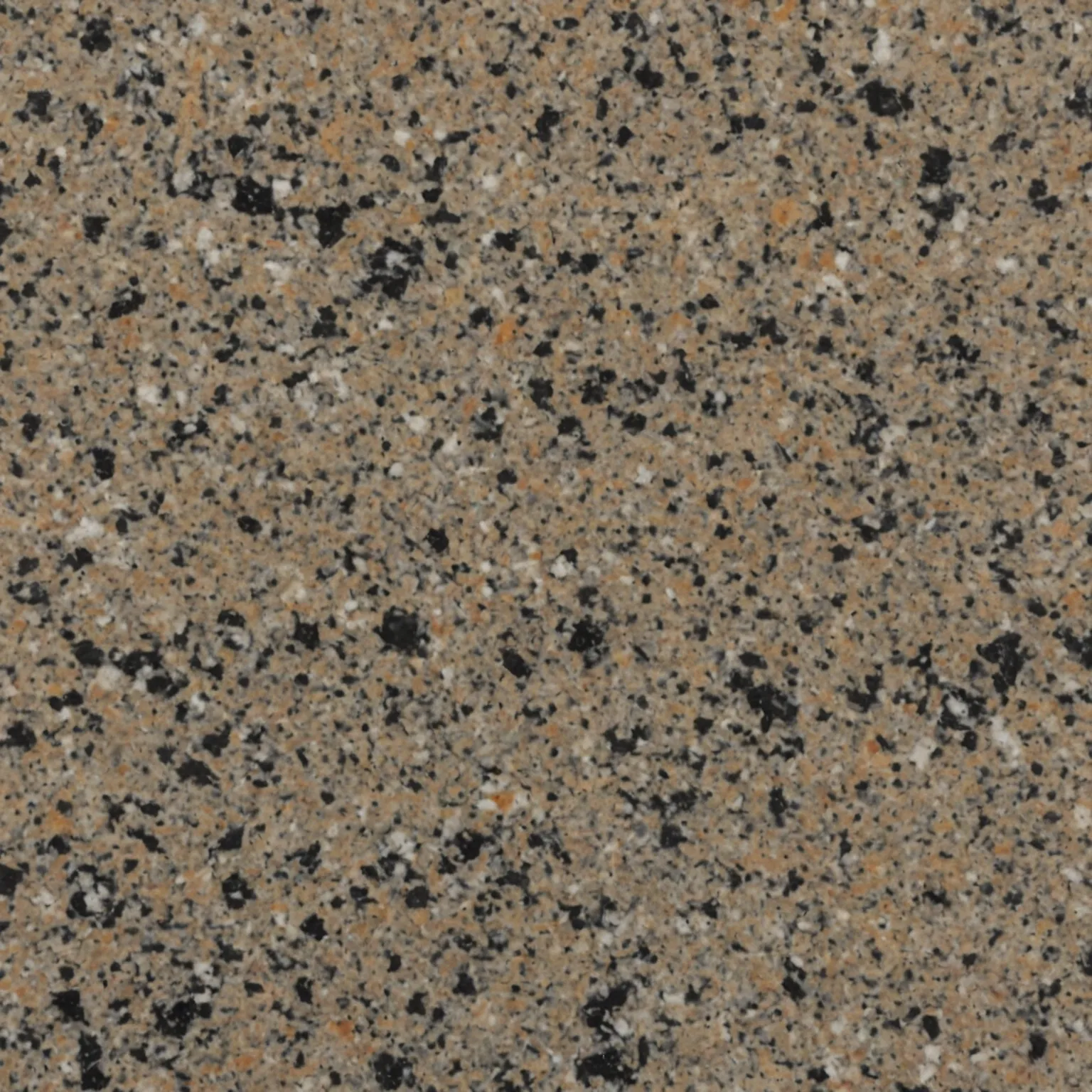
Craftsmen’s observation: in busy households granite countertops are rarely replaced. Even during full kitchen renovations, they are usually kept and new furniture is adapted to them.
4. Where granite countertops perform best
Kitchens are the most common application, but not the only one. In private houses granite is widely used in outdoor kitchens and barbecue zones where loads are higher than indoors.
Bathrooms benefit from granite’s resistance to moisture and cleaning products. The stone keeps its structure and appearance even with frequent condensation.
Home offices and workshops also use granite as a work surface. Tools, equipment, and weight do not compromise the material.
This versatility makes granite suitable for projects where one material must perform consistently across different spaces.
5. Care without rituals
Daily care requires no special products. Warm water and mild detergent are sufficient for routine cleaning.
Protective sealing is typically renewed every few years. It reduces the risk of stains without changing the look of the stone.
Timely cleaning matters more than expensive products. This rule applies to all natural stone surfaces.
Compared to softer materials, granite remains forgiving while maintaining its visual clarity.
6. From slab selection to finished surface
Everything starts with choosing the slab. Color, grain direction, and visual calmness matter more than dramatic patterns in small spaces.
Cutting and processing require specialized equipment. Granite’s density makes any inaccuracy immediately visible.
Polishing defines not only shine but tactile comfort, which matters in everyday use.
As a result, granite countertops are rarely standard products and are usually custom-made.
Installation on site
The key requirement during installation is even support. Granite should never work under bending stress.
Seams are adjusted to match the stone pattern and color. Well-executed joints remain unnoticed.
Final inspection ensures there are no micro-chips and all edges are properly finished.
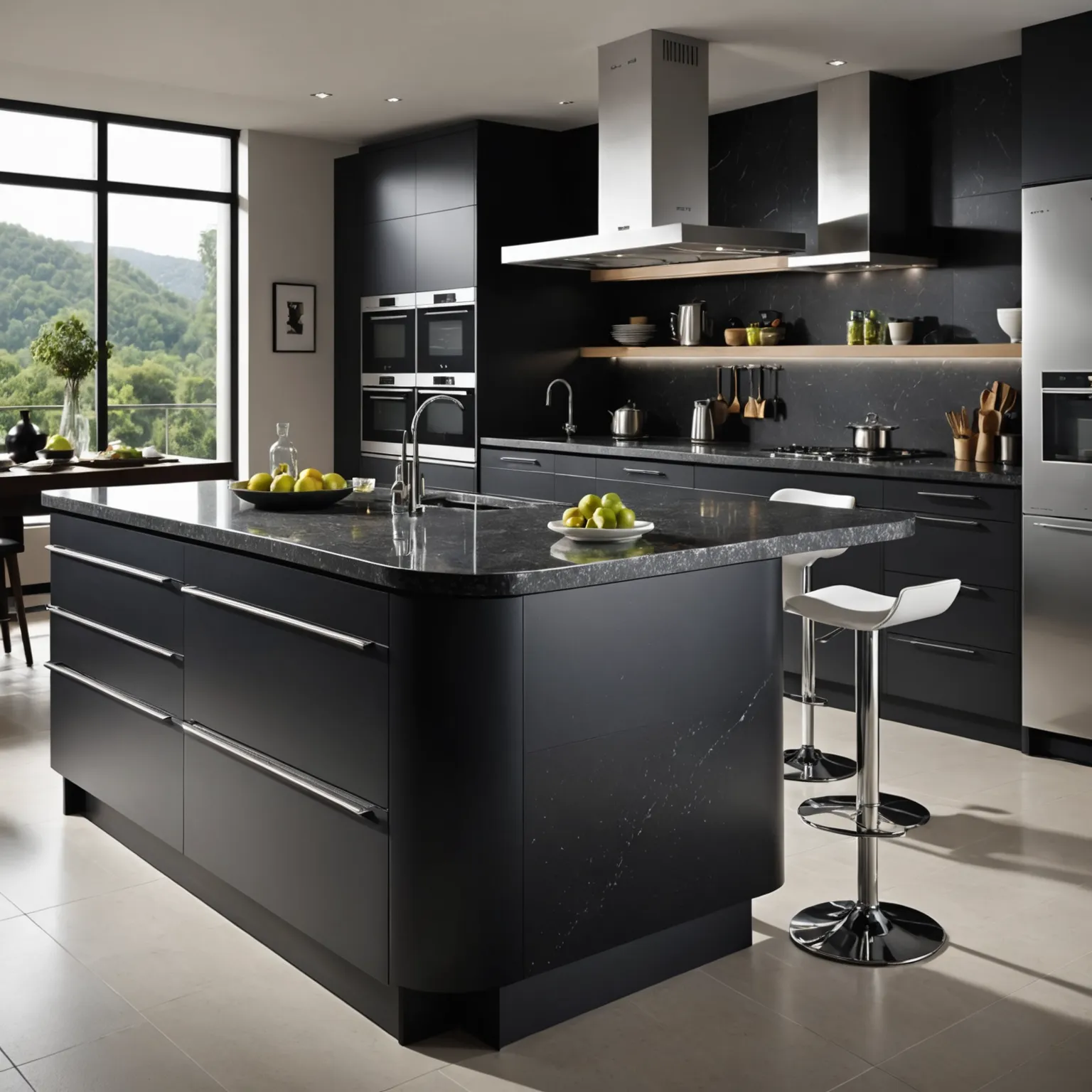
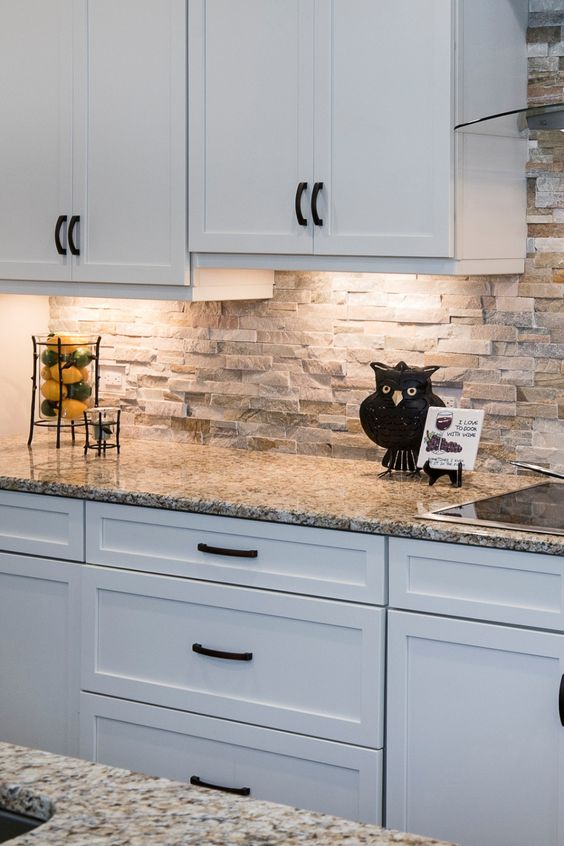
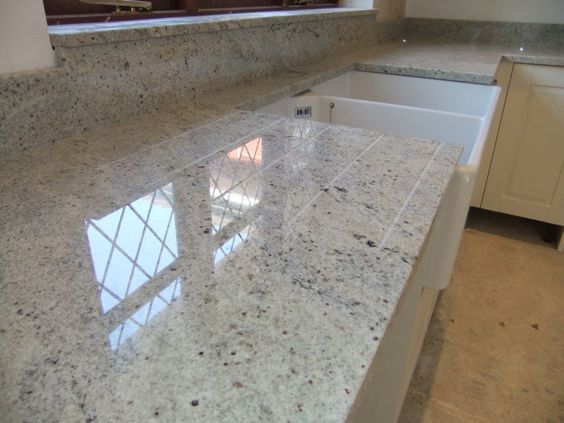
Practical advice: always view the slab under different lighting before approval. Granite changes perception depending on light direction and intensity.
7. Comparing granite with alternative materials
Granite is often compared with quartz composites and marble. Each material has strengths and limitations.
Quartz offers color consistency but is less tolerant to heat. Marble provides visual softness but requires careful maintenance. Granite balances durability and natural appearance.
For high-load areas, granite remains one of the most reliable choices.
This makes it suitable for long-term projects rather than temporary solutions.

| Parameter | Granite | Marble | Quartz composite |
|---|---|---|---|
| Heat resistance | High | Medium | Limited |
| Scratch resistance | High | Low | Medium |
| Maintenance | Minimal | Regular | Minimal |
Mini case: in a family home a granite countertop was installed over ten years ago. Kitchen furniture and appliances were updated, but the stone remained intact without visible wear.
Craftsmen’s note: most repeat clients return not to replace granite, but to install the same solution in another room.
- Granite remains stable under heat and heavy use.
- The material works indoors and outdoors.
- Maintenance is limited to basic cleaning.
- Surface renewal is possible without removal.
FAQ
Is granite suitable for an active kitchen?
Yes. Granite tolerates daily cooking, hot cookware, and mechanical impact well. It does not require complex maintenance, which makes it suitable for busy households.
Does granite stain easily?
Granite is less porous than marble but still benefits from sealing. With proper protection and timely cleaning, staining risk remains low.
Can hot items be placed directly on granite?
Short-term contact with hot cookware is generally safe. Prolonged exposure to extreme heat may affect sealers over time.
Is granite difficult to maintain?
No. Regular wiping with mild cleaners is usually enough. Compared to softer stones, granite is forgiving in everyday use.
How long does a granite countertop last?
With proper installation, granite countertops last for decades. Polishing can restore the surface without replacement.
Is granite suitable for bathrooms?
Yes. Granite handles moisture and cleaning products well and keeps its structure in humid environments.
How should a granite slab be selected?
Viewing the slab in person under different lighting helps evaluate color, grain, and overall balance for the space.
Where can I get professional consultation?
Consultation details are available on the contacts page, and delivery options can be reviewed on the delivery page.