Kiev, ave. Lobanovsky, 14


 +3 80 (50) 433-01-01
 Video
Video 3D Tour
Quartz Countertops
After the old kitchen is stripped down, the space feels exposed: fine dust on the floor, a faint smell of plaster, installers discussing how the new surface will behave near the sink. This is usually the point where the countertop choice becomes critical. It will face water, hot cookware, knives, and cleaning products every single day. A poor decision quickly shows itself through stains, scratches, or uneven color.
Quartz countertops are chosen not for fashion, but for predictability. The material reacts calmly to temperature changes, does not absorb odors, and keeps its appearance under constant use. This becomes especially noticeable in homes where the kitchen serves as a shared living and working area.
Experience shows that a well-selected quartz surface becomes a neutral foundation for different interior styles. It does not dominate visually, yet looks consistent next to wood, metal, or stone. Understanding why this stability exists, and where the limits are, helps avoid unrealistic expectations.
Quartz countertops: the main challenge is balancing appearance with daily practicality. Quartz agglomerate eliminates moisture absorption and color instability common to many surfaces. The homeowner gets a flat, hygienic worktop that requires no complex maintenance.
What a quartz countertop is in everyday use
A quartz countertop is a composite material based on natural quartz. Most of its structure consists of mineral aggregate bound with polymer resins, creating a dense and uniform slab. This structure prevents micro-pores and hidden voids.
To the touch, quartz feels cool but not harshly cold. Cookware sits firmly without sliding, and contact sounds remain muted. These small details quickly become noticeable in everyday use.
The material handles point loads from built-in appliances and cooktops well. When installed on a proper base, it keeps its geometry for years without additional treatment.
Visually, quartz can resemble marble or concrete, yet its behavior stays consistent regardless of pattern.
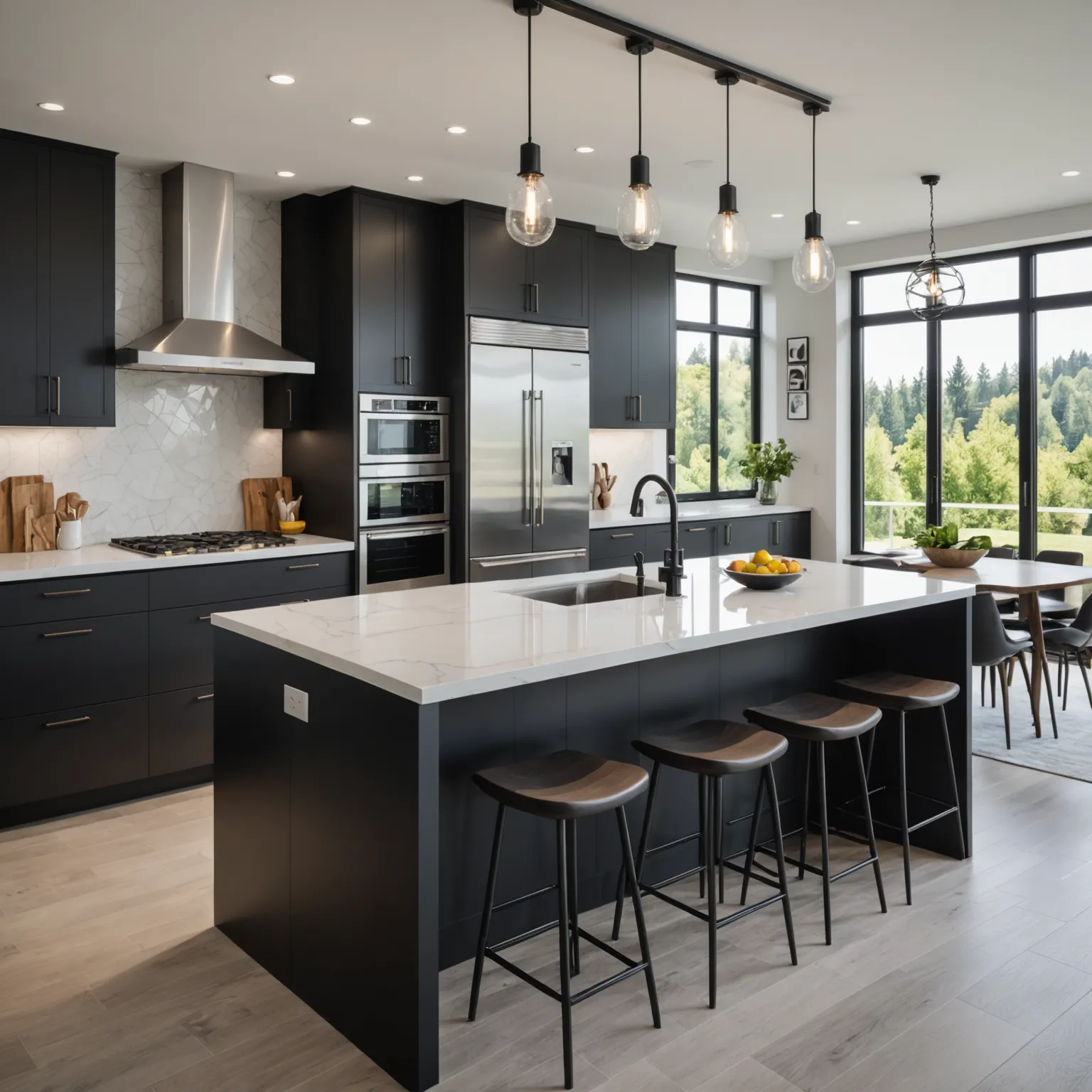
Why quartz works well for heavily used kitchens
Kitchen countertops deal with moisture, grease, and temperature shifts daily. Quartz does not absorb liquids, so coffee or wine stains remain on the surface rather than penetrating it. This is especially important around sinks.
The surface tolerates household cleaning agents without dulling or fading. Even with regular cleaning, the color remains stable.
With correct installation, quartz slabs stay straight even over long spans. This matters for open-plan kitchens and islands.
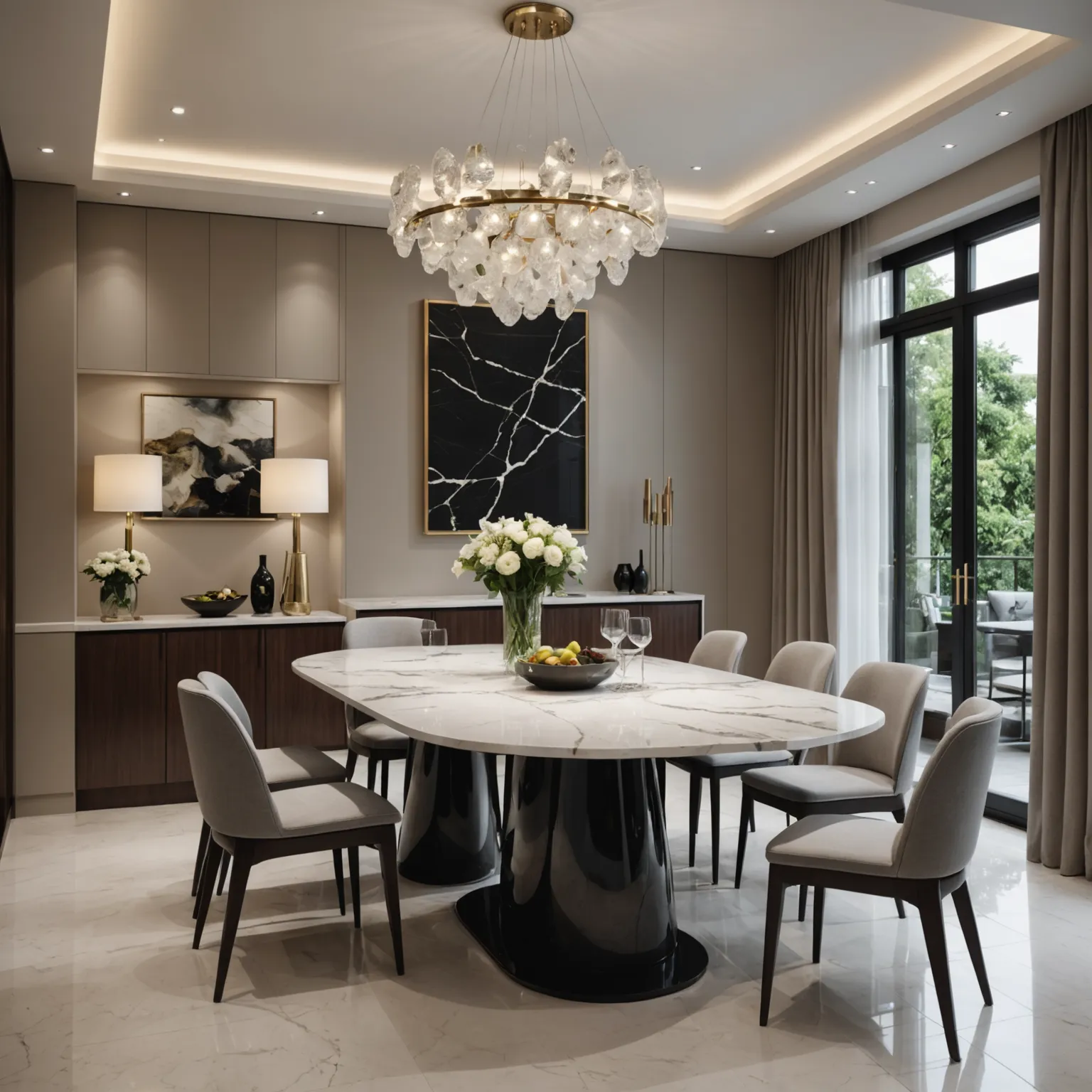
In projects where natural stone is used elsewhere, quartz often becomes the practical interior counterpart.
Visual flexibility and material limitations
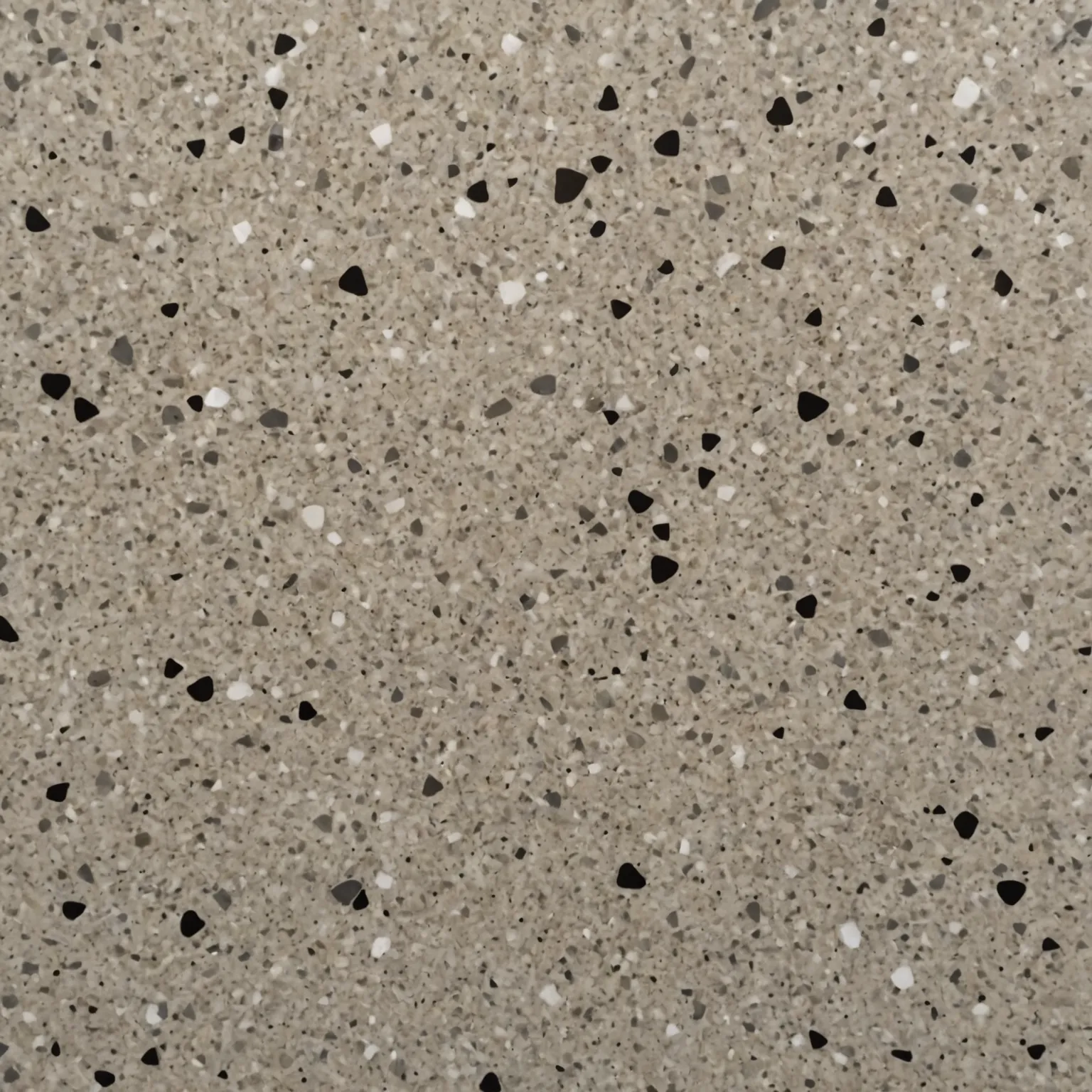
One of quartz’s advantages is pattern consistency. Multiple slabs with the same texture can be matched, making joints less noticeable.
Matte or semi-polished finishes hide fingerprints and water marks better. Under daylight, the surface looks calm and tidy.
At the same time, quartz is not designed for direct contact with open flame. Hot cookware should always be placed on heat-resistant pads.
Combined with textured materials like decorative pebbles, quartz acts as a visual balance.
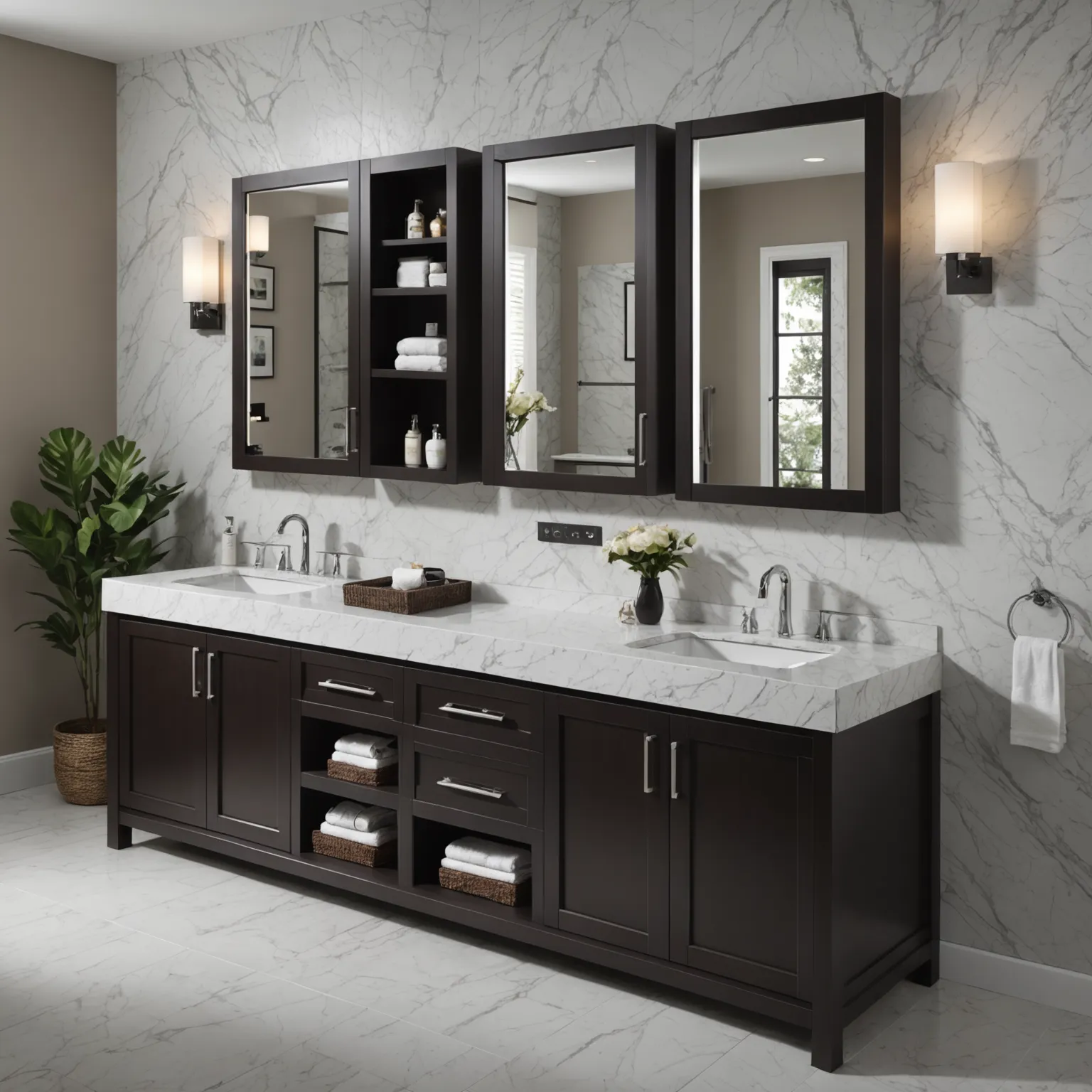
Craftsmen’s observation: in high-use kitchens, quartz countertops rarely need post-installation corrections. Edges stay sharp and the surface remains flat for years.
Daily care and long-term performance
Quartz does not require complicated maintenance. A soft cloth and neutral detergent are enough for daily cleaning.
Fresh spills are best removed promptly, even though the surface resists staining. This helps preserve an even tone.
When basic care rules are followed, quartz does not need restoration or sealing.
This reliability makes it a common choice for families with an active lifestyle.
Cost planning and installation considerations
The price of a quartz countertop depends on brand, slab thickness, and processing complexity. Cutouts for appliances and edge profiles also affect the final cost.
Installation quality is just as important as the material itself. Proper mounting defines how long the surface will last.
Over time, quartz often proves cost-effective due to low maintenance requirements.
Before ordering, it is worth clarifying delivery terms and timelines to avoid delays.
| Parameter | Quartz | Natural stone |
|---|---|---|
| Moisture absorption | None | Possible |
| Maintenance | Minimal | Regular sealing |
| Color stability | High | Varies by stone |
Practical tip: if the countertop is placed near large windows, a matte finish reduces glare and feels more comfortable in daily use.
Quartz countertops also integrate well with exterior stone concepts. Homes that use paving stone outdoors often carry the same material logic inside.
For accurate color and texture selection, viewing samples in person is recommended. A visit to a showroom and consultation with specialists at the stone showroom helps avoid mismatches that photos cannot reveal.
- Quartz does not absorb moisture or odors.
- The surface keeps stable color over time.
- Suitable for kitchens and bathrooms.
- No complex maintenance required.
FAQ
Can you place hot pans directly on quartz?
Short contact with warm cookware is usually harmless, but direct exposure to very high temperatures is not recommended. Heat pads help protect the resin component and preserve the surface.
Does quartz scratch easily?
Quartz is scratch-resistant, but cutting directly on the surface may dull knives and eventually leave marks. Using a cutting board is recommended.
Is quartz suitable for kitchen islands?
Yes, quartz performs well on islands due to its rigidity and stable geometry, provided the base is properly prepared.
What cleaning products are safe for quartz?
Warm water and mild detergents are sufficient. Abrasive or acidic cleaners should be avoided.
Does quartz fade over time?
Under normal indoor conditions, quartz maintains its color well and does not fade.
Can quartz be used in bathrooms?
Yes, quartz works reliably in humid environments and is suitable for vanity tops.
Is professional installation required?
Yes, due to the weight and precision required, quartz countertops should always be installed by experienced professionals.
Where is the best place to choose quartz in person?
Viewing slabs under natural light provides the most accurate impression of color and texture before ordering.