Kiev, ave. Lobanovsky, 14


 +3 80 (50) 433-01-01
 Video
Video 3D Tour
Marble Stairs: Elegance and Durability
Morning in a private house often begins with the staircase. You step out of the room, place your foot on the first step, and feel a cool, dense stone surface underfoot. The sound of footsteps is muted and confident, without any hollow echo. This everyday tactile experience is exactly how a marble staircase reveals itself in real life.
Marble is chosen for staircases not because of fashion. It is valued for predictable behavior, stable geometry, and the ability to keep its appearance for years. In private homes, entrance halls, and between floors, marble works as a structural material rather than simple decorative cladding.
At the same time, marble has its own specifics. Different stone types react differently to load, moisture, and maintenance, while design mistakes often show up only after installation. Understanding these properties before construction helps avoid problems during everyday use.
Marble staircases: the main challenge is balancing visual expression with everyday practicality. Natural stone solves issues of shape stability and long-term durability of steps. The owner receives a staircase that preserves texture, geometry, and a neat appearance under daily use.
Why marble is used for staircases
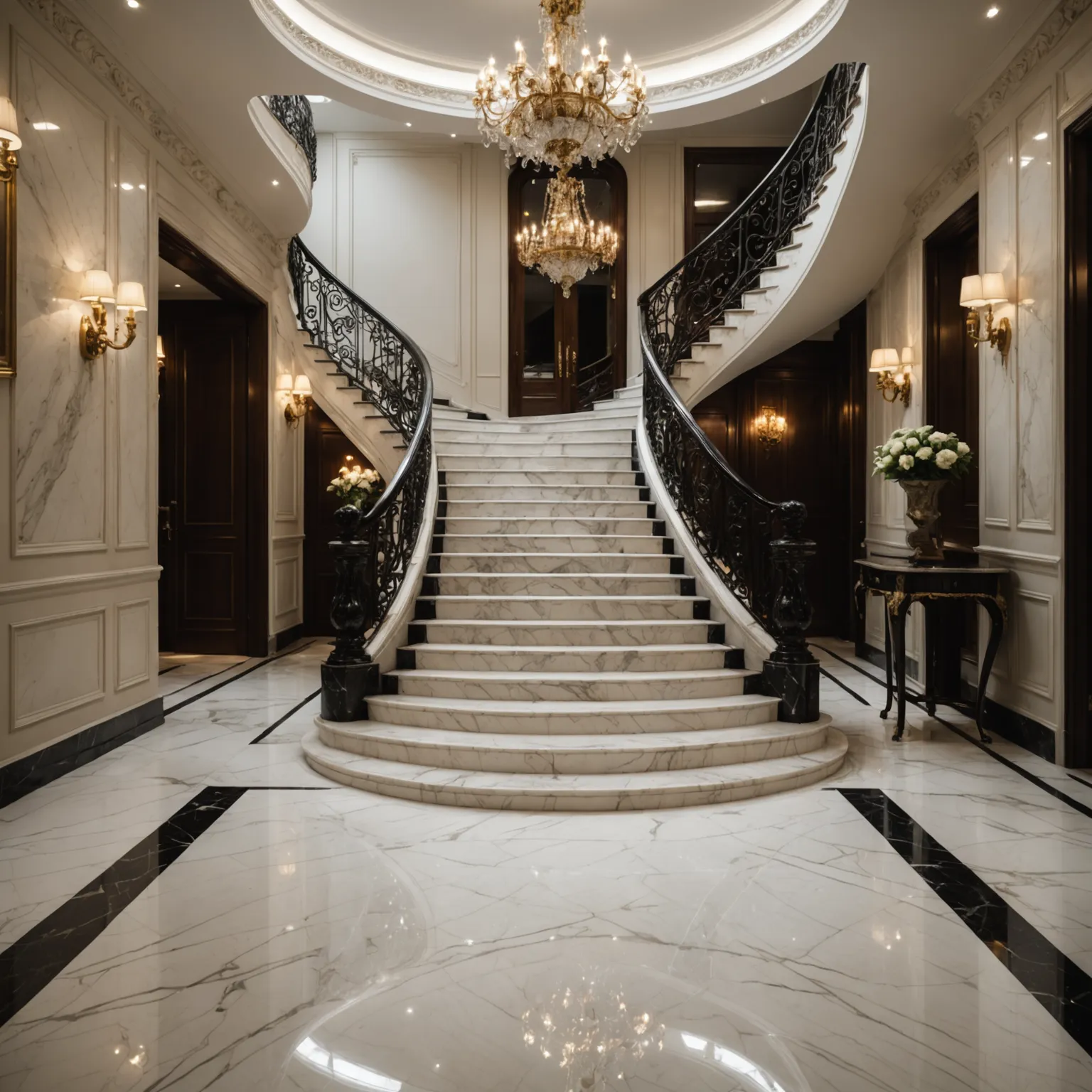
Marble is formed under high pressure, which gives it a dense and uniform structure. For staircases, this means minimal deformation even with seasonal temperature and humidity changes. Unlike wood, stone does not dry out or change shape over time.
Visually, marble works especially well in spaces with natural light. A honed or polished surface reflects light differently, adding depth to the interior. This effect is most noticeable in entrance halls and open stairwells.
Another important factor is repairability. Local wear or minor damage can be removed by re-polishing without dismantling the entire staircase. This makes marble practical for homes with regular daily traffic.
Marble also combines easily with metal, glass, and wood. That is why it is often used not only indoors but together with natural stone facade solutions in unified architectural projects.
Strength of marble steps in real conditions
The idea that marble is fragile is misleading. With properly selected thickness, marble steps withstand significant point loads. In private homes this includes constant foot traffic, furniture movement, and everyday household use.
Surface treatment plays a key role. Honed marble provides better grip and is commonly chosen for interior staircases. Polished surfaces look more expressive but require additional anti-slip solutions.
The base structure is just as important. A solid concrete core distributes weight evenly and reduces the risk of microcracks. This is why marble is frequently installed over reinforced concrete stair flights.
When designing a complete interior concept, staircases are often coordinated with the overall house style found on the main architectural elements of the project.
Texture and visual character of natural stone
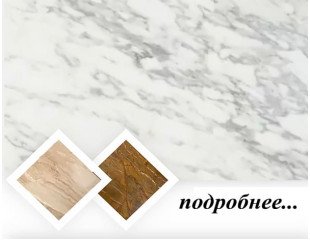
Every marble slab has a unique pattern. Veins, color transitions, and natural variations never repeat exactly. This gives marble staircases a distinctive character that artificial materials cannot replicate.
The color range varies from nearly white tones to deep gray and warm beige. Light marble visually enlarges the space, while darker shades add depth and restraint. The choice depends on lighting and room proportions.
Texture is felt not only visually but physically. In summer, marble remains pleasantly cool underfoot, while in winter it maintains a stable temperature without sharp contrast. This detail becomes noticeable in daily use.
Marble staircases are often combined with other stone elements such as stone paving around the house to create a consistent transition between interior and exterior spaces.
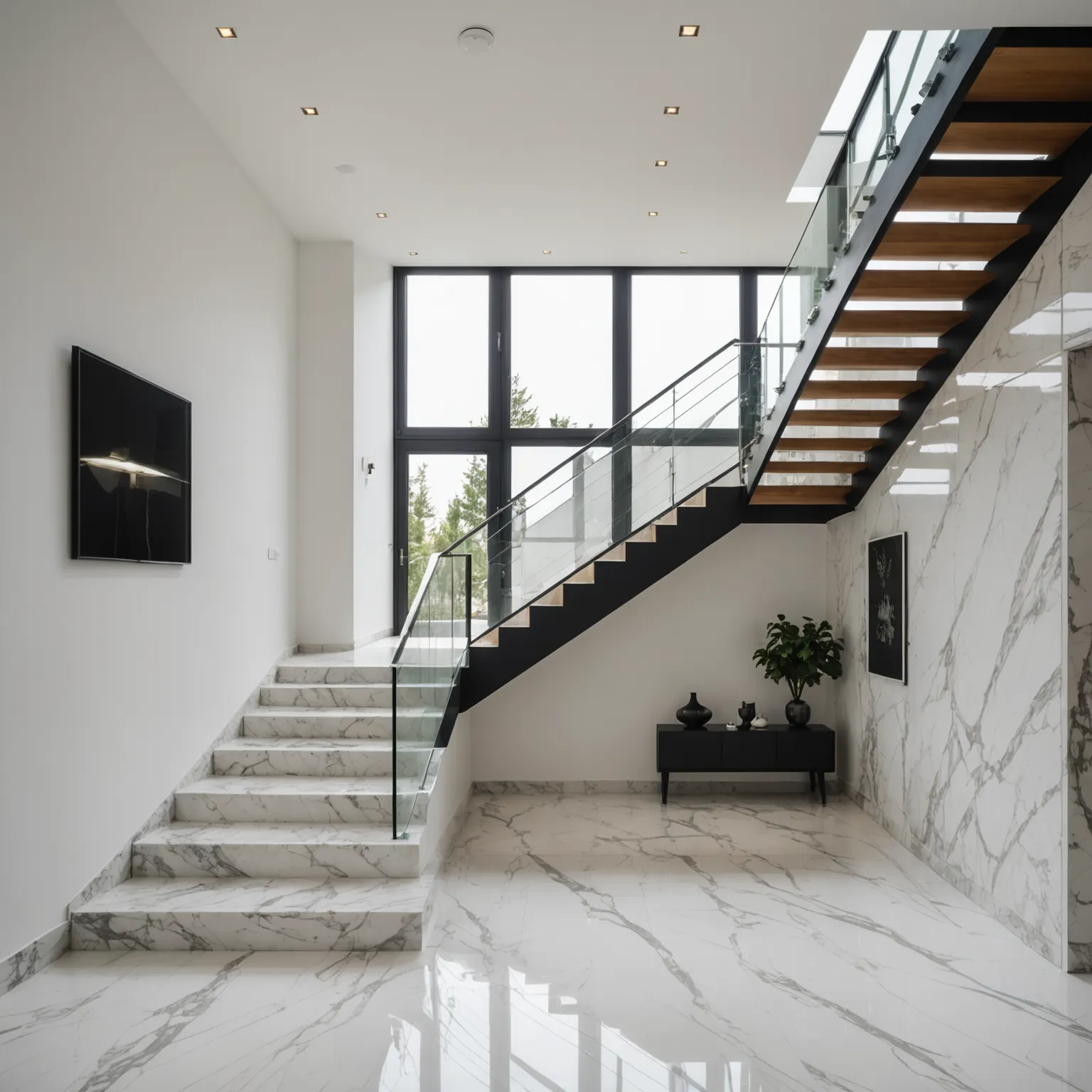
Installation specialists often note that marble staircases change far less over time than mixed-material constructions, especially in homes used seasonally.
Design requirements for marble staircases
Designing a marble staircase starts with geometry rather than stone color. Tread depth, riser height, and slope angle must account for the weight of the stone. Marble does not tolerate proportional errors well, and adjustments after installation are difficult.
Edge detailing deserves special attention. A small chamfer or rounded edge reduces the risk of chipping and makes movement more comfortable. In homes where people often walk in outdoor shoes, this detail becomes noticeable very quickly.
For complex stair layouts, precise templates are used. They help maintain clean joints and preserve the natural stone pattern without unnecessary cuts. As a result, the staircase looks consistent rather than fragmented.
Lighting should be planned at the design stage. Integrated step lighting or side illumination highlights the stone texture and improves safety during evening hours.
Safety and anti-slip solutions
Slipperiness is the most common concern among homeowners. In practice, it depends entirely on surface treatment. Honed or satin finishes provide better grip than mirror-polished marble.
Additional anti-slip grooves or subtle inserts can be applied. They remain visually discreet while significantly reducing the risk of slipping. This approach is especially useful for entrance staircases.
Indoors, combined solutions are often used. The central part of the step remains smooth, while the front edge receives a different finish. This preserves aesthetics without compromising safety.
Maintenance also affects safety. Residues from unsuitable cleaning products can temporarily increase slipperiness, so neutral cleaners are recommended.
Maintenance and long-term behavior of marble
Marble is sensitive to acids and abrasive products. Spilled wine, juice, or harsh chemicals may leave marks if not removed promptly. In everyday life this is manageable with basic care habits.
Protective impregnations reduce stone absorption. They do not change the appearance but create a barrier against stains. Depending on traffic, these treatments are renewed every few years.
Over time, the surface may become slightly matte in high-traffic areas. This is a natural process of micro-wear. If desired, the original finish can be restored through re-polishing.
Unlike synthetic materials, signs of use on natural stone tend to look organic rather than defective.
Marble in interior spaces and entrance areas
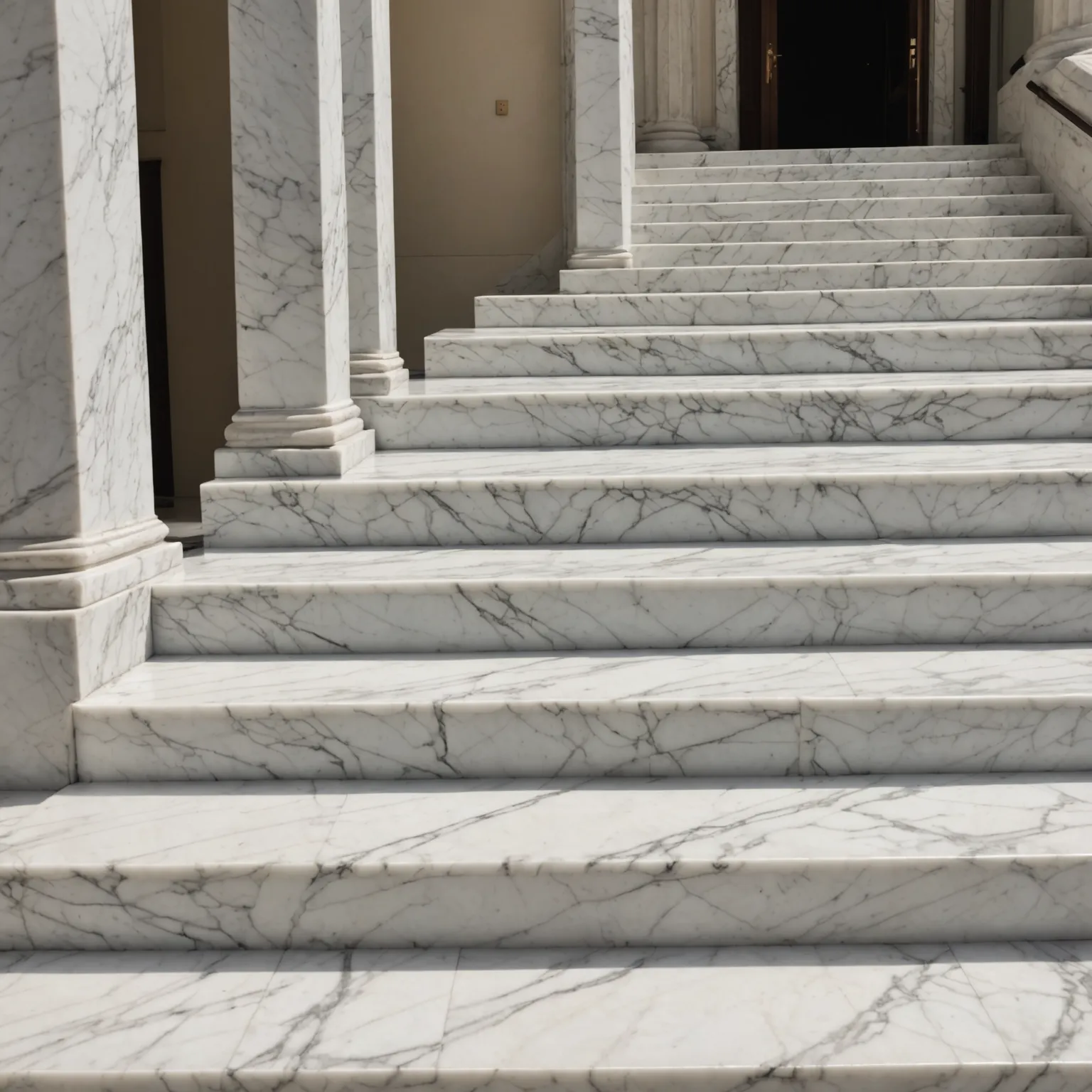
Interior marble staircases often become a visual anchor of the space. They influence wall finishes, flooring, and railing design. Coordinating tones and textures helps maintain a balanced interior.
In entrance areas, marble faces tougher conditions. Moisture, dirt, and temperature changes demand denser stone types and more practical finishes. These zones require especially careful material selection.
Staircases are frequently combined with other stone elements to create a continuous path from the entrance to living spaces. This approach gives the home a cohesive feel.
For complex projects, it is practical to coordinate stone selection and logistics through delivery conditions in advance to avoid delays.
Comparing marble with alternative materials
Marble is often compared with granite, porcelain tiles, and wood. Each material has advantages, but they solve different problems. For staircases, weight, appearance, and aging behavior matter most.
Granite is harder but visually more rigid. Porcelain tiles are stable and easy to maintain, yet lack the depth of natural stone. Wood feels warm but requires frequent maintenance.
Marble occupies a balanced position. It is durable enough for private homes while offering a natural texture that artificial materials cannot fully replicate.
The final choice depends on usage scenarios and personal perception rather than technical data alone.
| Material | Appearance | Maintenance | Service life |
|---|---|---|---|
| Marble | Natural texture, visual depth | Moderate | High |
| Granite | Strict, uniform | Low | Very high |
| Wood | Warm, natural | High | Medium |
Practical advice: always view marble samples under the actual lighting conditions of your project, not only in a showroom.

In one private home, after five years of use, the owners refreshed only the step edges with light polishing. The structure remained intact, and the staircase regained its clean appearance.
- Marble staircases require precise design.
- Safety depends on surface treatment.
- The stone can be restored when worn.
- Stone type affects maintenance needs.
FAQ
Is marble suitable for staircases in private homes?
Yes, provided the staircase is properly designed and the surface finish is chosen correctly. In private homes, loads are predictable, so marble performs reliably. Geometry, base structure, and everyday use patterns all play a role in long-term comfort and safety.
Are marble steps slippery?
Slipperiness depends on surface finish. Polished marble is smoother, while honed or satin finishes provide better traction. Anti-slip details can be added if necessary, so this issue is addressed during material selection.
How does marble change over time?
Slight surface matting may appear in high-traffic areas over time. This is natural wear and can be corrected by re-polishing. The stone itself remains structurally stable and keeps its original form.
Can marble be used for outdoor staircases?
It can, with limitations. Dense stone types and protective treatments are required. Climate conditions and regular maintenance must be considered, as moisture and frost accelerate surface wear.
How does marble compare to porcelain tiles?
Marble offers a deeper, more natural appearance and tactile feel. Porcelain tiles are easier to maintain but lack the organic texture of real stone. The choice depends on whether practicality or natural aesthetics matter more.
How difficult is marble staircase maintenance?
Maintenance is simple but requires care. Neutral cleaners are used, while acids and abrasives are avoided. With basic attention, marble staircases retain their appearance for many years.
How long does a marble staircase last?
With proper installation, marble staircases last for decades. Many homes use them for 20–30 years with only minor restoration work. The quality of the base and installation is decisive.
Where can I get advice on choosing marble?
Choosing marble is best done with experienced stone specialists. You can contact professionals via the contact page or by phone at +380(50)433-01-01 to discuss stone types, finishes, and logistics for your project.