Kiev, ave. Lobanovsky, 14


 +3 80 (50) 433-01-01
 Video
Video 3D Tour
Marble Flooring: An Elegant and Durable Solution for Your Interior
You step into the house in the early morning, and the first thing the light from the window touches is the floor. The stone responds immediately: the surface is slightly cool, smooth, with subtle veins that reveal themselves from different angles. A marble floor is perceived not only visually — it is felt with every step.
Marble floors are not chosen for show. They are installed where stability, spatial integrity, and predictable long-term performance matter. In living rooms, halls, corridors, and bathrooms, marble works as the foundation of the interior rather than a decorative accent.
At the same time, marble requires a thoughtful approach. It is sensitive to subfloor quality, surface treatment, and usage conditions. Understanding these aspects from the start allows you to create a floor that will look neat and balanced even after decades of use.
Marble floors: the main challenge lies in balancing aesthetics with practicality. Natural stone solves the issue of durability and stable floor geometry. The owner receives a surface that maintains its texture, appearance, and sense of quality under daily load.
Why marble is used for flooring
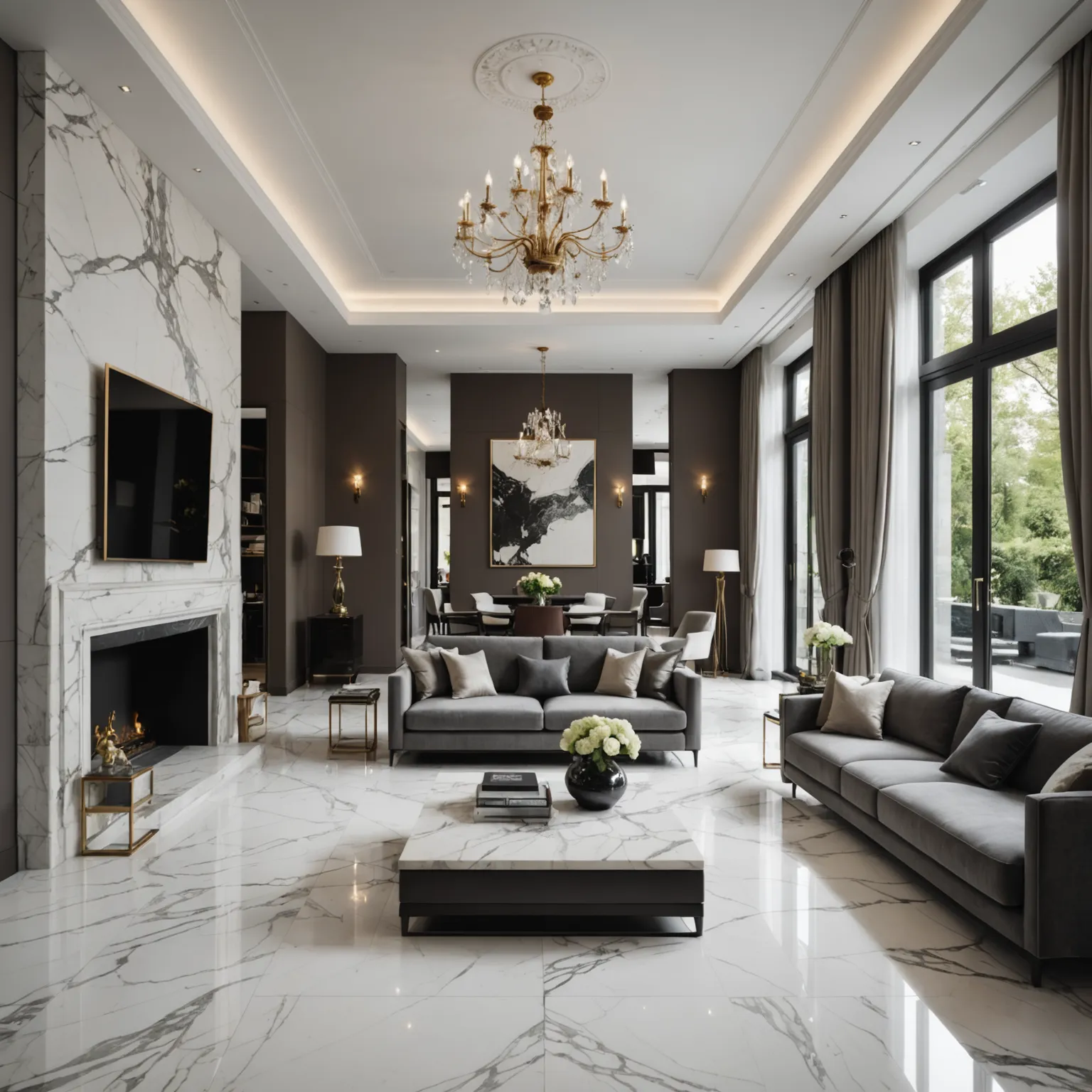
Marble is formed under significant pressure, giving it a dense and stable structure. For flooring, this means minimal deformation over time and reliable dimensional stability. Unlike layered materials, marble does not warp or lose shape.
Another advantage is even wear. When installed correctly, the surface ages gradually and predictably. Even after years of use, the floor does not appear worn out, but rather gains a calmer, more refined character.
Marble performs especially well with underfloor heating systems. It conducts heat efficiently and distributes it evenly across the surface. This makes it a practical choice for modern residential spaces.
In many projects, marble floors are combined with other natural stone interior solutions to create a visually cohesive and logical environment.
Visual perception and texture of marble floors
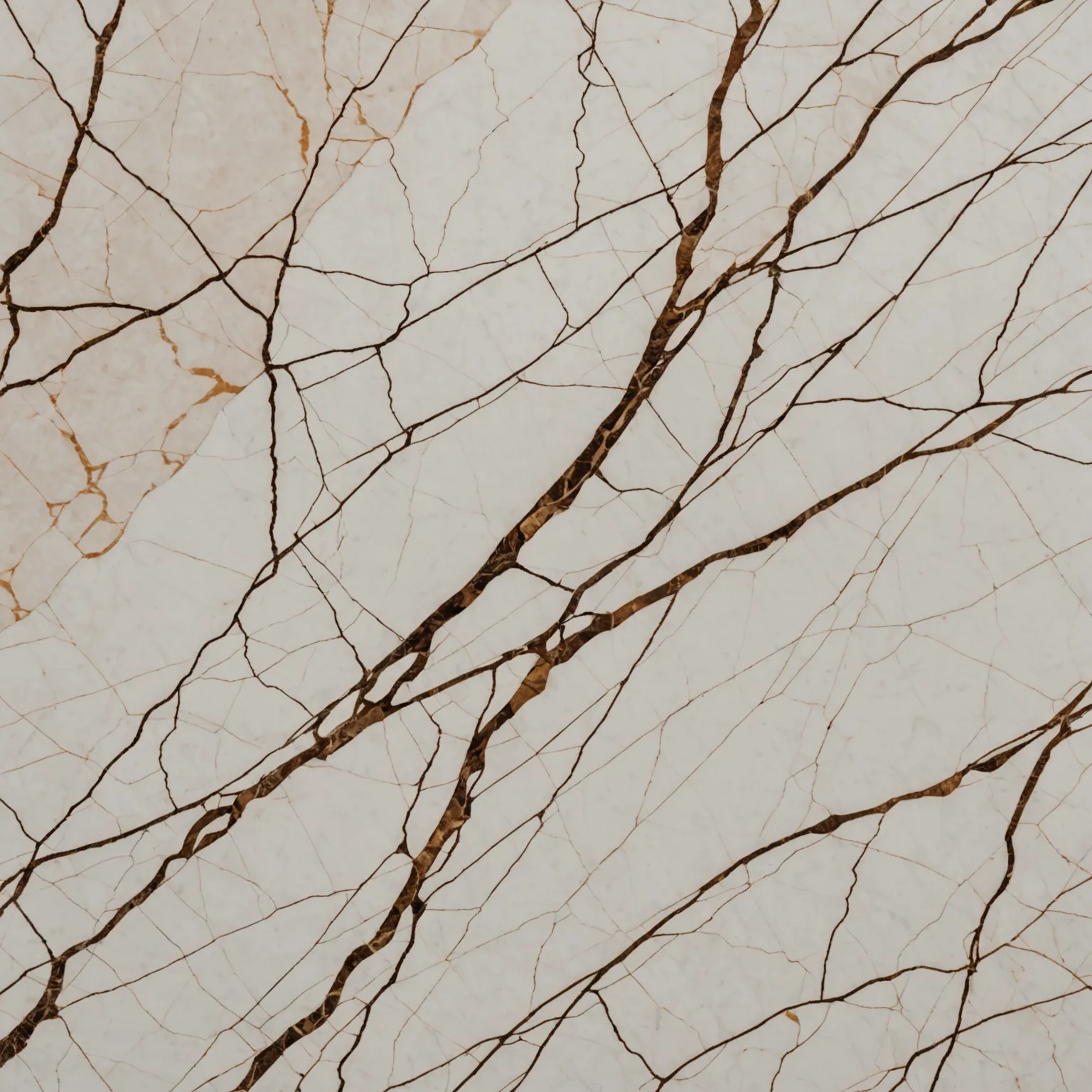
Every marble slab is unique. Veins, color transitions, and subtle variations never repeat exactly. This is why floors made of natural stone feel alive and visually rich.
Light plays a key role in how marble is perceived. Morning sunlight highlights the stone’s structure, while evening lighting deepens its tones. Throughout the day, the same floor can look noticeably different.
The size of the tiles also influences perception. Large-format slabs create a sense of continuity, while smaller formats introduce rhythm and movement. The choice depends on room size and architectural context.
Marble flooring is often visually linked with exterior areas, paired with stone paving on terraces or near entrances.
Strength and behavior of marble under load
In everyday life, marble floors are exposed to constant foot traffic, furniture, and household appliances. With sufficient slab thickness and a properly prepared base, the stone handles these loads reliably.
The quality of the subfloor is critical. A level concrete screed ensures even load distribution and reduces the risk of cracking. This stage largely determines the service life of the floor.
Surface finish also affects performance. Polished marble looks expressive but requires care, while honed finishes are more practical for high-traffic areas.
In comprehensive interior concepts, marble floors are often combined with other natural materials, including decorative pebbles used as accent elements.
Installation professionals note that marble floors, when laid on a properly prepared base, retain their geometry far longer than many multi-layer flooring systems.
Installation requirements for marble floors
The performance of a marble floor depends directly on how the base is prepared. The surface must be perfectly level, without voids or height differences. Even minor imperfections in the screed can later lead to cracks or uneven joints.
The choice of adhesive materials is equally important. Natural stone requires specialized low-shrinkage compounds. They reduce internal stress and help preserve the integrity of the slabs over time.
During installation, the direction of the stone pattern is carefully planned. Veins should flow naturally across the floor without chaotic breaks. This creates a calm, balanced visual rhythm within the space.
Expansion joints are mandatory. They compensate for micro-movements in the structure and protect the floor from damage caused by seasonal temperature changes.
Safety and slip resistance in daily use
Slipperiness is a common concern when choosing marble flooring. In practice, it is determined by the surface finish. Honed or satin finishes provide better traction than highly polished surfaces.
Polished marble looks refined, but in wet areas it requires additional attention. Anti-slip treatments or combined finishes are often used to improve safety without compromising aesthetics.
In corridors and kitchens, more practical finishes are usually preferred. They reduce the risk of slipping and make everyday maintenance easier.
With the right surface treatment, marble floors remain both safe and comfortable for everyday living.
Maintenance and long-term appearance
Marble is sensitive to acids and aggressive cleaning agents. Spilled liquids should be wiped up promptly to avoid stains or dull spots. Simple daily habits make a noticeable difference.
Routine cleaning is done with neutral products designed for natural stone. They remove dirt without damaging the surface. Abrasive tools are avoided entirely.
Protective sealers reduce the stone’s absorption rate. This is especially important in kitchens and bathrooms, where moisture exposure is higher.
If needed, marble floors can be refreshed through light grinding or re-polishing, restoring their original appearance without replacing the material.
Marble floors in different rooms
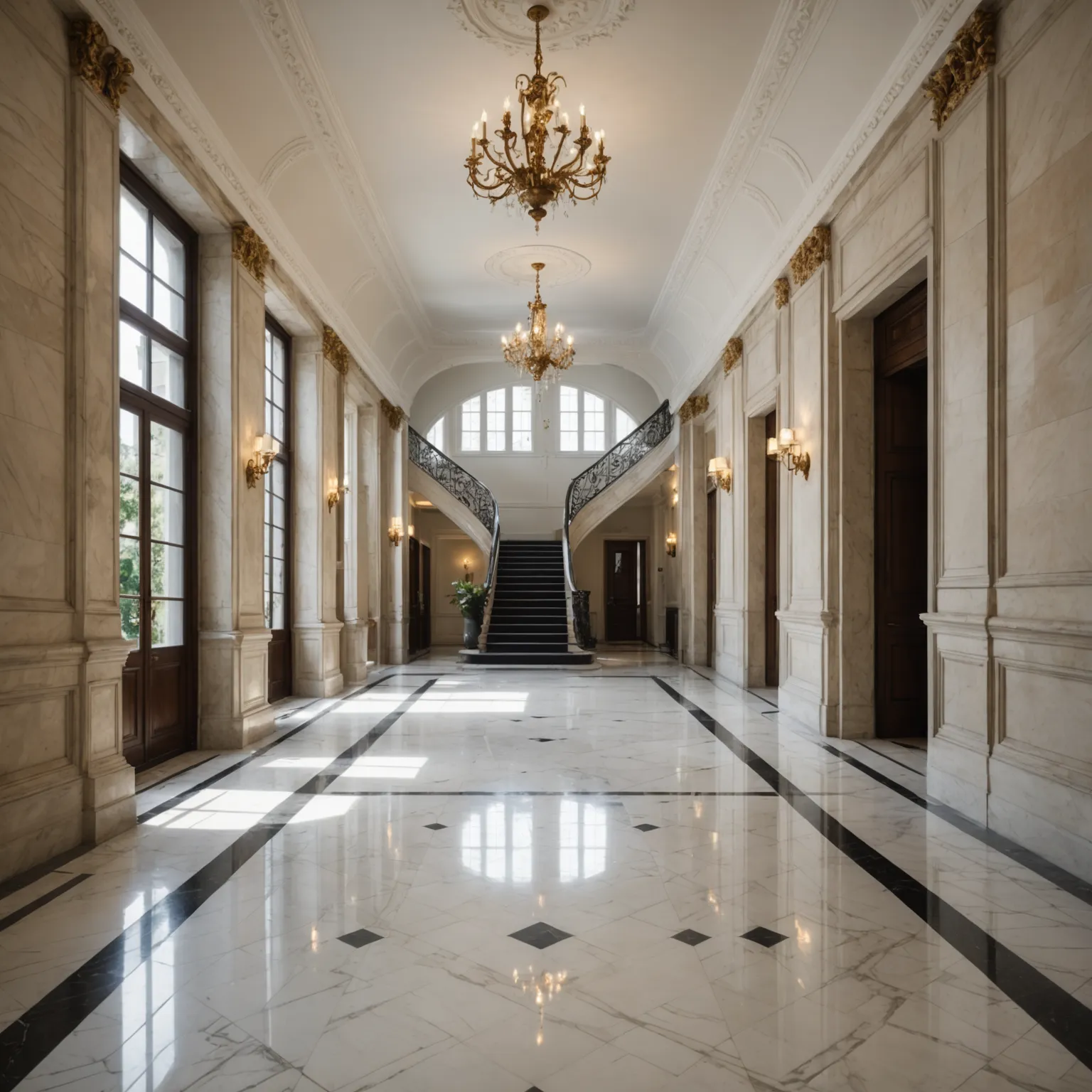
In living rooms, marble floors enhance the sense of openness and light. They pair well with minimalist furniture and large windows, emphasizing architectural proportions.
In hallways and entrance areas, stone performs as a highly durable surface. Practicality and resistance to constant movement become the main priorities here.
In bathrooms, marble is used more selectively, with honed finishes preferred for safety. This allows aesthetics and comfort to coexist.
For complex projects, it is practical to coordinate material selection and logistics in advance through delivery and return conditions.
Comparing marble with other flooring materials
When selecting a floor, marble is often compared with porcelain tiles and wood. Each material has advantages, but they serve different purposes.
Porcelain tiles are easy to maintain and resistant to stains, yet they lack the depth and tactile quality of natural stone. Wood feels warm and organic, but is sensitive to moisture and wear.
Marble occupies a middle ground. It requires attentive care, but offers a unique appearance and long-term durability.
The final decision depends on how the space will be used and what qualities matter most to the owner.
| Material | Appearance | Maintenance | Service life |
|---|---|---|---|
| Marble | Natural texture, visual depth | Moderate | High |
| Porcelain tile | Uniform, consistent | Low | Very high |
| Wood | Warm, natural | High | Medium |
Practical advice: before finalizing your marble choice, always view samples under the exact lighting conditions of your space, not only in a showroom.
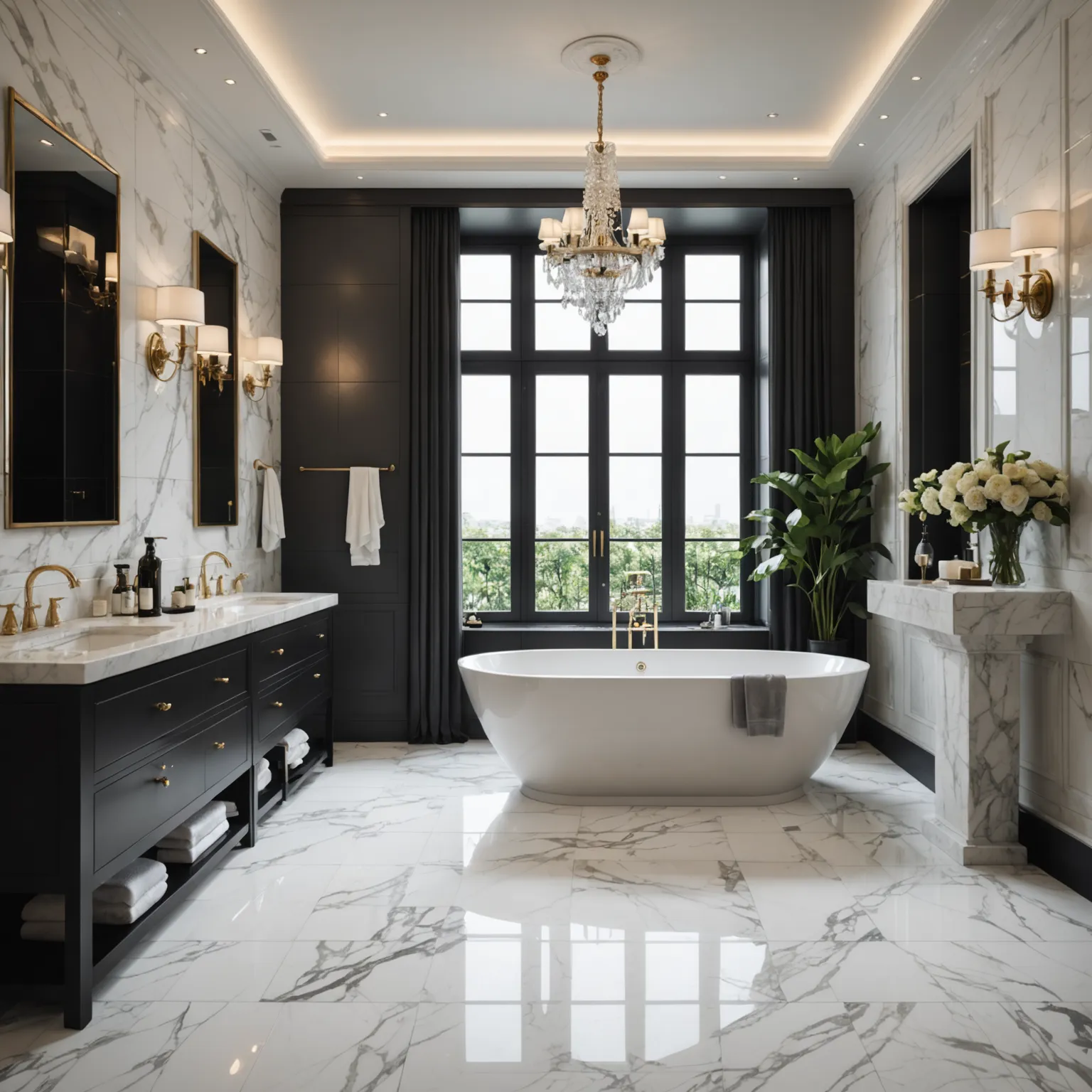
In one residential project, a marble floor in the entrance hall was refreshed after seven years with light polishing. The base remained unchanged, while the surface regained its clean, refined look.
- Marble floors require a well-prepared base.
- Surface finish affects safety and maintenance.
- The stone can be restored without replacement.
- Stone selection defines the final visual result.
FAQ
Are marble floors suitable for residential interiors?
Yes, when installed and maintained correctly, marble floors perform well in residential interiors. They handle daily loads, retain their appearance, and contribute to a cohesive interior design. The key is choosing the right finish for each area.
How slippery are marble floors?
Slip resistance depends on surface treatment. Polished marble is smoother, while honed or satin finishes provide better grip. Anti-slip solutions can be applied in areas exposed to moisture.
How do marble floors age over time?
Slight surface matting may appear in high-traffic areas over time. This is natural wear and can be corrected through re-polishing. The stone itself remains structurally stable.
Can marble floors be used with underfloor heating?
Yes, marble works very well with underfloor heating systems. It conducts heat efficiently and distributes it evenly, provided installation guidelines are followed.
How does marble compare to porcelain tile?
Marble offers natural depth and texture that porcelain tiles cannot fully replicate. Porcelain is easier to maintain, while marble provides a more organic and refined appearance.
How should marble floors be cleaned?
Neutral stone cleaners and soft cloths are recommended. Acids and abrasives should be avoided. With proper care, marble floors maintain their appearance for many years.
How long do marble floors last?
With proper installation, marble floors can last for decades. Many installations remain in use for 20–30 years with only minor surface restoration.
Where can I get professional advice on marble floors?
For expert guidance on selecting marble and planning your project, you can contact specialists through the contact page or by phone at +380(50)433-01-01.