Kiev, ave. Lobanovsky, 14


 +3 80 (50) 433-01-01
 Video
Video 3D Tour
Onyx Countertops
The kitchen is already assembled, the lights are on, and warm daylight falls across the countertop. At this moment it becomes clear that the surface here is more than just a working plane. Onyx countertops immediately define the character of the entire space, reacting to light and changing tone throughout the day.
Onyx is rarely chosen by accident. People usually come to it after reviewing many samples, when they want something beyond standard solutions. It does not shout luxury, but it always reveals it through depth, texture, and the unmistakable feeling of natural stone.
In interiors with natural stone, onyx often becomes the central accent around which all other materials are arranged. It is used where visual impact matters, yet full functionality of a kitchen or bar surface is still required.
Onyx countertops: the main challenge is balancing expressive appearance with everyday practicality. Onyx solves this through its natural translucency and complex internal pattern. The owner receives a unique interior element that works with light and space rather than a mass-produced surface.
Natural onyx as a countertop material
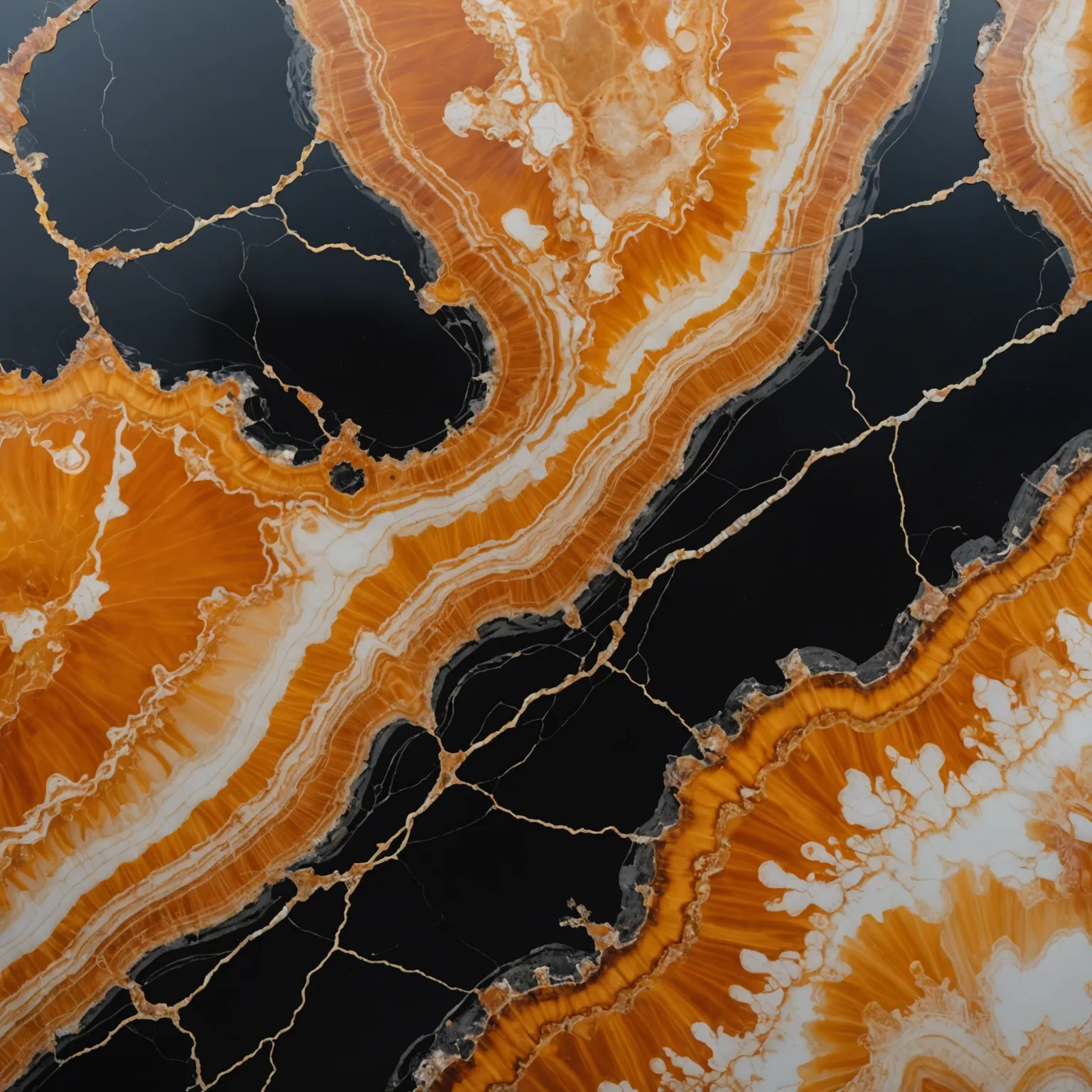
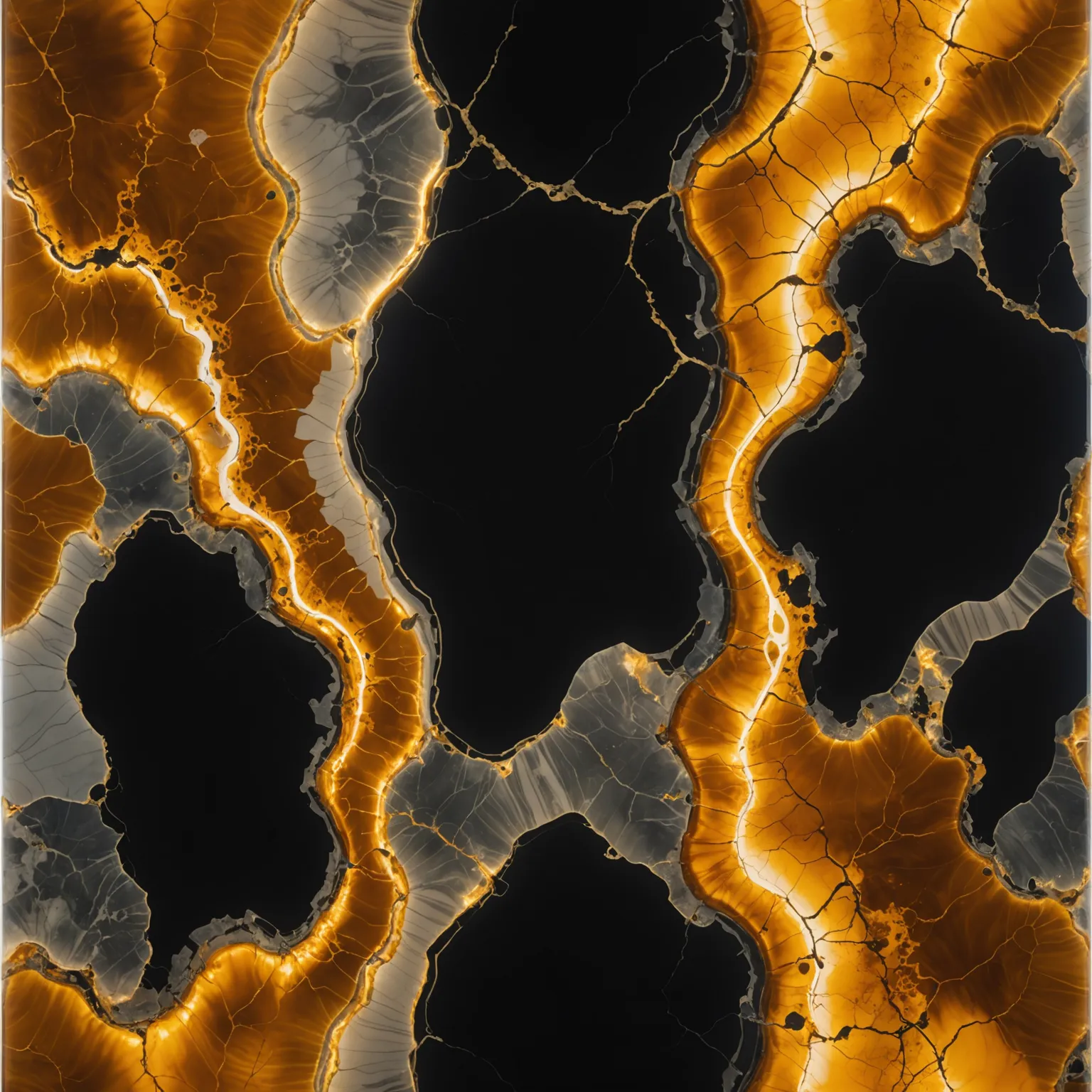
Onyx belongs to decorative varieties of natural stone and is known for its layered structure with pronounced veins. Unlike granite or marble, its pattern flows in waves rather than spots. This creates a sense of depth, especially on large surfaces.
Physically, onyx is dense but more demanding in processing. It requires careful thickness selection and precise fabrication. For this reason, onyx countertops are almost always made individually for a specific project.
The color range varies from milky white and honey tones to green, amber, and deep brown shades. In daylight the stone looks softer, while artificial lighting makes it richer and more dramatic. Designers actively use this feature.
In interiors, onyx pairs well with wood, brass, matte metals, and calm background materials. It does not overpower the space if it is allowed room to breathe and is not overloaded with details.
Light, translucency, and visual depth
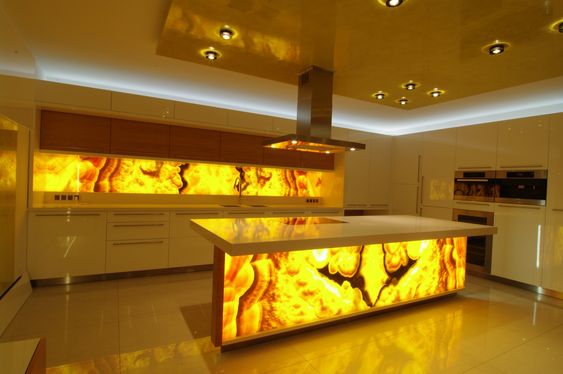
One of the key features of onyx is its ability to transmit light. With backlighting from below or along the edges, the countertop appears to glow from within. This effect is a natural property of the stone, not a decorative trick.
Backlighting highlights the veins, enhances layer contrast, and adds visual volume to the surface. In the evening, such a countertop can partially replace decorative lighting, creating a soft and atmospheric glow.
It is important to understand that lighting requires proper base preparation and even light distribution. Any mistakes become immediately visible, as onyx emphasizes imperfections rather than hiding them.
This is why illuminated onyx countertops are most often implemented in integrated projects where stone, furniture, and lighting are designed as a single system.
Workshop observation: with correctly designed lighting, onyx looks calm during the day and gains depth and expressiveness in the evening.
Practical use and daily performance
Despite its decorative nature, onyx is used in real kitchens. The stone tolerates temperature changes well if sudden thermal shocks are avoided. Hot cookware should still be placed on protective pads.
The surface requires protection with special sealers. These reduce absorption and protect the stone from everyday stains. The procedure is simple but should be done regularly.
Unlike stone veneer, onyx works as a solid material. This means the base must be strong and properly engineered to support the weight.
With careful use, the countertop maintains its appearance for many years. Minor scratches can be removed through polishing, while the natural pattern becomes even more expressive over time.
In projects with access to terraces or patios, onyx is sometimes visually combined with natural paving stone to create continuity between interior and exterior spaces.
In decorative zones, onyx countertops may be complemented by natural pebbles, especially in interiors with water features or winter gardens.
Design planning and slab selection
Work on an onyx countertop begins long before cutting the stone. At this stage, it is essential to understand where the countertop will be installed and what loads it will carry. A kitchen island, bar counter, and vanity all require different approaches.
Onyx is always selected by slab, not by catalog sample. The pattern cannot be replicated, so the client sees exactly how veins and color transitions will appear. This is crucial for large surfaces.
Design planning considers light direction, ceiling height, and surrounding materials. Stone can look very different in a showroom compared to a real interior. A good project adapts onyx to its environment.
Edge profiles, cutouts for sinks and appliances, and reinforcement zones are also defined at this stage. Mistakes here are costly, so careful planning is essential.
Fabrication and surface finishing
Cutting onyx requires attention to layer orientation. This affects not only appearance but also structural stability. Incorrect cutting can create internal stress within the stone.
After cutting, the surface undergoes multi-stage grinding and polishing. Onyx does not tolerate aggressive processing; excessive pressure can reduce visual depth. Experience matters more than machinery.
A protective sealer is then applied. It does not alter color but significantly reduces moisture absorption and simplifies maintenance.
Each countertop is individually inspected before installation to ensure correct geometry, edge quality, and uniform polishing.
Installation and base requirements
Installing an onyx countertop requires a rigid and level base. The stone is heavy, so cabinetry or support structures must be engineered in advance. This is especially important for kitchen islands.
Fixation must allow for natural movement. The stone should never be clamped tightly, as thermal expansion exists even in indoor environments. This directly affects durability.
After installation, levels and wall connections are checked. Even minor misalignment can lead to cracks over time.
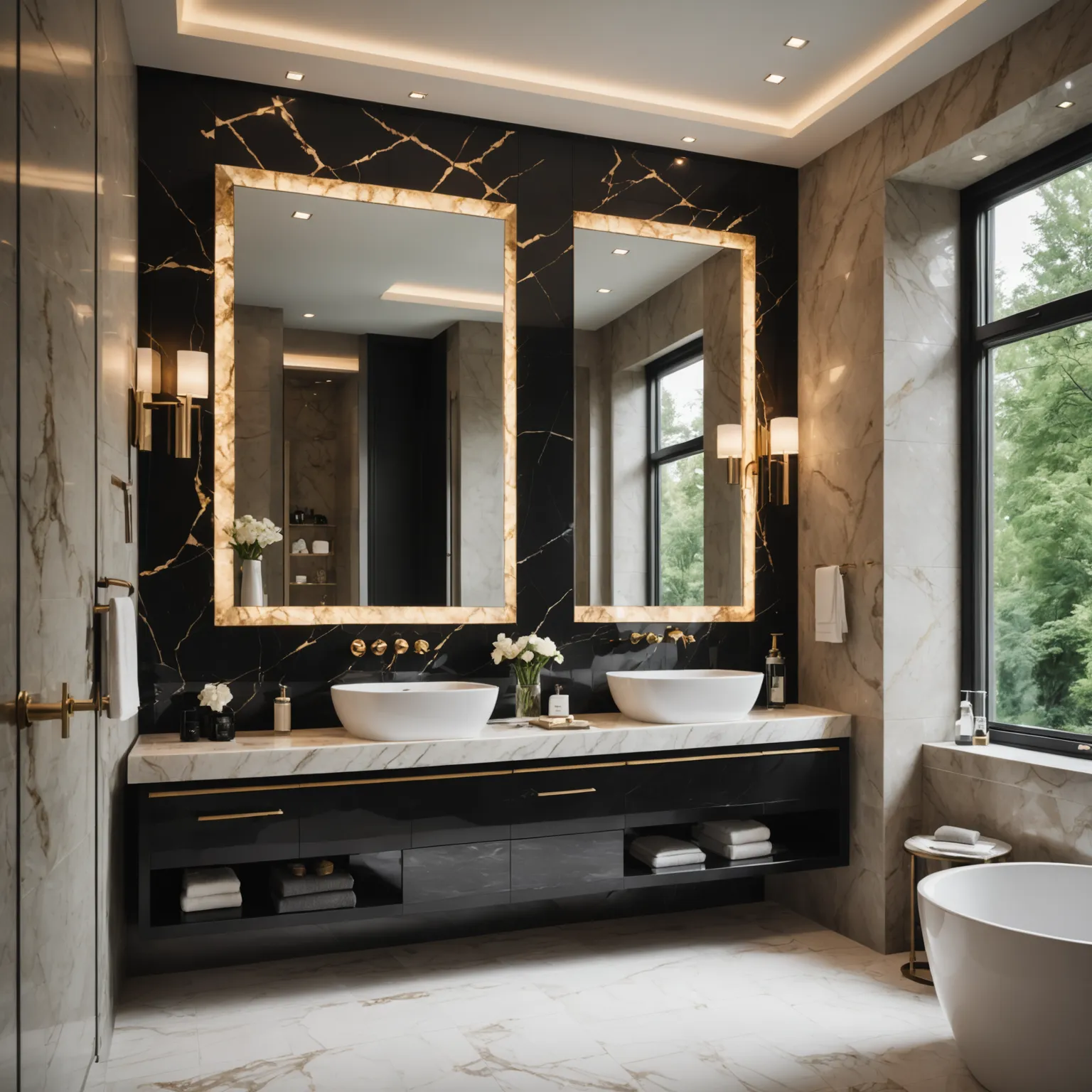
Practical advice: if backlighting is planned, it must be designed before fabrication. Modifying finished stone almost always leaves visible traces.
Comparison with other stone materials
When choosing a countertop, alternatives are often considered. Onyx offers superior visual impact but is less resistant to aggressive use than granite. This is not a flaw, but a characteristic.
Marble is similar in decorative appeal but lacks translucency. Quartz is more stable in daily use but has no natural uniqueness.
That is why onyx is chosen deliberately — not as a universal solution, but as an accent material that shapes the atmosphere.
For outdoor areas and high-load surfaces, other materials are usually preferred, leaving onyx as an interior highlight.
| Material | Visual impact | Durability | Backlighting |
|---|---|---|---|
| Onyx | Very high | Medium | Yes |
| Marble | High | Medium | No |
| Granite | Medium | High | No |
Real-world experience
In residential interiors, onyx is most often installed in areas where it is admired rather than heavily used. Bar counters, kitchen islands, and breakfast zones are ideal examples.
Over time, owners note that the stone becomes part of the space itself. Its texture stops feeling decorative and begins to shape the atmosphere.
With proper care, the surface does not lose color or clarity. Most signs of wear are easily addressed through periodic polishing.
In active households, onyx requires attention, but in return delivers an effect that artificial materials cannot replicate.
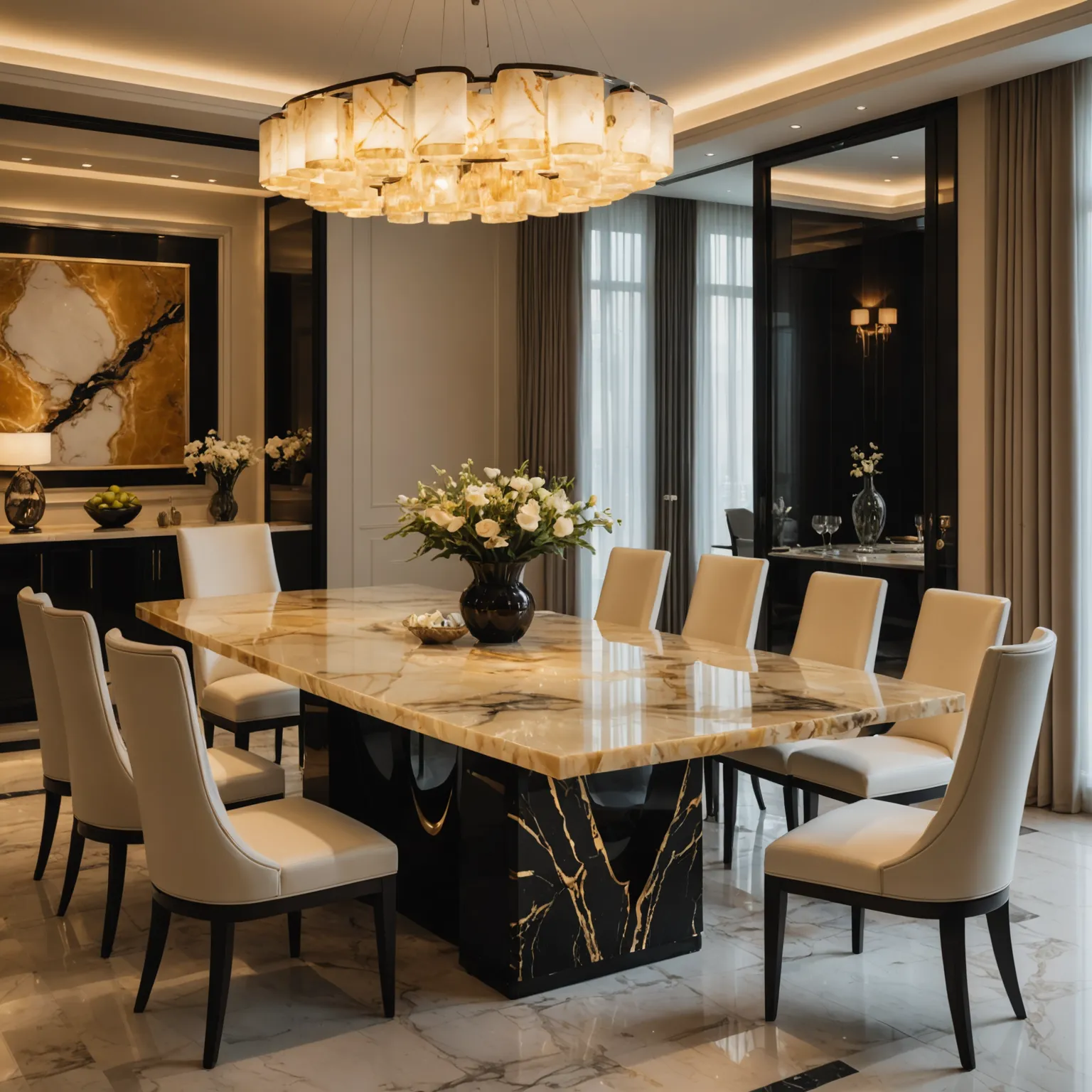
Mini case: in an apartment with panoramic windows, a light onyx countertop was installed on the kitchen island. In the evening, its backlighting effectively replaces decorative lighting.
Care and maintenance
Daily care for onyx is simple. A soft cloth and neutral cleaner are sufficient. Aggressive chemicals should be avoided.
Every few years, it is recommended to renew the protective sealer. This straightforward step significantly extends surface life.
If small scratches appear, they can be removed with localized polishing. Onyx responds well to restoration.
For care advice or project consultation, you can contact the showroom via contact details and receive recommendations tailored to your project.
Workshop insight: most damage to onyx surfaces is caused not by the stone itself, but by improper installation or lack of protection during the first months of use.
- Onyx is chosen as an accent material, not a universal one.
- Backlighting reveals the internal structure of the stone.
- Good design matters more than slab thickness.
- Regular maintenance preserves appearance.
FAQ
Is onyx suitable for a heavily used kitchen?
Onyx can be used in kitchens if its characteristics are understood. It is less resistant than granite, but with careful handling and proper sealing it performs well over many years.
How difficult is onyx countertop maintenance?
Maintenance is straightforward. Avoid acids and abrasives, clean regularly, and renew the protective sealer periodically to keep the surface in good condition.
Can backlighting be added after installation?
Technically yes, but it is rarely ideal. The best results are achieved when lighting is planned at the design stage.
How does onyx differ visually from marble?
Marble relies on contrast veining, while onyx offers translucency and depth. Under lighting, the difference becomes especially noticeable.
Can damaged onyx surfaces be restored?
In most cases, yes. Minor damage can be polished out, while deeper issues require professional assessment. Full replacement is rarely necessary.
How heavy is an onyx countertop?
Weight depends on thickness and size, but it is always significant. Properly engineered support is essential.
Where does onyx look best?
Onyx performs best on kitchen islands, bar counters, guest areas, and bathrooms where visual impact is prioritized.
How can I get professional consultation?
You can request consultation through the showroom or arrange delivery and logistics via delivery information to discuss your project in detail.