Kiev, ave. Lobanovsky, 14


 +3 80 (50) 433-01-01
 Video
Video 3D Tour
Slate in construction: facts and advantages of the material
Natural minerals are widely used in construction, decoration, and interior design. They are durable, long-lasting, and completely eco-friendly. Among them, slate stands out as one of the most popular choices — it is relatively affordable yet offers excellent technical characteristics. Below, we explore interesting facts about slate, its advantages, and its many applications.
Interesting Facts About Slate
Before you buy slate, it is worth learning about its features and unique benefits:
- Slate is a clay-based rock that naturally forms into thin plates over hundreds of years. It is easy to mine and process, and skilled craftsmen can shape it into various forms.
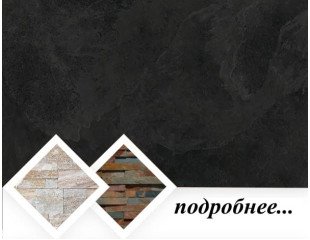
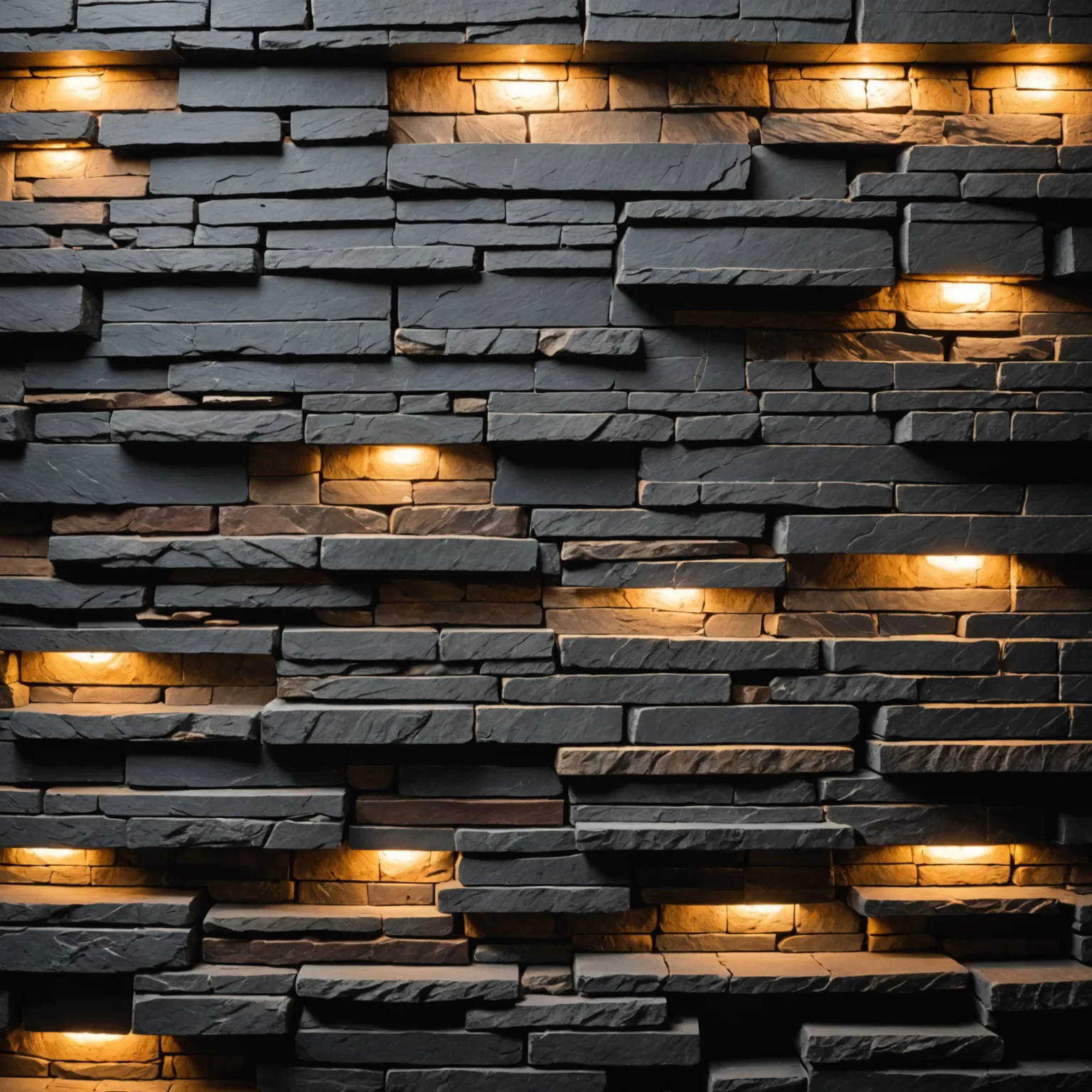
- The color of slate depends on the iron content within the rock. Shades range from light gray and silver to reddish tones, deep graphite, and black.
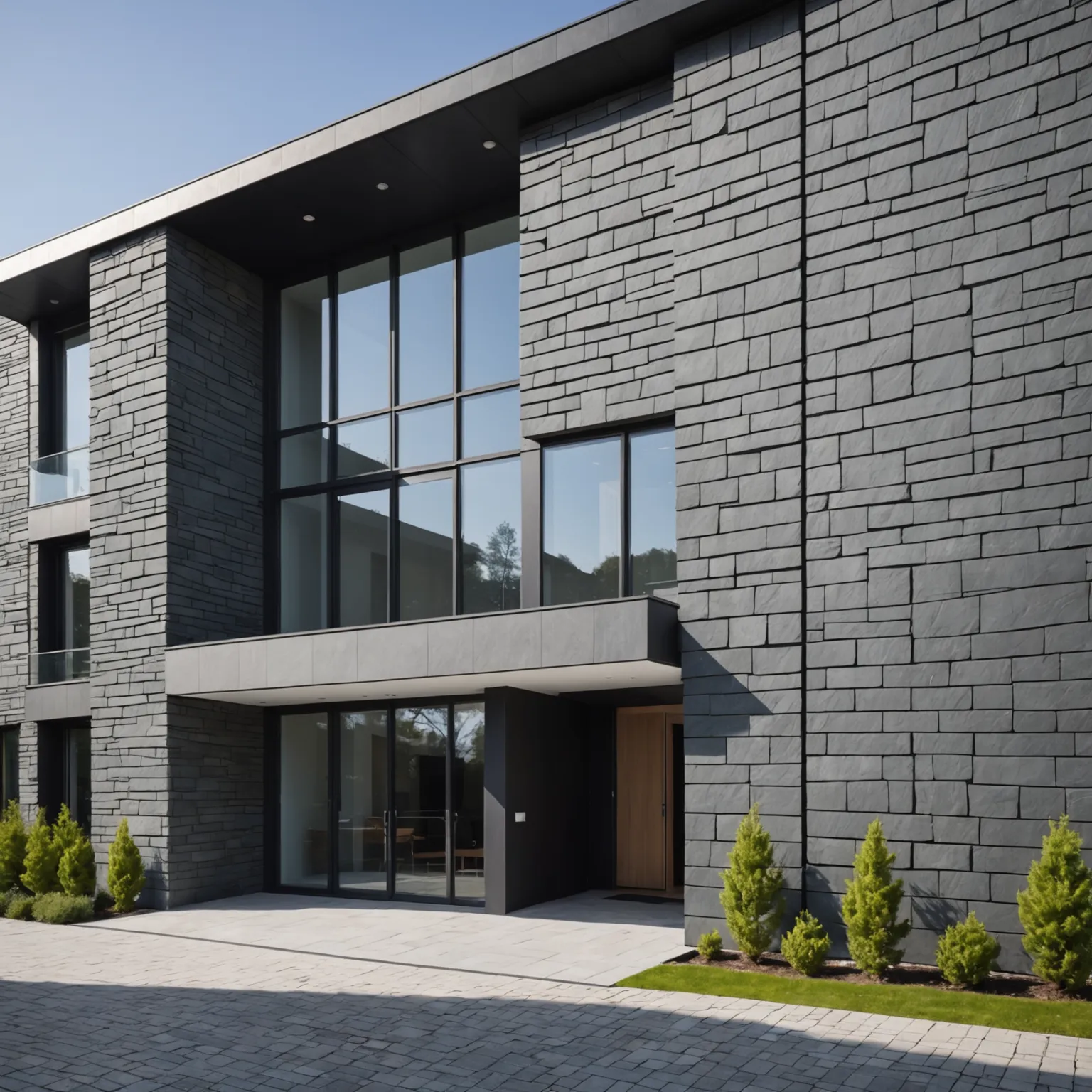
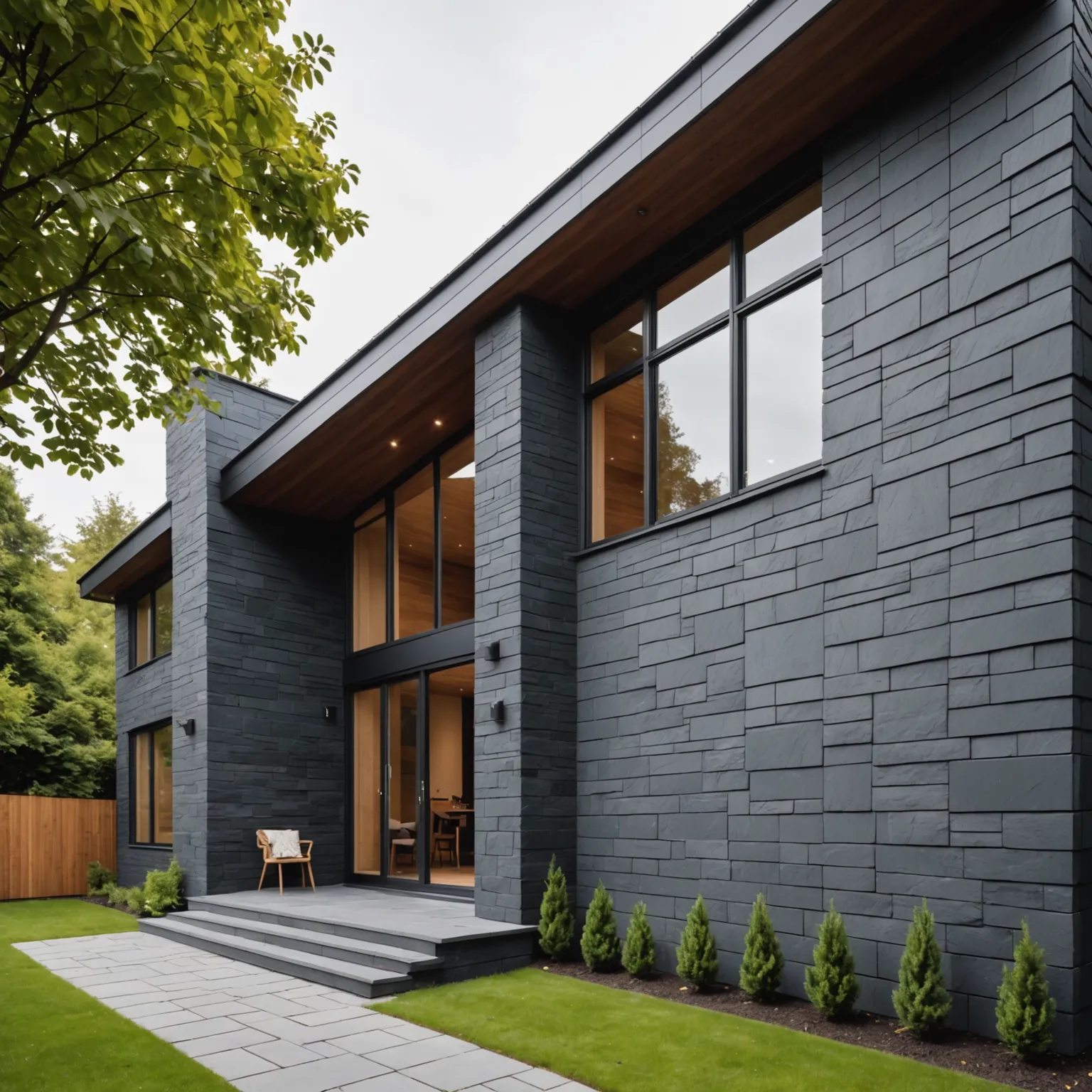
- Slate is traditionally used for roofing, giving buildings a distinctive and stylish look. However, it is also popular for cladding fireplaces, interior walls, and paving driveways or garden paths.
- This natural stone retains heat well, creating a warm and cozy environment indoors. Its heat-preserving qualities are even used for certain wellness and therapeutic purposes.
- Slate surfaces shine beautifully in sunlight, are easy to maintain, and resist staining — dust can be removed with a simple cloth.
- High-quality slate is found worldwide, but the finest deposits are located in the United Kingdom and Brazil.
Thanks to these qualities, slate is considered a versatile and reliable material for both exterior and interior projects.
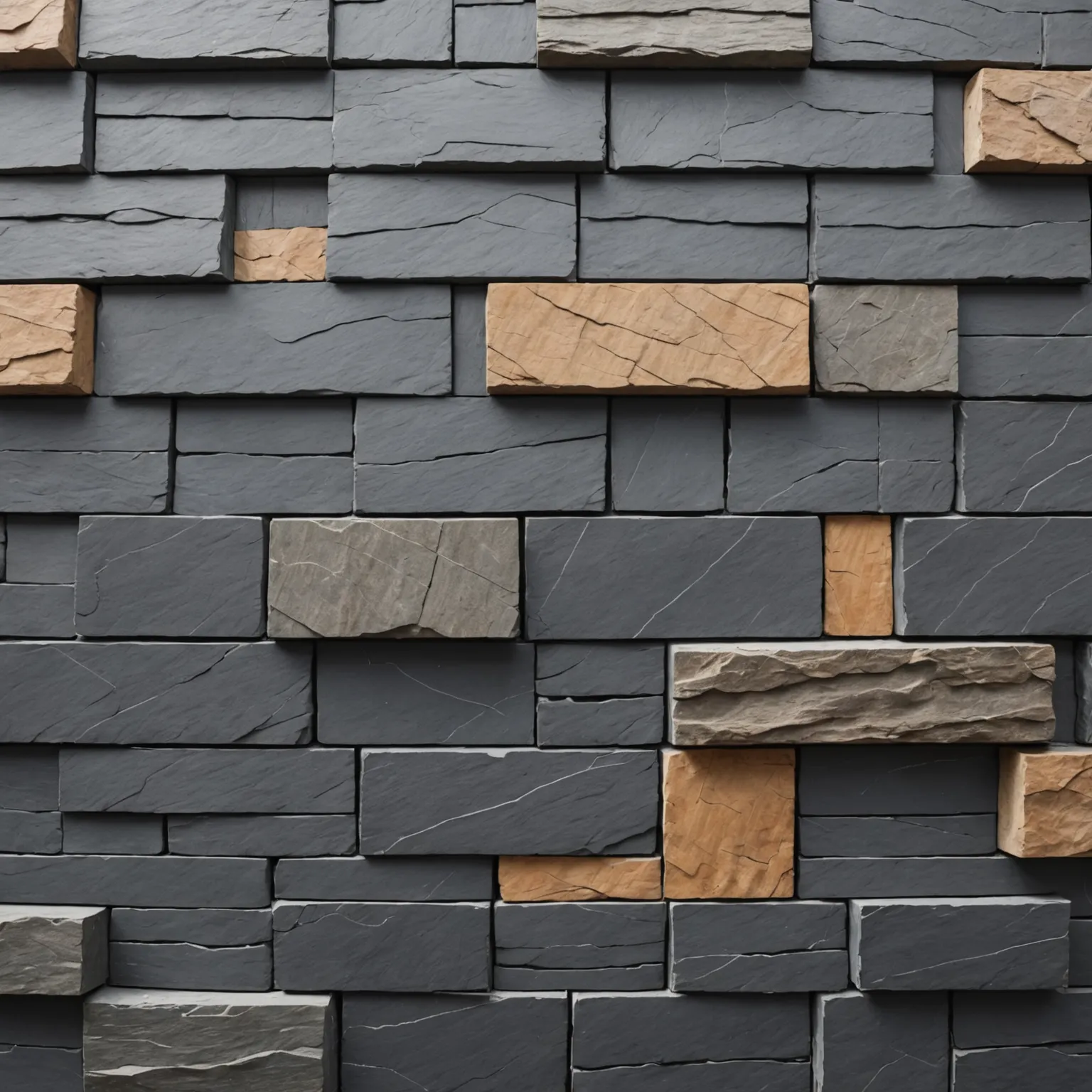
Advantages of Slate
Slate as a wall and facade material offers a wide range of benefits that make it popular among builders and designers:
- Rich assortment of colors and surface textures;
- Relatively low weight and easy installation;
- Flexibility in processing — cutting, shaping, and polishing;
- Durability, longevity, and resistance to mechanical damage;
- Excellent resistance to frost and UV radiation;
- 100% eco-friendly and safe for indoor use;
- Stylish and natural look that lasts for decades.
Another important advantage is its affordable cost compared to other natural stones. Slate can be ordered in any volume and adapted to both small-scale interior projects and large architectural facades. More inspiration and real-life examples can be found in the gallery of KievStone.
Applications of Slate
As a sedimentary rock transformed over time, slate is highly versatile and used in many industries:
- Roofing (slate tiles and shingles);
- Facade cladding for private and public buildings;
- Manufacture of chalkboards and writing surfaces;
- Interior wall decoration and accent panels;
- Fireplace cladding and heat-resistant finishes;
- Floor coverings, especially when combined with underfloor heating systems;
- Landscaping — paving garden paths, terraces, and driveways;
- Decorative fences, small sculptures, and garden features.
No matter how you use it — on facades, in interiors, or outdoors — slate adds elegance, durability, and natural beauty to any project. Premium-quality collections are available at the KievStone Design Center, where you can explore a wide range of options from Ukraine and Europe.
FAQ
What are the main advantages of using slate as a building material?
Slate is highly valued for its durability, versatility, and timeless appearance. Its layered structure makes it easy to split and process, which allows craftsmen to create roofing tiles, facade cladding, or decorative interior elements. Slate is resistant to frost, moisture, and UV exposure, so it maintains its appearance for decades without fading or crumbling. The material is also eco-friendly, containing no harmful additives, and it provides excellent thermal properties, keeping interiors warm in winter and cool in summer. These qualities make slate an ideal choice for both exterior and interior applications.
What colors and textures does slate come in?
Slate is available in a wide range of natural shades and surface finishes. Depending on the mineral content, especially the amount of iron, its colors can range from light gray and silver to reddish tones, graphite, and deep black. Some varieties also feature greenish or brownish hues, adding diversity to design projects. Slate often has a natural sheen that sparkles under sunlight, enhancing its visual appeal. Each slab has a unique texture and pattern, ensuring that no two installations look exactly alike. This variety allows architects and designers to select the perfect option for both classic and modern styles.
Where is slate most commonly used?
Slate is one of the most versatile natural stones and is widely used in construction and design. Its traditional application is roofing, where slate shingles give buildings a stylish and long-lasting finish. It is also popular for facade cladding, interior wall decoration, fireplace surrounds, and floor coverings, especially in combination with underfloor heating. In landscaping, slate is used for paving garden paths, creating terraces, or building small architectural features like fences and sculptures. Thanks to its strength and natural beauty, slate adapts well to projects of any scale, from private homes to large public buildings.
Where can I buy high-quality slate in Kyiv?
High-quality slate can be purchased at the KievStone Design Center. The showroom offers a wide range of collections from Ukraine and Europe, including facade stone and decorative materials for interiors. In the gallery section, you can explore real-life examples of how slate is used in facades, roofing, and landscaping. Consultants at KievStone provide professional advice on selecting the right stone for your project, as well as recommendations for installation and long-term care. This ensures you get both the beauty and functionality of slate for your architectural vision.