Kiev, ave. Lobanovsky, 14


 +3 80 (50) 433-01-01
 Video
Video 3D Tour
Use of natural stones in construction and design
Construction and finishing require the use of high-quality materials that combine durability, practicality, and aesthetics. Natural travertine has been used for centuries in architecture — from medieval castles and palaces to paving roads and decorating interiors. Today, this stone remains one of the most popular and prestigious choices for both exterior and interior applications.
Main Features of Travertine
Travertine forms in large layers that can be easily extracted and processed. Thanks to its relatively soft structure, the stone can be cut, polished, and shaped into tiles of different sizes. This flexibility makes it suitable for both massive architectural projects and elegant design details.
Types of Travertine
- Liquid travertine. A softer variety, often used for decorative elements and wall finishes inside buildings. Due to lower strength, it is not recommended for areas with heavy loads.
- Tile travertine. A stronger, more durable type used for flooring, facades, and driveways. It is resistant to frost and moisture, making it a great option for kitchens, bathrooms, and outdoor areas.
Color Palette
Travertine is available in a wide range of shades, which allows designers to choose the perfect solution for any style:
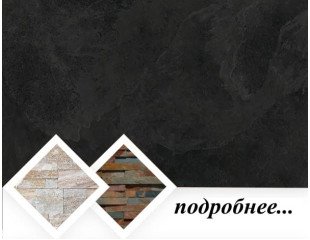
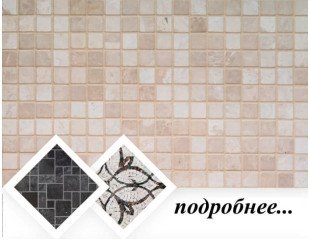
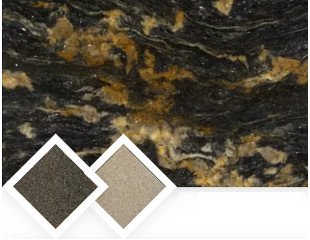
- Graphite and black — deep and noble tones that add elegance.
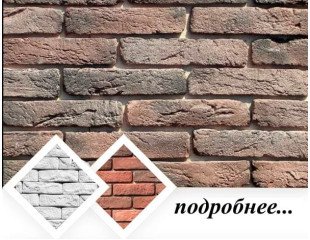
- Reddish hues — bright accents for unique design solutions.
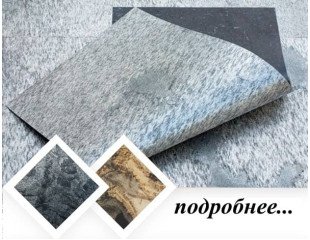
- Gray with green inclusions — ideal for exterior cladding.
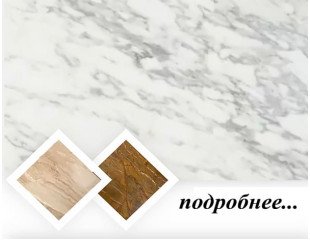
- Light silver — a cozy option that creates a warm atmosphere.
Technical Properties of Travertine
| Property | Description |
|---|---|
| Frost resistance | Does not crack or deform under low temperatures, suitable for outdoor use. |
| UV resistance | Retains its natural color and does not fade under the sun for decades. |
| Eco-friendliness | A natural stone free from harmful substances, completely safe for living spaces. |
Eco-friendliness
Travertine is a 100% natural and safe material. It does not emit any toxins or harmful vapors, which is why it can be confidently used in children’s rooms, kitchens, and residential interiors where health and safety are priorities.
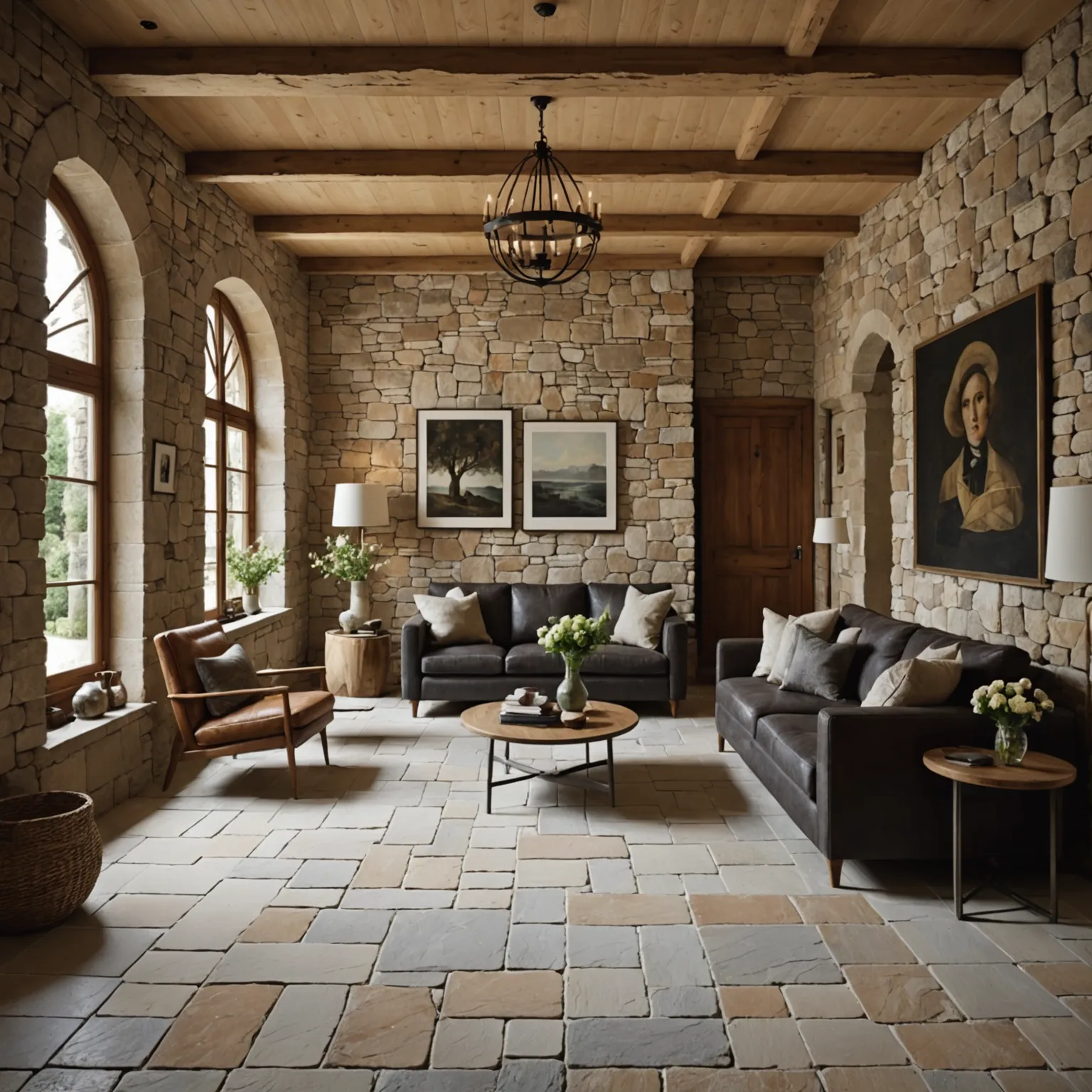
How to Choose the Right Travertine
To ensure the stone serves long and looks aesthetically pleasing, it is important to consider several factors:
Purpose
For decorative elements, softer travertine may be used, while for facades and flooring, tile-type travertine is recommended due to its higher strength.
Size and Shape
Travertine slabs can be cut to the required dimensions for specific projects. At the KievStone Design Center, you can order custom processing to match your design needs.
Color Scheme
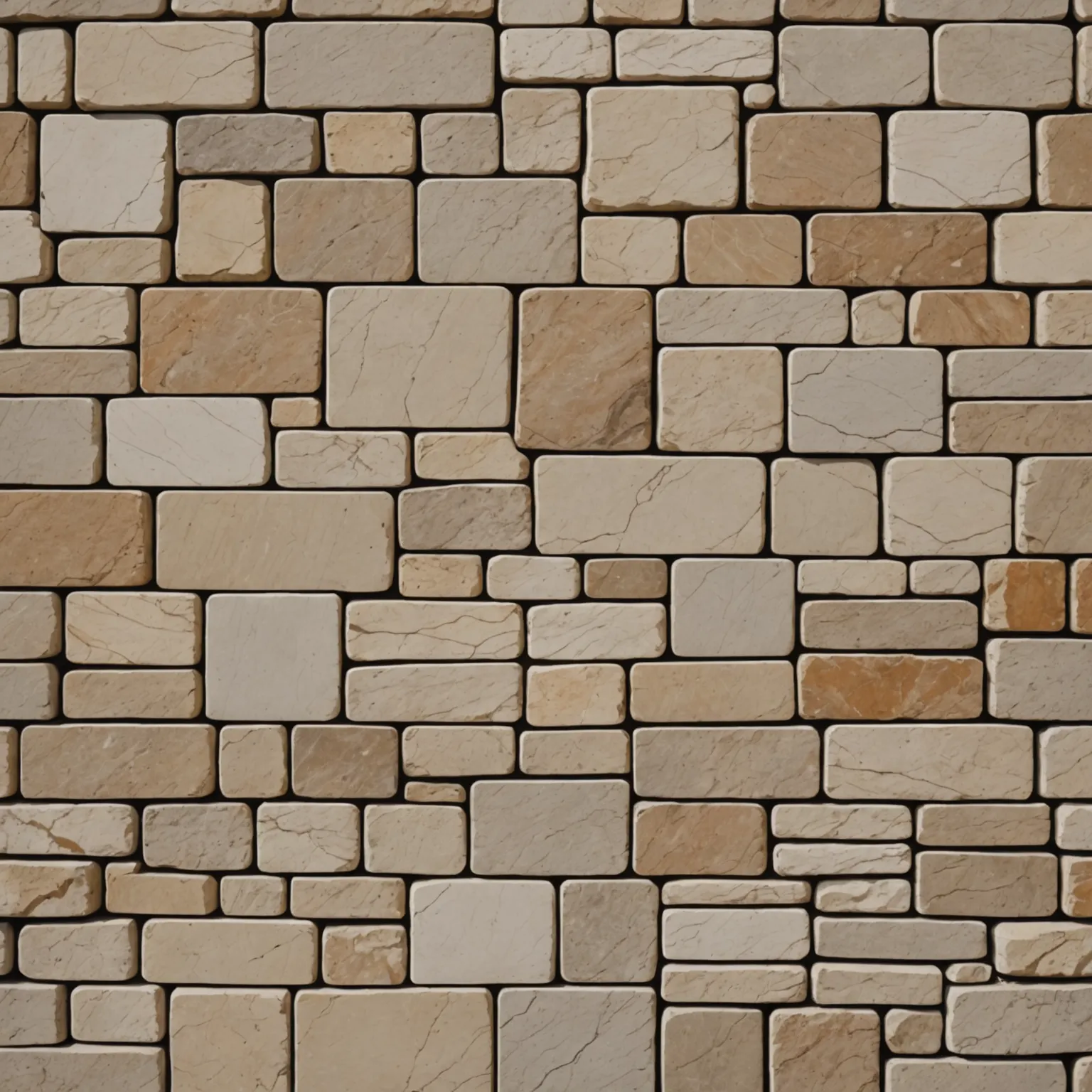
The chosen shade should harmonize with walls, furniture, and the overall design palette. The variety of natural tones makes it easy to find the perfect option for both modern and classic interiors.
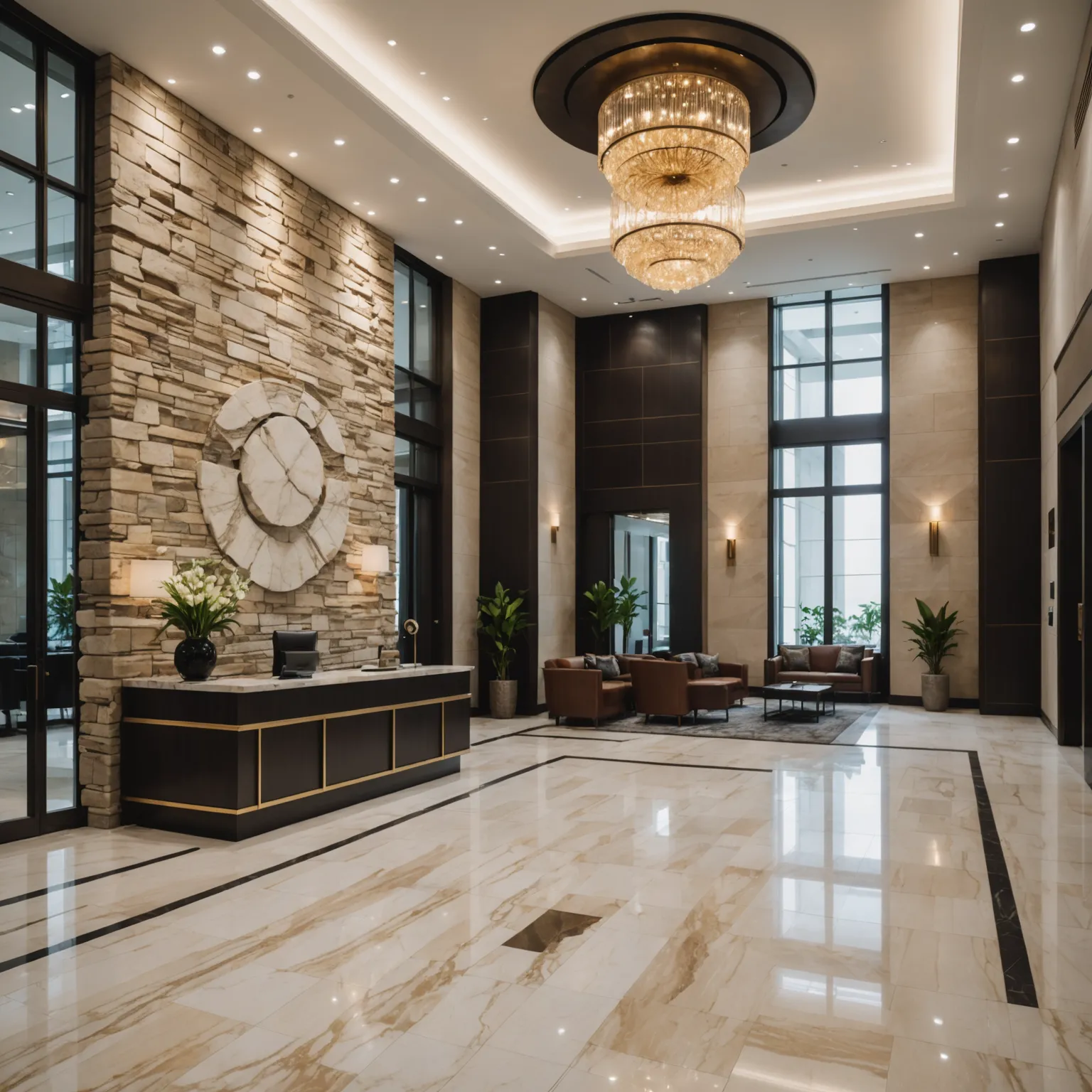
Advantages of Travertine
- Easy processing and high plasticity.
- Universal use: facades, floors, decorative elements.
- Rich variety of shades and textures.
- Moisture, frost, and UV resistance.
- Natural eco-friendly stone, safe for people and the environment.
Thanks to these features, travertine is among the top choices for construction and design. You can see real projects in the gallery and place an order through the contacts page of KievStone.
FAQ
How is travertine different from marble and granite?
Travertine is a natural stone that stands between limestone and marble in terms of formation and properties. Unlike marble, it is lighter and more porous, which gives it excellent sound and thermal insulation. Compared to granite, travertine is softer and easier to process, making it suitable for decorative work and complex architectural elements. While granite is valued for hardness, travertine is appreciated for its unique texture and wide color palette — from light beige and silver tones to deep graphite and reddish shades. This combination of aesthetics and practicality makes travertine a versatile choice for both facades and interiors.
How long can a travertine facade last?
A properly installed travertine facade can last for decades without losing its natural beauty. Travertine is frost-resistant and withstands temperature fluctuations, so it does not crack or deform in winter. It is also UV-resistant, meaning it does not fade under the sun and retains its rich color for many years. In fact, some famous historical monuments, like the Colosseum in Rome, are made of travertine and still preserve their structure after centuries. To maximize durability, professional installation and quality adhesives are recommended, as well as regular light maintenance such as washing with water and neutral cleaners.
Where can travertine be used apart from facades?
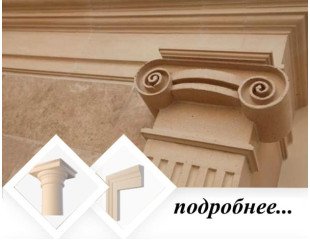
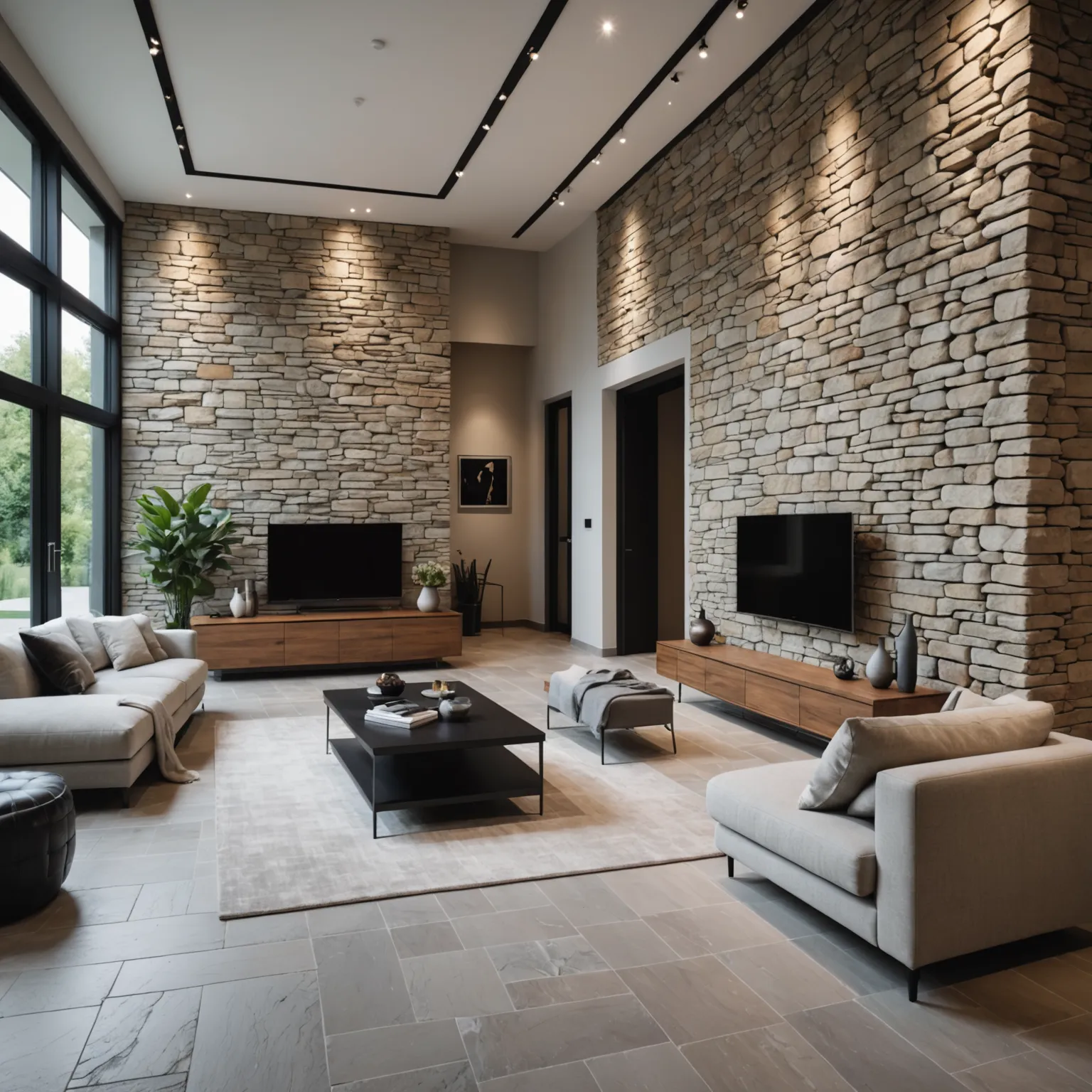
Travertine is a highly versatile stone that can be used both indoors and outdoors. Indoors, it is suitable for flooring, wall cladding, fireplaces, bathrooms, and staircases. Thanks to its moisture resistance, it works perfectly in kitchens and spa areas. Outdoors, it is used for pathways, terraces, garden decoration, and swimming pool areas. Travertine’s warm texture and variety of shades allow it to blend with wood, metal, and glass, making it ideal for modern design concepts. In addition, its plasticity makes it a popular choice for creating architectural details like cornices, columns, and balustrades.
Where can I buy high-quality travertine in Kyiv?
You can purchase natural travertine at the KievStone Design Center. The showroom offers more than 100 collections of travertine in different colors and textures, sourced from Ukraine, Italy, Turkey, and Greece. In the gallery section, you can view real-life examples of facades, interiors, and landscape projects using travertine. The company’s experts provide professional advice on selecting the right stone and give recommendations on installation and maintenance. Orders can be placed directly through the contacts page, making it easy to bring elegance and natural beauty to your project.