Kiev, ave. Lobanovsky, 14


 +3 80 (50) 433-01-01
 Video
Video 3D Tour
What is Travertine?
When homeowners start comparing natural stone options for façades, terraces, or interior floors, one common question appears: what is travertine and how is it different from marble or granite? At first glance, it is a light-colored stone with soft beige and cream tones, visible pores, and a layered texture. But beyond appearance, the real concern is performance. How will it behave in rain, frost, heat, and everyday use?
Travertine is a natural limestone formed by mineral deposits from thermal springs. Over time, calcium carbonate builds up in layers, creating the characteristic voids and linear patterns inside the stone. These pores are not defects. They are part of the stone’s identity and directly influence how it feels, looks, and performs.
For a property owner, the decision is practical. Will the material still look consistent after years of exposure? Can it be maintained without complex treatments? Travertine stands out because it combines natural texture, moderate weight, and the ability to be restored locally if needed.
What is travertine?: choosing natural stone often becomes difficult due to differences in density, maintenance, and climate resistance. Travertine offers a balance between visual warmth and structural practicality for façades, floors, and entrance areas. The homeowner gains a material that can be sealed for moisture control, repaired locally, and integrated into both classic and modern architectural styles.
Natural origin and internal structure of travertine
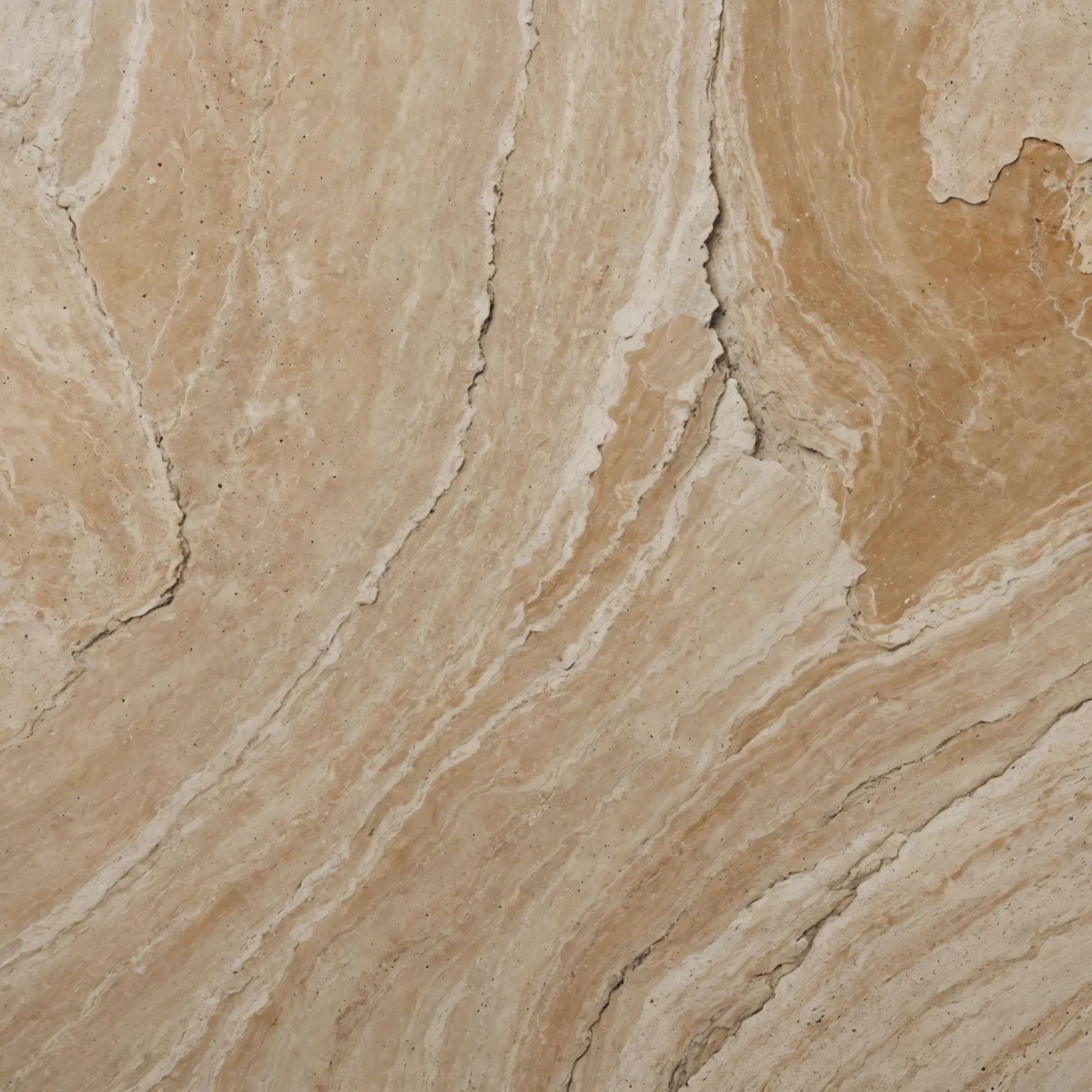
Travertine forms when mineral-rich water deposits layers of calcium carbonate. As the water evaporates, small cavities remain inside the stone. These pores vary in size and distribution, creating a distinctive pattern. No two slabs look exactly the same.
In manufacturing, some of these pores are filled with resin or cement-based compounds to create a smoother finish. Filled travertine offers a more uniform surface while preserving the original character. Unfilled options highlight the raw texture and are often chosen for decorative façades. The choice depends on the intended application.
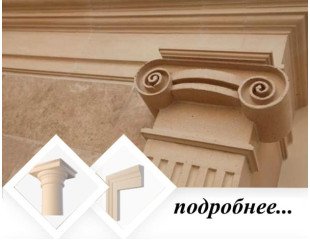
Compared to granite, travertine is lighter and easier to cut. This simplifies processing for architectural elements such as cornices, window trims, and stair treads. Installers often prefer it for projects requiring precise shaping. The stone responds well to mechanical finishing.
After rainfall, the color deepens and the veins become more pronounced. Under direct sunlight, the surface appears matte and warm. This subtle shift in appearance gives buildings a natural dynamic quality throughout the year.
Where travertine is used in residential construction
Travertine is widely used for exterior cladding in private homes. It pairs well with dark roofing, glass panels, and metal details. Light tones visually soften large wall surfaces and create a balanced architectural look. The façade feels solid but not heavy.
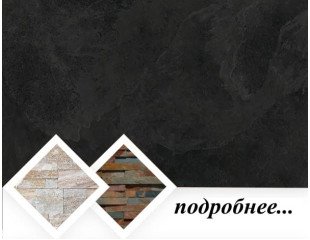
In landscape design, travertine slabs are often combined with materials such as decorative pebbles to create contrast in texture. Pebbles provide a natural transition between lawn areas and paved surfaces, while travertine establishes clear geometry. This combination looks structured yet organic.
Inside the house, travertine is used for flooring, staircases, and fireplace surrounds. Walking barefoot on it feels different from granite. The surface is firm but not excessively cold. In open-plan spaces, its neutral tones help create visual continuity.
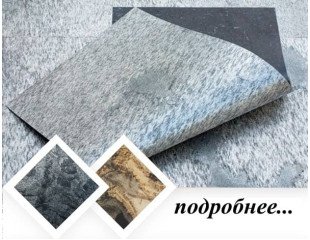
For curved surfaces or lightweight decorative solutions, travertine aesthetics can be complemented by materials like flexible stone veneer. This allows designers to maintain a natural stone appearance even where full-thickness slabs are not practical.
Surface finishes and their impact on performance
The final look of travertine depends heavily on surface treatment. Honed finishes create a smooth matte appearance suitable for interiors and façades. Polished surfaces reflect more light but are less common outdoors due to potential slipperiness. The finish must match the functional zone.
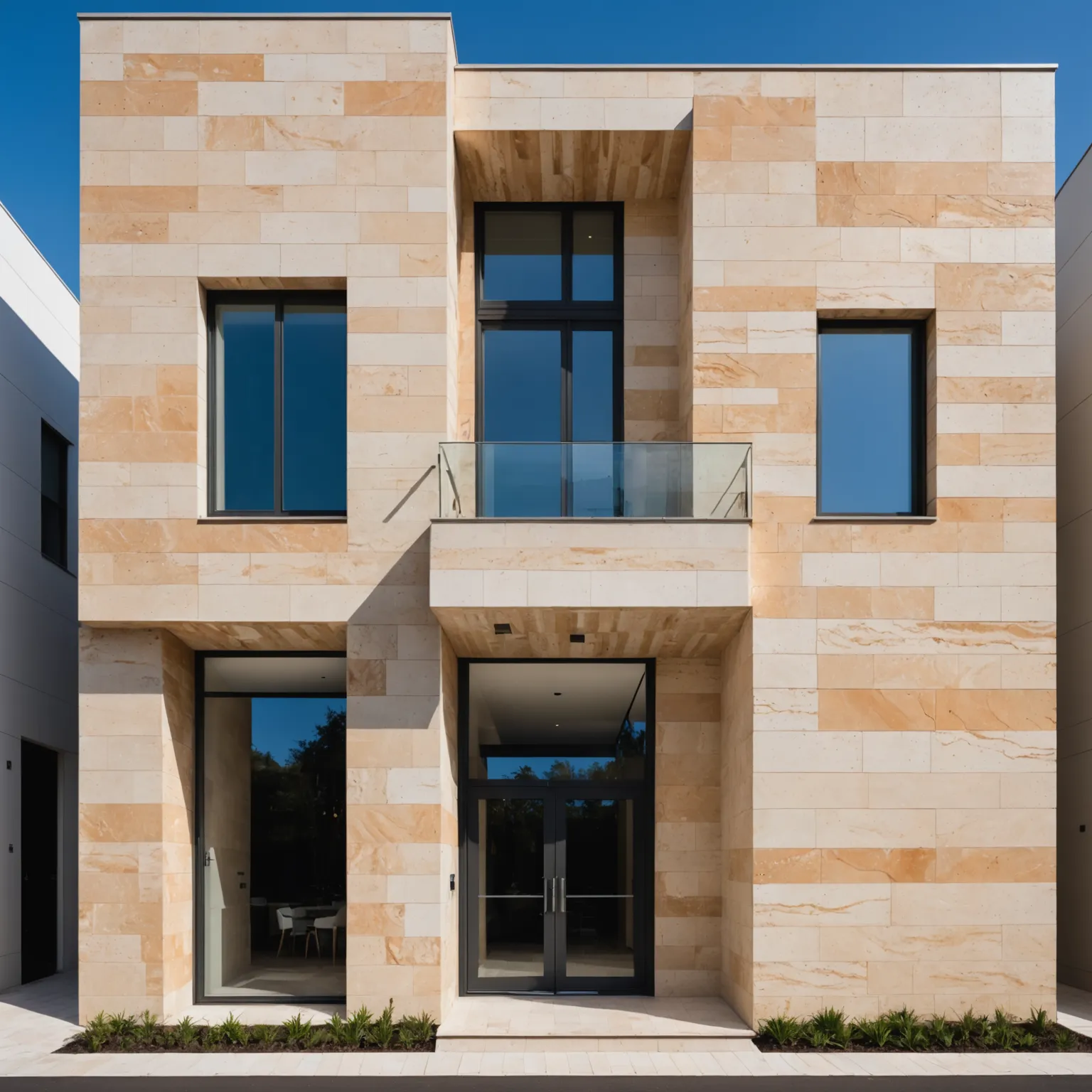
Brushed or tumbled finishes provide a slightly textured surface. This improves slip resistance, especially on stairs and entrance areas. In rainy weather, textured finishes offer better grip under footwear. They also give the stone a more natural, aged character.
Sandblasted finishes increase surface roughness further. Water drains more easily, reducing surface film formation. This makes them suitable for terraces and pool surroundings. Climate and usage intensity should guide the selection.
Stone installers often point out that the same travertine slab can feel like two different materials depending on the finish. Choosing the right surface treatment is as important as selecting the color itself.
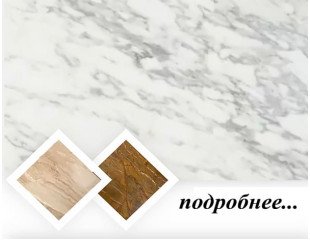
In high-end interiors, travertine is sometimes paired with elements made from marble products to create contrast between dense veining and porous texture. Marble introduces sharper patterns, while travertine adds warmth and subtle depth. Together, they form a balanced natural composition.
Beyond aesthetics, travertine is selected for how it performs over time. The stone does not develop uneven discoloration under sunlight, and its natural tonal variation helps mask minor dust accumulation. On exterior walls near roads or gardens, this makes maintenance less demanding. Indoors, the material responds differently to artificial lighting, with veins becoming softer and more integrated into the overall design.
Advantages and practical limitations
One of the main strengths of travertine is its balance between strength and workability. It is durable enough for façades, staircases, and flooring, yet easier to process than granite. This often reduces installation complexity and allows for more detailed architectural solutions. Precision cutting is achievable without excessive tool wear.
At the same time, travertine is a limestone-based material and reacts to acidic substances. Harsh cleaning agents can etch the surface if used improperly. In residential settings, this is manageable with neutral pH cleaners. Understanding this characteristic prevents unnecessary damage.
The porous structure requires sealing in outdoor applications. A high-quality impregnating sealer reduces water absorption and helps protect against staining. With periodic maintenance, the surface remains stable and visually consistent. Neglecting sealing, however, may shorten its service life in exposed areas.
Another advantage is repairability. Minor chips or scratches can often be refinished locally without replacing the entire slab. This is particularly useful in entrance zones where foot traffic is higher. Long-term maintenance costs can therefore remain controlled.
Travertine on façades: climate considerations
In moderate climates, travertine performs reliably when installed according to technical standards. Proper substrate preparation and adhesive selection are essential. Movement joints must be respected to accommodate thermal expansion. These technical details determine longevity.
Freeze-thaw cycles require attention to water management. If moisture accumulates beneath the slabs, structural stress may occur. A correctly designed drainage system and professional installation reduce these risks. Climate suitability depends more on installation quality than on the stone itself.
Under strong sunlight, travertine does not overheat excessively compared to darker stones. This makes it comfortable for entrance areas and terraces. The surface retains a balanced thermal response. It contributes to a stable microclimate around the building envelope.
For project-specific guidance on thickness, format, and mounting systems, property owners can use the contact information to discuss technical parameters before ordering materials.
Travertine flooring and staircases
Inside residential interiors, travertine creates a calm and cohesive base. It does not produce an overly reflective surface, which helps avoid visual fatigue. The stone subtly diffuses light, especially in open spaces. This characteristic makes it suitable for living rooms and hallways.
For staircases, selecting the correct thickness and finish is critical. Textured finishes increase traction and improve safety. Edge profiling helps reduce the risk of chipping over time. Structural support beneath the treads must be stable and even.
Compatibility with underfloor heating
Travertine conducts heat efficiently and distributes it evenly. When installed over underfloor heating systems, it provides a comfortable walking surface. Thermal expansion is manageable when installation standards are followed. Proper adhesive selection remains important.
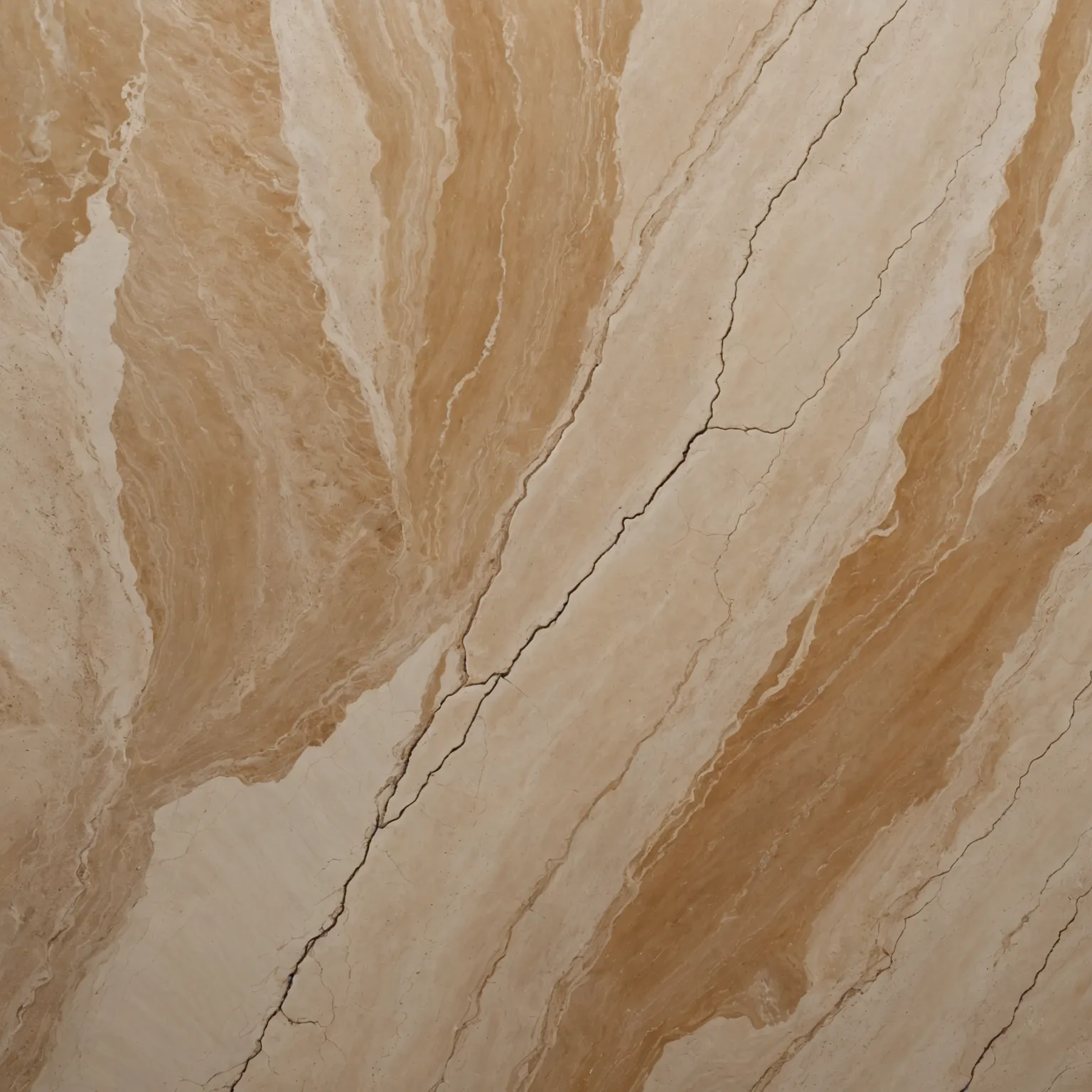
The substrate must be level and structurally sound. Uneven bases can create stress points within the slab. Professional installation minimizes such risks. Careful preparation ensures durability.
Routine maintenance involves dry cleaning and mild detergents. Over time, travertine develops a subtle patina. This aging process often enhances its natural character rather than diminishing it.
Comparison with granite and marble
Granite is denser and generally more resistant to extreme mechanical stress. Marble offers pronounced veining and refined aesthetics but may require careful maintenance. Each material serves specific design intentions. Selection depends on functional and visual priorities.
Travertine occupies a middle position between these two stones. It is easier to shape than granite and typically less demanding than certain marble varieties. Its porous texture provides visual softness. This makes it especially suitable for residential architecture.
| Parameter | Travertine | Granite | Marble |
|---|---|---|---|
| Density | Medium | High | Medium |
| Processing | Easier to cut and shape | Harder to machine | Requires precision handling |
| Moisture behavior | Requires sealing | Highly resistant | Varies by type |
Such a comparison clarifies realistic expectations. The most expensive stone is not always the most appropriate one. Function, climate, and maintenance approach must be considered together.
Practical tip: before final approval, place a sample slab outdoors for several days. Observing how the color changes after rain and under sunlight provides a realistic understanding of its behavior in your environment.
Maintenance and service life
Regular dry cleaning and occasional damp wiping are usually sufficient. Neutral detergents prevent surface damage. Periodic resealing extends durability, especially outdoors. Maintenance intervals depend on exposure conditions.
If stains occur, immediate treatment reduces absorption risk. Specialized stone-safe cleaners should be used. With correct care, travertine installations can last for decades. Longevity depends largely on installation quality.
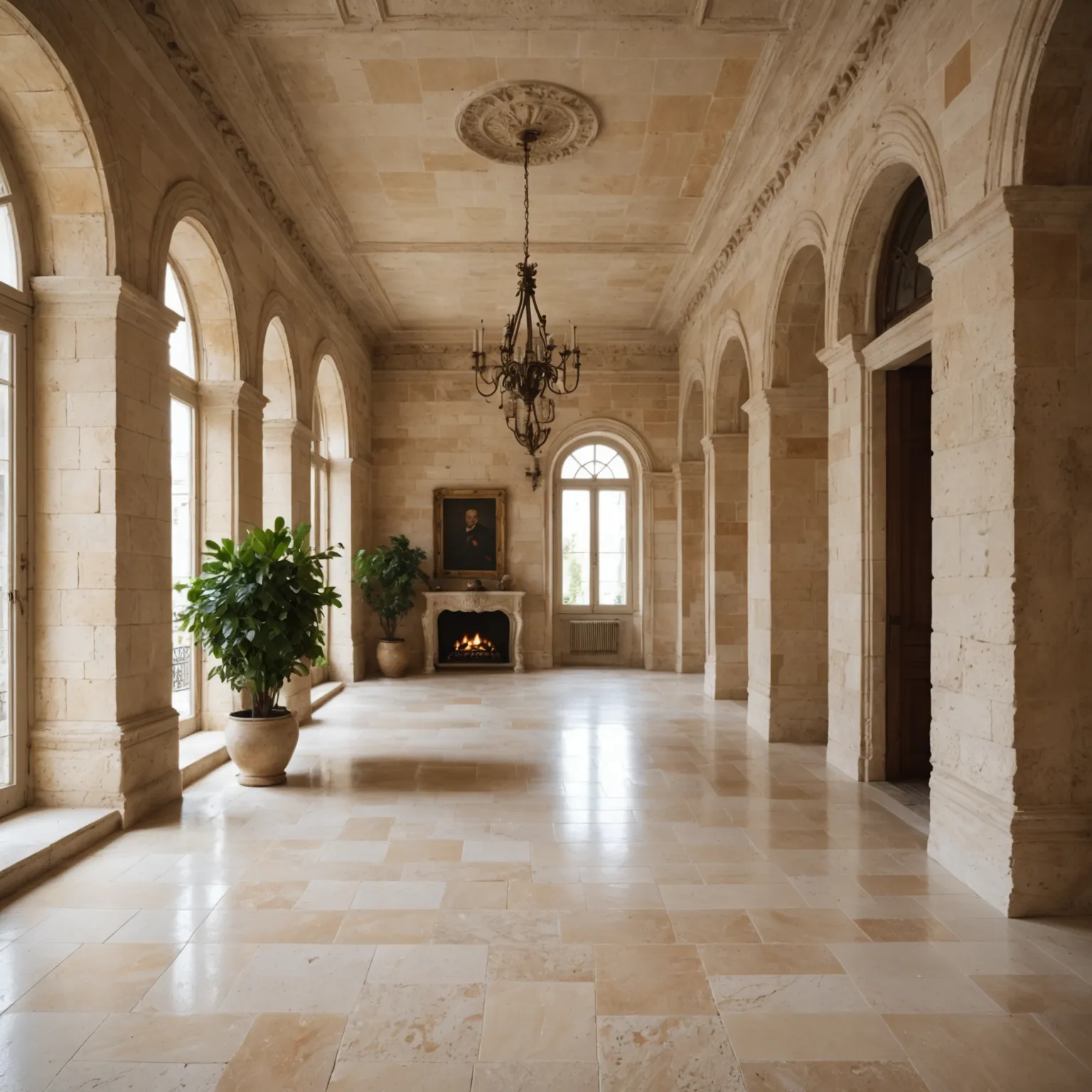
Individual slabs can be replaced if necessary without dismantling entire surfaces. This localized repair capability is valuable in high-traffic zones. Planning proper delivery conditions also matters, which is why reviewing delivery terms before purchase helps avoid logistical issues.
Mini-case: in a private residential project, a travertine entrance staircase has been in use for over ten years. Only protective sealing was renewed periodically, while the slabs themselves retained structural integrity and consistent color.
- Travertine is a porous limestone formed by mineral deposits from thermal springs.
- It balances visual warmth with manageable structural performance.
- Sealing is essential for outdoor applications.
- Localized repairs are possible without full surface replacement.
FAQ
Is travertine suitable for cold climates?
Yes, provided it is properly sealed and installed with attention to drainage and expansion joints. On one hand, its porous structure requires protection against water penetration. On the other hand, when sealed and correctly mounted, it tolerates freeze-thaw cycles effectively in residential environments.
Does travertine become slippery when wet?
The level of slip resistance depends on the finish. Polished surfaces may become slippery outdoors. Brushed or sandblasted finishes provide improved traction. For stairs and terraces, textured options are generally recommended for safety.
Can travertine be used in bathrooms?
Yes, travertine can be used in bathrooms when properly sealed. It handles normal humidity well but should not be exposed to acidic cleaners. With regular maintenance and protective treatment, it remains visually stable and durable in wet interior areas.
How does travertine differ from marble?
Marble typically has a denser structure and more pronounced veining. Travertine features visible pores and a softer visual texture. On one side, marble can appear more dramatic. On the other, travertine provides a warmer, more natural appearance and is often easier to process during installation.
Does travertine require special maintenance?
Maintenance is straightforward: regular dust removal and cleaning with neutral detergents. Acid-based products should be avoided. Periodic resealing is recommended for exterior installations. With consistent care, the material maintains its structural and visual integrity over time.
Can damaged areas be repaired?
Minor chips or surface scratches can often be refinished locally. Individual slabs may be replaced without dismantling entire sections. This repair flexibility makes travertine a practical option for high-traffic residential areas.
How can I calculate the project cost?
The final cost depends on slab thickness, surface finish, project size, and installation complexity. Providing measurements and design preferences helps generate a precise estimate. For consultation and technical clarification, you can contact +380(50)433-01-01 to discuss details directly with specialists.
Is travertine suitable for commercial spaces?
Yes, provided appropriate thickness and finish are selected. In high-traffic areas, textured finishes and reinforced substrates are recommended. When installed correctly and maintained regularly, travertine maintains a professional appearance even under continuous use.