Kiev, ave. Lobanovsky, 14


 +3 80 (50) 433-01-01
 Video
Video 3D Tour
Facing stones
Cladding stone is a versatile material that can completely transform the character of a façade or interior — from a sleek modern look to a textured “stone wall” effect. Unlike thin decorative finishes, natural stone not only enhances aesthetics but also protects structures, stabilizes the indoor climate, and adds value to a property. In the KievStone catalog, you can find a wide selection of formats, textures, and shades for residential, commercial, and landscape projects.
What is cladding stone and why is it popular
Cladding stone comes in slabs, tiles, panels, or veneer made from natural rocks such as granite, marble, slate, and travertine, or from advanced composites. It is applied to façades, plinths, terraces, staircases, fireplaces, and even wet areas. Its main appeal lies in the combination of durability and unique texture. When installed correctly, stone cladding lasts for decades while retaining its natural beauty.
Main types of cladding stone
Granite: strength and durability
Granite’s crystalline structure ensures maximum strength, low water absorption, and excellent resistance to wear. It is commonly used for plinths, staircases, and high-traffic areas. The color range includes everything from light gray to deep graphite and pinkish hues.
Travertine: warm texture
This porous stone has characteristic cavities that create a warm, Mediterranean aesthetic. Once polished and filled, travertine produces a smooth, inviting surface ideal for façades and fireplaces. Explore more in the façade stone section.
Slate: expressive relief
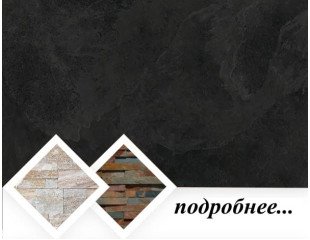
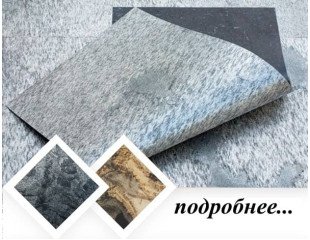
Slate’s layered texture creates striking light and shadow effects. Thin panels and tiles are excellent for niches, columns, and accent walls. A lightweight option is slate veneer, which combines a natural stone face with a flexible backing.
Artificial stone: flexibility and economy
Modern composites replicate the look of natural stone while being lighter and easier to install. They are often chosen for interior accents, decorative niches, or projects where reduced load and fast installation are important.
Key advantages of natural stone
- Longevity. Natural stone resists UV, moisture, frost, and mechanical stress, serving reliably for decades.
- Unique look. Each slab has its own color and pattern, ensuring every project feels distinctive and exclusive.
- Thermal mass. Stone absorbs heat during the day and releases it at night, improving indoor comfort and energy efficiency.
- Eco-friendliness. Natural material emits no harmful substances and is easy to clean and maintain.
A stone façade works not only as a protective layer but also as a thermal buffer, extending the life of a building and improving energy efficiency.
Where stone cladding works best
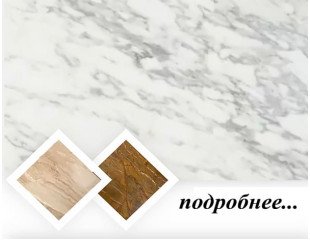
On external façades in the form of slabs or panels, on plinths for impact resistance, indoors on staircases, lobbies, and fireplaces, and in landscaping for retaining walls, paving, and garden zones. For wet areas and floors, marble tiles with anti-slip finishes are a preferred choice.
How to choose the right option
Consider usage conditions: frost resistance and low water absorption for exterior applications, anti-slip properties for floors. Large-format slabs provide a calm, monolithic look, while smaller tiles create rhythm and texture. Always take into account the load-bearing capacity of the base and the type of fixing — adhesive, mechanical, or combined.
| Parameter | Granite | Travertine | Slate | Artificial |
|---|---|---|---|---|
| Strength | Very high | Medium | Medium | Medium |
| Water resistance | Excellent | Good | Good | Good |
| Weight | High | Medium | Medium | Low |
Installation and care
Exterior applications require a solid, waterproofed base. Heavy slabs are mounted with mechanical or combined systems, while adhesive fixing is acceptable indoors. Joints should be filled with frost- and water-resistant compounds. For care, use mild cleaning agents; marble and travertine should not be exposed to acids. Slate and travertine benefit from hydrophobic treatments that reduce water absorption and enhance color.
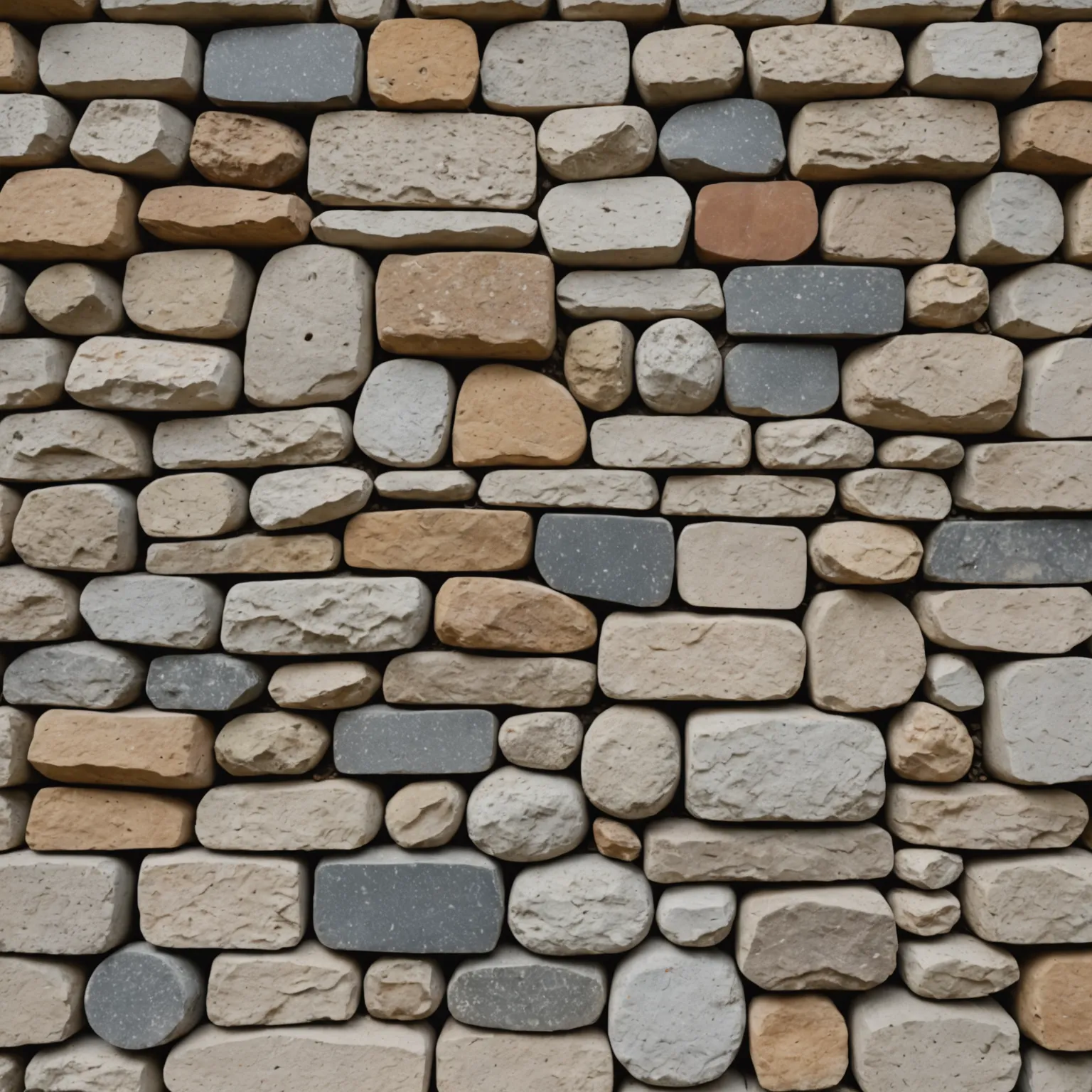
Examples in practice
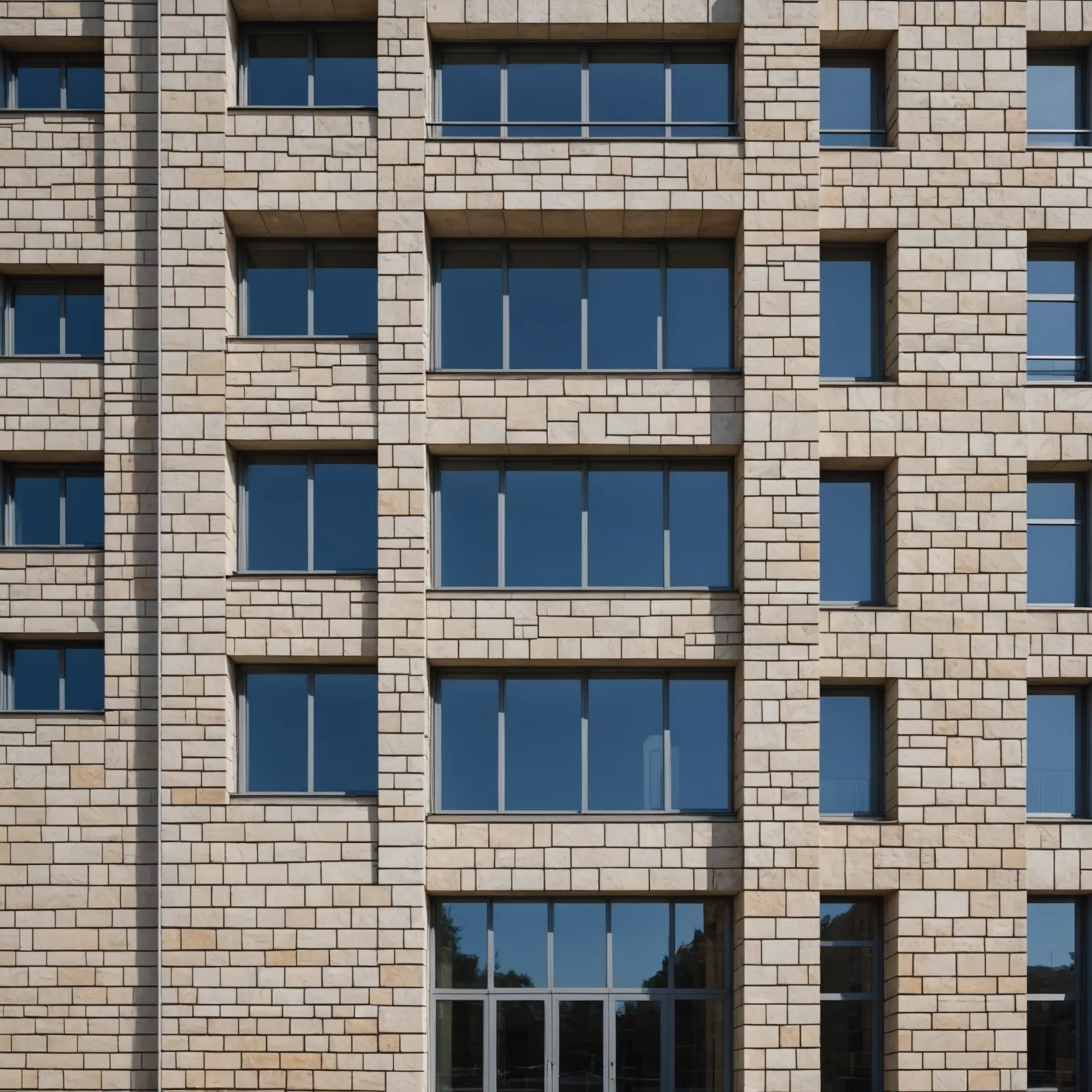
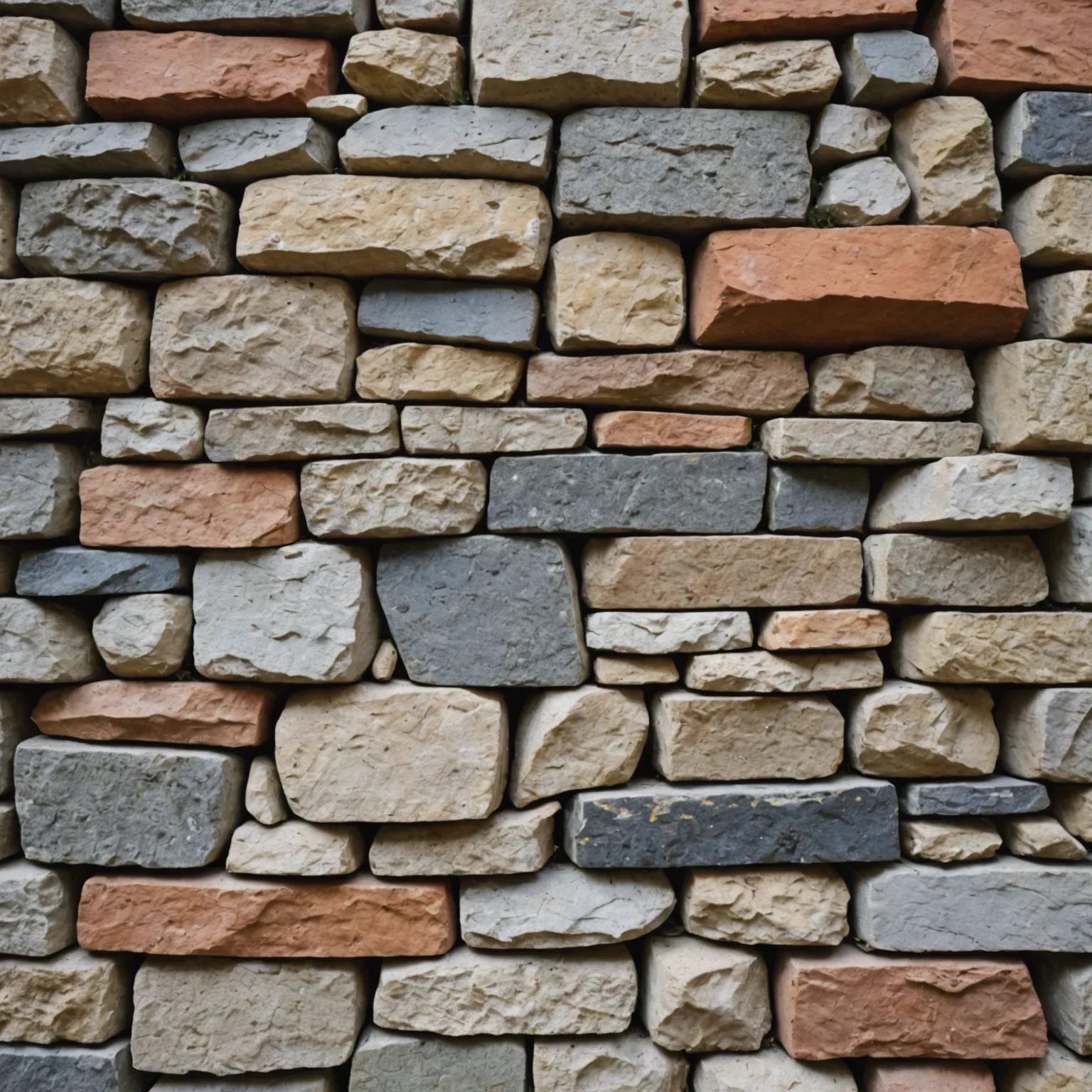
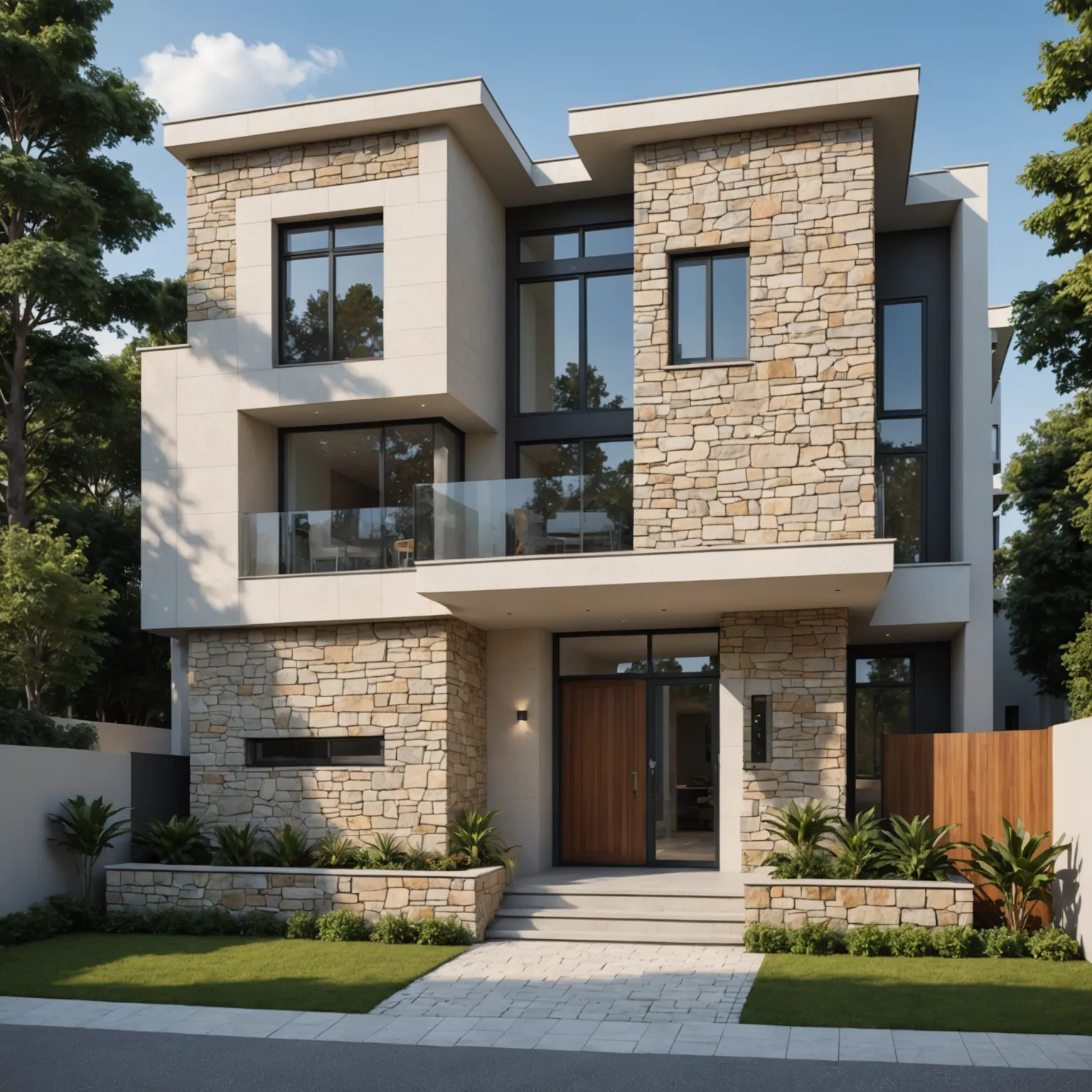
Conclusion
Stone cladding is an investment in durability and prestige. It outperforms paint or thin decorative panels in strength, longevity, and aesthetics. Choosing between granite, marble, slate, or travertine depends on the project’s conditions and architectural concept. Start with the façade stone section, explore slate veneer for lightweight solutions, or review marble tiles for elegant interiors at KievStone.
FAQ
What types of cladding stone are most commonly used?
The most popular types include granite, marble, travertine, and slate. Granite is valued for its extreme durability and resistance to wear, making it ideal for plinths and staircases. Marble is chosen for interiors and fireplaces because of its luxurious appearance and wide color range. Travertine offers warm tones and a textured look, which makes it perfect for façades in Mediterranean-style projects. Slate, with its layered relief, is used for accent walls and decorative elements. Artificial stone is also widely used for lightweight applications where reduced load and faster installation are key factors.
Why is natural stone cladding better than other finishing materials?
Natural stone stands out for its long lifespan and strength. It can withstand moisture, frost, sunlight, and heavy mechanical loads. Each slab has a unique color and pattern, giving projects a one-of-a-kind character. Stone is also environmentally friendly, does not release harmful substances, and is easy to maintain. Compared to synthetic panels or wooden siding, natural stone requires less frequent replacement and provides a prestigious, timeless appearance that adds long-term value to a property.
How should cladding stone be maintained to preserve its look?
Regular cleaning with water and mild detergents is usually sufficient. Avoid abrasive powders and acidic solutions, especially for marble and travertine, which are sensitive to harsh chemicals. For slate and travertine, applying hydrophobic sealants is recommended — these treatments reduce water absorption, make cleaning easier, and enhance the stone’s natural color. Joints should be inspected periodically, and damaged grout should be replaced to ensure weather resistance. If a slab becomes chipped or cracked, it can be replaced individually without removing the entire cladding system.
Where should artificial stone be used, and where is natural stone the best choice?
Artificial stone is best suited for interiors, decorative niches, light partitions, or balconies, where low weight and ease of installation are priorities. It is affordable and visually appealing, making it a practical solution for less demanding applications. Natural stone, however, is the superior choice for façades, plinths, staircases, fireplaces, and floors, where strength, durability, and prestige are essential. In many projects, both materials can be combined: artificial stone for secondary elements, and natural stone for structural and high-visibility areas.