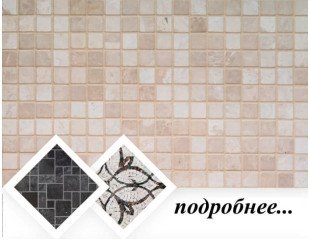
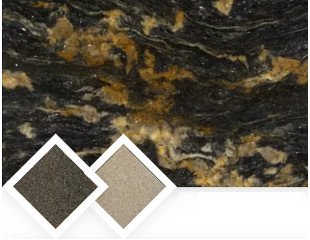
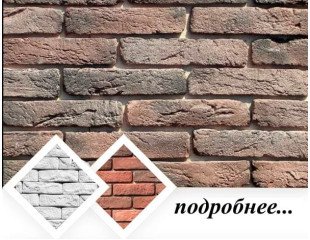
Kiev, ave. Lobanovsky, 14


 +3 80 (50) 433-01-01
 Video
Video 3D Tour
Types of facing stones. Features and advantages
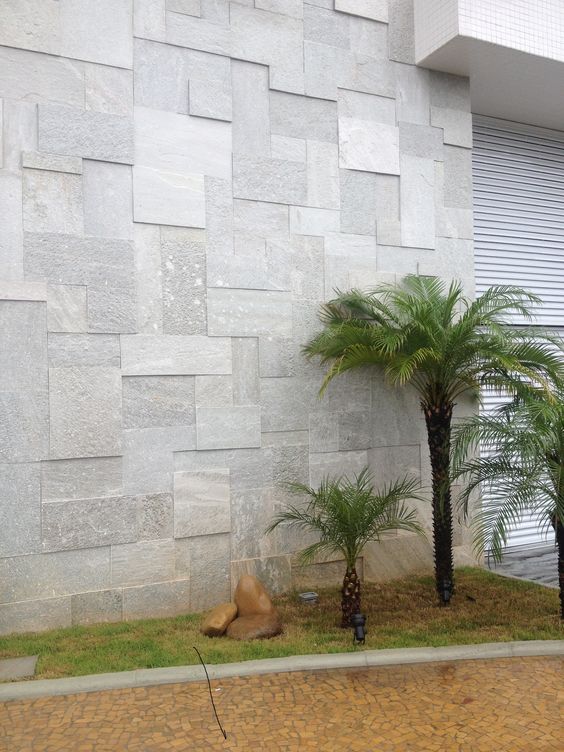
Decorative house cladding is not just about looks — it is also about durability and protection. The right stone cladding enhances the walls’ resistance to weather and mechanical stress, stabilizes the indoor climate, and adds value to the property. In the KievStone catalog, you will find a wide range of solutions for any project, from classic homes to modern minimalistic buildings, as well as for public and commercial spaces.
Natural vs artificial stone: how to make the right choice
Cladding stone can be natural (granite, marble, slate, travertine) or artificial (composites). Both options can dramatically improve façades and interiors but differ in durability, aesthetics, and practicality. Natural stone is known for its longevity and unique appearance, while artificial alternatives are more budget-friendly, lighter in weight, and easier to install. Choosing between them depends on the specific application: external façades, plinths, staircases, fireplaces, accent walls, or decorative niches.
When to choose natural stone
Natural stone is the best choice for projects where strength, durability, and prestige are important. Granite, marble, slate, and travertine are ideal for façades, plinths, stairs, fireplaces, and high-traffic floors. Each slab is unique, giving exclusivity and individuality to the design. Natural stone also ensures long-term performance in harsh outdoor conditions without fading or losing texture.
When artificial stone is suitable
Artificial stone is useful for lightweight structures such as partitions, balconies, or decorative interior elements. It is cheaper, available in a wide variety of shades, and easy to install. Designers often choose artificial stone when quick installation, reduced weight, or cost savings are priorities. However, it generally has a shorter lifespan (5–15 years) compared to natural materials.
Key criteria for choosing cladding
- Operating conditions: consider exposure to rain, frost, temperature fluctuations, and physical loads.
- Base and fixing system: load-bearing capacity, adhesive vs. mechanical systems.
- Moisture resistance: water absorption rates and the need for hydrophobic impregnation.
- Format and thickness: large slabs create a calm and monolithic appearance, while smaller tiles add rhythm and texture.
- Surface finish and color: polished or matte, smooth or split, and the compatibility with the architectural style.
Proper installation and waterproofing can extend the life of stone cladding longer than the choice of stone type itself.
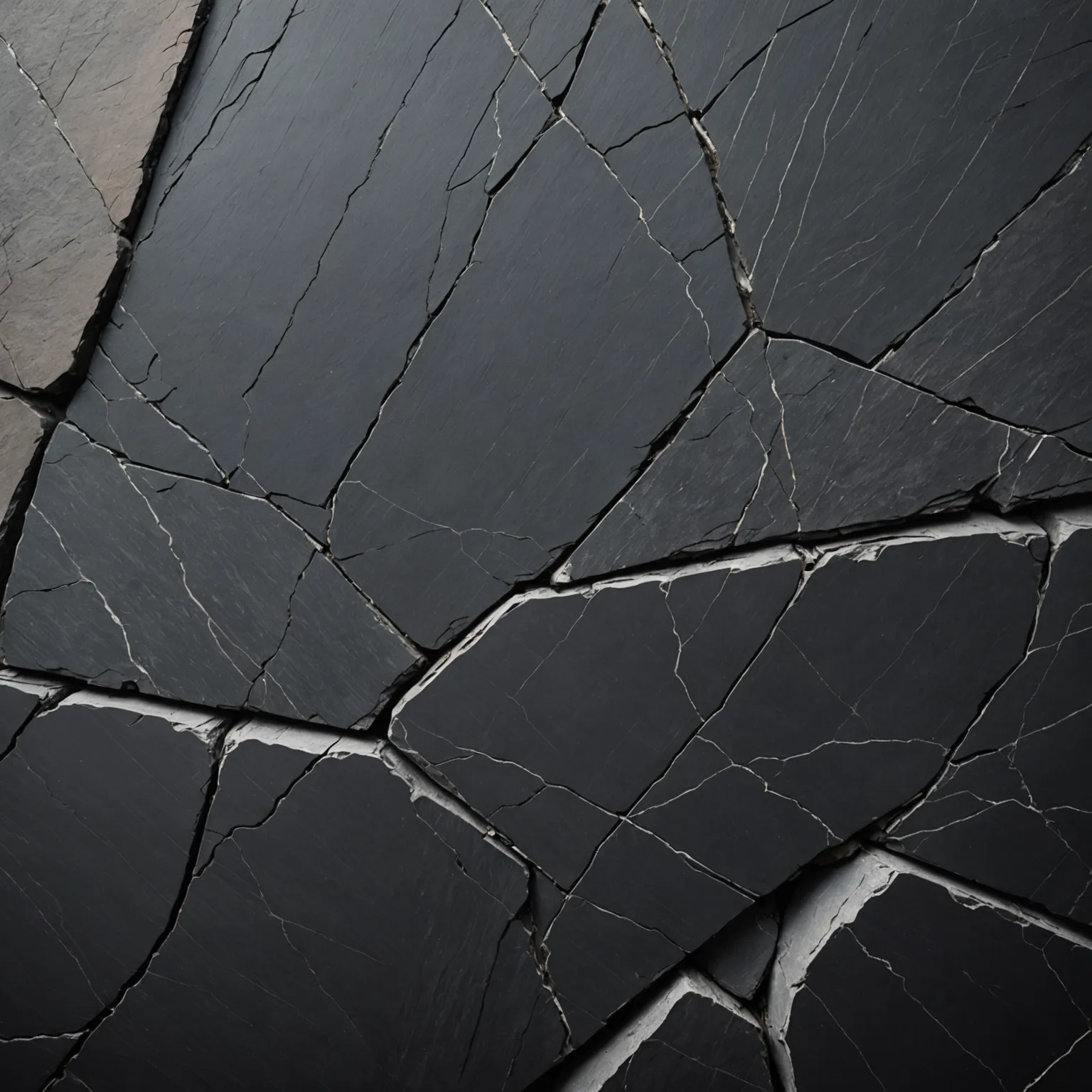
Comparison: natural stone vs artificial stone
| Parameter | Natural stone | Artificial stone |
|---|---|---|
| Service life | Several decades without losing beauty | 5–15 years depending on quality |
| Resistance to UV/frost | Very high | Medium to high, possible fading |
| Weight | Heavy, requires strong base | Lightweight, easier to handle |
| Installation | More complex, requires skilled labor | Faster and easier |
| Aesthetic uniqueness | Each slab is unique | Patterns are repeated |
| Cost | Higher upfront, lower lifetime cost | Lower upfront, may need replacement sooner |
Popular options for interior use
Travertine
Travertine has a porous structure that helps with insulation and breathability. It is ideal for fireplaces and living room walls, creating a warm, Mediterranean atmosphere. It requires protective treatments to reduce water absorption in humid environments.
Slate
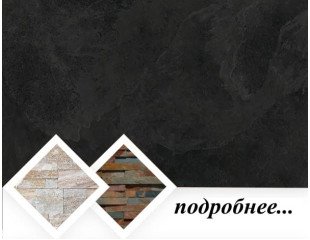
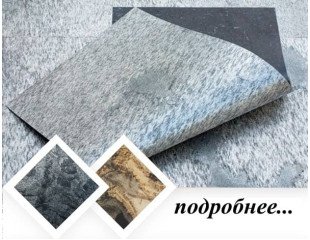
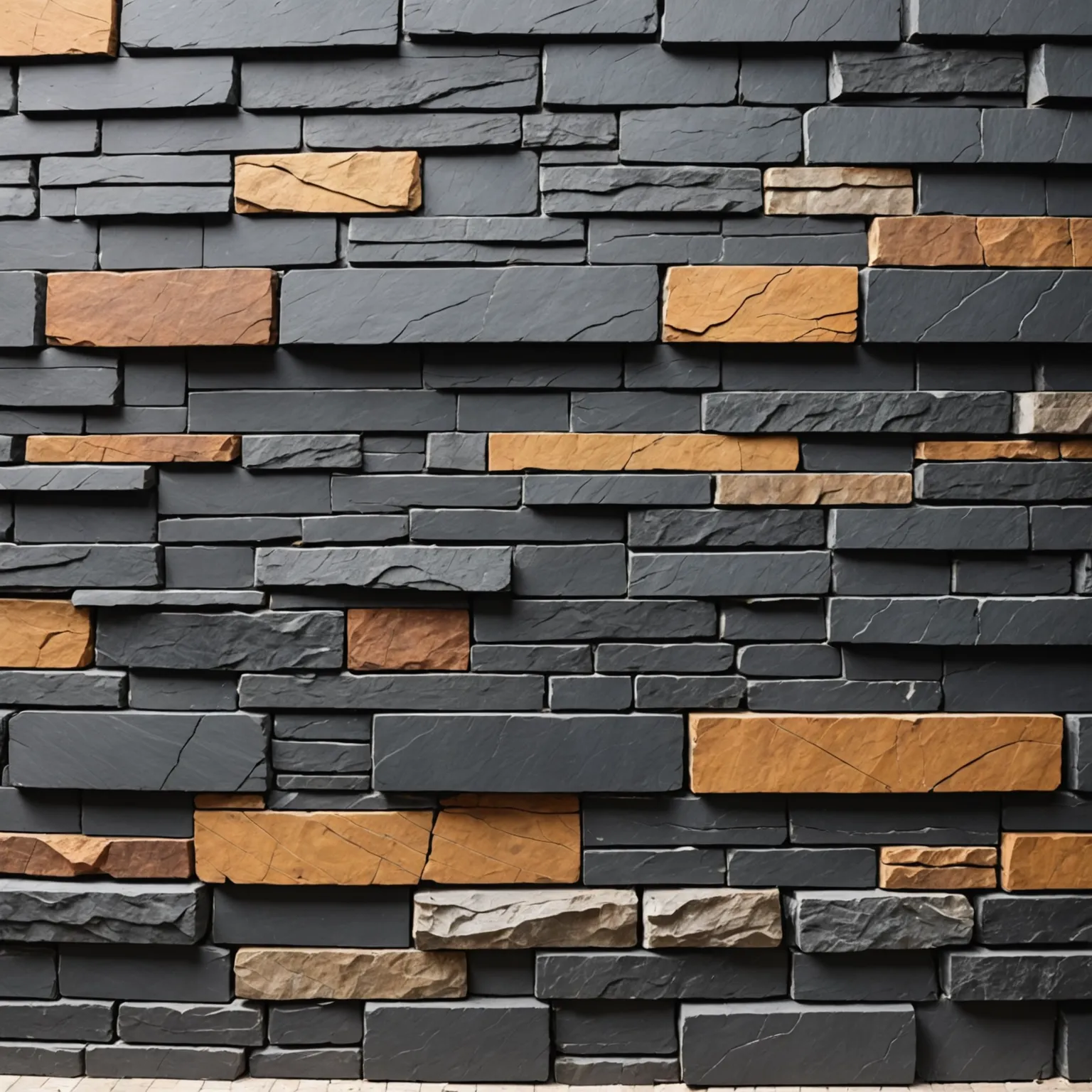
Slate’s layered texture creates striking light and shadow effects. It works well in niches, accent walls, and decorative columns. For flexible applications, slate veneer combines natural stone surfaces with a lightweight backing.
Marble
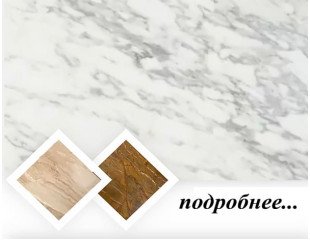
Marble is synonymous with luxury and is used for flooring, bathrooms, and staircases. Its broad palette of colors and finishes makes it versatile for different styles, from classical to modern. The marble tiles section offers many examples.
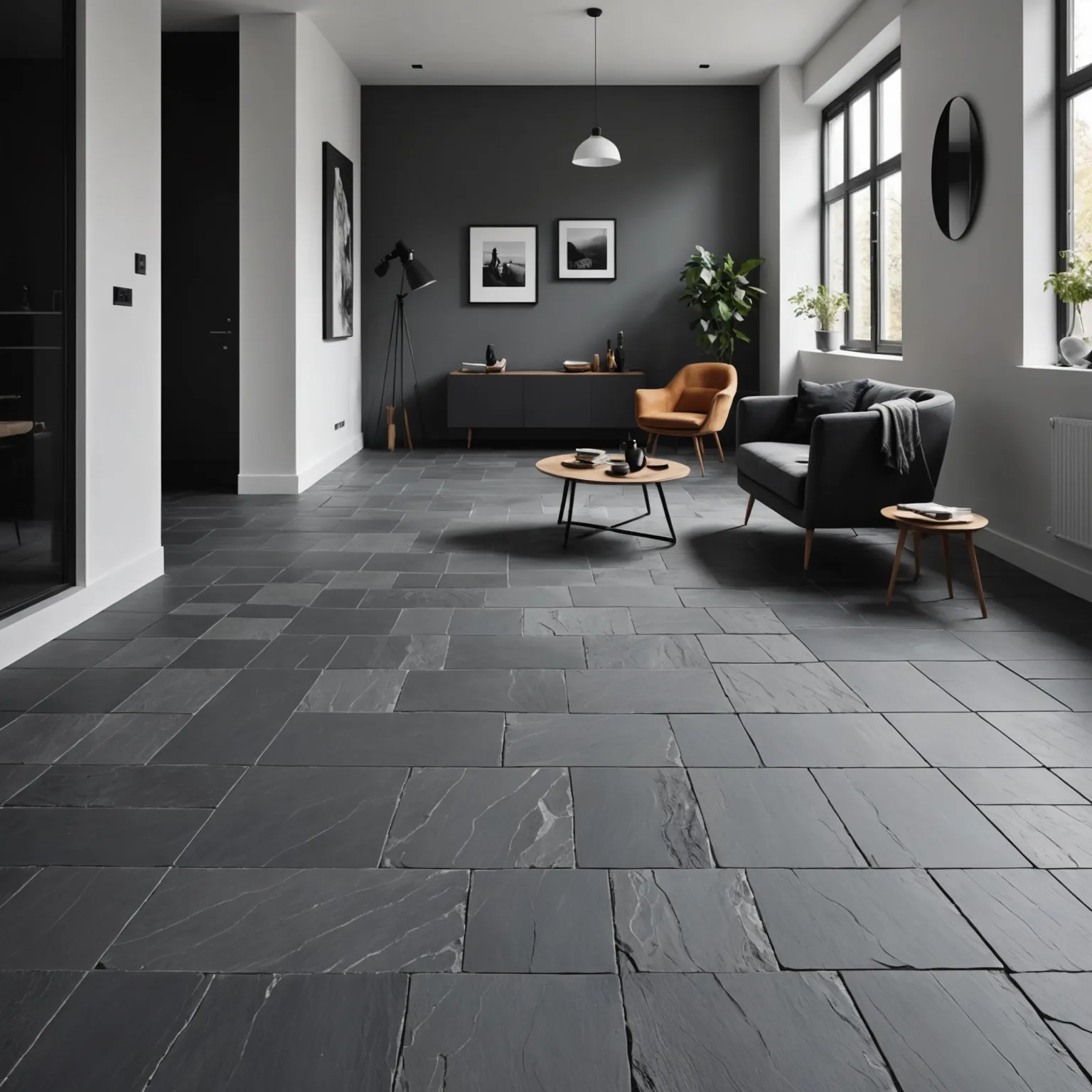
Installation and maintenance
The base must be strong, dry, and level. For façades, mechanical or combined fixing is recommended, while interior installations can use adhesives. Expansion joints and proper waterproofing are essential. Frost- and water-resistant grouts are required for external use. For cleaning, mild detergents and water are sufficient. Slate and travertine benefit from hydrophobic treatments that reduce water absorption and enhance their natural color.
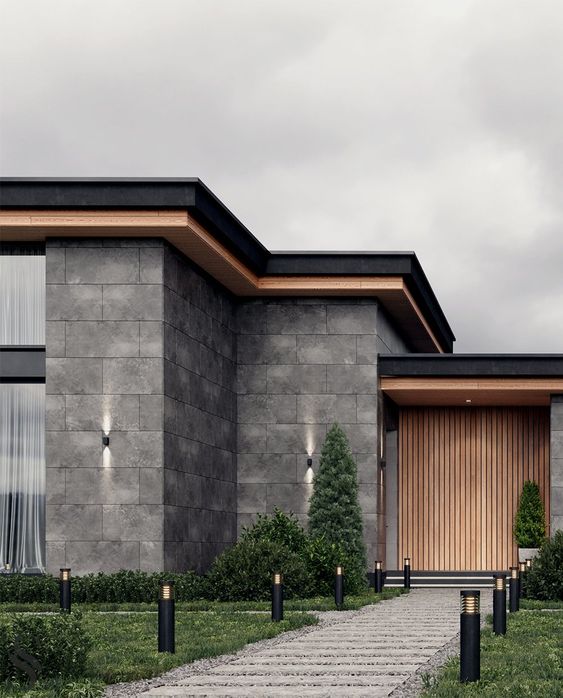
Common mistakes to avoid
- Not calculating base load and fixing capacity.
- Ignoring waterproofing and vapor management.
- Using unsuitable adhesives or grouts for exterior use.
- Improper layout planning leading to excessive small cuts.
- Skipping edge processing, which leads to chipping and water absorption.
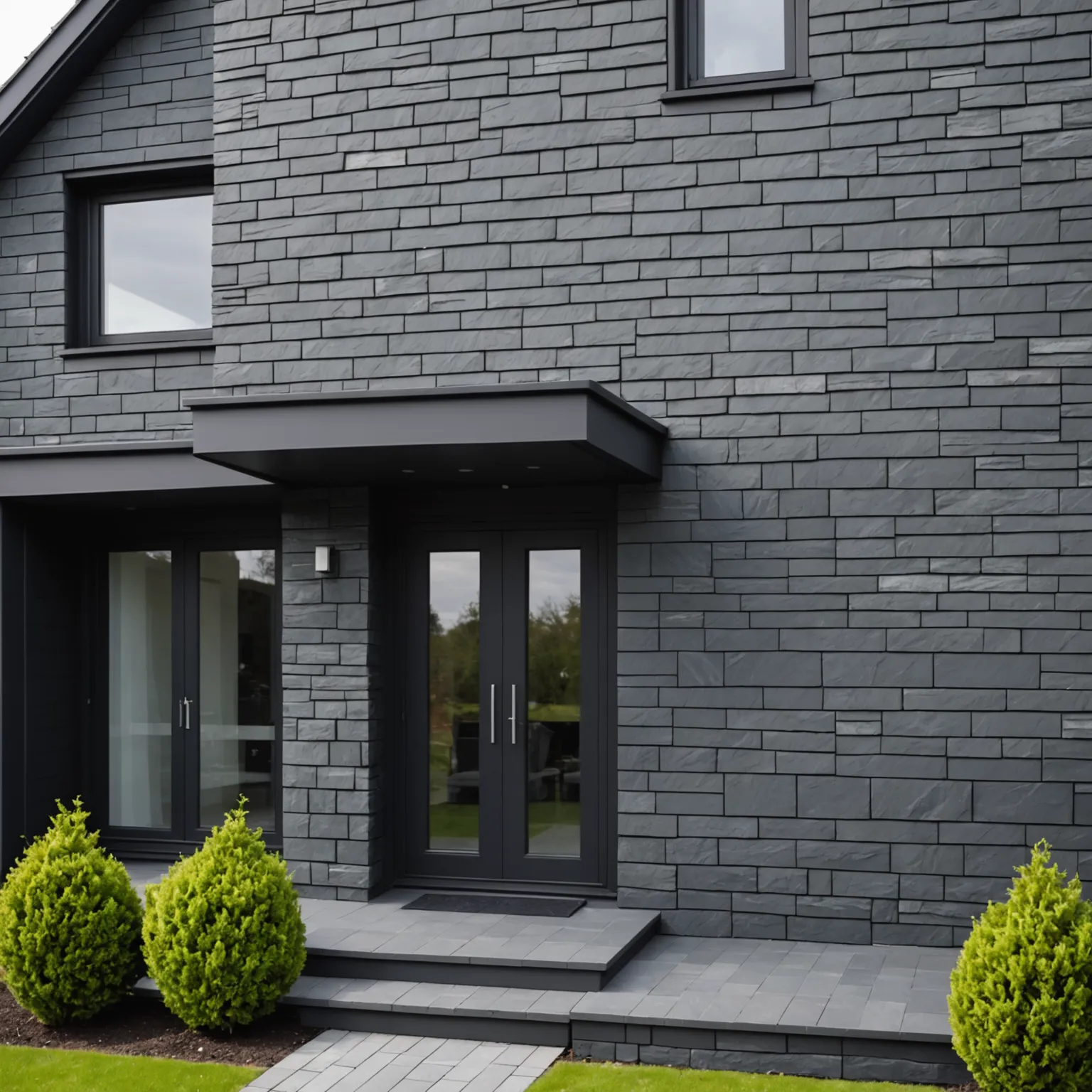
Conclusion
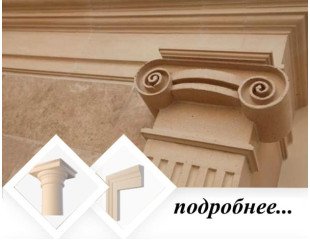
Stone cladding is an investment in long-term durability, prestige, and unique aesthetics. Natural stone is the best choice for façades and high-load areas, while artificial stone is suitable for lightweight interior accents. Begin with the façade stone section, review options such as slate veneer, or explore marble tiles for luxurious interiors. Full collections are available at KievStone.
FAQ
What are the main advantages of natural stone compared to artificial alternatives?
Natural stone lasts for decades without losing its beauty. It withstands frost, heat, UV radiation, and heavy loads. Each slab has a unique texture and color, ensuring that every project looks exclusive. Natural stone is also eco-friendly, emitting no harmful substances and requiring minimal maintenance. Artificial stone is lighter and cheaper, but it does not have the same durability or authenticity, making it less suitable for long-term exterior projects.
Where is artificial stone most appropriate to use?
Artificial stone works well in interiors — for accent walls, decorative niches, fireplaces, or light partitions. It is lighter, easy to install, and cost-effective. It is also suitable for balconies and areas where reducing weight is important. However, its service life is limited, and in exterior projects with strong weather exposure, natural stone is the more reliable choice.
Which types of natural stone are most popular in modern interiors?
Marble, travertine, and slate are among the most popular. Marble is known for its elegance and is often used in flooring, bathrooms, and staircases. Travertine adds warmth and texture, making it perfect for living rooms and fireplaces. Slate, with its layered relief, is a great choice for accent walls and columns. Granite is less common indoors but is valued for kitchen surfaces and areas with high durability requirements.
How should cladding stone be maintained to preserve its original appearance?
Stone should be cleaned with water and mild detergents. Avoid harsh acids or abrasives, especially with marble and travertine. Slate and travertine benefit from hydrophobic sealants that reduce water absorption and highlight natural color. Regular inspections of joints and grout are recommended, especially for outdoor applications. Damaged slabs can usually be replaced locally without removing the entire cladding, which makes maintenance manageable and cost-effective.