Kiev, ave. Lobanovsky, 14


 +3 80 (50) 433-01-01
 Video
Video 3D Tour
Characteristics and properties of slate
Slate is a universal natural material that allows you to solve design tasks both in interiors and on facades: from strict monochrome planes to expressive reliefs. Unlike thin decorative coatings, it is resistant to wear, moisture, and temperature fluctuations and, with proper installation, retains its original appearance for decades. In the KievStone catalog, it is easy to choose the format, texture, and shade for a specific project — from apartments and private houses to public spaces.

What is slate and why is it in demand?
Slate is a fine-layered metamorphic rock with natural stratification. This structure provides its characteristic play of light and shadow on the surface and makes it possible to produce the material in the form of tiles, panels, and flexible veneer. It is suitable for residential and commercial interiors, facades, landscaping, and small architectural forms. Unlike many composites, slate does not fade in the sun and does not lose its color depth, while the variety of shades (from graphite-black to silvery-golden) makes it easy to style for almost any scenario.
Main properties and advantages
- Wear resistance and durability. The dense structure withstands heavy traffic and weather cycles.
- Stable appearance. Low susceptibility to fading, with a natural patina that enhances texture.
- Moisture resistance. Suitable for “wet” areas with proper waterproofing and impregnation.
- Acoustic comfort. The mass and layering improve sound absorption.
- Eco-friendliness. Natural stone with no harmful emissions, safe for residential use.
A properly assembled wall with slate cladding is not only strikingly aesthetic but also adds durability to the base, provides moisture protection, and stabilizes the indoor climate.
Varieties of slate and supply formats
Tiles and panels
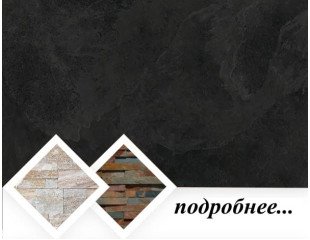
A classic format for walls and floors, fireplaces, backsplashes, accent walls, and reception areas. Thickness and surface finish are chosen according to the purpose: polished surfaces suit minimalist interiors, while split surfaces provide a bold relief.
Slate veneer
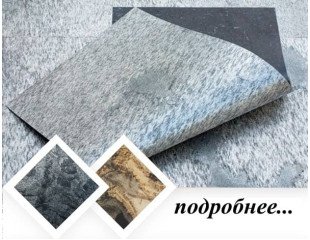
Ultra-thin sheets with a natural face bonded to a flexible backing. Convenient where weight and complex geometry matter. See the collections in the slate veneer section.
Steps and stepping stone
The dense rock withstands outdoor use on terraces and pathways. For garden routes, stepping slate works perfectly, while staircases benefit from treated elements with rounded edges.
Where to use slate: interiors, facades, landscapes
Interior solutions
Slate is suitable for living rooms, kitchens, entryways, and bathrooms. A fireplace clad in slate visually grounds the space, while an accent wall adds depth. For floors, choose non-slip finishes. Sample tiles and finishes can be found in the slate tiles section.
Facade systems
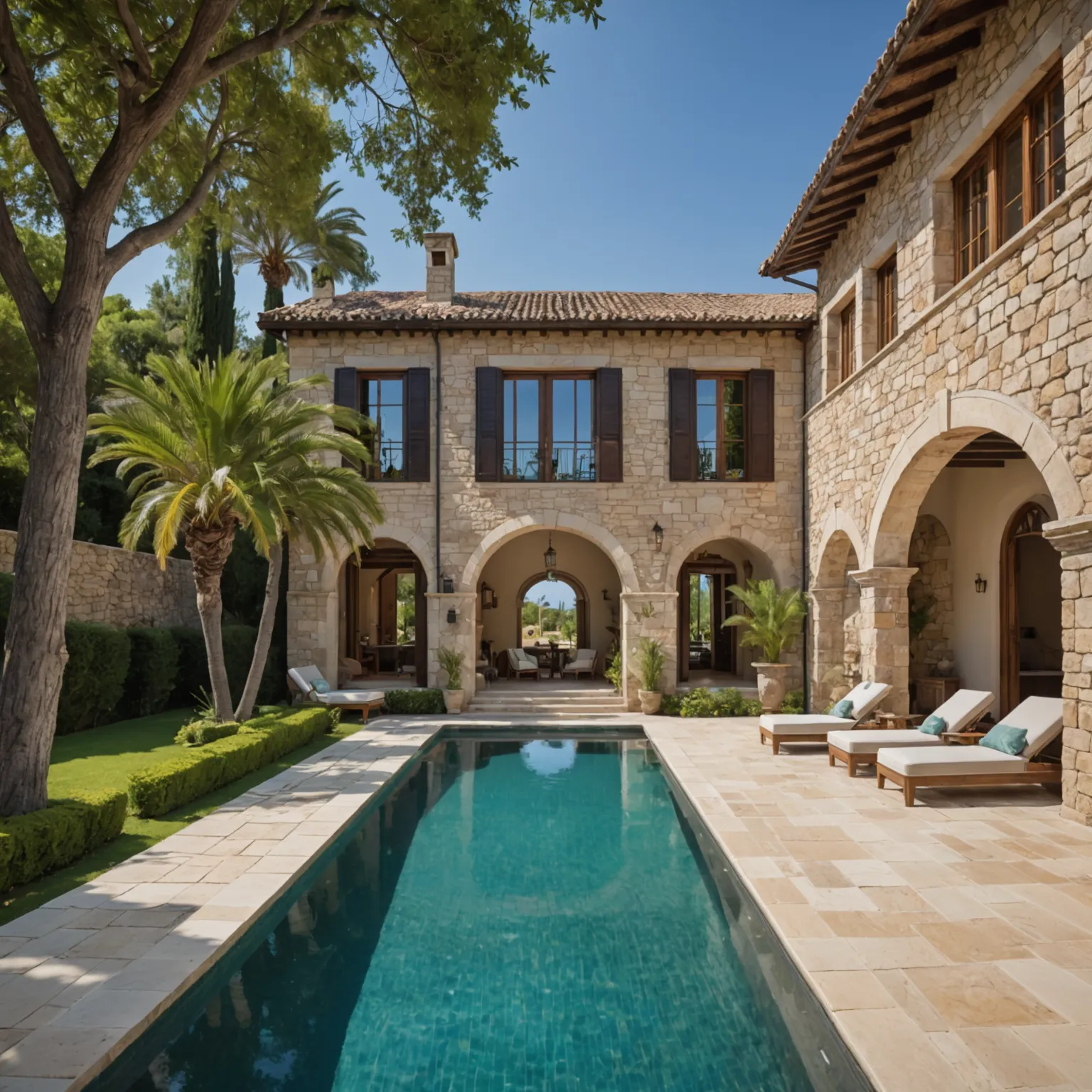
On exterior walls, slate serves as durable cladding with expressive relief. Options include adhesive systems (for stable dry bases) and ventilated subsystems where slabs are mechanically fixed. Explore textures and formats in the stone for facade section.
Landscape and small architecture
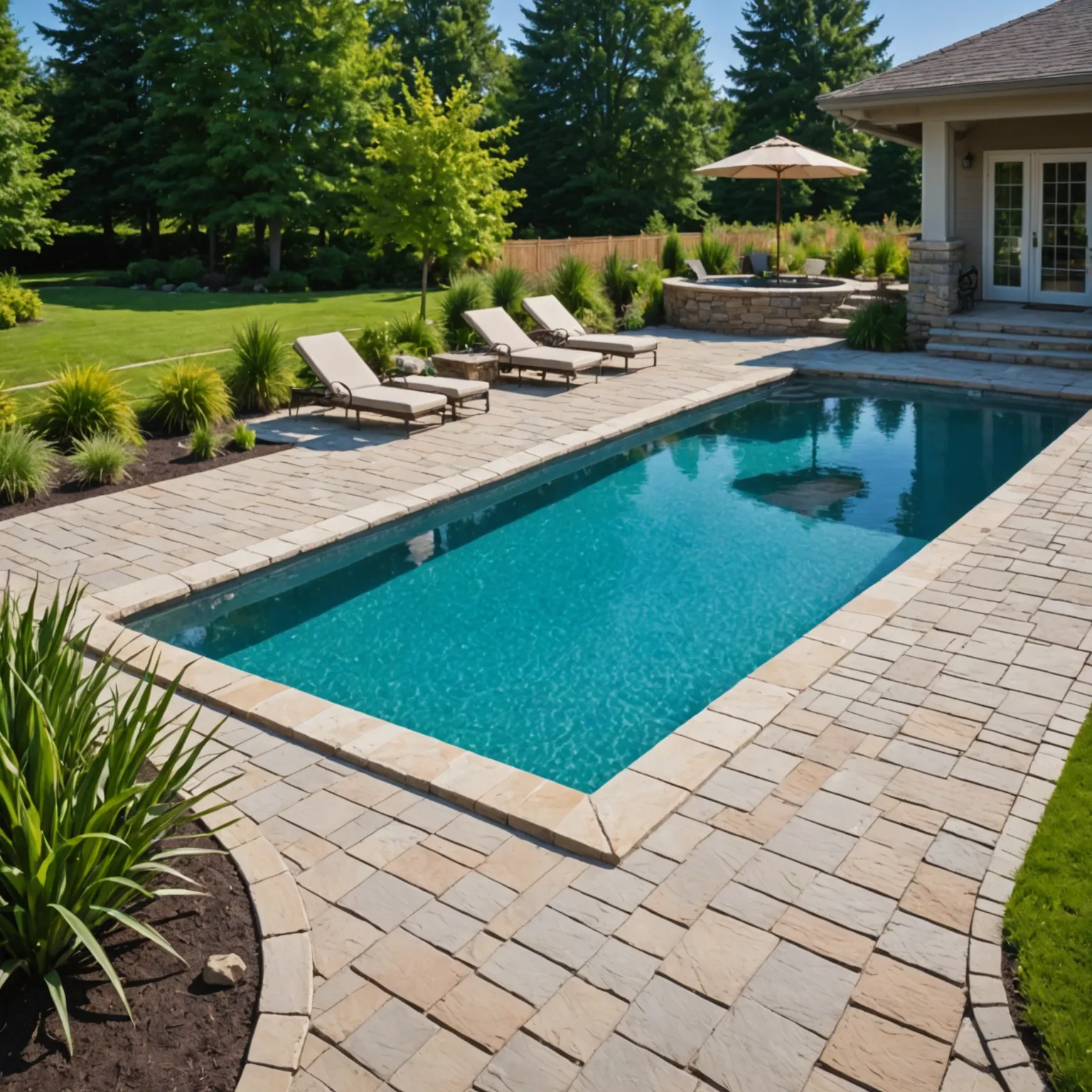
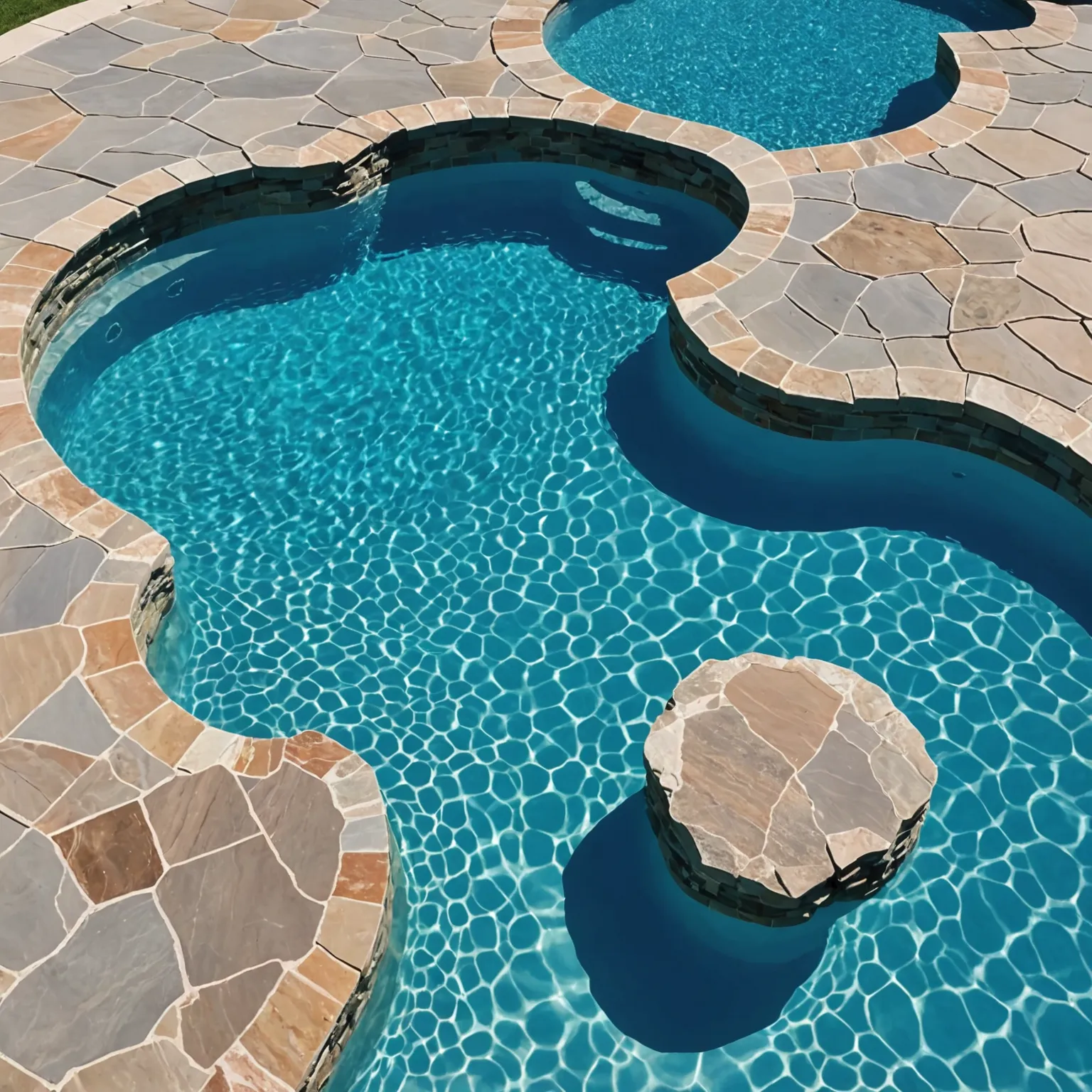
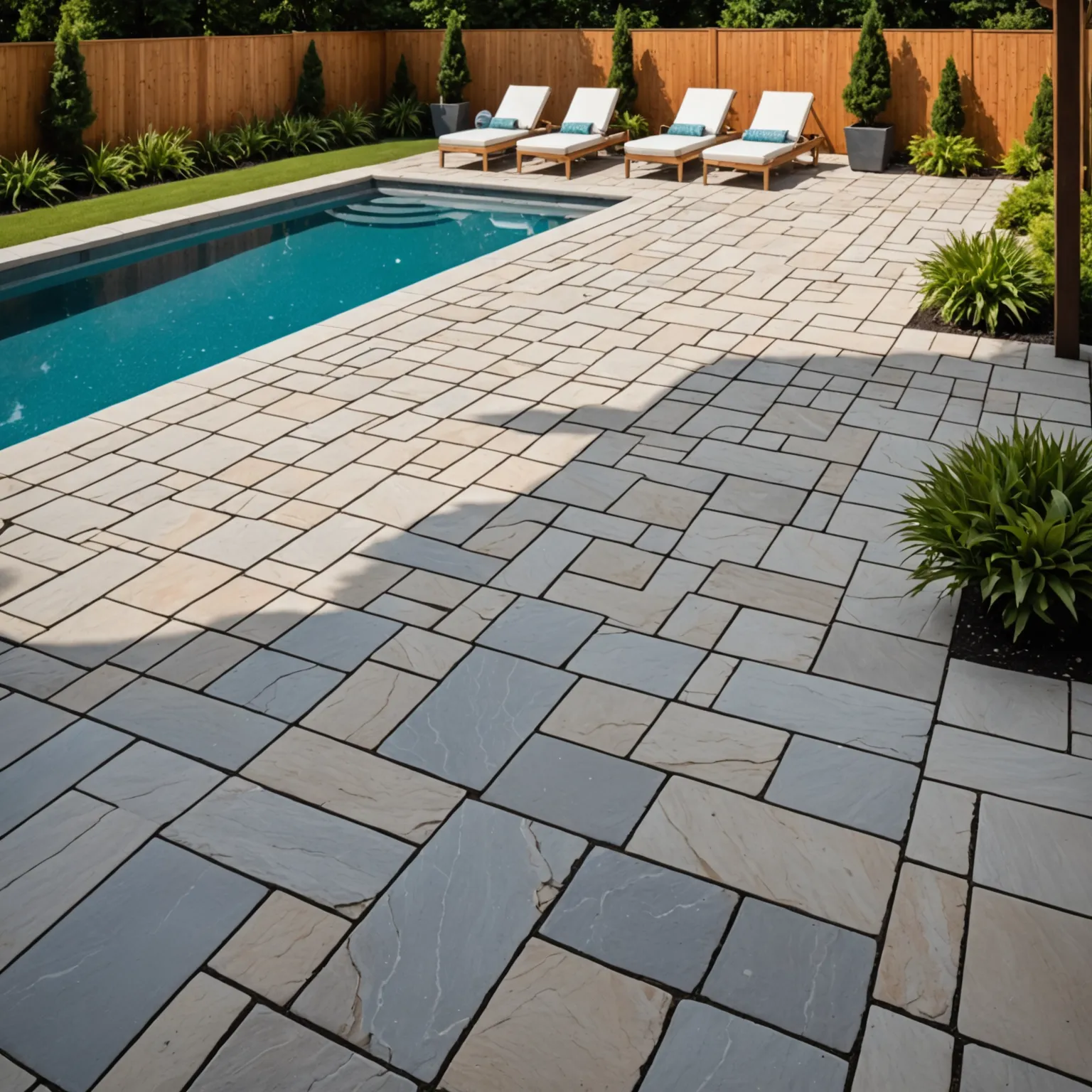
Flagstone is ideal for paving, retaining walls, borders, and outdoor furniture. Slate looks particularly impressive in prominent areas, where its texture interacts with morning and evening light.
Comparison of slate with alternatives
| Criteria | Slate | Granite | Artificial stone |
|---|---|---|---|
| Texture/relief | Expressive natural relief, layered | More uniform, crystalline pattern | Imitated texture, repetitive |
| Facade durability | High with ventilated systems | Very high | Average (risk of fading) |
| Weight | Medium, available in thin formats | Heavy | Light |
| Ownership cost | Balanced if installed properly | Higher initially, low in the long run | Low at first, but frequent updates needed |
| Application flexibility | Interior/facade/landscape | Interior/facade/landscape | Mainly interiors |
How to choose slate for your project
- Purpose. For floors — non-slip finishes; for fireplaces — heat-resistant adhesives; for facades — mechanical fixing systems.
- Format. Large panels create calm surfaces, while smaller modules add rhythm and flexibility.
- Color and pattern. Cool gray tones suit minimalism; warm golden shades suit classic interiors.
- Base. Strength, flatness, and waterproofing are critical for longevity.
Installation: a short guide
Base preparation
The base must be solid, dry, and level; waterproofing is essential in wet zones. On facades, consider wind loads and thermal expansion.
Adhesive systems
Used indoors and on protected facades: elastic adhesives, priming, compensation joints. For heavy slabs — temporary fixing is needed until full adhesion is achieved.
Mechanical fastening
Optimal for exterior walls. The subsystem levels the surface, creates ventilation gaps, and reduces the risk of detachment.
Care and protection
Regular cleaning with mild detergents, no abrasives. For kitchens and bathrooms, use hydrophobic treatments to reduce water absorption. Inspect joints and sealants annually. Minor chips can be fixed by replacing individual tiles without dismantling the entire cladding.
.jpg "Slate veneer: a lightweight alternative to massive slabs")
Common mistakes to avoid
- Lack of load calculations for facade systems.
- Ignoring waterproofing of exterior walls.
- Using unsuitable adhesives for heavy slabs.
- Poorly planned joint layout leading to thin cuts.
- Skipping protective treatments in wet areas.
Where to view samples and order
Start with the sections: slate tiles, slate veneer, stone for facade, and the KievStone catalog. Here you will find current shades and formats, and managers will help with layouts, subsystems, and fixing specifications.
FAQ
Where is slate most effective to use: facade, interior, or landscape?
Slate is versatile and works equally well in facades, interiors, and landscaping. On facades, it provides a durable, weather-resistant cladding with natural relief. In interiors, slate is used for fireplaces, accent walls, backsplashes, and even flooring thanks to its non-slip finishes. In landscaping, it is ideal for paths, retaining walls, borders, and garden sculptures. The key to success is selecting the right format and fastening system: adhesives for interiors, ventilated subsystems for exteriors, and flagstone-style formats for landscaping solutions.
How does slate compare to granite and artificial stone?
Slate has a unique layered texture that creates depth and light play, unlike granite’s uniform crystalline structure. Granite is harder and heavier, with extreme durability, but it is more difficult to process and install. Artificial stone is lightweight and inexpensive, but it lacks authenticity and fades faster outdoors. Slate balances both worlds: lighter than granite yet more authentic and longer lasting than artificial alternatives. Its combination of natural beauty and reasonable weight makes it especially popular for projects where both aesthetics and practicality matter.
What are the main considerations when installing slate?
Installation depends on application. Indoors and on protected facades, adhesive systems are used with elastic glues and proper priming. Ventilated subsystems with mechanical fastening are best for exterior facades exposed to heavy weather. Thickness varies: 10–12 mm for walls, thicker for floors and stairs, while flexible slate veneer is perfect where low weight is critical. Planning the layout is essential — minimizing thin cuts and aligning patterns improves both durability and aesthetics. Always include expansion joints to prevent stress cracks and allow for natural movement of the stone.
How should slate be maintained to preserve its look and durability?
Maintenance is straightforward. Clean slate surfaces with water and mild detergents; avoid acidic or abrasive cleaners, which may damage softer varieties. In wet zones and outdoor applications, apply hydrophobic sealers to reduce water absorption and highlight the natural texture. Inspect joints and sealants yearly, refreshing them when needed. Minor chips or damage can be repaired by replacing individual tiles rather than the entire surface. With these simple practices, slate can preserve its rich colors and textures for decades, making it one of the most practical natural stones for long-term projects.