Kiev, ave. Lobanovsky, 14


 +3 80 (50) 433-01-01
 Video
Video 3D Tour
Interior Design Trends Using Marble Tiles
Marble tile has long moved beyond associations with purely classical interiors and ceremonial spaces. Today it is actively used in modern apartments, private houses, and public interiors where tactile qualities, visual depth, and a natural material presence matter. Stone is no longer just a background finish and increasingly becomes the conceptual core of a space.
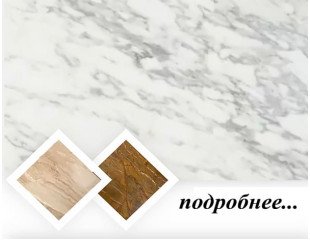
Current interior design trends show a clear shift from demonstrative luxury toward thoughtful naturalness. In marble tile, designers value not gloss but the living pattern, natural veining, and subtle color irregularities. These details create interiors that feel convincing and remain visually relevant over time.
Marble in tile format works not only visually but also physically. It looks different in daylight and changes again under artificial evening lighting, reacting to temperature and humidity. This variability turns stone into a “living” part of the interior rather than a static surface.
Interior design trends using marble tile: the choice becomes more complex due to the variety of formats, finishes, and installation methods. Natural marble solves the challenge of depth and long-term relevance, maintaining its value for decades. The owner gains an interior that adapts easily to changes in furniture and style without full renovation.
Texture and veining as the foundation of the interior concept
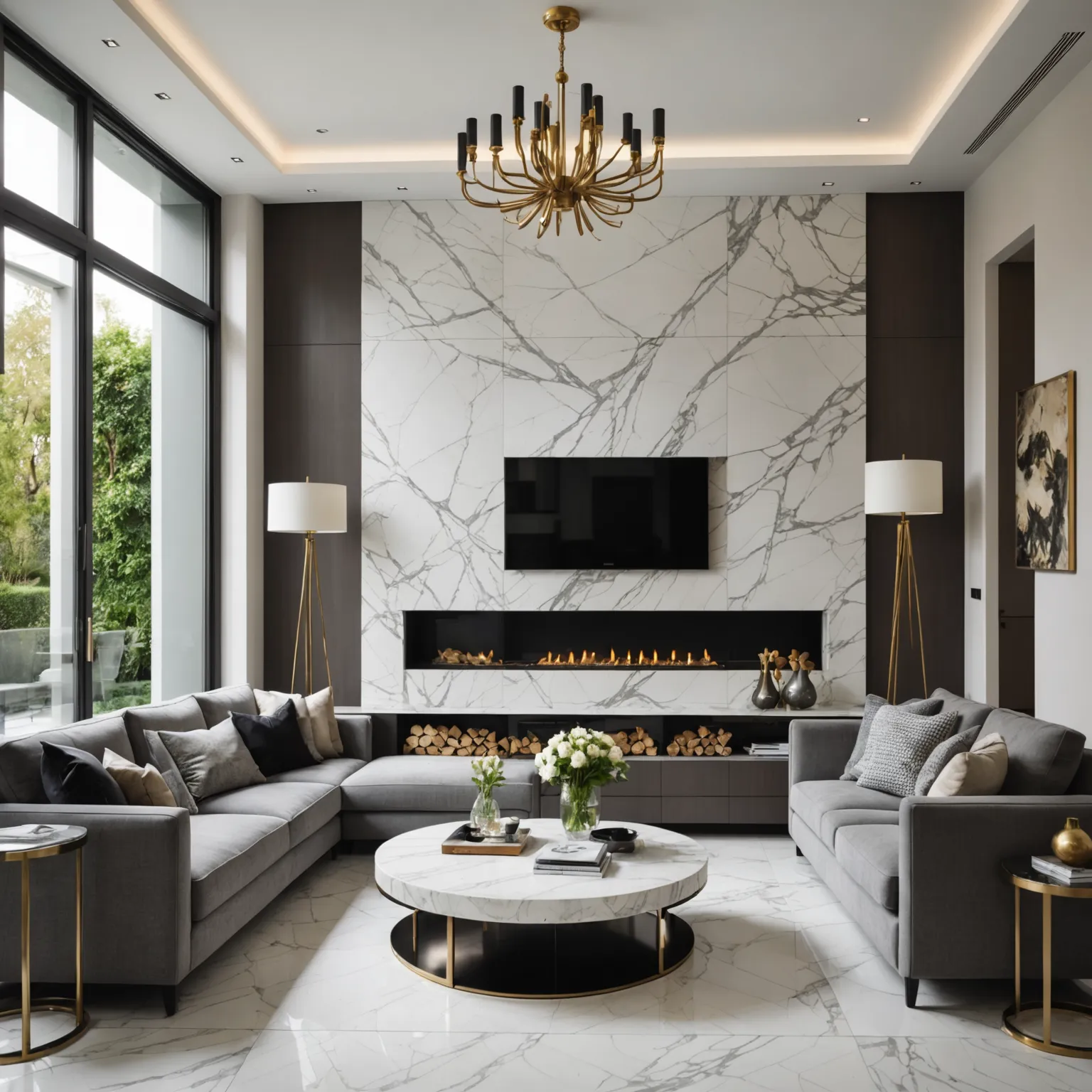
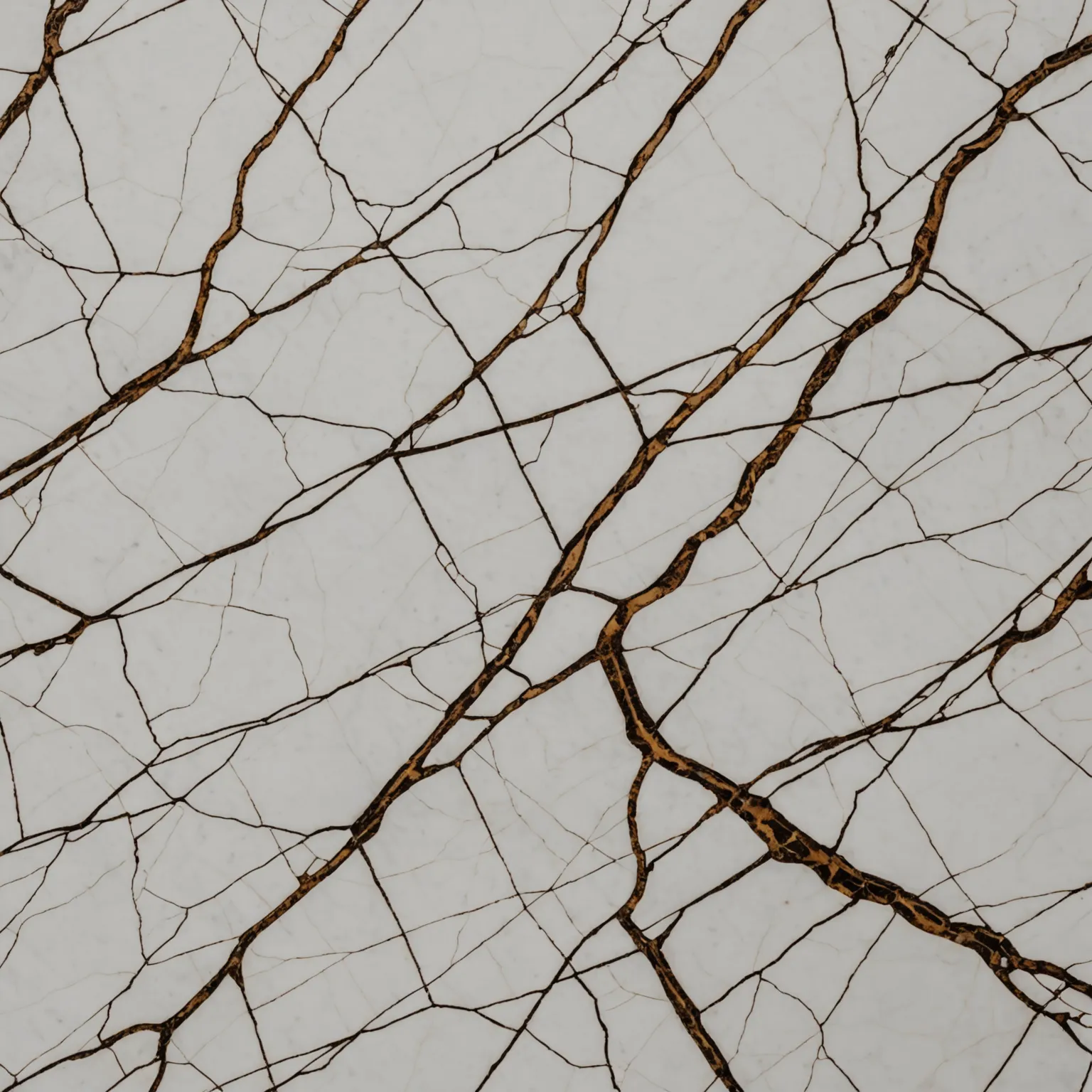
In contemporary interiors, the stone pattern often becomes the starting point for the entire composition. Expressive veins, contrasting inclusions, and natural color transitions are used deliberately as a design tool rather than a random effect. In this role, marble tile sets the rhythm of the space.
Varieties with active, readable graphics are especially in demand, as they work well on large surfaces. Such finishes require little additional décor and pair easily with restrained walls and furniture. The interior feels cohesive and visually balanced.
In practical projects, marble is often combined with calmer materials. For example, in high-traffic zones designers may use natural travertine, while reserving marble tile for accent surfaces. This approach helps balance aesthetics and everyday usability.
The marble pattern reveals itself best under side lighting. In the evening, veins gain depth and the surface develops soft shadows. This layered effect is difficult to replicate with artificial materials, which keeps natural stone distinctive.
Tile formats and unconventional installation patterns
Recent years show growing interest in large-format marble tiles. Fewer joints create the impression of a continuous stone surface. In bathrooms and kitchens, such solutions visually enlarge the space and simplify maintenance.
Unconventional installation patterns are also gaining popularity. Diagonal layouts, offset rows, or classic herringbone add movement even to restrained stone designs. Geometry and light direction should always be considered.
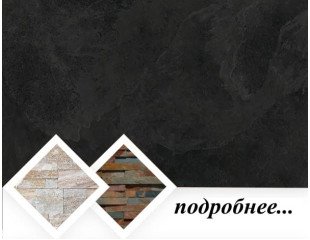
Many projects combine smooth marble with textured surfaces. Designers often introduce slate stone finishes to emphasize contrast between polished and relief textures. This makes interiors visually deeper and more dynamic.
Non-standard layouts require experience and precise cutting. On light marble, even small inaccuracies are noticeable, making installation quality a critical factor.
Color palettes and material combinations
White and light gray marble remains popular, but designers increasingly turn to warmer tones. Beige and creamy shades create a softer, more residential atmosphere and feel less formal. Such interiors are comfortable for everyday life.
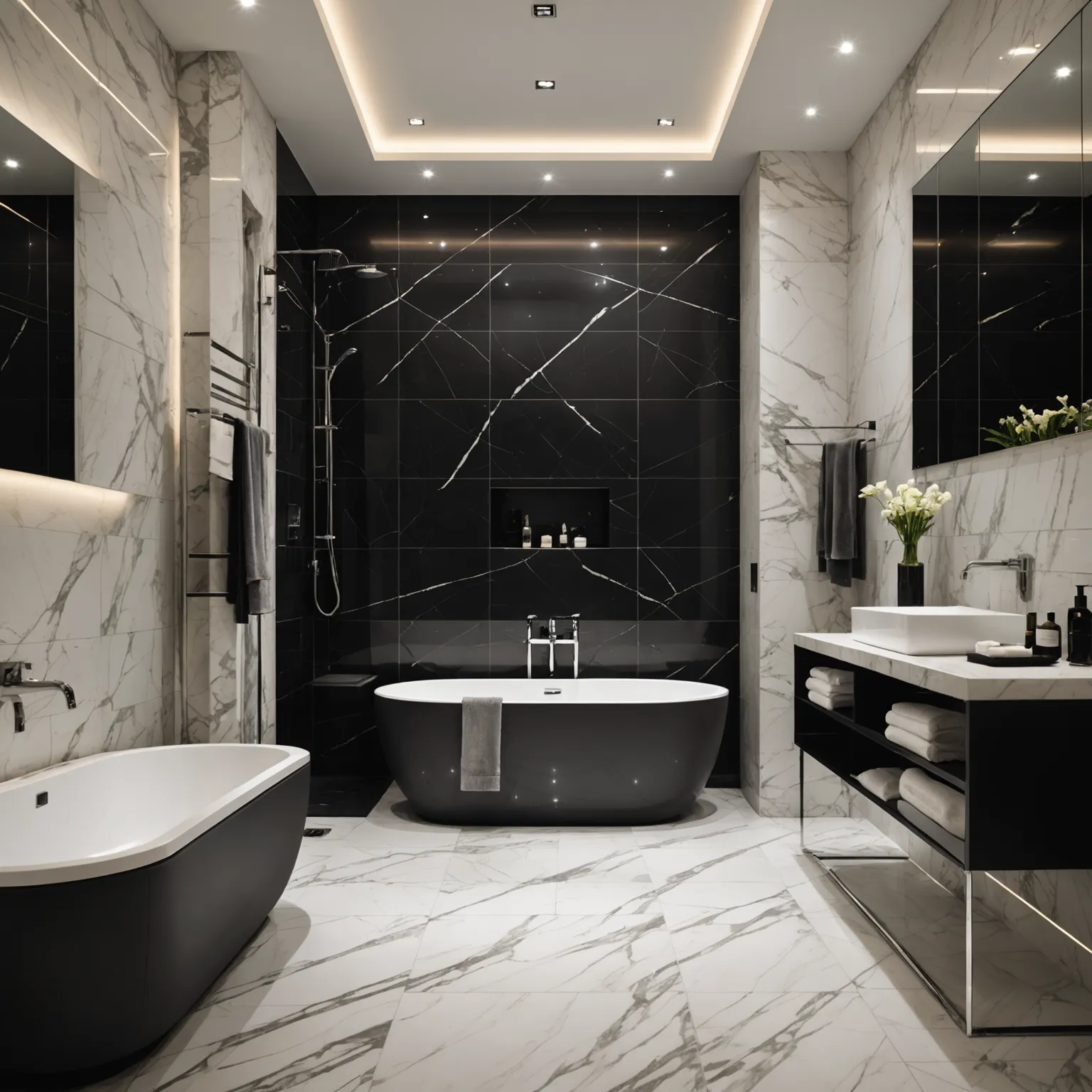
Darker marble varieties are used selectively. They often appear in niches, fireplace zones, or accent walls. Under subdued lighting, the stone creates an intimate evening mood.
Marble tile color should always be chosen with surrounding materials in mind. Wood, metal, and textiles interact differently with stone and define the overall mood of the space.
When planning the budget, it can be practical to explore available stock collections. This allows maintaining natural stone quality while optimizing costs without compromising aesthetics.
Observation from craftsmen: interiors with marble tile tend to use softer, diffused lighting. It highlights stone depth and makes the space calmer, especially on overcast days.
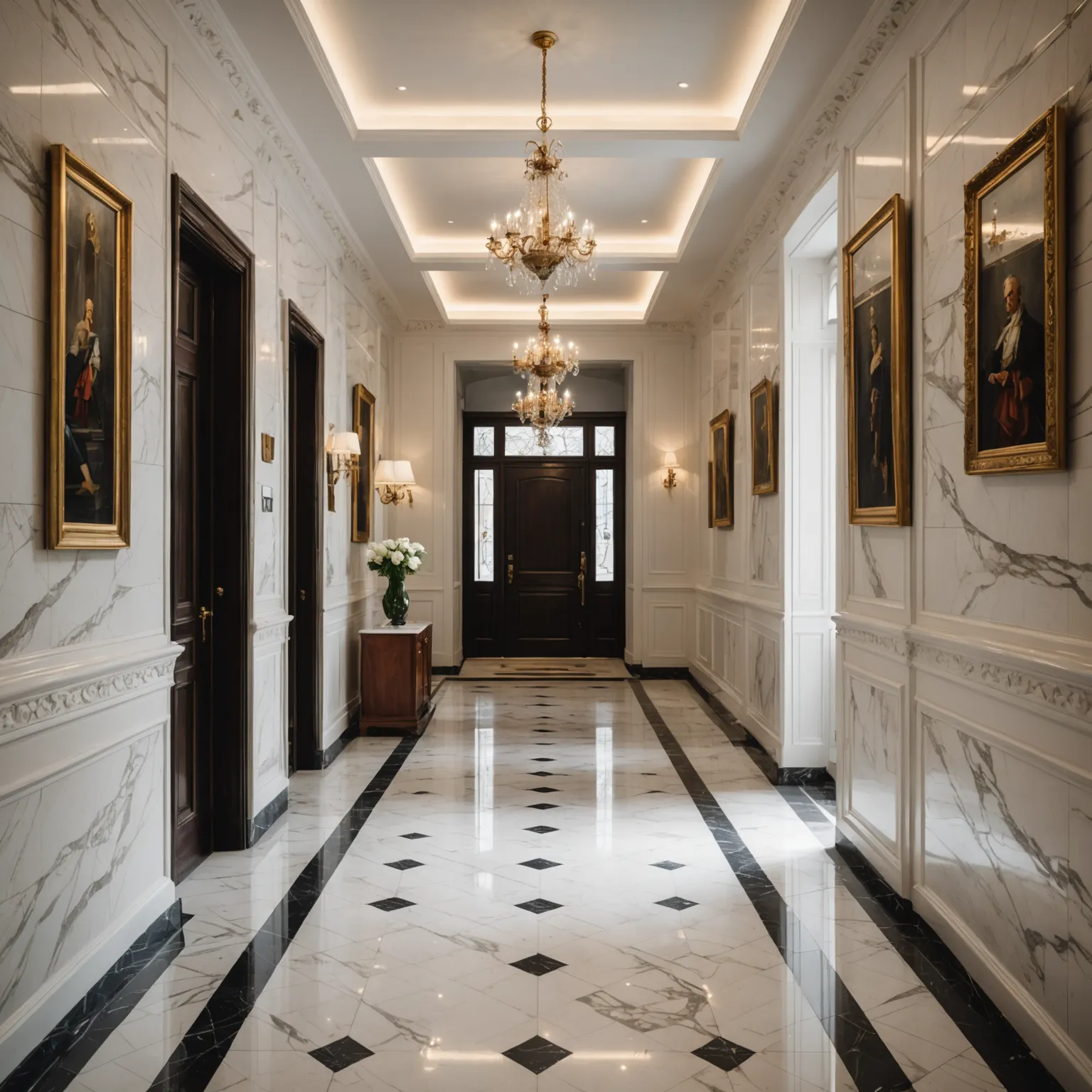
The use of marble tile increasingly goes beyond traditional zones. Stone now appears not only in bathrooms or entrance halls, but also in bedrooms, home offices, and kitchens. This shifts the perception of the material: it becomes part of everyday living rather than a ceremonial accent.
Marble tile in residential interiors
In living spaces, marble is most often applied locally. These can be wall fragments, niches, or areas around window openings. This approach preserves a sense of comfort while adding architectural expression to the interior.
Marble works especially well when paired with textiles. Curtains, rugs, and upholstered furniture soften the perceived coolness of stone and make the space more inviting. The contrast of textures adds complexity and visual interest.
In bedrooms, matte or satin finishes are commonly chosen. They avoid harsh reflections and perform well under low, ambient lighting. The stone remains present but does not dominate the room.
In private houses, marble is often combined with staircases or transitions to terraces. In such cases, logistics and installation details should be planned in advance to avoid damage during handling.
Kitchens and bathrooms: a practical perspective
In kitchens, marble tile is used deliberately and with clear understanding of its properties. It is selected for backsplashes, islands, or individual walls, taking maintenance into account. Natural stone requires care, but with proper protection it performs reliably for years.
Bathrooms allow marble to fully reveal its qualities. Humidity enhances color depth, and underfloor heating makes contact with stone comfortable. The key is choosing the right surface treatment for the intended use.
Practice shows that combining marble with neutral ceramic surfaces helps control the budget and simplifies daily maintenance. Marble remains the visual focal point, while other materials handle utilitarian tasks.
When designing such spaces, it is useful to clarify installation and care details in advance via company contact information. This reduces the risk of common mistakes at the selection stage.
Light and marble: how perception changes
Lighting plays a decisive role in interiors with marble tile. The same stone looks different during the day and in the evening. Daylight emphasizes the pattern, while artificial lighting adds volume.
Spot lighting can highlight veining and create subtle shadow play. In larger spaces, multiple lighting scenarios are often used so the stone never appears flat.
Warm light softens the visual effect of marble. Cooler light emphasizes structure and graphic qualities. Choosing color temperature directly shapes the atmosphere of the interior.
Well-planned lighting allows the interior to adapt to different uses without changing the finish itself.
Current combinations with other materials
Marble tile pairs well with wood, metal, and glass. These materials reinforce its natural origin and add layers to the interior composition.
Contemporary projects often incorporate black metal or brass. They define lines clearly and create contrast without visual overload.
Glass and mirrors amplify light and make marble surfaces more expressive. This approach is especially effective in compact spaces.
Stone does not tolerate excess. The calmer the surrounding elements, the more refined the marble appears.
Longevity and changes over time
Over time, marble tile does not lose relevance. Minor traces of use add character rather than detract from appearance. The stone evolves together with the interior.
With proper care, the surface maintains integrity for decades. Most changes are cosmetic and can be corrected if needed.
This is particularly important in interiors where frequent renovation is not planned. Marble becomes a stable base around which furniture and décor can change.
Such an approach saves resources and creates interiors that remain consistent over time.
Transportation and preparation for installation
The final result depends greatly on how the material is delivered and prepared. Marble requires careful handling at every stage.
Before installation, tiles should acclimate to the room conditions. This reduces the risk of deformation or microcracks after installation.
Special attention is paid to packaging and logistics. Improper transportation can negate the advantages of high-quality stone.
For this reason, it is advisable to review delivery and return conditions in advance to avoid unexpected issues.
Practical advice: before installation, dry-lay marble tiles on the floor. This helps assess the overall pattern and adjust element placement beforehand.
Mini case: in an apartment with panoramic windows, marble tile was used on only one living room wall. Years later, the furniture was updated, while the stone remained the central accent without replacement.
Comparison of interior solutions
| Criterion | Marble tile | Ceramic tile |
|---|---|---|
| Visual depth | High, unique natural pattern | Repeating design |
| Service life | Decades with proper care | Limited by wear |
| Aging over time | Graceful, natural patina | Noticeable deterioration |
- Marble tile defines the character of a space rather than serving as a backdrop.
- Current trends focus on texture and natural veining.
- Lighting and surroundings influence perception more than color alone.
- Natural marble retains value through interior changes.
FAQ
Is marble tile suitable for everyday use?
Marble tile is suitable for everyday use when the area and surface finish are chosen correctly. In residential interiors it performs reliably if properly protected. On the other hand, it requires more attention than ceramic tile. This attention is what allows marble to maintain its appearance for many years.
Can marble tile be used in kitchens?
Marble can be used in kitchens, but with awareness of its characteristics. The stone is sensitive to acids and stains, so surface protection is essential. On one hand, it creates a distinctive interior; on the other, it requires disciplined maintenance. Many choose local applications to balance both aspects.
Which marble tile formats are currently most relevant?
Large-format tiles are currently the most popular, as they create the effect of continuous stone surfaces. They visually enlarge spaces and highlight natural veining. In smaller rooms, medium formats may be more appropriate to maintain proportions and ease installation.
How demanding is marble tile maintenance?
Marble maintenance is not complicated but requires regularity. Neutral cleaning agents and avoidance of aggressive chemicals are sufficient. In return, the stone preserves its texture and color even after long-term use.
Does marble change appearance over time?
Over time, marble may slightly change tone or develop minor signs of use. For some, this is a drawback; for others, part of its character. Marble does not age abruptly but evolves gradually with the interior.
Is marble tile compatible with underfloor heating?
Marble works well with underfloor heating systems. It distributes heat evenly and feels comfortable underfoot. It is important to follow installation technology and manufacturer recommendations.
How to choose the right marble variety?
The choice depends on interior goals and usage conditions. Calm spaces benefit from lighter tones, while accents can handle stronger contrast. If in doubt, consulting a specialist by phone +380(50)433-01-01 helps account for all project nuances.
Is marble tile suitable for small spaces?
In small spaces, marble tile can look impressive when format and color are chosen carefully. Light tones and minimal joints visually expand the area. The key is avoiding excessive decorative elements.