Kiev, ave. Lobanovsky, 14


 +3 80 (50) 433-01-01
 Video
Video 3D Tour
Design Trends: Limestone in a Modern Interior
Limestone is rarely described as a trendy material. It is often associated with classical architecture or traditional façades rather than contemporary interiors. Yet current design trends are shifting toward tactile surfaces, natural tones, and materials that age gracefully. In this context, limestone is not a nostalgic choice but a deliberate architectural decision.
Modern interiors are moving away from glossy finishes and artificial imitations. Homeowners increasingly value texture you can actually feel under your palm, subtle color transitions, and surfaces that react to daylight. Limestone introduces calm depth into a room without visual noise. It softens light and creates a grounded atmosphere.
Limestone in interior design: choosing finishes today means balancing aesthetics with long-term performance. Natural stone addresses this challenge through structural stability, authentic texture, and the ability to age with character instead of deterioration. Owners gain a space that remains visually relevant while requiring minimal maintenance over time.
Why Limestone Is Back in Contemporary Design
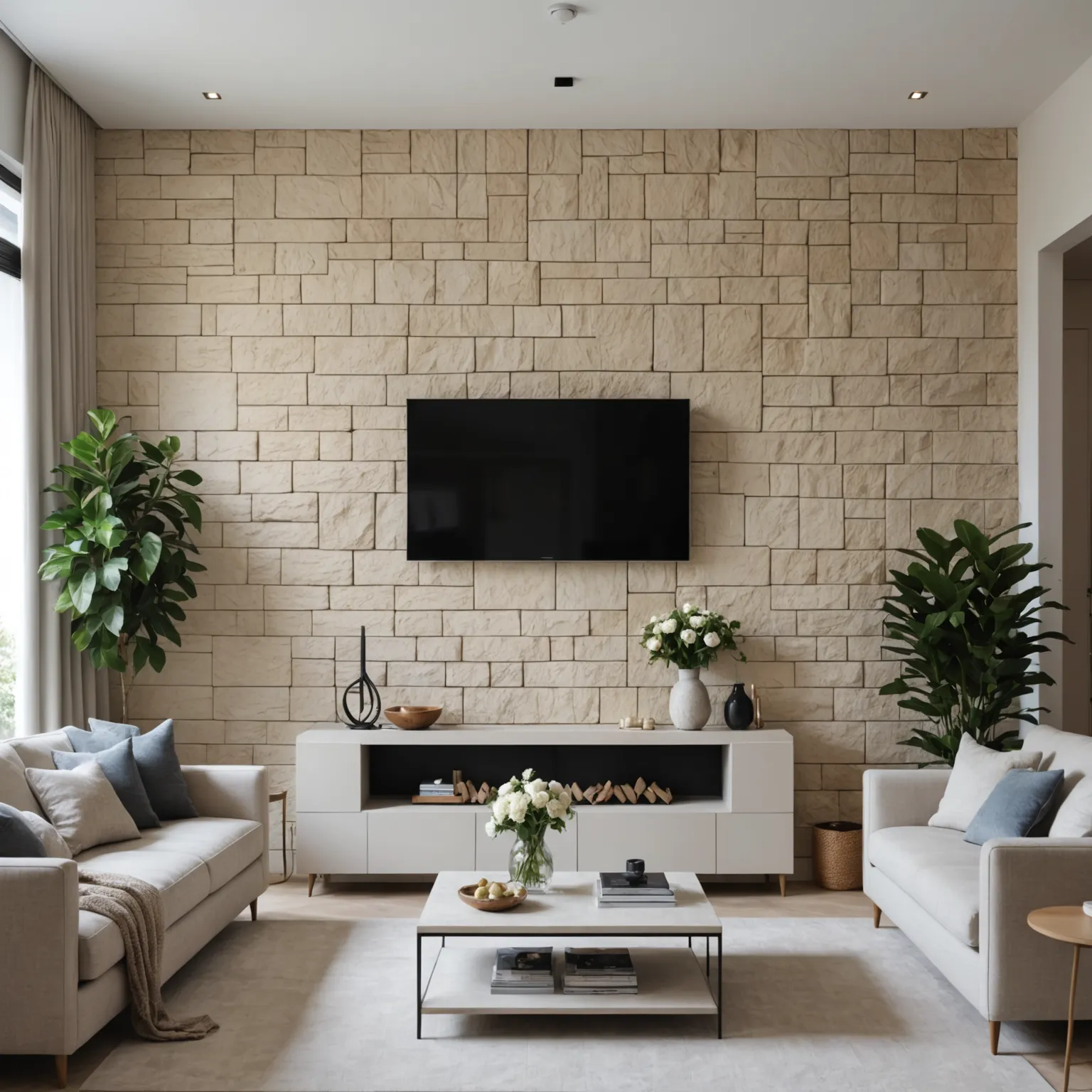
Minimalism has evolved. A decade ago, it meant white walls, polished concrete, and cold surfaces. Today, minimalism embraces warmth and material authenticity. Limestone naturally fits this direction because it adds depth without overwhelming the composition.
Designers increasingly use large-format limestone slabs for feature walls and fireplace surrounds. Under side lighting, the natural relief becomes visible, creating subtle shadows that change throughout the day. Morning light reveals soft beige tones, while evening illumination brings warmer hues.
The material interacts with indoor climate conditions. Limestone can absorb minor moisture and release it gradually, contributing to a balanced environment. This characteristic is particularly noticeable in private houses with natural ventilation systems.
Many homeowners first encounter the material through exterior applications. After selecting natural facade stone, they recognize its visual strength and decide to extend the concept inside the house.
Texture and Color: How Limestone Shapes Atmosphere
Limestone is rarely perfectly uniform. Fossil traces, mineral inclusions, and gentle tonal transitions create a layered appearance. This natural variation adds character without becoming visually chaotic.
Light beige and creamy shades work well in compact rooms. They reflect diffused daylight without producing glare. On a cloudy afternoon, the surface still maintains warmth rather than turning cold.
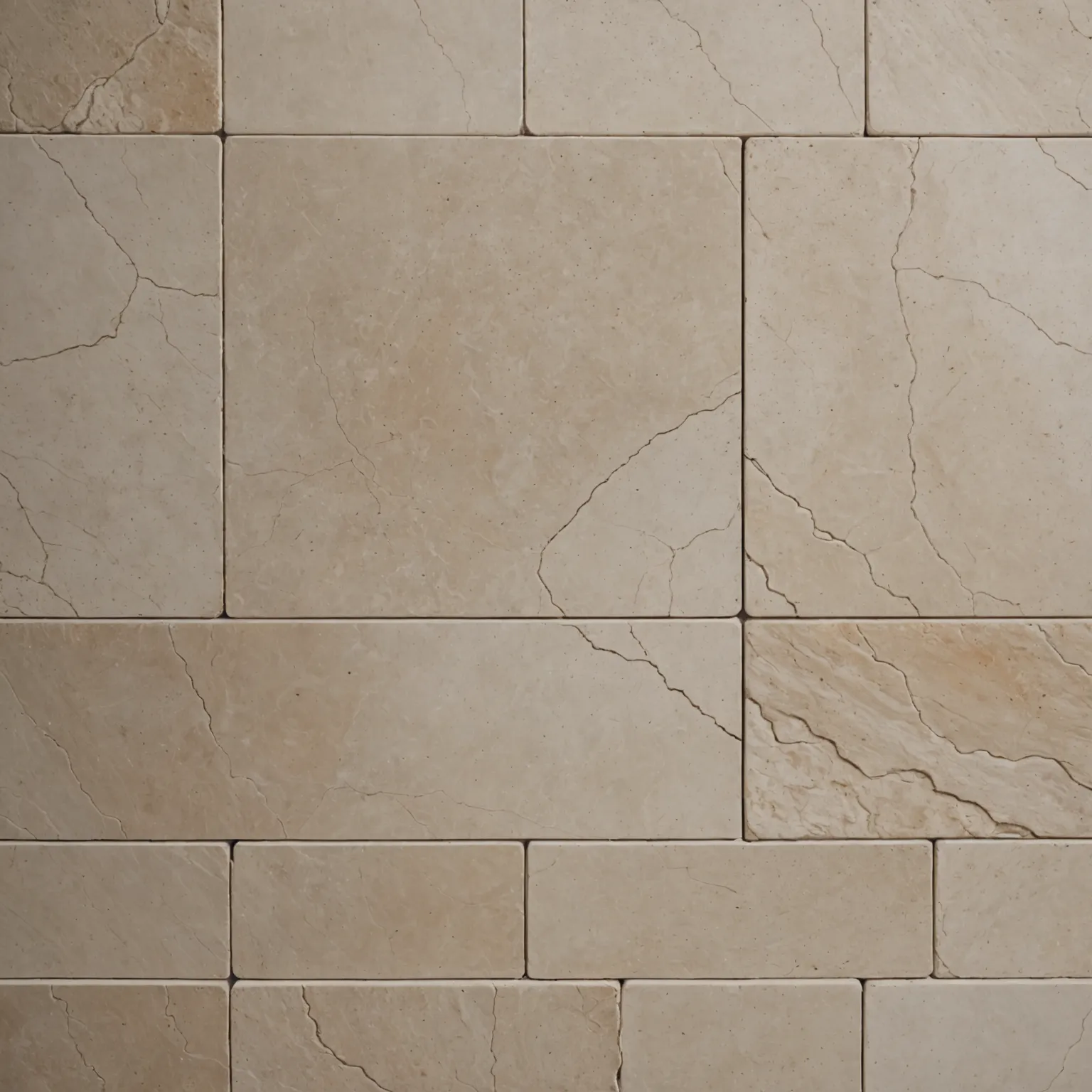
In larger spaces, slightly darker grey-beige limestone creates intimacy and visual depth. The stone acts as a calm background for furniture, textiles, and artwork. It does not compete with interior accents.
When evaluating material options, price alone should not be the determining factor. Even attractive offers in the sale section require attention to batch consistency, thickness, and intended application.
Where Limestone Looks Most Expressive
Fireplace surrounds remain one of the most striking applications. The warmth of fire enhances the natural color of limestone, and the slightly textured surface amplifies the sense of comfort. In the evening, the stone appears deeper and more dramatic.
Staircase walls and entrance halls are also ideal locations. Limestone introduces solidity and architectural weight without heaviness. The space feels stable and well-structured.
In kitchens, limestone is used for islands, backsplashes, and accent walls. Proper sealing is essential to minimize staining. Honed finishes are typically preferred for functional areas.
Designers often combine limestone with sandstone or quartzite to create layered compositions. Examples of complementary textures can be explored in the sandstone and quartzite collection, where different surface structures provide visual contrast.
Stone installers frequently observe that limestone performs best in interiors with natural daylight. With well-designed lighting, its surface becomes a central architectural element rather than just a decorative layer.
Limestone in interiors is increasingly treated not as decoration but as an architectural component. It defines visual axes, frames functional zones, and strengthens the geometry of a space. A stone wall can replace a partition while preserving openness. The result feels structured yet calm.
Limestone in High-Traffic and Moist Areas
A common misconception is that limestone is suitable only for dry rooms. In reality, performance depends on surface treatment and proper installation. When sealed correctly, limestone can function reliably in kitchens, bathrooms, and entryways.
In hallways, limestone wall cladding withstands daily friction from clothing, bags, and occasional contact with outdoor debris. The surface develops a subtle patina over time, which is typically perceived as character rather than damage. This aging process is gradual and uniform.
Bathrooms benefit from limestone’s natural warmth. Unlike glossy tiles, the stone diffuses light softly and avoids harsh reflections. With adequate ventilation and periodic sealing, long-term durability is not compromised.
For projects that combine exterior and interior applications, it is practical to coordinate logistics in advance through the delivery information page. This helps avoid delays and ensures consistent batches for the entire project.
Combining Limestone with Contemporary Materials
One current design strategy pairs limestone with microcement. The matte, industrial surface contrasts with the organic texture of stone. This balance creates depth without excessive ornamentation.
In homes with panoramic glazing, limestone plays a stabilizing role. On rainy days, its warm undertones counteract grey outdoor light. During bright afternoons, subtle mineral variations become more visible.
Wood remains limestone’s most natural partner. Light oak, thermally treated ash, or even reclaimed beams enhance the tactile quality of the interior. Together, these materials establish a cohesive atmosphere.
Metal is typically introduced in measured amounts. Black steel profiles or brushed brass fixtures emphasize clean lines. Limestone acts as a neutral anchor that prevents the composition from feeling cold.
Surface Finishes and Their Impact on Style
Sawn finishes provide sharp geometry and clean edges. They are suitable for contemporary minimalist interiors where clarity of form is essential. The surface appears structured and controlled.
Brushed limestone introduces a subtle relief. The tactile sensation becomes more pronounced, especially under side lighting. This finish works well in living rooms and transitional spaces.
Honed Limestone in Residential Interiors
Honed finishes are among the most versatile options. They reduce reflectivity while maintaining a refined appearance. Cleaning and maintenance are relatively straightforward compared to highly polished surfaces.
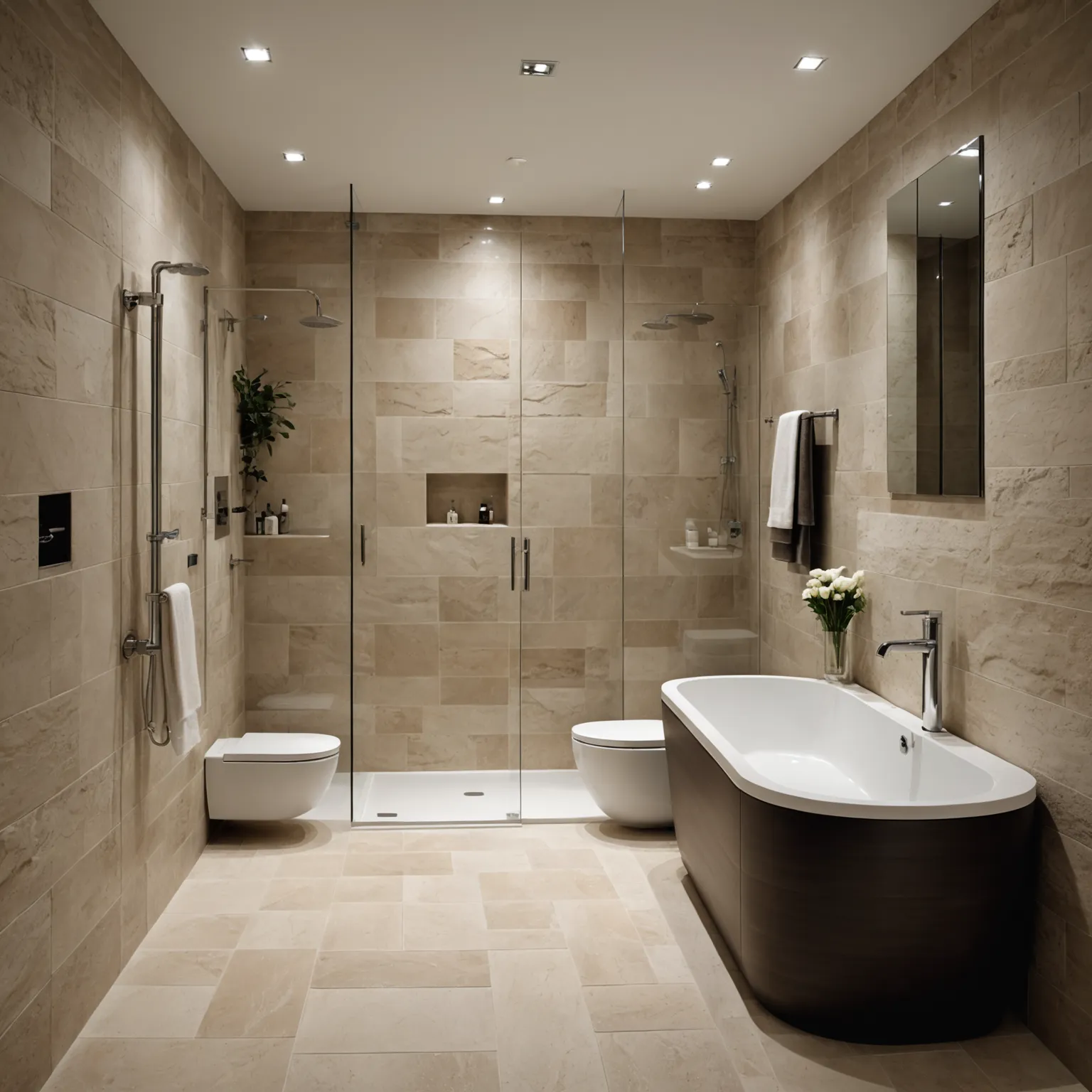
Polished limestone enhances color saturation and highlights mineral details. However, it requires careful lighting design and is less common in understated interiors. The choice should align with the overall architectural concept.
Experience from Private Residential Projects
In country houses, limestone often connects terraces with interior living areas. When sliding doors are open, the transition feels seamless. The continuity of material strengthens the architectural narrative.
Limestone performs well under seasonal indoor temperature changes when installed correctly. Expansion joints and appropriate adhesives are essential for long-term stability. Professional installation significantly reduces risk.
Routine maintenance is manageable. Periodic resealing protects the surface from stains and moisture. The stone retains its structural integrity for decades.
Before finalizing specifications, consulting professionals through the contact page helps clarify thickness, finish, and suitable applications based on project requirements.
Comparing Limestone with Alternative Materials
Homeowners frequently choose between natural stone and porcelain tile. While porcelain can visually imitate stone, the tactile experience differs. Porcelain remains consistently cold and uniform.
Concrete offers a contemporary aesthetic but may develop microcracks over time. Limestone, by contrast, ages with a gradual patina that enhances rather than detracts from its appearance. This distinction becomes noticeable after several years.
Marble presents dramatic veining and higher density. Limestone provides a calmer, more understated expression. The choice depends on whether the project aims for visual intensity or restrained elegance.
The following table summarizes key differences for practical decision-making.
| Material | Texture | Aging Behavior | Tactile Feel |
|---|---|---|---|
| Limestone | Soft, natural | Develops even patina | Warm to the touch |
| Porcelain Tile | Imitative | Unchanged over time | Cool and uniform |
| Concrete | Porous | Possible microcracks | Neutral |
Practical advice from installers: always review limestone samples in both daylight and artificial evening lighting. The same slab can appear significantly different depending on window orientation and floor color.
Integrating Limestone into a Coherent Design Concept
Slab format selection influences perception. Large panels create monolithic surfaces, while smaller modules introduce rhythm. The choice should correspond to ceiling height and room proportions.
Lighting design is crucial. Linear LED strips emphasize texture, whereas spotlights highlight mineral patterns. Thoughtful placement prevents unwanted glare.
In functional areas such as kitchens, additional protective treatments are advisable. The installation method must align with substrate conditions. Technical preparation directly affects longevity.
Limestone should reinforce the architectural idea rather than function as a random accent. When integrated coherently, it enhances spatial identity without excess decoration.
In one private residence, the owner initially planned to clad only the fireplace in limestone. After reviewing installed samples, the design extended to an adjacent wall, creating a unified focal zone that transformed the entire living area.
- Limestone introduces tactile warmth into contemporary interiors.
- Proper sealing enables use in kitchens and bathrooms.
- The material pairs naturally with wood and restrained metal details.
- Over time, limestone develops a uniform, character-enhancing patina.
FAQ
Is limestone suitable for apartments in multi-story buildings?
Yes, limestone is widely used in apartments for feature walls and fireplace surrounds. Structural load must be evaluated, especially in older buildings, but in most modern constructions the additional weight remains within acceptable limits. Professional installation ensures long-term stability and safety.
Can limestone be installed in bathrooms?
It can, provided proper sealing and ventilation are ensured. On one hand, limestone is naturally porous and requires protection. On the other hand, when maintained correctly, it performs reliably and offers a softer visual experience compared to glazed tiles.
Is limestone difficult to maintain?
Maintenance is manageable. Regular cleaning with non-acidic products and periodic resealing are typically sufficient. Unlike highly polished stones, honed limestone does not require frequent restoration procedures.
How does limestone differ from marble?
Marble features stronger veining and higher density, resulting in a more dramatic appearance. Limestone offers a calmer, subtler aesthetic and warmer tactile feel. The selection depends on whether the project prioritizes visual contrast or understated harmony.
How should the right limestone shade be selected?
Samples should be reviewed under both natural and artificial lighting conditions. Daylight exposure, window orientation, and surrounding materials significantly influence perceived color. Evaluating slabs in the actual space prevents mismatched expectations.
Is professional consultation recommended before purchasing?
Yes. Discussing slab thickness, finish, and intended use with specialists helps avoid technical errors. For detailed guidance, you may contact the team at +380(50)433-01-01 to clarify specifications and installation considerations.
Is limestone appropriate for commercial interiors?
Yes, when thickness and finish are selected according to expected traffic levels. In offices or restaurants, limestone conveys solidity and authenticity. With proper maintenance, it retains structural and visual integrity for many years.
What is the typical lifespan of limestone in interiors?
When installed correctly and maintained appropriately, limestone can last for decades. Rather than deteriorating, it develops a consistent patina that enhances its natural character and integrates seamlessly into evolving interior styles.