Kiev, ave. Lobanovsky, 14


 +3 80 (50) 433-01-01
 Video
Video 3D Tour
Travertine Stairs: Natural Elegance for Your Interior
The day inside a home often begins on the staircase. Cool stone under bare feet, soft daylight sliding across the steps, the muted sound of movement without echo. A staircase is not decoration; it is a daily route that defines how the house is experienced. This is where the choice of material becomes especially noticeable.
Travertine behaves differently from polished marble or porcelain stoneware. Its surface feels warmer, its texture more alive, with natural pores and gentle color transitions. Such stairs do not dominate the interior but quietly shape its atmosphere.
When choosing a stone staircase, homeowners usually look for balance. Visual character must work together with comfort and everyday practicality. Travertine often becomes that middle ground where both requirements meet.
Travertine staircase: natural elegance for your interior: the main challenge lies in combining expressive appearance with daily usability. Travertine addresses this through its natural texture, moderate hardness, and pleasant tactile feel. The result is a staircase that integrates seamlessly into the interior and remains comfortable in everyday use.
Why travertine is chosen for staircases
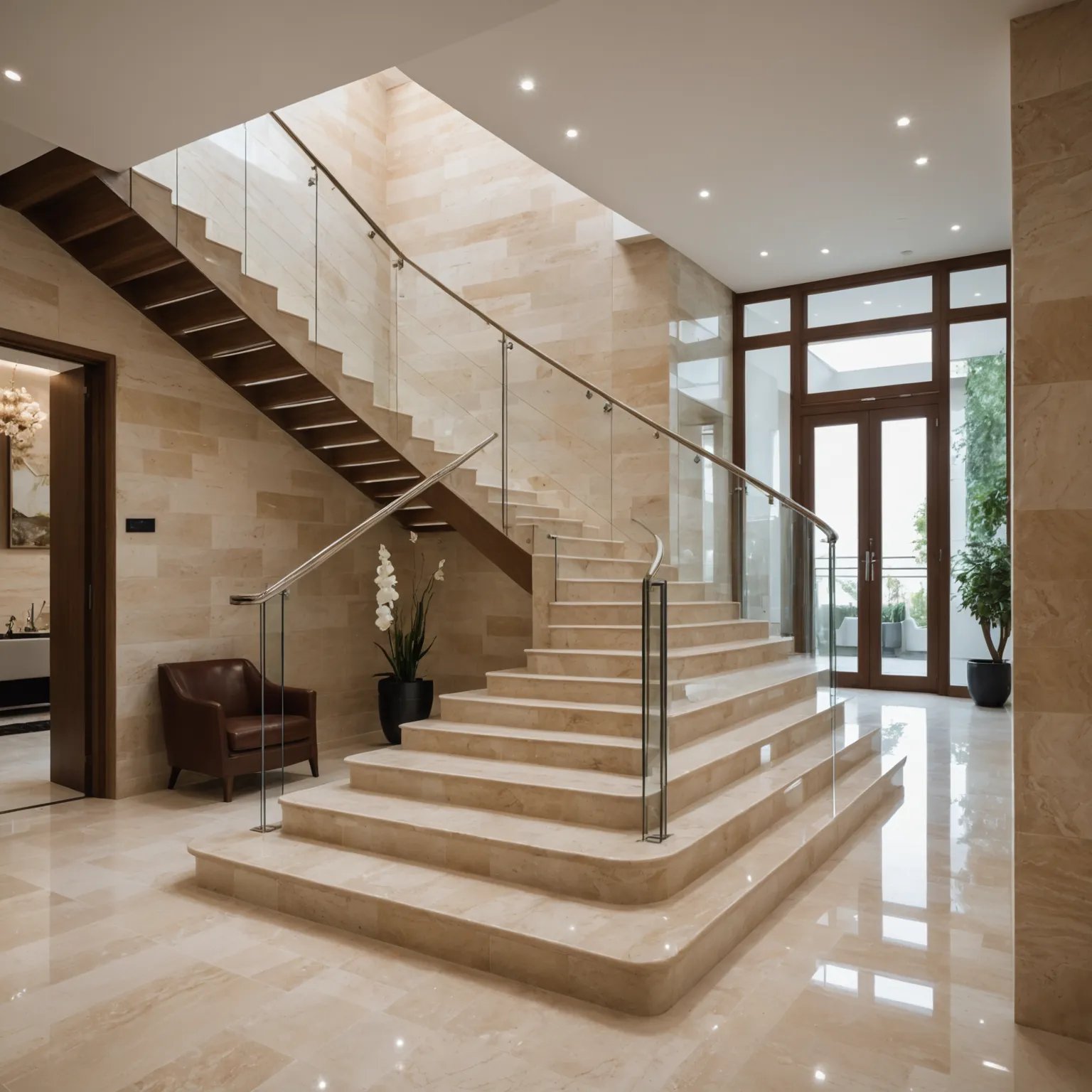
Travertine is a sedimentary stone formed in layers, and this structure influences how it performs. Compared to polished marble, it is less slippery and visually lighter in vertical constructions. For staircases, this distinction matters.
The stone reacts well to different lighting conditions. In daylight, its layered pattern becomes more pronounced; in the evening, it softly reflects warm artificial light. The space feels calm rather than ceremonial.
Travertine works naturally alongside wood, metal, and glass. It is often paired with wooden handrails or minimalist railings without overwhelming the design.
In homes where interior spaces connect visually with entrances or outdoor zones, travertine helps create continuity between internal stairs and other stone elements.
Texture and visual depth of the stone
The defining feature of travertine is its porous structure. Natural cavities create subtle variations of light and shadow, so each step looks slightly different. The staircase avoids visual monotony.
Color tones range from light cream to warm sandy shades. This makes travertine adaptable to many interiors without pulling focus away from furniture or architecture.
The surface can be filled for a more refined appearance or left partially open to highlight its natural origin. Each option changes how the staircase feels within the space.
This flexibility is one of the reasons travertine remains a versatile choice for residential interiors.
Everyday use in a living environment
A staircase is a high-traffic element, and material behavior over time matters. Travertine is dense enough to resist crumbling when properly selected and installed.
Steps are usually honed or brushed rather than polished. This reduces slipping and makes walking safer, even in socks or indoor footwear.
Maintenance is straightforward but requires awareness. Harsh chemicals are unsuitable, yet regular dry and damp cleaning keeps the surface stable for years.
In houses where stairs are close to the entrance, travertine is often combined with other natural finishes similar to textured stone materials.
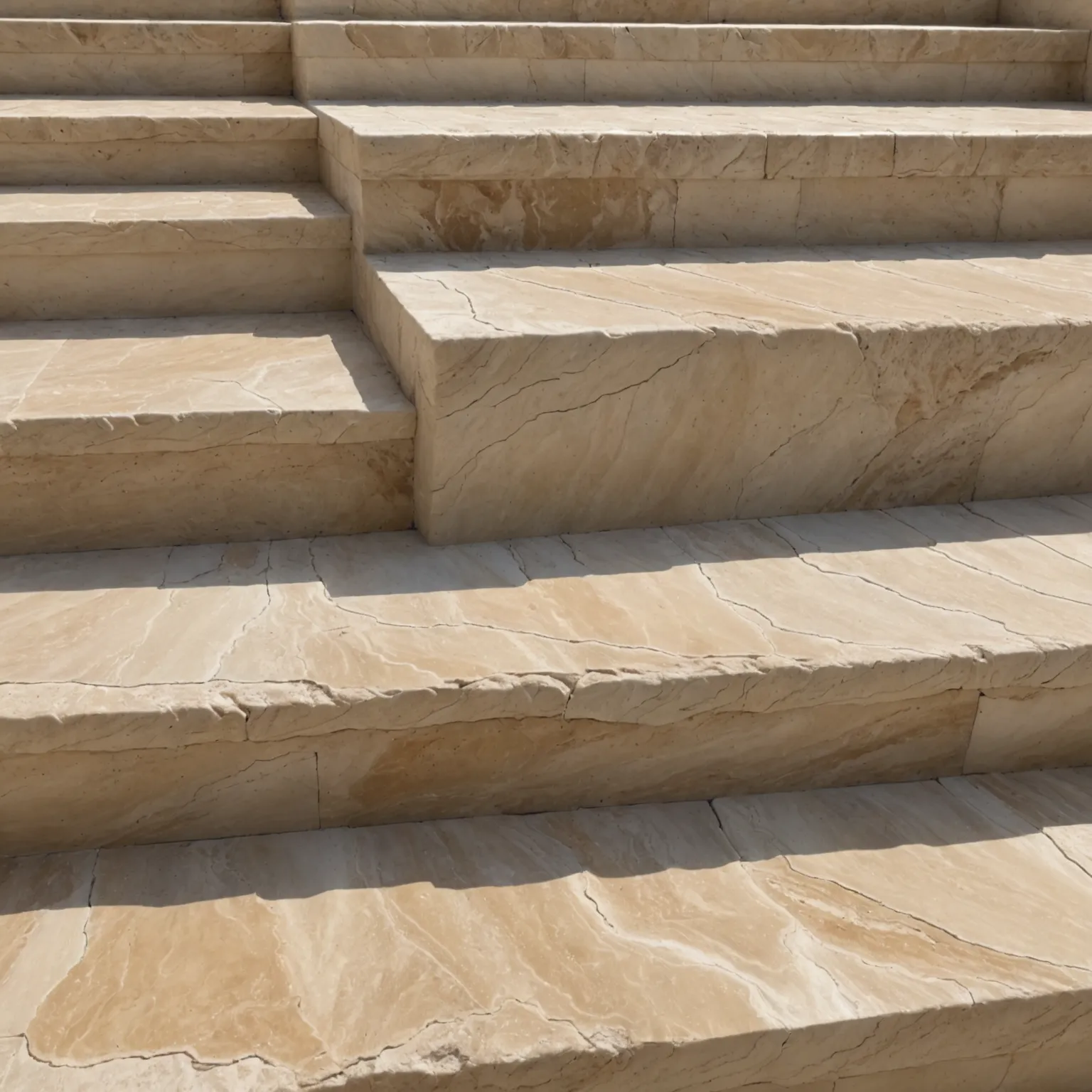
Installers often note that travertine ages gracefully. Minor wear marks blend into the surface and appear natural rather than damaged.
During staircase planning, the surrounding finishes are just as important as the stone itself. Travertine pairs well with neutral walls, plastered surfaces, and restrained color palettes.
When a staircase becomes a central architectural feature, travertine provides a sense of quality without visual excess.
Stone format and origin also play a role. Proper sizing reduces cutting and improves the overall geometry of the steps.
Many of these solutions can be seen in completed interiors showcased in the project gallery.
Before final selection, it is worth considering humidity, traffic intensity, and lighting. These factors influence surface treatment and long-term comfort.
Well-chosen travertine remains relevant for decades. Its aesthetic is rooted in material logic rather than trends.
This is why travertine staircases often become permanent elements of a home rather than temporary design choices.
Comprehensive material selection is easier when guided by references available on the official KievStone website.
A travertine staircase reveals its full character only within the context of the entire house. It is part of a movement path, connecting entrance zones with living spaces and private levels. For this reason, it is treated as an architectural element rather than a decorative feature.
The stone works not only visually but emotionally. Travertine feels calm and balanced, avoiding the coldness associated with highly polished surfaces.
In practice, such staircases are almost always custom-made. Geometry, lighting, and spatial proportions rarely allow for standard solutions.
How travertine changes over time
One common concern relates to aging. Travertine does not remain static, and this quality is part of its appeal.
Over the years, the color deepens slightly and the texture becomes more pronounced. With proper sealing, everyday moisture poses no issue.
Traces of use appear gradually and integrate into the overall surface rather than standing out sharply.
This makes travertine feel more stable in living spaces than many artificial materials.
Safety and comfort on the stairs
A staircase must feel safe during daily use. Travertine allows for slip-resistant finishes without aggressive textures.
Edge profiles and step proportions are as important as the stone itself. Travertine adapts well to different step geometries.
In homes with children or elderly residents, rounded edges are often preferred and can be achieved without losing natural character.
The result is a staircase that feels coherent and comfortable.
Combining travertine with other materials
Travertine rarely stands alone. Its strength lies in combinations.
Wood is the most common companion, adding warmth and visual balance.
Metal railings highlight the stone’s texture, while glass introduces lightness.
Such combinations are frequently used in homes where interior staircases correspond with other stone elements from natural stone collections.
When the staircase becomes a focal point
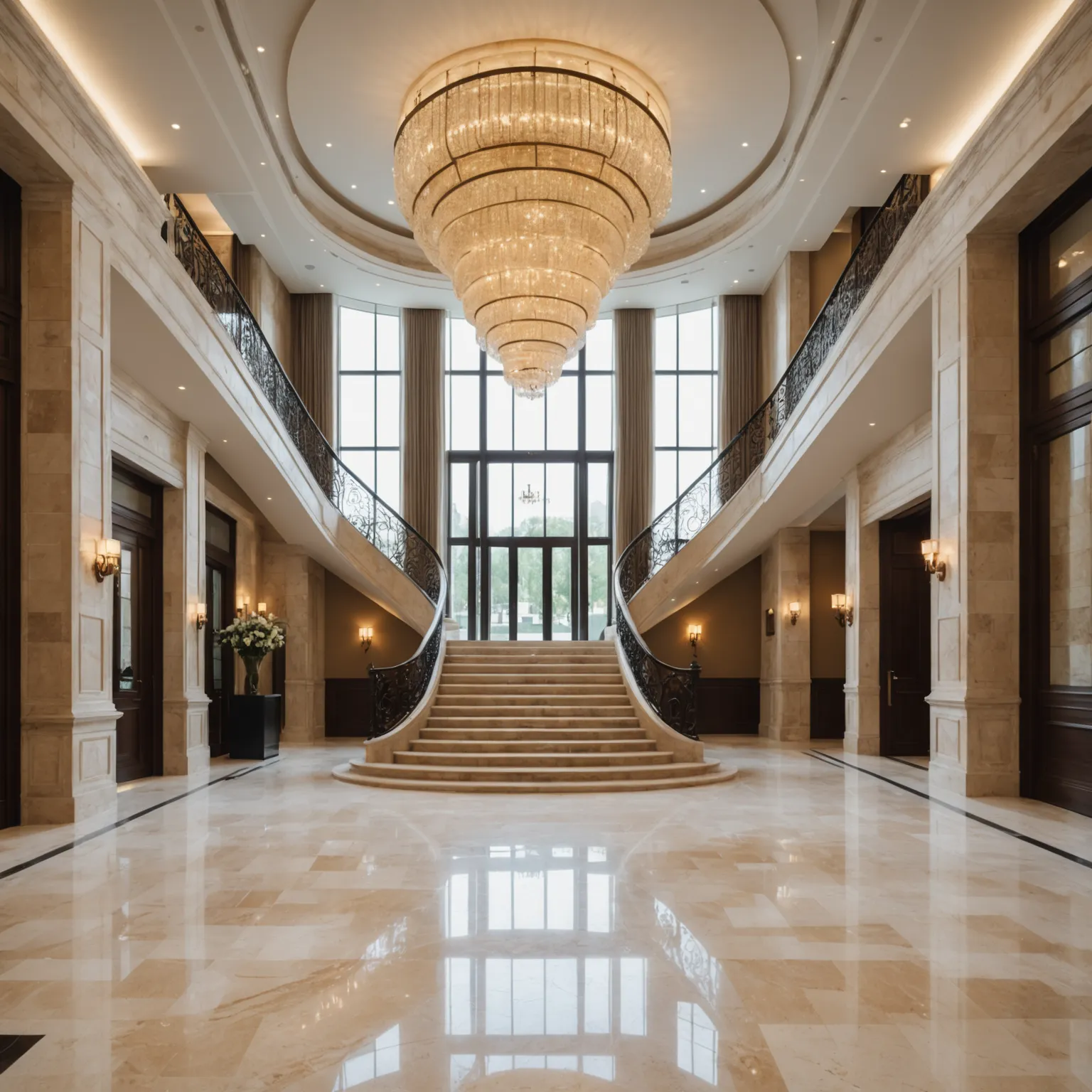
In certain interiors, the staircase acts as the main visual anchor. Travertine performs especially well in this role.
Even without decorative elements, the stone attracts attention through its natural pattern.
In larger spaces, travertine adds rhythm and structure.
At the same time, it remains a neutral background for furniture and decor.
Travertine compared to alternative materials
Travertine is often compared with marble, granite, and porcelain stoneware.
Its advantage lies in tactile comfort and visual softness.
While it is less hard than granite, this rarely matters in residential staircases.
For private homes, this balance often makes travertine the preferred option.
| Material | Visual impression | Daily comfort | Maintenance level |
|---|---|---|---|
| Travertine | Natural, soft texture | High | Moderate |
| Marble | Formal, cool | Medium | High |
| Granite | Strict, massive | Medium | Low |
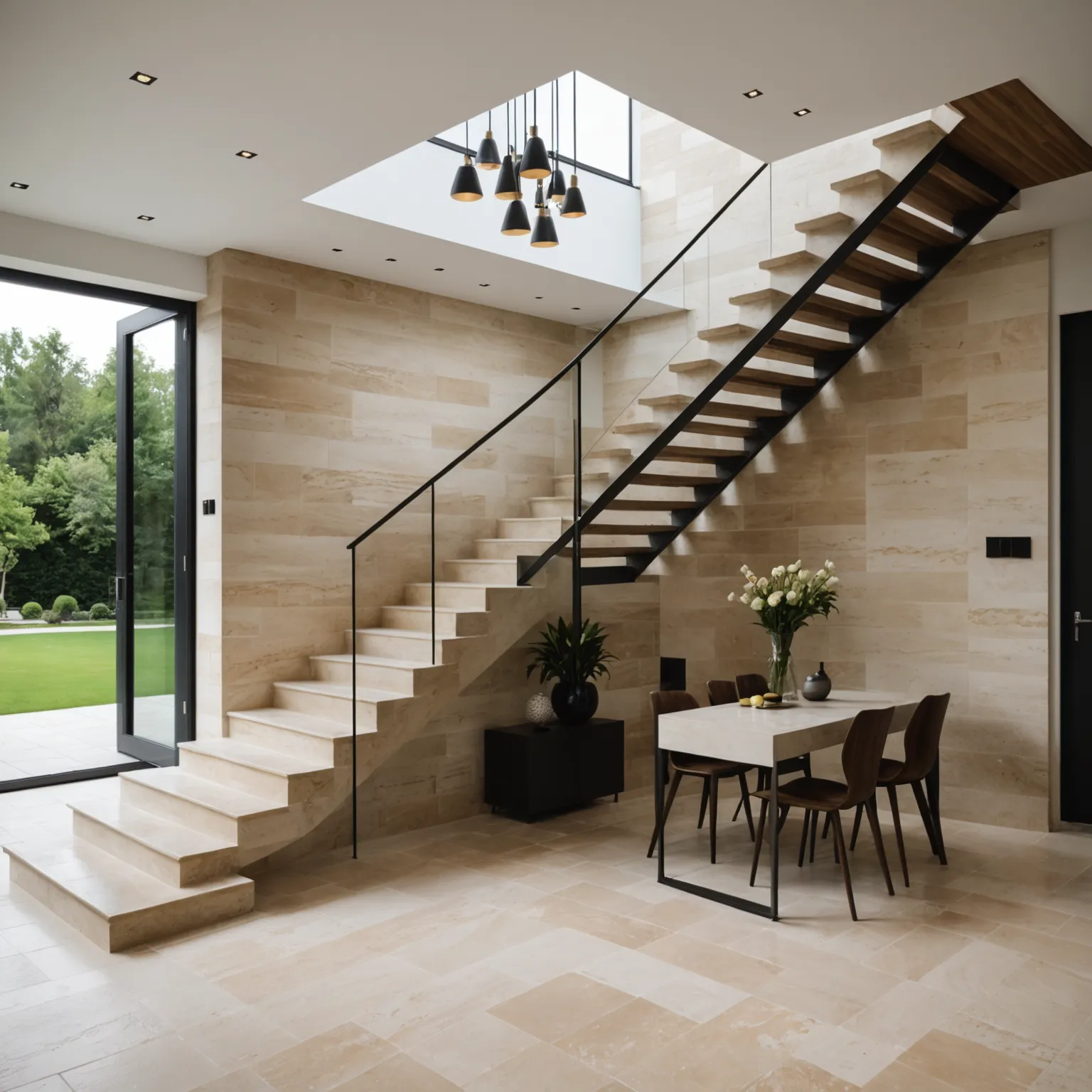
Practical advice: always review finished steps, not just stone samples. Horizontal surfaces reveal texture differently.
In one private residence, the travertine staircase was installed alongside the entrance area. After several years, the stone in both zones aged consistently, maintaining visual harmony.
- Travertine offers a calm, comfortable staircase for daily use.
- The stone ages naturally without losing its character.
- Surface treatment directly affects safety and walking comfort.
- Travertine works best in combination with wood and metal.
FAQ
Is travertine suitable for staircases in family homes?
Yes, when properly finished, travertine is well suited for family homes. Honed or brushed surfaces reduce slipping, and the stone feels comfortable underfoot. Step geometry and edge profiles also contribute to safety.
How durable is travertine on stairs?
Travertine handles residential traffic well. While it is softer than granite, its textured surface conceals minor wear. With proper installation and care, a travertine staircase can last for decades.
Can travertine be used for entrance staircases?
It can, provided the stone density and protective treatment are selected correctly. Outdoor conditions require sealing and consideration of moisture and temperature changes.
Is maintenance complicated for travertine stairs?
Maintenance is simple but requires care. Acidic or abrasive cleaners should be avoided. Regular cleaning and occasional resealing are sufficient.
How does travertine compare to marble on staircases?
Travertine feels warmer and less formal. Marble offers a more dramatic look, but travertine provides better everyday comfort and reduced slipperiness.
Can a travertine staircase be custom designed?
Yes, most travertine staircases are custom-made. This allows adaptation to layout, lighting, and architectural style. Consultation is available by phone at +380(50)433-01-01.
Does travertine suit modern interiors?
Travertine fits well into modern interiors due to its neutral palette and restrained texture. It works in minimalism, contemporary classic, and mixed styles.
Where can I see real examples of travertine staircases?
The best reference is completed projects where the stone is shown in real conditions. This provides a more accurate understanding than samples alone.