Kiev, ave. Lobanovsky, 14


 +3 80 (50) 433-01-01
 Video
Video 3D Tour
How to choose a pool stone: care and maintenance tips
- Granite: This stone is famous for its strength and resistance to water. Granite slabs practically do not absorb moisture, which makes them an excellent choice for areas around the pool.
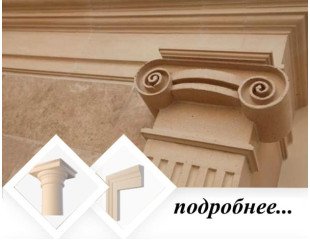
- Sandstone: Another popular material due to its natural look and pleasant texture. Sandstone, due to its porosity, requires more careful maintenance, but it adds a warm and natural aesthetic. Check out the range of sandstone on the Kyivstone website, where you can order high-quality materials with convenient delivery.
- Travertine: This stone is prized for its structure and ability to remain cool even in direct sunlight. It is ideal for areas around the pool where barefoot comfort is important.
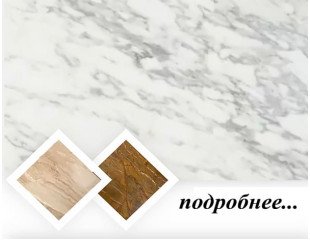
- Marble: An elegant and sophisticated stone that will add a luxurious look to your pool. However, marble requires careful maintenance to maintain its original shine.
2. Criteria for choosing a stone
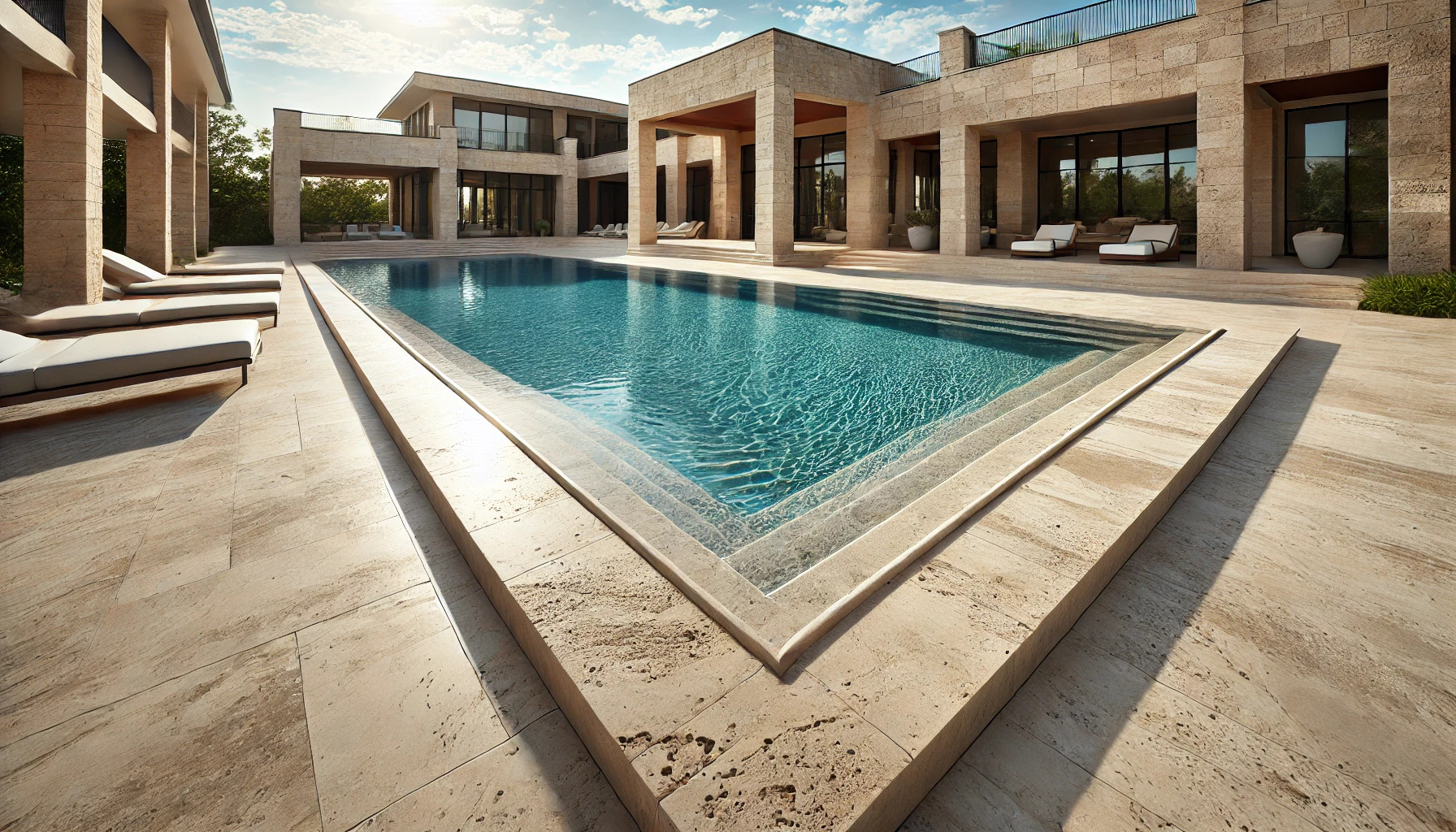 Aesthetics and Style
3. Stone Maintenance
- Cleaning from dirt: Regularly remove plaque and dirt from the surface of the stone using special cleaning products. Chlorine and other chemicals can accumulate on the stone and spoil its appearance.
- Coating with a protective agent: To extend the life of the stone and protect it from moisture, it is recommended to apply a special protective coating. This is especially important for porous materials such as sandstone and travertine.
- Avoid mechanical damage: Do not use aggressive cleaning agents or hard brushes that can scratch the surface of the stone.
4. Stone maintenance
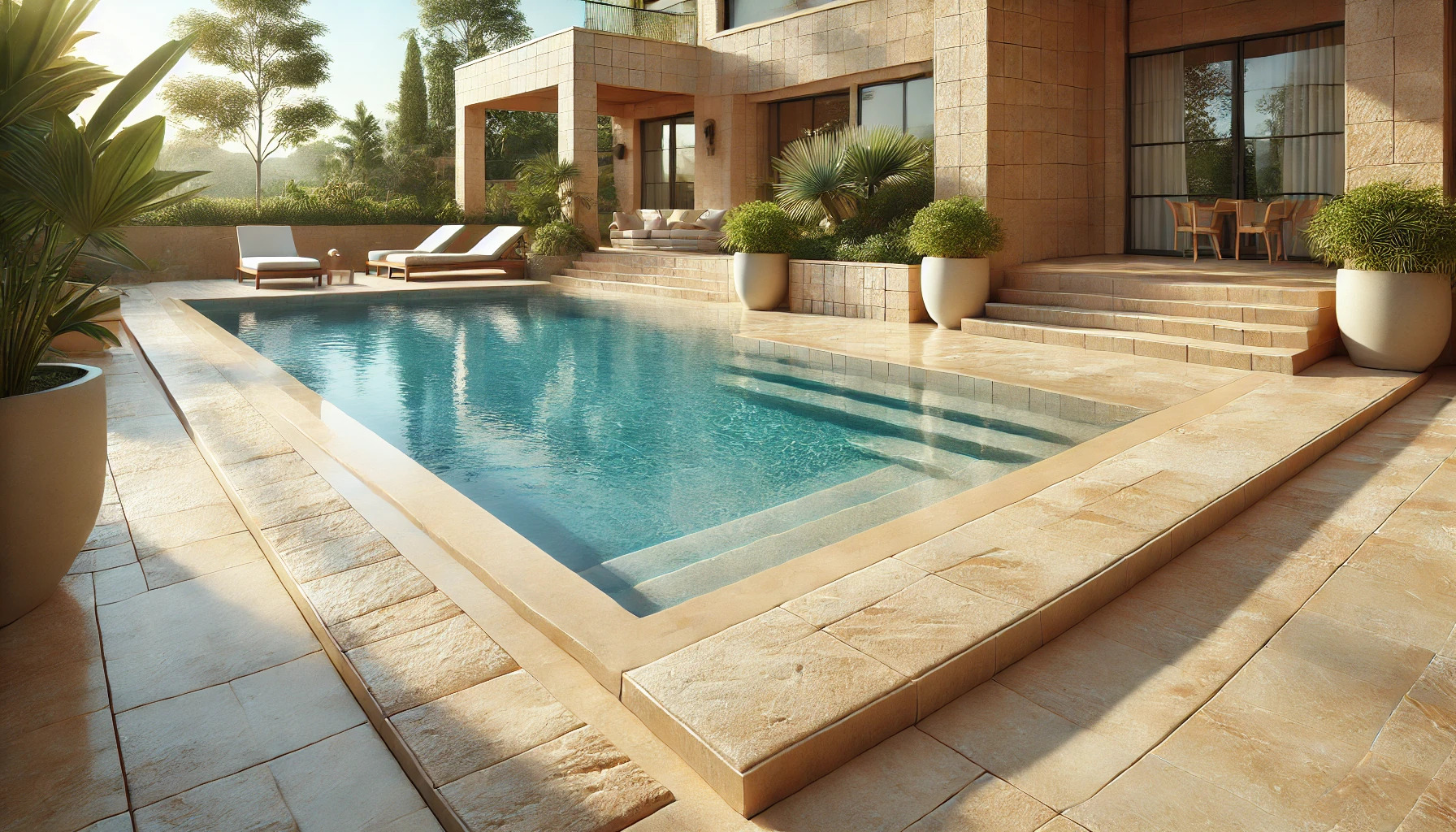 5. Where to buy high-quality pool stone?
Conclusion
FAQ
Which stone is best for swimming pool cladding?
The choice of stone depends on your priorities. Granite is the most durable option and absorbs almost no water, making it perfect for areas that require maximum strength and resistance. Sandstone provides warm, natural tones and a pleasant texture but needs regular protective treatments. Travertine is highly valued for its low thermal conductivity and comfort under bare feet, which makes it especially suitable for pool decks. Marble gives an elegant, luxurious look but requires careful maintenance. There is no single universal solution — it is important to find a balance of durability, safety, and aesthetics that fits your project.
Is it safe to use natural stone around the pool?
Yes, natural stone can be a safe choice, but the type of finish and stone is crucial. Around pools, the surface must be slip-resistant. Highly polished granite or marble may become slippery, so a matte or textured finish is preferable. Sandstone and travertine naturally provide a slightly rough texture that reduces slip risk. Additionally, applying anti-slip sealants and treatments can enhance safety. With the right choice and regular care, natural stone is both a beautiful and practical solution for pool surroundings.
How should I maintain stone cladding in a pool area?
Maintenance involves regular cleaning and surface protection. Deposits, scale, and traces of pool chemicals should be removed using products designed for natural stone. Porous materials such as sandstone or travertine benefit from water-repellent sealers that prevent deep moisture penetration. Protective coatings help preserve the stone’s appearance and extend its lifespan. Avoid harsh brushes or aggressive cleaners to prevent scratches and surface damage. Regular inspections for cracks or defects are also recommended to address issues early and maintain the pool’s attractive look for years to come.
Can the same stone be used for the pool basin and the surrounding deck?
Technically it is possible, but not always the best approach. For the pool basin, dense and low-porosity stones like granite or marble are more suitable if properly treated. For the surrounding deck, it is better to use materials that stay cool in the sun and provide a slip-resistant surface, such as travertine or sandstone. Combining different stones according to their properties enhances both durability and user comfort. When designing a pool, consider not only aesthetics but also performance characteristics to achieve a safe, long-lasting, and harmonious result.