
 Kiev, ave. Lobanovsky, 14


 +3 80 (50) 433-01-01
 Video
Video 3D Tour
Travertine Tiles: Features and Interior Applications
The kitchen is still quiet, no clatter of dishes yet, and soft light gently settles on the walls. The floor feels pleasantly cool under bare feet. Travertine tile does not draw attention to itself, yet it defines the mood of the space. The stone feels calm and natural, as if it has always belonged here. This is exactly how travertine usually works in residential interiors.
This material is rarely chosen for an instant visual effect. It is valued for its tactile qualities, subtle natural pattern, and its ability to blend seamlessly with wood, metal, and textiles. Travertine tile does not dominate the interior but quietly supports its overall concept.
At the same time, travertine remains a natural stone with its own characteristics. To use it properly, it is important to understand where it performs best and what roles it can realistically play in interior spaces.
Travertine tile: features and interior applications: the key challenge is balancing natural aesthetics with everyday practicality. Travertine addresses this through its soft texture and warm color palette. The homeowner gets a material that creates a comfortable atmosphere while remaining practical for daily use.
Natural structure of travertine and its impact on space
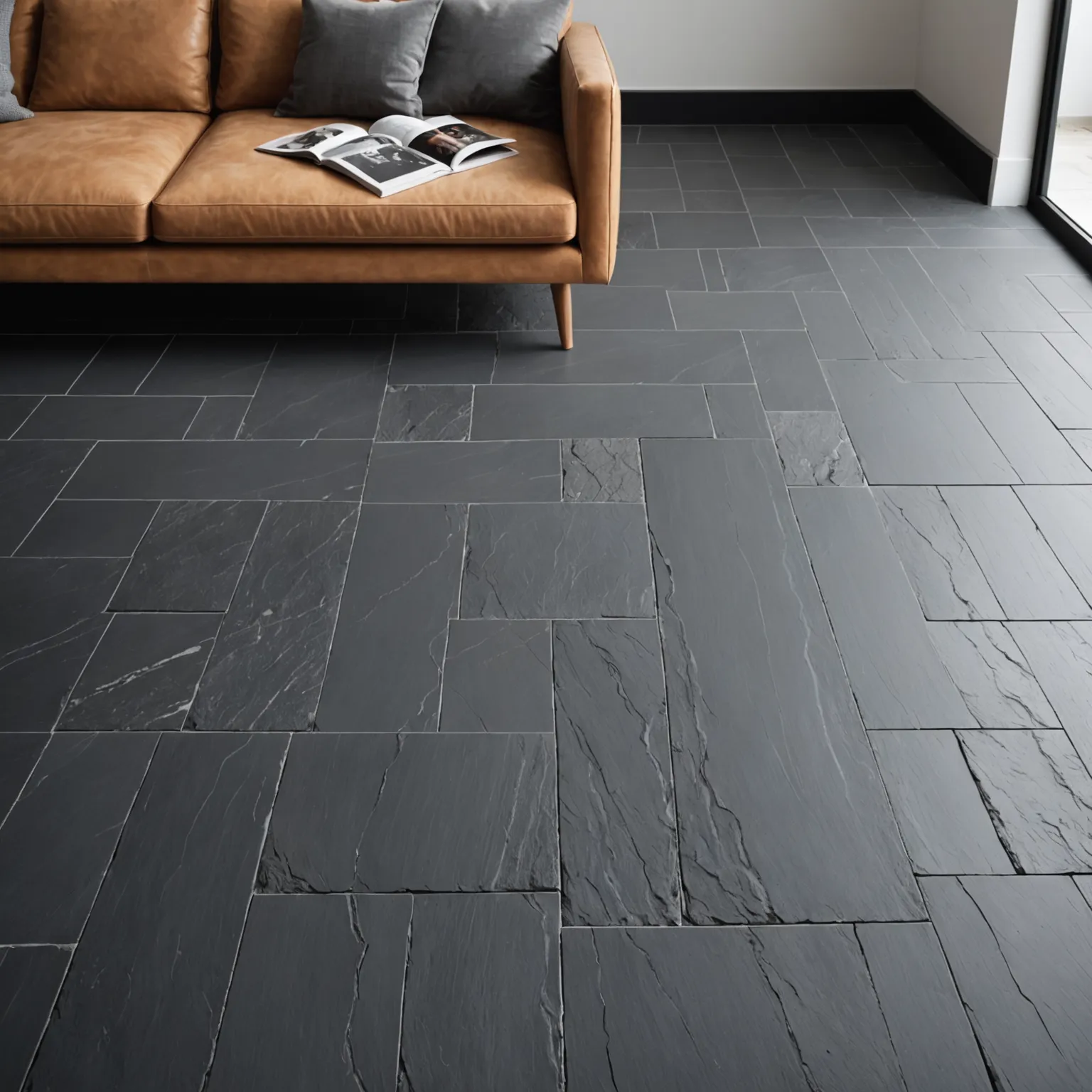
Travertine forms naturally through carbonate sedimentation, which directly influences its structure. The stone has characteristic pores and layering that create a recognizable natural relief. This natural variation is what gives travertine its visual depth.
In interiors, this structure enhances spatial perception. Even monochromatic surfaces avoid looking flat, as light interacts differently with the stone throughout the day.
When properly processed, porosity does not become a drawback. The stone retains its natural character while becoming more resistant to everyday wear.
For this reason, travertine is often used in living areas where a calm, natural atmosphere is more important than strict geometric precision.
Color palette and visual perception
Travertine is typically found in warm, natural tones. Beige, cream, and light brown shades blend easily with most interior styles.
This palette visually warms up a space and makes it feel more inviting. Even minimalist interiors gain a sense of comfort when travertine is introduced.
It is important to understand that natural stone is never perfectly uniform. Subtle color transitions are part of its character rather than a flaw.
Because of this, travertine tile works equally well in classic interiors and modern spaces that value natural textures.
Where travertine tile is most commonly used
The most common application is flooring in living rooms and halls. Travertine creates a continuous surface without the cold feel often associated with stone.
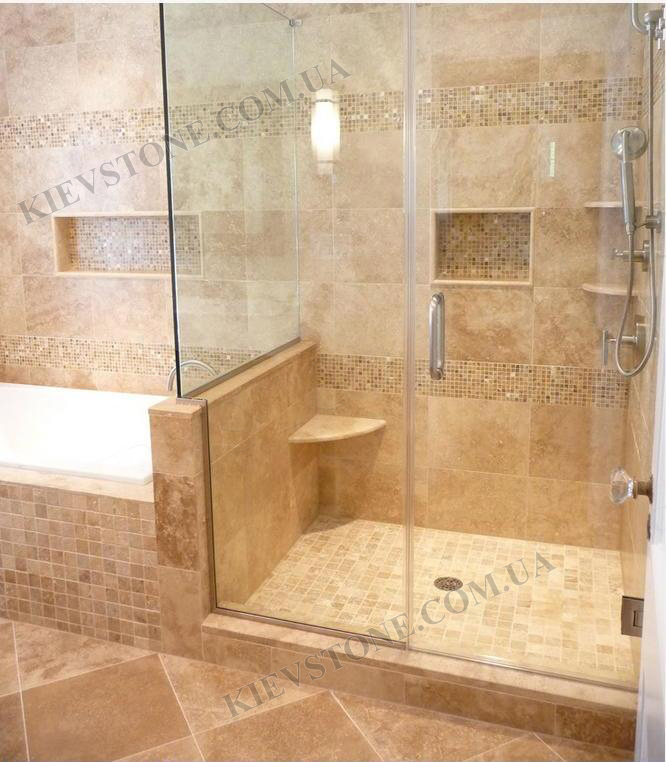
It is also widely used for wall cladding in bathrooms and relaxation zones. With proper treatment, the surface remains pleasant to the touch.
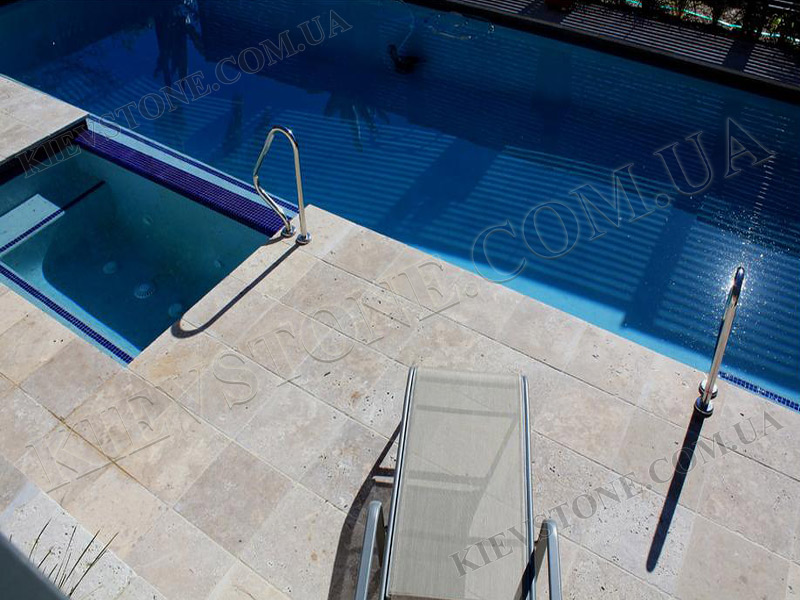
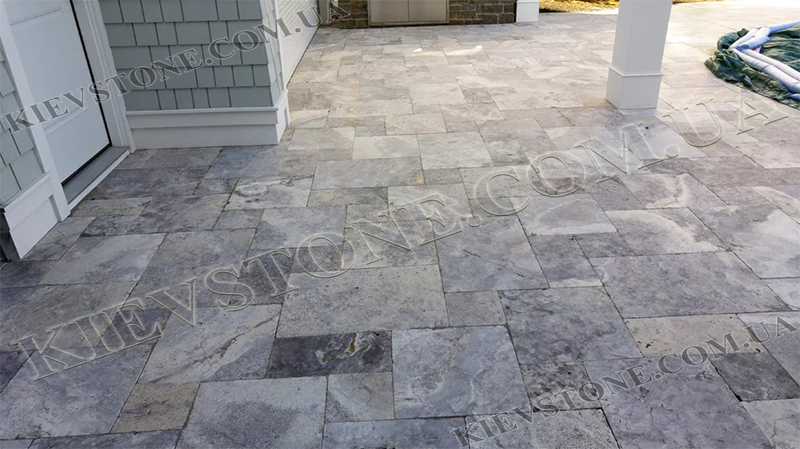
In projects with access to terraces, travertine can visually connect interior spaces with outdoor areas, reinforcing a natural design concept.
To enhance this effect, it is sometimes combined with elements like decorative pebble stone, adding additional natural depth to the interior.
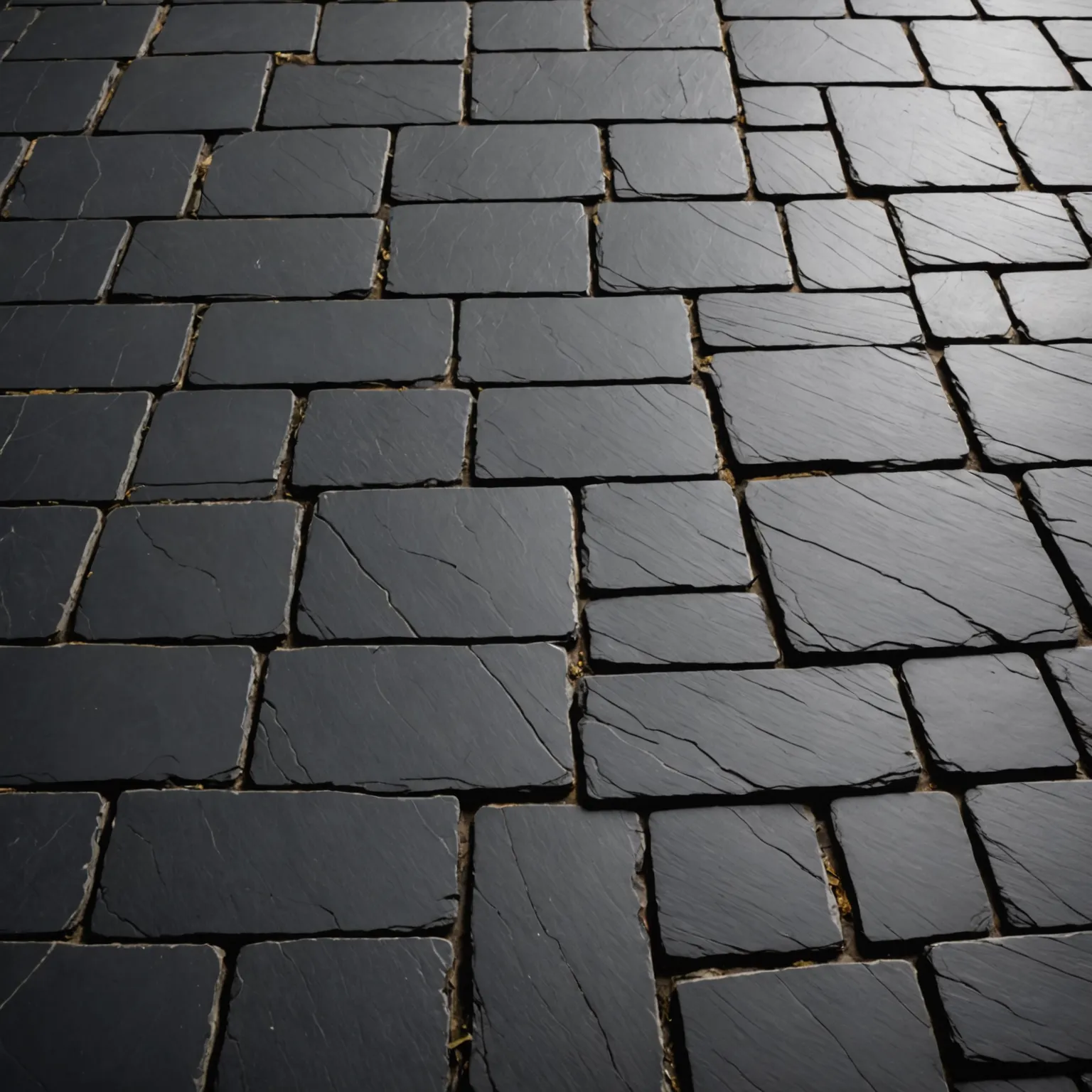
Designer observation: travertine reveals its texture best in interiors with natural daylight. Sunlight highlights its surface and makes the stone appear deeper and softer.
When choosing travertine, it is important to define its role within the space in advance. It is not an accent material in the traditional sense, but rather a background that shapes the overall atmosphere.
That is why it is often selected for interiors designed for long-term use rather than short-lived trends.
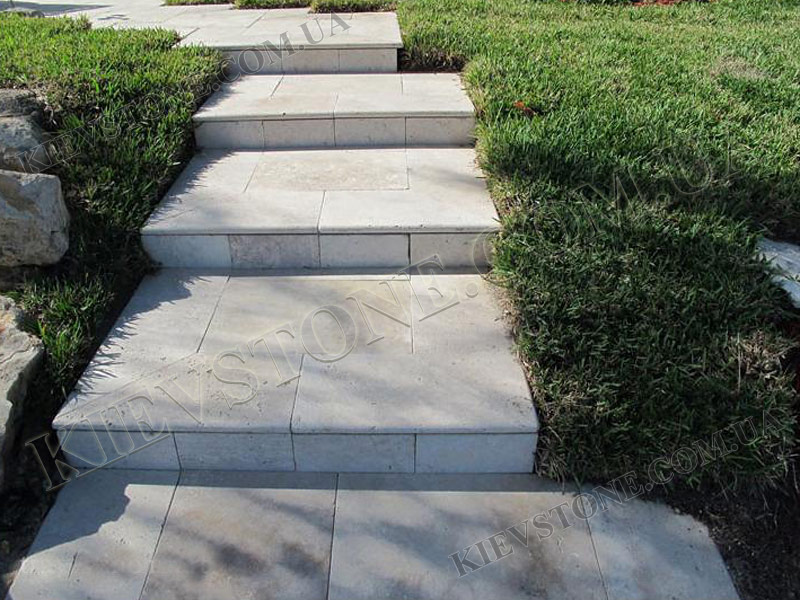
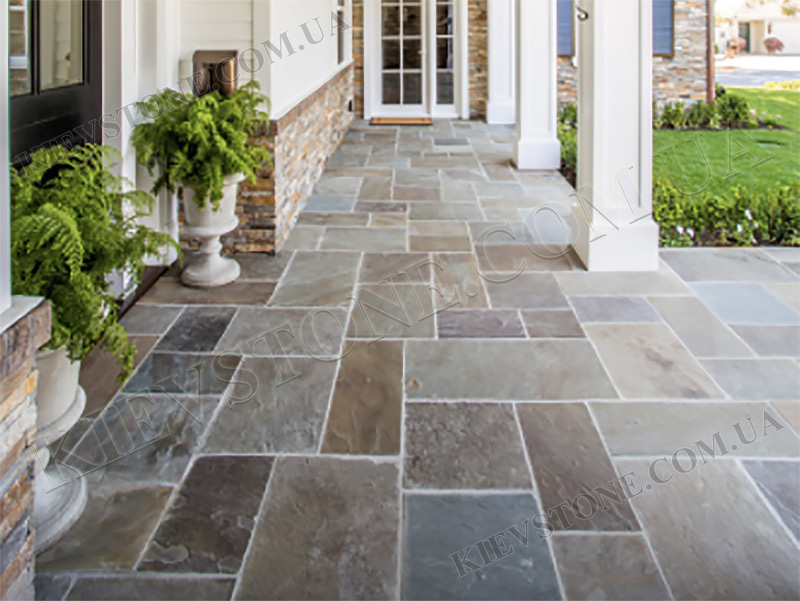
If needed, travertine can be combined with more expressive materials, including natural paving stone in entrance or transition areas.
For a broader understanding of style and available formats, it is convenient to start with the main natural stone catalog, where different finishes and applications are presented.
Once format and color are chosen, practical considerations come to the forefront. This is where travertine tile often raises questions. The stone may seem delicate, but with the right approach it behaves predictably in everyday use.
Surface finishes and their role in performance
Travertine is available in several surface finishes, each affecting its behavior in interiors. Polished surfaces look lighter and reflect more light but require more careful maintenance.
Honed or matte finishes are less slippery and better suited for flooring. They preserve the natural look of the stone and conceal minor signs of wear.
Filling the pores is a critical processing step. It reduces absorption and increases resistance to household stains.
The choice of finish should be based on how the space is used rather than on design trends.
Travertine in different interior zones
In living rooms, travertine tile is most often used as flooring. It visually unifies the space and creates a sense of continuity.
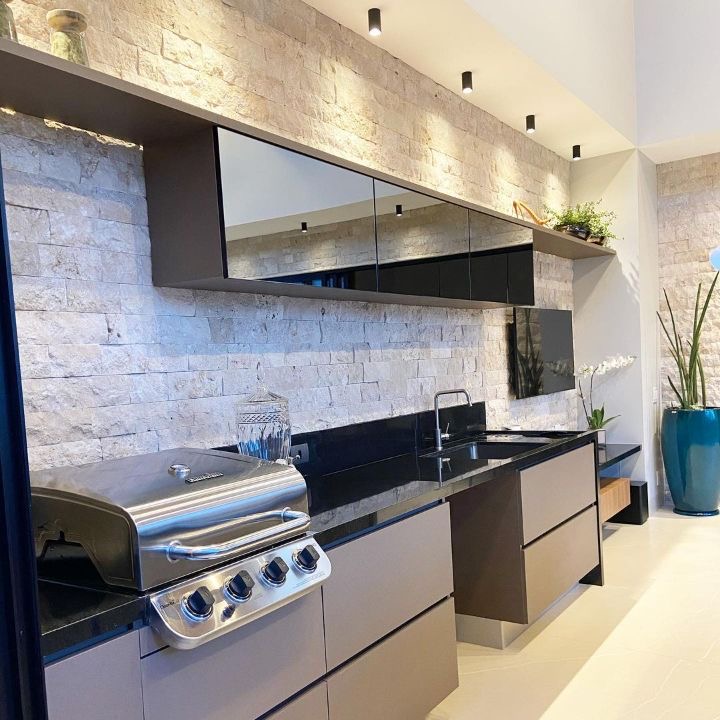
In kitchens, travertine is used more selectively. It works best on walls or decorative surfaces where exposure is limited.
In bathrooms, the stone feels especially harmonious. It pairs well with warm lighting and neutral color schemes.
In hallways and entry areas, travertine provides a durable and visually calm foundation, particularly in interiors built around natural materials.
Combining travertine with other materials
Travertine blends naturally with wood, metal, and textiles. These combinations help create balanced and inviting interiors.
It is often used as a neutral backdrop for furniture with complex shapes or expressive design details.
Durability, maintenance, and everyday use
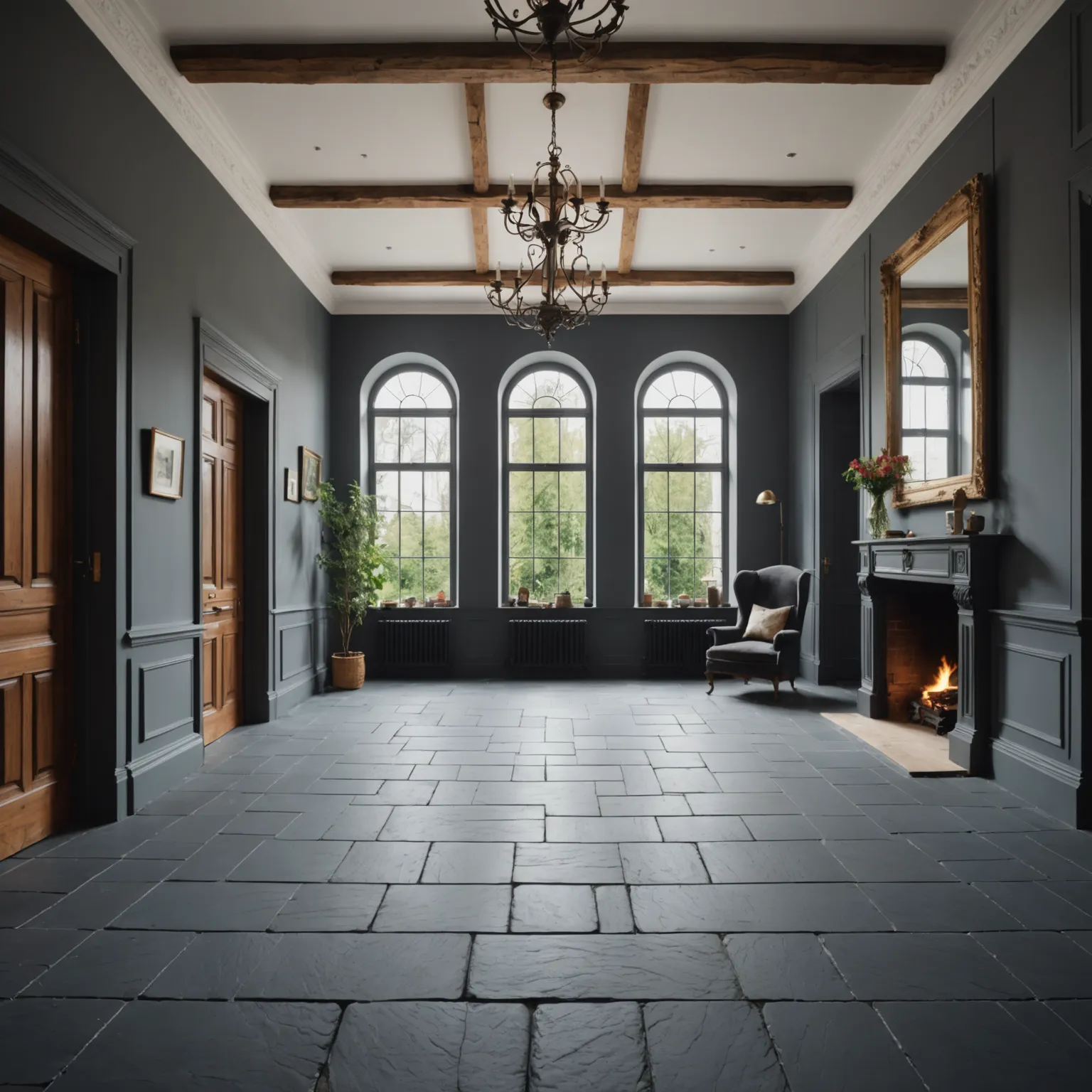
With proper processing, travertine does not require complex maintenance. Regular dry and damp cleaning with neutral products is sufficient.
The surface resists minor scratches, and its natural texture makes them less noticeable over time.
It is important to avoid prolonged contact with acids and abrasive cleaners. This is a standard rule for most natural stones.
In residential interiors, travertine can serve for many years without losing its visual appeal.
Practical advice: if there are children or pets in the home, matte or honed travertine is the best choice. It is less slippery and easier to maintain.
When travertine is truly the right choice
Travertine is not suitable for every project. It performs best where atmosphere and tactile comfort are priorities.
In interiors designed for long-term use, travertine remains visually relevant even after many years.
It is not tied to short-term trends and ages gracefully from an aesthetic standpoint.
This is why it is often chosen for private homes and thoughtfully designed apartments.
Travertine compared to other stone materials
| Criterion | Travertine | Other stone types |
|---|---|---|
| Texture | Soft, porous | Generally dense |
| Visual effect | Warm and calm | More contrasting |
| Maintenance | Moderate | Depends on stone type |
Mini case: in an apartment where travertine flooring was installed more than seven years ago, the tile has retained an even color and texture without local repairs despite active daily use.
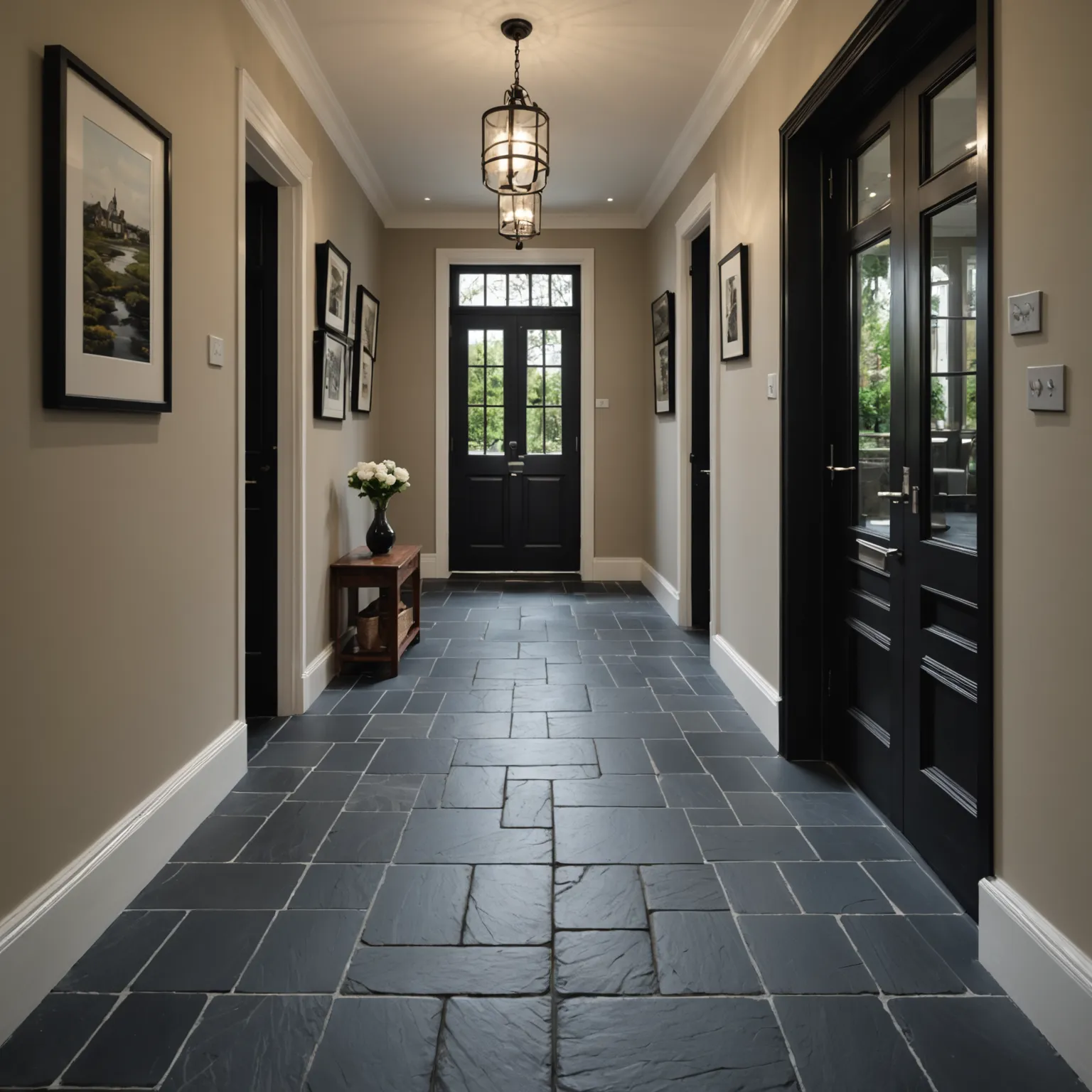
Craftsmen observation: most travertine issues are caused not by the stone itself, but by incorrect surface finish selection or unsuitable application zones.
- Travertine creates a warm and calm interior atmosphere.
- Proper processing makes the stone practical for everyday use.
- The material combines easily with wood and natural textures.
- Its visual relevance is maintained for many years.
FAQ
Is travertine tile suitable for flooring?
Yes, provided the correct finish is chosen. Matte or honed travertine with filled pores is recommended for floors. It is durable, slip-resistant, and performs well under everyday residential loads.
Can travertine be used in bathrooms?
Yes, this is a common application. On one hand, travertine creates a cozy atmosphere. On the other, it requires proper processing and sealing to prevent excessive moisture absorption.
Is travertine difficult to maintain?
Maintenance is straightforward. Regular cleaning with neutral products is sufficient. Acidic or abrasive cleaners should be avoided, as they can damage the stone surface.
Is travertine appropriate for kitchens?
There are two sides to this. Travertine works well on walls and decorative areas. For kitchen floors, it is better to choose a finish with enhanced protection and a matte surface.
How does travertine differ from marble?
Travertine has a more porous structure and a softer visual pattern. Marble is denser and more contrasting. The choice depends on the desired aesthetic and usage conditions.
How durable is travertine tile?
With proper installation and care, travertine can last for decades. In interiors with moderate traffic, it retains its appearance without the need for replacement.
Can travertine be combined with other materials?
Yes, travertine is often combined with other natural materials. The key is maintaining harmony in color tones and surface finishes so the interior feels cohesive.
Where can I get professional advice on travertine selection?
You can get professional advice via the contact page. To see real examples and design solutions, explore the project gallery.







.jpg)


